

Imagine a world where you can enjoy the company of a cat without the constant sneezing or itchy eyes. Sounds like a dream, right?
If you or your loved ones have allergies, you might think owning a cat is off-limits. But what if there was a way to have the best of both worlds? Allergy free cat breeds could be the solution you’ve been searching for.
They allow you to experience the joy and companionship of a feline friend without the allergy-induced discomfort. Curious to learn how you can make this a reality? Keep reading to discover which cat breeds might just be the perfect fit for your allergy-sensitive home. Your dream of a sneeze-free snuggle session with a cat could be closer than you think!

Credit: www.thepioneerwoman.com
Causes Of Cat Allergies
Cat allergies affect many people worldwide. Understanding what causes these allergies helps in choosing the right cat breed. Allergies happen due to proteins that cats produce. These proteins can trigger immune responses in sensitive individuals. Knowing these causes is essential for allergy sufferers who love cats.
Common Allergens In Cats
Most cat allergies come from specific proteins. The main allergen is called Fel d 1. It is found in cat saliva, skin, and urine. When cats groom themselves, they spread this protein on their fur. Dander, which is dead skin flakes, also carries allergens. These tiny particles float in the air and stick to surfaces.
Other allergens include:
- Proteins in cat saliva
- Proteins in cat urine
- Dander and fur particles
How Allergens Affect Sensitive Individuals
When people sensitive to cat allergens breathe them in, their immune system reacts. The body treats these proteins as harmful invaders. This triggers symptoms like sneezing, itchy eyes, and runny nose. Some may experience skin rashes or difficulty breathing. Allergic reactions vary from mild to severe.
Repeated exposure can make symptoms worse over time. Avoiding allergens helps reduce these reactions. Choosing cats that produce fewer allergens can ease symptoms for sensitive people.
Traits Of Hypoallergenic Cats
Hypoallergenic cats have special traits that make them easier for allergy sufferers. These cats produce fewer allergens and shed less fur. This reduces the chance of triggering allergic reactions. Understanding these traits helps in choosing the right breed for a home with allergies.
Low Allergen Production
Hypoallergenic cats produce less of the Fel d 1 protein. This protein causes most cat allergies. Some breeds naturally make lower amounts of it. Less Fel d 1 means fewer allergy symptoms for people. This trait is key for allergy-friendly cats.
Minimal Shedding And Dander
Shedding spreads allergens around the home. Hypoallergenic cats shed very little fur. They also produce less dander, tiny skin flakes that carry allergens. Less shedding and dander means fewer particles in the air. This trait helps keep the environment cleaner and safer for allergy sufferers.
Top Hypoallergenic Cat Breeds
Finding a cat breed that fits your allergy sensitivities can change your experience with feline companionship. Hypoallergenic cats produce fewer allergens, making them ideal for allergy sufferers. Here’s a list of top hypoallergenic cat breeds that many people live happily with.
Siberian
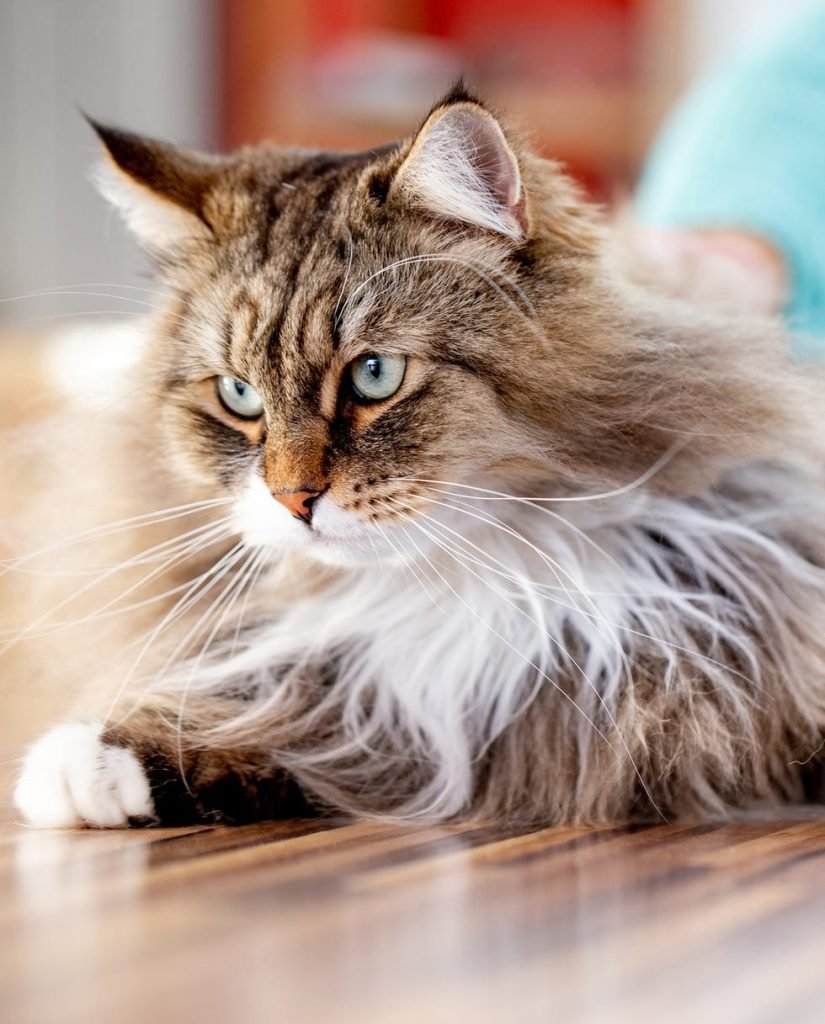
The Siberian cat is known for its luxurious coat, yet it produces less of the Fel d 1 protein, the main allergen in cats. Owners often report fewer allergy symptoms around these cats despite their thick fur. Have you considered a breed that challenges the usual allergy assumptions?
Balinese
Balinese cats have a single layer of fur and produce fewer allergens than many other breeds. Their silky coats are easy to manage, which helps reduce dander spread. If you want a chatty and affectionate companion, the Balinese might be your ideal choice.
Bengal
Bengals have a short, dense coat that sheds less and carries fewer allergens. Their wild appearance and playful nature make them a favorite for active cat lovers. Could a Bengal be the hypoallergenic breed that fits your lifestyle?
Russian Blue
Russian Blues are famous for their plush blue coat and lower allergen levels. They tend to groom themselves frequently, reducing dander around your home. Are you drawn to a calm, elegant cat that’s easier on your allergies?
Devon Rex
The Devon Rex has short, wavy fur and a small amount of shedding. Their unique coat texture traps allergens close to the skin instead of releasing them into the air. Would a quirky and affectionate Devon Rex be a good match for your allergy needs?
Cornish Rex
Cornish Rex cats have a fine, curly coat and very little hair, which means fewer allergens spread around. Their energetic and playful nature makes them great companions. How important is a lively personality in your hypoallergenic pet?
Sphynx
The Sphynx is mostly hairless, which significantly reduces allergen accumulation. Regular bathing is necessary to remove oils and allergens from their skin. Could the unique look and hypoallergenic benefits of the Sphynx suit your home?
Caring For Allergy-free Cats
Caring for allergy-free cats still requires thoughtful attention to keep allergens at bay. Even breeds known for being hypoallergenic can produce proteins that trigger mild reactions. Your daily habits and home environment play a big role in minimizing discomfort for both you and your feline friend.
Grooming Tips To Reduce Allergens
Regular grooming helps keep dander and loose fur under control. Brush your cat at least twice a week using a soft-bristle brush designed for sensitive skin. This removes dead skin cells and fur before they spread around your home.
Bathing your cat occasionally can also reduce allergens, but avoid overdoing it to prevent skin dryness. Use a gentle, pet-safe shampoo and make bath time a calm experience to avoid stress. If you notice sneezing or irritation during grooming, try wearing a mask or grooming in a well-ventilated area.
Home Cleaning Strategies
Allergens often linger in dust and fabric fibers, so keeping your home clean is essential. Vacuum frequently using a vacuum with a HEPA filter to trap tiny particles. Don’t forget to clean upholstery, curtains, and bedding where cat hair and dander can accumulate.
Consider using air purifiers in rooms where your cat spends the most time. Washing your cat’s bedding weekly in hot water helps reduce allergen buildup. Have you checked whether your cleaning products are safe for pets and effective against allergens? It’s a small detail that makes a big difference.
Choosing The Right Cat For Sensitive Homes
Choosing the right cat for sensitive homes requires careful thought. Allergies can make pet ownership difficult. Some cats cause fewer allergic reactions, but it varies by person. Understanding your allergy limits helps find the best fit. Testing and expert advice are key steps. These ensure your new pet brings joy, not discomfort.
Testing Allergy Reactions
Testing allergy reactions helps identify safe cat breeds. Spend time with different cats to observe symptoms. Watch for sneezing, itchy eyes, or skin irritation. Try short visits before bringing a cat home. Allergy tests can also check your sensitivity levels. This information reduces risks and guides your choice.
Consulting With Allergy Specialists
Allergy specialists offer valuable advice for sensitive homes. They can recommend breeds less likely to cause reactions. Specialists may suggest treatments to manage symptoms. Follow their guidance to create a comfortable environment. Their support improves your chances of living well with a cat.

Credit: shamelesspets.com

Credit: www.thepioneerwoman.com
Frequently Asked Questions
What Makes A Cat Breed Allergy-free?
Allergy-free cat breeds produce fewer allergens like Fel d 1 protein. They shed less dander, reducing allergic reactions. These breeds are ideal for sensitive individuals seeking a hypoallergenic pet.
Which Cat Breeds Are Best For Allergy Sufferers?
Siberian, Balinese, Sphynx, Russian Blue, and Devon Rex are top allergy-friendly breeds. They produce fewer allergens and shed less, helping minimize allergic symptoms effectively.
Can Allergy-free Cats Completely Prevent Allergies?
No cat is 100% allergen-free. Allergy-friendly breeds reduce allergens but may still cause mild reactions. Allergy management and regular cleaning help control symptoms better.
How To Care For Allergy-free Cats To Reduce Allergies?
Regular grooming and frequent cleaning reduce dander and allergens. Use air purifiers and wash cat bedding often to maintain a low-allergen environment at home.
Conclusion
Choosing an allergy-free cat breed can ease your life and bring joy. These breeds often shed less and produce fewer allergens. They help people with allergies enjoy the company of pets. Remember, no cat is 100% allergy-free, but some are better.
Spend time with a cat before adopting to see how you react. A happy home with a cat is possible, even with allergies. Consider these breeds to find a furry friend that suits you.
