

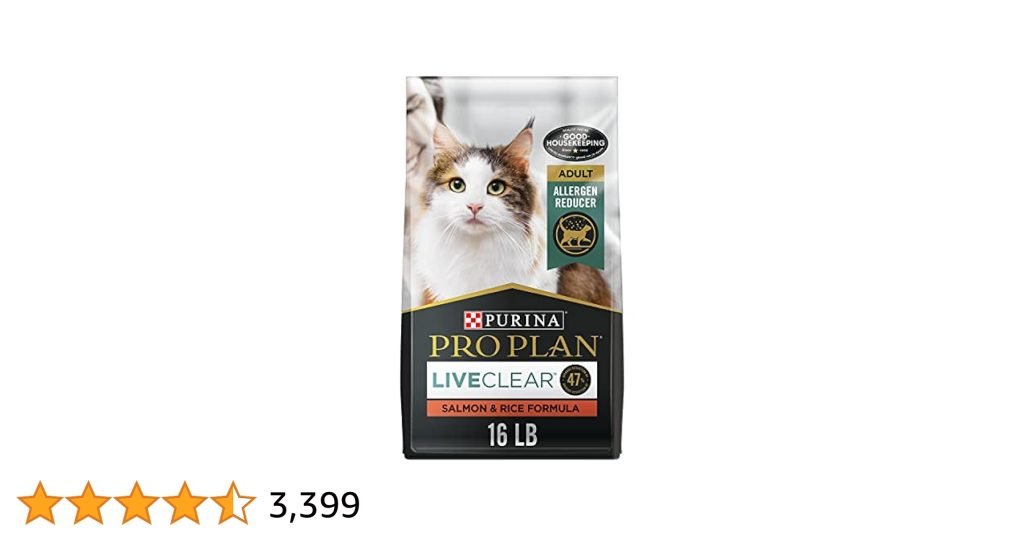
Is your cat constantly scratching, sneezing, or showing signs of discomfort after meals? You might be dealing with a food allergy.
Finding the right allergenic cat food can make all the difference in your furry friend’s health and happiness. You’ll discover what causes these allergies and how to choose the best food that keeps your cat comfortable and thriving. Keep reading to unlock the secrets to a happier, healthier pet!
Causes Of Cat Food Allergies
Cat food allergies happen when a cat’s immune system reacts to certain ingredients. The immune system mistakes harmless food proteins as threats. This causes inflammation and discomfort in the cat’s body.
Understanding the causes helps in choosing the right food. Some cats develop allergies early, while others may react after years of eating the same food. Identifying the specific allergen is key to managing the allergy effectively.
Common Allergens In Cat Food
- Beef – a frequent protein source causing allergies
- Chicken – another common trigger for many cats
- Dairy products – lactose can irritate sensitive cats
- Fish – can cause reactions in some cats
- Eggs – known to cause allergies in certain cases
- Wheat and grains – some cats have trouble digesting these
Symptoms Of Food Allergies In Cats
- Itching and scratching, especially around the head and neck
- Red, inflamed skin or rashes
- Hair loss due to excessive grooming
- Vomiting or diarrhea
- Ear infections that keep coming back
- Swelling of the face, ears, or paws
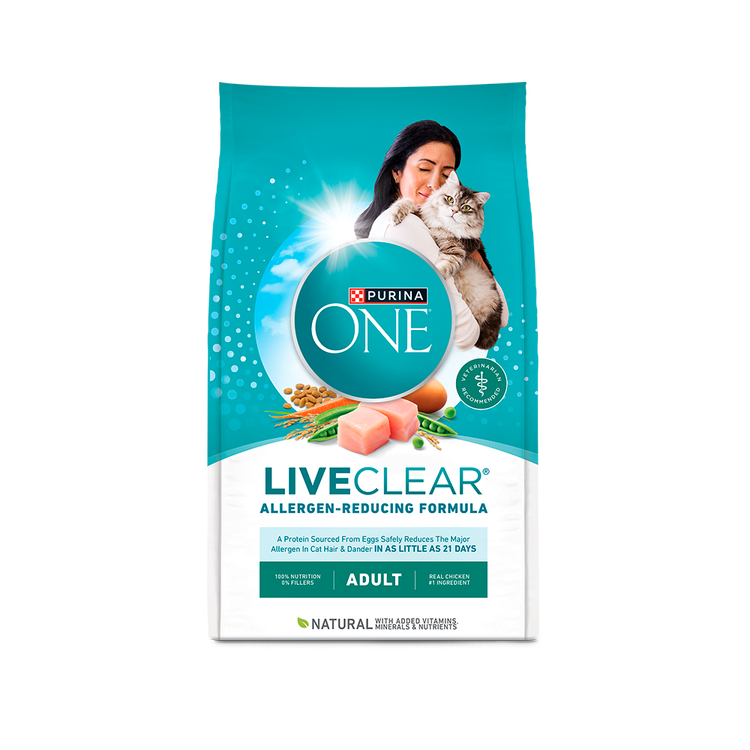
Credit: www.purina.com
Choosing Hypoallergenic Cat Food
Choosing hypoallergenic cat food helps reduce allergy symptoms in sensitive cats. Cats can react to common ingredients like beef, dairy, or grains. Selecting the right food supports their health and comfort.
Limited Ingredient Diets
Limited ingredient diets use fewer ingredients to lower allergy risks. These foods focus on a single protein and a few simple carbs. This makes it easier to identify and avoid allergens. Cats with food sensitivities often do well on these diets.
Novel Protein Sources
Novel proteins are proteins that your cat has never eaten before. Examples include duck, rabbit, or venison. These proteins reduce the chance of allergic reactions. Novel protein foods provide essential nutrients without common allergens.
Grain-free Options
Grain-free cat foods exclude wheat, corn, and soy. Some cats are sensitive to these grains. Grain-free options replace grains with vegetables or potatoes. This helps prevent digestive problems and skin allergies in sensitive cats.
Top Safe Cat Food Brands
Choosing the right allergenic cat food is crucial for your feline’s health and happiness. Safe cat food brands focus on quality ingredients that minimize allergy triggers and support digestion. Let’s look at some top options that combine safety, nutrition, and taste to keep your cat comfortable and thriving.
Premium Hypoallergenic Brands
Premium hypoallergenic cat foods often use novel proteins like duck, venison, or rabbit to reduce allergic reactions. These brands invest in research and high-quality sourcing to ensure every ingredient meets strict standards.
- Hill’s Prescription Diet z/d– Formulated with hydrolyzed protein, it’s designed specifically to avoid immune reactions.
- Royal Canin Hypoallergenic– Uses hydrolyzed proteins and controlled ingredients for sensitive cats.
- Blue Buffalo Basics Limited Ingredient Diet– Features simple recipes with a single protein source and easily digestible carbohydrates.
These brands tend to be pricier but can save you vet visits and discomfort for your cat. Have you noticed how switching to a premium hypoallergenic diet helped your pet’s skin or coat health?
Affordable Alternatives
Not every cat owner can stretch their budget to premium brands, but there are safe, affordable options available. These alternatives focus on limited ingredients and avoid common allergens like corn, wheat, and soy.
- Natural Balance L.I.D.– Offers limited ingredient diets that reduce allergy risks without breaking the bank.
- Instinct Limited Ingredient Diet– Uses real meat and simple recipes to support sensitive stomachs.
- Wellness Simple– Provides grain-free options with fewer ingredients to help identify and avoid allergens.
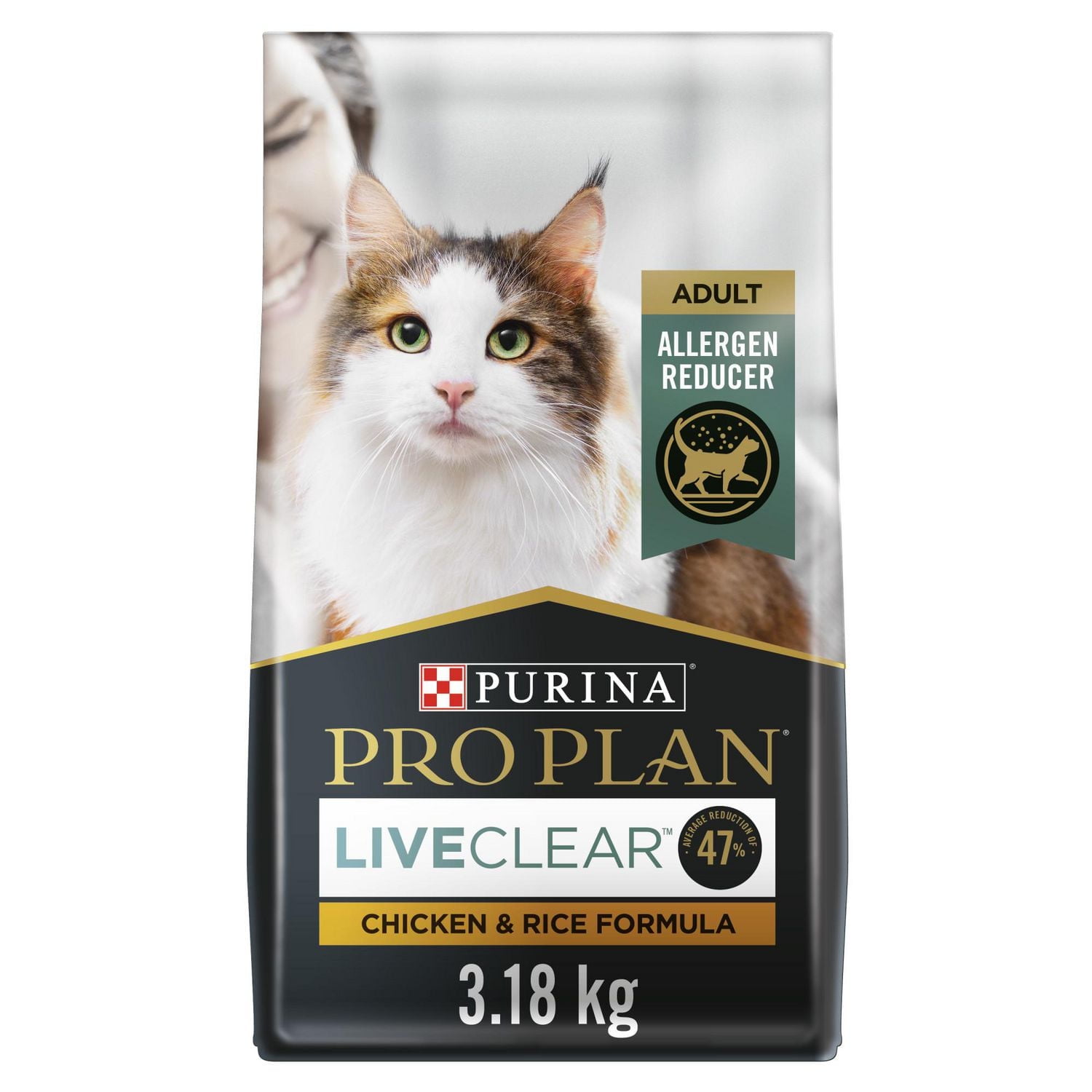
Choosing affordable allergenic cat food doesn’t mean compromising your cat’s health. Would you consider trying a smaller bag to test your cat’s reaction before committing?
Credit: www.walmart.ca
Homemade Diets For Sensitive Cats
Feeding a sensitive cat can feel like walking a nutritional tightrope. You want to avoid allergens while still providing a balanced diet that keeps your furry friend healthy and happy. Homemade diets offer you control over every ingredient, helping you tailor meals that suit your cat’s unique needs.
Essential Nutrients To Include
Your cat needs a mix of proteins, fats, vitamins, and minerals to thrive. Protein is crucial since cats are obligate carnivores—meaning they rely heavily on meat. Make sure to include high-quality sources like chicken, turkey, or fish, avoiding any proteins your cat reacts to.
Don’t forget about taurine, an amino acid vital for heart and eye health. It’s found naturally in animal tissues, so fresh meat or fish will cover this need. Adding a small amount of organ meat, such as liver, can boost vitamin and mineral content.
Fat provides energy and supports skin and coat health. Fish oil or chicken fat are excellent choices here. Finally, a homemade diet should include a calcium source, like ground eggshell or a supplement, to support strong bones.
Simple Recipes To Try
- Chicken and Rice Blend:Cooked chicken breast, white rice, a teaspoon of fish oil, and a pinch of ground eggshell for calcium.
- Turkey and Pumpkin Mix:Ground turkey, cooked pumpkin (good for digestion), a small amount of olive oil, and taurine supplement.
- Fish and Sweet Potato Bowl:Boiled white fish, mashed sweet potato, a dash of salmon oil, and organ meat finely chopped for added nutrients.
How do you know if your cat’s homemade food is working? Watch for signs like improved coat shine, regular stools, and steady energy levels. If your cat shows any unusual reactions, adjusting ingredients or consulting a vet is essential.
Tips For Transitioning Cats To New Food
Switching your cat to allergenic food can be a delicate process. Cats are creatures of habit and sudden changes might upset their digestion or cause stress. Taking the right approach not only helps your cat adapt smoothly but also lets you watch for any allergic reactions early on.
Gradual Switching Process
Start by mixing a small amount of the new allergenic food with your cat’s current food. A good rule is to begin with about 25% new food and 75% old food.
Over the next 7 to 10 days, slowly increase the new food portion while decreasing the old food. This gradual change helps your cat’s digestive system adjust without causing upset stomach or refusal to eat.
Some cats are picky and may resist the new taste. Try warming the food slightly or adding a bit of low-sodium broth to make it more appealing. Patience is key here; abrupt switches often lead to food rejection.
Monitoring Allergic Reactions
Keep a daily log of your cat’s eating habits, stool quality, and any signs of itching or skin irritation. Allergic reactions might not appear immediately, so tracking symptoms is crucial for a few weeks after the switch.
Watch for unusual behaviors like excessive scratching, licking, or sneezing. If any signs worsen or new symptoms appear, consult your vet promptly.
Remember, your observations help your vet tailor the diet and treatment. Are you ready to commit to this careful monitoring? Your cat’s comfort depends on your attention during this transition.
When To Consult A Veterinarian
Recognizing signs of food allergies in cats can be tricky. Persistent itching, digestive upset, or skin problems often signal a need for professional advice. Consulting a veterinarian helps identify the exact cause and prevents unnecessary suffering. Early veterinary intervention ensures proper diagnosis and tailored treatment for your pet’s comfort and health.
Allergy Testing Options
Veterinarians offer various tests to detect food allergies in cats. Skin tests involve small injections of allergens to observe reactions. Blood tests measure the immune system’s response to specific proteins. Elimination diets remove suspected ingredients, then reintroduce them slowly. This helps pinpoint which foods cause issues. Testing guides the best diet choices and avoids guesswork.
Prescription Diets
Prescription diets provide balanced nutrition for allergenic cats. These foods contain limited ingredients or hydrolyzed proteins. Hydrolyzed proteins are broken down to reduce allergic reactions. Prescription diets are formulated to reduce symptoms and improve skin health. Veterinarians recommend these diets after diagnosis. They monitor progress and adjust feeding plans as needed.

Credit: www.petfoodprocessing.net
Frequently Asked Questions
What Is Allergenic Cat Food?
Allergenic cat food contains ingredients that often trigger allergies in cats. It may include common allergens like grains or proteins. This food helps identify or avoid allergens causing reactions in sensitive cats.
How To Identify Cat Food Allergies?
Look for symptoms like itching, redness, vomiting, or diarrhea after feeding. A vet can perform tests to confirm allergies. Identifying allergens helps in choosing appropriate hypoallergenic cat food.
Which Ingredients Cause Cat Food Allergies?
Common allergens include beef, dairy, chicken, wheat, soy, and fish. Cats may react differently to these proteins or grains. Avoiding these ingredients can reduce allergic reactions.
What Are Hypoallergenic Cat Food Benefits?
Hypoallergenic cat food reduces allergic reactions by using novel proteins or limited ingredients. It improves skin health, digestion, and overall comfort in allergic cats. This food supports long-term allergy management.
Conclusion
Choosing the right allergenic cat food helps your pet feel better daily. It reduces itching, redness, and tummy troubles. Watch your cat’s health closely and note any changes. Talk to your vet about the best options available. Simple ingredients often work best for sensitive cats.
A happy cat means a happy home. Keep learning and adjusting to meet your pet’s needs. Small steps bring big improvements in their comfort and health. Stay patient and caring throughout the process. Your cat will thank you with love and purrs.
