

Choosing the right food for your cat can feel overwhelming. You want to give your furry friend the best nutrition, no matter their age or size.
That’s where all life stages cat food comes in. It’s designed to support kittens, adults, and senior cats alike. But how do you know if it’s the right choice for your pet? You’ll discover everything you need to make a confident decision for your cat’s health and happiness.
Keep reading to learn why all life stages cat food might be the simple solution you’ve been searching for.
The Importance Of Age-appropriate Nutrition
Nutrition needs change as cats grow. Feeding the right food for their age helps keep them healthy. Cats need different vitamins, minerals, and calories at each life stage. Age-appropriate nutrition supports growth, energy, and overall well-being.
Young kittens require food rich in protein and fat. Adult cats need balanced nutrients to maintain weight and vitality. Senior cats benefit from diets that support joint health and kidney function. Feeding age-specific food helps avoid health problems.
The Role Of Nutrients In Different Life Stages
Kittens need extra protein for muscle and brain development. They also need DHA, a fatty acid for eye and brain health. Adult cats require fewer calories but steady protein levels. Senior cats need antioxidants and fiber to support aging organs.
How Age-appropriate Nutrition Supports Immunity
Proper nutrition strengthens a cat’s immune system. Young cats build immunity through nutrient-rich food. Adults maintain defenses with balanced diets. Older cats need foods that reduce inflammation and fight infections.
Preventing Common Health Issues With Proper Diet
- Obesity prevention through controlled calories in adult and senior cats
- Support for kidney health in older cats with reduced phosphorus
- Strong bones and teeth in kittens with calcium and vitamin D
- Healthy skin and coat with essential fatty acids at all ages
Credit: www.purina.com
Nutritional Needs Of Kittens
Kittens grow rapidly during their first few months, making their nutritional needs quite specific. If you want your kitten to develop strong bones, a shiny coat, and a healthy immune system, you need to pay close attention to what they eat. Providing balanced nutrition early on sets the stage for a long, healthy life.
Essential Vitamins And Minerals
Vitamins and minerals play a huge role in your kitten’s development. Key nutrients like calcium and phosphorus support bone growth, while vitamins A, D, and E boost vision, skin health, and immunity.
Without enough calcium, kittens might develop weak bones or dental issues. Vitamin A deficiency can cause poor eyesight, which affects their ability to explore and learn about their surroundings.
- Calcium:Critical for strong bones and teeth
- Phosphorus:Works with calcium for bone health
- Vitamin A:Supports eye and skin health
- Vitamin D:Helps the body absorb calcium
- Vitamin E:Acts as an antioxidant to protect cells
Protein Requirements For Growth
Protein is the building block for your kitten’s muscles, organs, and tissues. Unlike adult cats, kittens need a higher percentage of protein in their diet to fuel their fast growth and high energy levels.
Think about it this way: your kitten is like a tiny athlete, constantly running and jumping. Without enough protein, they won’t build muscle properly or recover quickly from playtime.
- Look for cat food with at least 30% protein content for kittens.
- Animal-based proteins like chicken, turkey, or fish are best absorbed.
- Avoid foods with too many fillers like corn or soy, which offer little nutritional value.
Have you ever noticed how your kitten seems to grow overnight? That’s the power of proper nutrition working behind the scenes. Are you confident your kitten’s diet meets these essential needs?
Adult Cat Dietary Essentials
Adult cats have unique dietary needs that support their active lifestyle and overall health. Providing the right nutrients helps keep your cat energetic, happy, and less prone to illness. Understanding what goes into their food can make a big difference in how they feel every day.
Balanced Diet Components
Your cat’s diet should include a careful mix of proteins, fats, and carbohydrates. Protein is essential because cats are obligate carnivores—it fuels their muscles and organs. Look for high-quality animal proteins like chicken, turkey, or fish listed as the first ingredient.
Fats provide energy and support a shiny coat and healthy skin. Omega-3 and Omega-6 fatty acids are especially important for reducing inflammation and promoting brain function. Don’t forget a moderate amount of carbohydrates; too many can lead to weight gain, but a small amount can supply necessary fiber.
Vitamins and minerals like taurine, vitamin E, and calcium are crucial. Taurine deficiency can cause serious heart and eye problems. Check your cat food labels to see if these essentials are included.
Maintaining Healthy Weight
Keeping your cat at a healthy weight is more than just avoiding obesity—it impacts their longevity and quality of life. Overfeeding, even with healthy food, can cause joint problems and diabetes.
Measure your cat’s food portions daily instead of free feeding. Watching their weight regularly helps you spot changes early. If you notice your cat gaining or losing weight unexpectedly, it’s time to adjust their diet or visit the vet.
Exercise matters too. Playtime encourages movement and helps burn calories. Have you noticed how your cat perks up during interactive play? That’s a sign they’re enjoying healthy activity, which supports weight management.

Credit: www.amazon.com
Senior Cat Nutrition
Senior cats have unique nutritional needs that differ from younger felines. As your cat ages, their metabolism slows down and their body requires specific nutrients to stay healthy and active. Paying attention to senior cat nutrition can help extend their quality of life and keep them comfortable in their golden years.
Adjusting Caloric Intake
Older cats often become less active, which means they burn fewer calories. If you continue feeding them the same amount as before, they might gain unwanted weight. Overweight cats face more health issues, such as diabetes and heart problems.
Try reducing the amount of food slightly or switch to a lower-calorie formula designed for seniors. Watch your cat’s weight regularly and adjust portions as needed. You want to avoid both overeating and underfeeding, so balance is key.
Joint And Bone Health Support
Senior cats often develop stiffness and joint pain, just like humans. Nutrients like glucosamine and omega-3 fatty acids can help ease inflammation and support joint function. Including foods rich in these ingredients or supplements can make a real difference in your cat’s mobility.
Calcium and phosphorus are also important for maintaining strong bones. Check labels for balanced mineral content to avoid deficiencies or excesses. Have you noticed your cat moving more slowly or hesitating to jump? These could be signs it’s time to focus on joint and bone health.
Benefits Of All Life Stages Cat Food
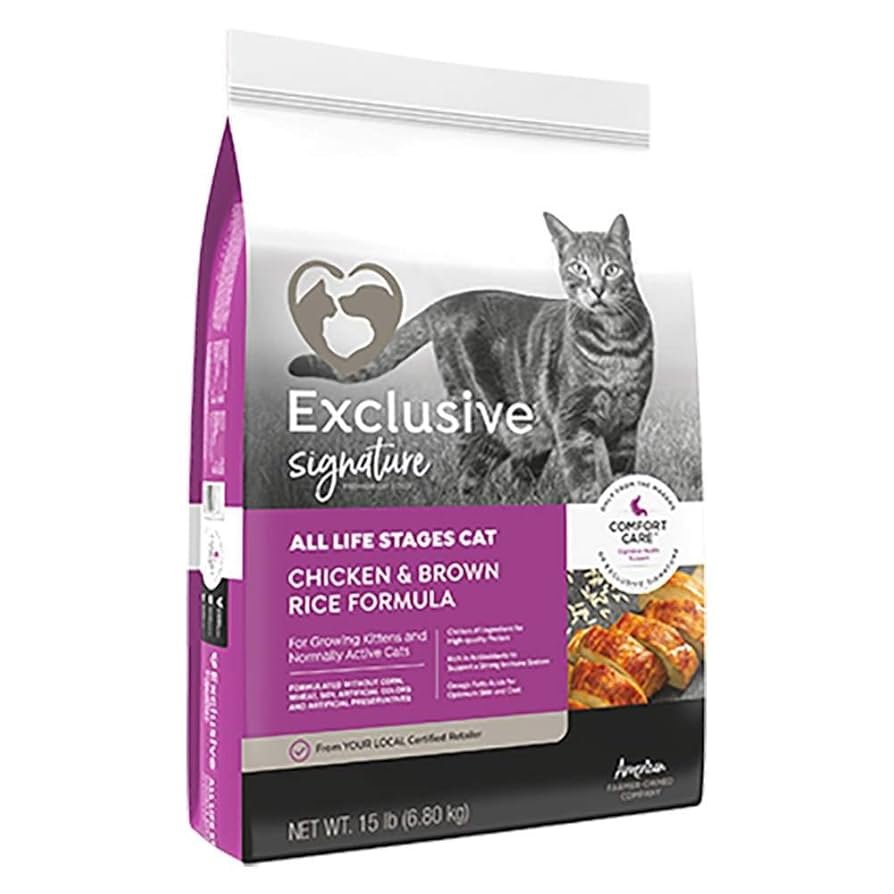
Choosing the right food for your cat can be challenging, especially when you want to meet their nutritional needs throughout different life stages. All life stages cat food offers a practical solution by providing balanced nutrition suitable for kittens, adults, and senior cats alike. This type of food ensures your cat gets the right nutrients at every phase without constant changes to their diet.
Convenience And Consistency
Feeding your cat all life stages food simplifies your routine. You don’t have to switch bags of food as your cat grows or if you have multiple cats of different ages. This consistency reduces the chance of digestive upset caused by sudden diet changes.
Imagine the ease of shopping for just one type of food that fits every cat in your home. This convenience saves time and effort while keeping your cat’s diet steady and reliable. Have you noticed how some cats react poorly to frequent food changes? All life stages food helps avoid that problem.
Cost-effectiveness
Buying one formula for all life stages often costs less than purchasing separate foods for kittens, adults, and seniors. You can avoid multiple packages and enjoy bulk buying options, which typically reduce expenses.
Think about how much money you save by not needing special formulas during different growth phases. It’s not just about the price per bag but the overall savings on feeding your cat a balanced diet without extra purchases. Could this be a smarter way to manage your pet’s nutrition budget?

Credit: www.tractorsupply.com
Selecting The Right All Life Stages Cat Food
Choosing the right all life stages cat food means finding a balance that supports your cat’s health from kittenhood to their senior years. It’s not just about convenience; it’s about ensuring your feline friend gets the right nutrients every day. You want to pick a formula that meets their changing needs without causing digestive upset or allergies.
Ingredients To Look For
High-quality protein should be at the top of the ingredient list. Cats are obligate carnivores, so meat, poultry, or fish should come first. Look for named sources like “chicken” or “salmon” instead of vague terms like “meat by-products.”
Essential fatty acids like omega-3 and omega-6 support skin and coat health. Ingredients such as fish oil or flaxseed are good additions. Also, check for added vitamins and minerals that promote immune function and bone strength.
Avoiding Common Allergens
Many cats develop sensitivities to common allergens found in food. Ingredients like corn, soy, wheat, and dairy can trigger digestive issues or skin problems. If your cat shows signs of itching, vomiting, or diarrhea, consider switching to a formula free from these.
Grain-free options can be helpful, but watch out for excessive fillers like peas or potatoes that might cause problems. It’s a good idea to introduce new foods gradually and monitor your cat’s reaction closely. Have you noticed any patterns with your cat’s allergies? Adjusting their diet could be the key to their comfort.
Transitioning Between Life Stages
Transitioning your cat’s diet between life stages is a crucial process that needs careful attention. Each stage of your cat’s life demands different nutrients, so switching foods too quickly can upset their digestion or cause them to reject the new diet. Taking the right steps ensures your cat stays healthy and happy during this change.
Gradual Diet Changes
Start by mixing a small amount of the new food with your cat’s current food. Over the course of 7 to 10 days, slowly increase the new food portion while decreasing the old one. This gives your cat’s digestive system time to adjust without stress.
Pay attention to how your cat reacts to the new food texture and taste. If you notice any reluctance or digestive upset, slow down the transition. Have you ever rushed a food change only to see your cat lose interest or have stomach issues? Taking it slow makes all the difference.
Monitoring Health And Behavior
Watch your cat closely for changes in energy, appetite, and stool quality during the transition. Any sudden weight loss, diarrhea, or vomiting signals that the diet change might be too fast or unsuitable. Keep a journal or notes to track these observations.
Behavioral changes like increased irritability or hiding can also hint at discomfort. If these signs persist, consult your vet to ensure the new diet meets your cat’s specific needs. How well do you think your cat communicates when something isn’t right with their food?
Common Myths About All Life Stages Food
All life stages cat food often sparks debate among pet owners. Many hold strong opinions based on myths rather than facts. Sorting through these misconceptions can help you make smarter choices for your cat’s health.
Misconceptions About Nutritional Adequacy
Some people think all life stages food lacks the right nutrients for specific ages. They worry kittens or senior cats won’t get what they need. However, these formulas are designed to meet the highest nutritional standards set by experts.
Think about your own experience feeding cats at different ages. Many pet owners find their cats thrive on all life stages food without needing multiple bags. This food contains balanced amounts of protein, vitamins, and minerals suitable for growth, maintenance, and aging.
Have you ever checked the label? It usually states compliance with AAFCO (Association of American Feed Control Officials) guidelines, ensuring it covers all age groups. This means your cat can stay on the same diet throughout life without missing key nutrients.
Addressing Concerns Of Overfeeding
Another common worry is that all life stages food might cause overfeeding or obesity. People assume since the food is nutrient-rich, cats will gain weight easily. But overfeeding is more about portion control than the food type.
Feeding guidelines on the packaging are a helpful starting point, but your cat’s activity level and metabolism play big roles too. You can adjust portions based on your cat’s body condition and energy needs to avoid extra pounds.
Have you noticed how your cat’s weight changes with different feeding habits? Monitoring their weight regularly and consulting your vet can prevent overfeeding issues. All life stages food gives you flexibility—just control the amount, not the quality.
Frequently Asked Questions
What Is All Life Stages Cat Food?
All life stages cat food is formulated to meet nutritional needs of kittens, adults, and senior cats. It supports growth, maintenance, and overall health in one product. This type of food is convenient for multi-cat households with varying ages.
Is All Life Stages Cat Food Safe For Kittens?
Yes, all life stages cat food is safe for kittens. It contains essential nutrients that support their growth and development. However, always check the packaging to ensure it meets AAFCO standards for growth and reproduction.
Can Adult Cats Thrive On All Life Stages Cat Food?
Adult cats can thrive on all life stages cat food as it provides balanced nutrition for maintenance. This food supports healthy weight, energy levels, and coat condition in adult cats.
How Does All Life Stages Cat Food Differ From Age-specific Food?
All life stages cat food is designed to suit all ages, unlike age-specific food that targets one life stage. It offers balanced nutrients for growth, maintenance, and senior needs in a single formula.
Conclusion
Choosing the right cat food helps your pet stay healthy and happy. Cats need different nutrients at each life stage. All life stages cat food supports kittens, adults, and senior cats alike. It saves time and effort in feeding. Always check the ingredients and nutritional value.
Good food means a strong immune system and shiny fur. Feeding well shows you care for your cat’s health. Keep your cat active and full of energy. Simple steps make a big difference in your cat’s life.
