

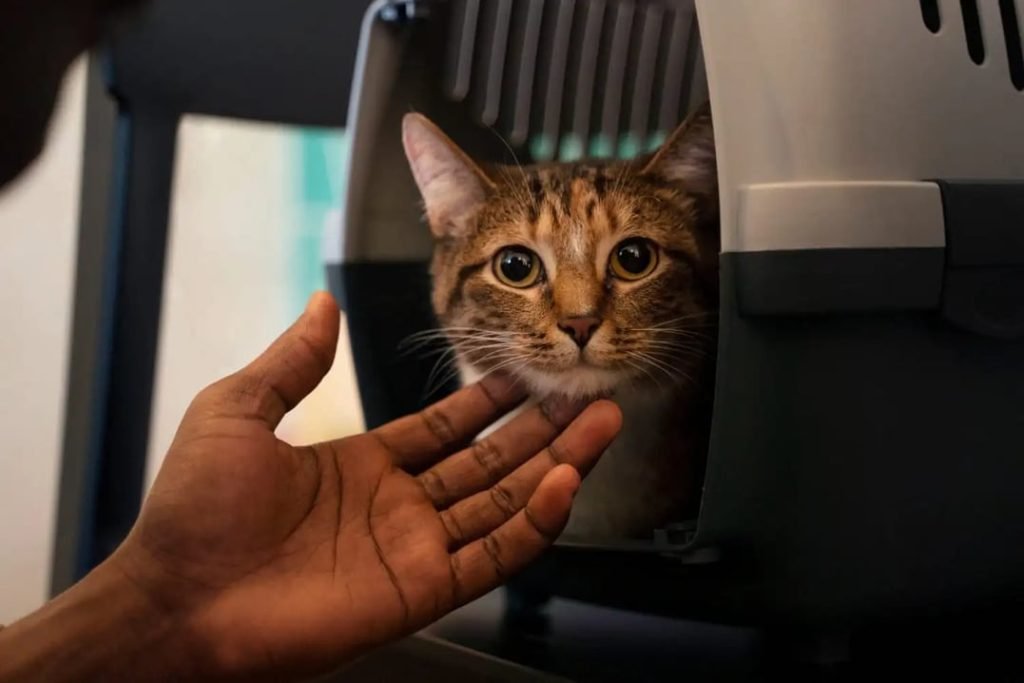
Planning to fly to Turkey with your cat? Before you pack your bags, it’s important to know exactly what documents you need to make the trip smooth and stress-free for both you and your furry friend.
Missing even one paper can cause delays or even stop you from boarding. You’ll discover the complete list of essential documents to fly with your cat to Turkey. Keep reading to ensure your journey is hassle-free and your cat arrives safe and sound.
Credit: travelthru.com
Pet Passport
A pet passport is a crucial document for traveling with your cat to Turkey. It serves as an official proof that your pet meets the health and identification standards required by international and Turkish authorities. Without this passport, you risk being denied entry or facing quarantine measures.
This document contains essential information such as your cat’s microchip number, vaccination records, and recent health checks. Think of it as your cat’s personal ID for travel. Having a pet passport simplifies border crossings and makes your journey smoother.
What Information Does A Pet Passport Contain?
- Microchip details:Your cat must have an ISO-compliant microchip implanted for identification.
- Vaccination records:Proof of rabies vaccination is mandatory, usually done at least 21 days before travel.
- Health certificate:A vet must confirm your cat is free from contagious diseases.
- Treatment records:Documentation of treatments against ticks and tapeworms may be required.
- Owner information:Your contact details and address will also be listed.
How To Obtain A Pet Passport For Turkey Travel?
You can get a pet passport from an authorized veterinarian. They will check your cat’s health, implant the microchip if necessary, and update vaccination records. The vet will then complete the pet passport with all required details.
Remember, the rabies vaccine must be current and administered at least 21 days before your flight. Make an appointment early to avoid last-minute issues. Have you checked if your vet offers this service?
Why Is A Pet Passport Essential For Flying To Turkey?
Turkey requires pets to meet specific health and identification criteria. The pet passport proves your cat complies with these rules. Without it, customs officials may refuse entry or require quarantine, which can be stressful for your cat and costly for you.
Traveling without a pet passport can lead to delays and additional paperwork. Do you want your trip to start with unexpected hassles? Ensuring you have this document saves time and keeps your cat safe.
Credit: travelthru.com
Microchip Information
Microchip information is essential for flying with your cat to Turkey. The microchip helps identify your pet and links to its health records. Turkish authorities require cats to have a microchip before arrival. This ensures your cat’s identity is verified quickly and easily.
The microchip must meet international standards. It should be ISO 11784 or ISO 11785 compliant. If your cat’s microchip does not meet these standards, you may need to bring your own scanner. This helps officials read the microchip information without problems.
Type Of Microchip Required
The microchip must be a 15-digit, non-encrypted chip. This type is recognized worldwide. It must be implanted under the cat’s skin by a vet. The chip number must be recorded in your cat’s health documents.
Timing Of Microchip Implantation
Your cat’s microchip should be implanted before the rabies vaccination. This timing links the chip number to vaccination records. Implant the microchip at least 21 days before travel. This allows time for all paperwork to update properly.
Verifying Microchip Functionality
Check the microchip works before travel. Visit your vet to scan the chip. Confirm the number matches your documents. This prevents delays or refusals at the border.
Vaccination Records
Vaccination records are essential documents when flying with your cat to Turkey. Airlines and border officials require proof that your pet is protected against certain diseases. These records must be up to date and clearly show the vaccination details. Proper documentation helps avoid delays and ensures your cat’s health during travel.
Rabies Vaccination
Rabies vaccination is mandatory for cats entering Turkey. The vaccine must be administered at least 21 days before travel. It should be valid on the day of entry and recorded by a licensed veterinarian. The record must include:
- Cat’s identification details
- Date of vaccination
- Vaccine manufacturer and batch number
- Veterinarian’s signature and stamp
Without valid rabies vaccination, your cat may be denied entry or quarantined.
Other Required Vaccinations
Besides rabies, Turkey may require other vaccinations. Common ones include:
- Feline Panleukopenia (Distemper)
- Feline Calicivirus
- Feline Herpesvirus (Rhinotracheitis)
These vaccines protect your cat from serious illnesses. They must be up to date and documented. Check with your vet to confirm the required vaccines for Turkey. Carry all vaccination certificates during your travel.
Credit: travelthru.com
Veterinary Health Certificate
Flying with your cat to Turkey requires careful preparation, and one of the most crucial documents is the Veterinary Health Certificate. This certificate proves that your cat is healthy and fit to travel, helping avoid any complications at customs or quarantine. Understanding the details of this certificate can save you time and stress.
Issuance Timing
The Veterinary Health Certificate must be issued shortly before your trip. Most airlines and Turkish authorities require it to be dated within 10 days of your travel date. Getting it too early might invalidate the certificate, while getting it too late could delay your flight plans.
Plan your vet visit carefully. If you schedule the appointment too far in advance, you may need another certificate. Have you checked your airline’s specific timing rules? They can vary, so double-checking is essential.
Required Details
The certificate must include specific information to be accepted. It should clearly state your cat’s identification details, like microchip number or tattoo. The vet must confirm your cat is free from contagious diseases and fit to fly.
Other important details include:
- Owner’s name and contact information
- Destination address in Turkey
- Vaccination records, especially rabies vaccination
- Date of examination and certificate issuance
- Signature and stamp of the licensed veterinarian
Missing any of these details can cause delays or even refusal to board. Have your vet review the certificate carefully before you leave. This ensures your cat’s journey is smooth and stress-free.
Import Permit
Traveling to Turkey with your cat requires an import permit. This document proves that your pet meets Turkey’s health and safety rules. It helps prevent diseases and protects local animals.
Getting the import permit is necessary before your flight. Without it, your cat may not be allowed entry. Understanding the process and timing is crucial for smooth travel.
Application Process
To apply for the import permit, gather all required documents. These usually include your cat’s vaccination records and a health certificate from a vet. You will need to fill out an application form provided by Turkish authorities.
Submit the form and documents online or at the local Turkish consulate. Make sure all information is correct and complete. Incomplete applications may cause delays or rejection.
Approval Timeframe
The approval process may take several days to a few weeks. It depends on the volume of applications and the completeness of your submission. Apply early to avoid last-minute problems.
After approval, you will receive the import permit by email or mail. Keep a copy with you during travel. Airlines and border officials will check this document before allowing entry.
Airline-specific Documentation
Flying with your cat to Turkey requires more than just a passport. Each airline has its own rules and documents. Knowing these details helps avoid last-minute issues at the airport. Airlines focus on pet safety and comfort. They often require specific forms and confirmations to be submitted before the flight. Preparing these documents early saves time and stress.
Pet Reservation Confirmation
Booking a spot for your cat is essential. Airlines usually limit the number of pets per flight. A reservation confirmation acts as proof that your pet has a place on the plane. This document often includes:
- Pet’s name and breed
- Flight number and date
- Reservation code or booking reference
- Contact details of the pet owner
Carry this confirmation during check-in. Some airlines require electronic or printed copies. Without it, your cat may not be allowed on board.
Carrier Specifications
Every airline has rules about pet carriers. These rules ensure your cat travels safely and fits airline requirements. Carrier specifications include:
- Size limits (length, width, height)
- Material type (hard or soft-sided)
- Ventilation features
- Secure locking mechanisms
- Labeling or identification tags
Check your airline’s website for exact measurements. Make sure the carrier is comfortable for your cat. Confirm if the carrier fits under the seat in front of you. Proper carrier compliance is mandatory for boarding.
Customs Declaration
Flying with your cat to Turkey requires careful attention to customs rules. The customs declaration is a key step. It ensures your pet meets Turkey’s entry requirements. This process helps avoid delays or fines at the airport. You must declare your cat and provide all necessary documents. Understanding the customs declaration makes travel smoother and stress-free for you and your pet.
Forms To Complete
Before arrival, fill out the customs declaration form. This form asks for your cat’s details and travel information. You must include:
- Pet’s name and identification number
- Microchip or tattoo details
- Vaccination records, especially rabies
- Origin and destination of travel
- Purpose of bringing your cat to Turkey
Complete the form honestly and clearly. Keep a copy for your records and present the original at customs.
Customs Inspection
After submitting the form, customs officers may inspect your cat. They check health certificates and microchip information. The inspection ensures your pet meets Turkey’s health and safety standards.
Be prepared to show all documents. Officers might ask questions about your cat’s health and travel conditions. Cooperate fully to avoid delays. A smooth customs inspection helps your cat settle quickly in Turkey.
Travel Insurance For Pets
Travel insurance for pets is essential when flying with your cat to Turkey. It protects your pet from unexpected health issues or travel disruptions. This coverage gives peace of mind and safeguards your furry friend throughout the journey.
Coverage Options
Pet travel insurance covers various risks during the flight and stay. Common coverage options include:
- Emergency veterinary care abroad
- Trip cancellations or delays
- Lost or delayed pet luggage
- Accidental injury or illness during travel
- Quarantine fees if required
Select coverage based on your cat’s health and travel plans. Some policies also cover routine checkups or vaccinations.
Choosing A Provider
Select a provider with experience in pet travel insurance. Check if the company covers international trips and Turkey specifically. Compare prices, coverage limits, and claim procedures. Read reviews to learn about customer service quality.
Confirm that the provider accepts your cat’s breed and age. Ensure the policy starts before your travel date. Keep all documents ready for smooth claim processing.
Frequently Asked Questions
What Documents Are Required For Flying With A Cat To Turkey?
You need your cat’s vaccination record, a health certificate, and an EU pet passport or equivalent. Microchipping is also mandatory for identification.
Is A Health Certificate Necessary For Cats Flying To Turkey?
Yes, a health certificate issued within 10 days before travel is required. It confirms your cat is free from contagious diseases.
Do Cats Need Microchips To Enter Turkey By Air?
Absolutely. A microchip complying with ISO standards is mandatory. It helps identify your cat and links to its health records.
Are Rabies Vaccinations Mandatory For Cats Flying To Turkey?
Yes, cats must have a valid rabies vaccination given at least 21 days before travel. The vaccine should be current and documented.
Conclusion
Traveling to Turkey with your cat needs careful planning. Gather all important documents before the trip. Check pet passport, vaccination records, and health certificates. Confirm airline pet policies and entry rules. Keep documents handy at all times. This helps avoid delays and stress at the airport.
A smooth journey makes your trip enjoyable. Prepare well, and your cat will travel safely and happily. Safe travels to you and your furry friend!
