

Are you curious about the amazing variety of cat breeds out there? Whether you’re thinking about adding a feline friend to your family or just love learning about cats, knowing all 71 cat breeds can help you find the perfect match for your home and lifestyle.
Each breed has its own unique personality, looks, and care needs. By the end of this article, you’ll feel confident spotting your favorite breed and understanding what makes each one special. Ready to discover the world of cats like never before?
Let’s dive in!
Popular Cat Groups
Understanding the popular groups of cat breeds can help you find the perfect feline friend that fits your lifestyle and personality. Each group has unique traits shaped by nature or human influence. Knowing these groups can make your choice clearer and more enjoyable.
Natural Breeds
Natural breeds come from cats that have developed over time without much human intervention. These cats often adapt well to their environments and show strong, distinct characteristics. The Maine Coon is a great example; it’s known for its friendly nature and thick fur, perfect for colder climates.
Have you noticed how some cats seem to have a personality that fits their surroundings? Natural breeds often carry that authenticity, making them great companions if you want a cat with a natural heritage and stable traits.
Hybrid Breeds
Hybrid breeds are created by crossing domestic cats with wild species. This mix brings exotic looks and unique behaviors into the home. The Bengal, for instance, has a wild leopard-like coat but a playful and loving nature.
Considering a hybrid? Remember, these cats may require more attention and mental stimulation due to their wild ancestry. They can be fascinating pets if you’re ready for an active and engaging relationship.
Crossbreeds
Crossbreeds result from mating two different domestic breeds. This group often offers a blend of traits from both parents, sometimes leading to unexpected and delightful combinations. The Ragdoll, which originated from crossing various breeds, is famous for its calm and affectionate behavior.
Choosing a crossbreed might surprise you with a unique personality or appearance. Have you ever thought about what mix of traits you’d want in your ideal cat? Crossbreeds give you a chance to find that perfect balance.
Longhair Breeds
Longhair cat breeds catch your eye with their flowing coats and graceful presence. Their plush fur isn’t just about looks—it demands regular care and attention. If you love the idea of a fluffy companion who turns heads, these breeds might be perfect for you.
Maine Coon
The Maine Coon is like the gentle giant of the cat world. Their long, thick fur keeps them warm in cold climates, and you’ll notice tufted ears and bushy tails that add to their wild charm. Maine Coons love to be part of your daily life—they are playful and often follow you around like a loyal friend.
Regular brushing helps prevent their fur from matting. Have you tried using a wide-toothed comb? It can make grooming less of a chore and more of a bonding moment.
Persian
Persians are the classic longhair cats with their flat faces and luxurious coats. Their fur feels like velvet but needs daily grooming to avoid tangles and keep it looking its best. This breed is calm and affectionate, making them ideal lap cats.
Think about setting a consistent grooming routine. It can reduce shedding and keep your home cleaner. How often do you find yourself amazed at how their fur catches the light?
Ragdoll
Ragdolls have silky, semi-long fur that’s softer than most. They get their name because they tend to go limp and relaxed when you hold them—like a ragdoll. This breed is known for being incredibly docile and friendly, often greeting you at the door.
Because their coat is less dense, grooming is a bit easier, but don’t skip it. Have you noticed how their eyes seem to melt your stress away?
Norwegian Forest Cat
These cats come from cold Scandinavian forests, which explains their thick double coat. The Norwegian Forest Cat’s fur is water-resistant, so it’s tougher than other longhair breeds. They are strong climbers and love to explore high places in your home.
Regular grooming is essential, especially during seasonal shedding. Ever caught your cat perched on a bookshelf, looking like a tiny jungle explorer? It’s part of their adventurous spirit.
Shorthair Breeds
Shorthair cat breeds are a favorite among many cat lovers for their sleek coats and easy grooming. These cats often combine beauty with playful personalities, making them excellent companions. If you want a pet that is both low-maintenance and full of character, shorthair breeds might be the perfect fit for your home.
British Shorthair
The British Shorthair is well-known for its round face and dense, plush coat. This breed is calm and affectionate, often enjoying quiet time with its owner. I once met a British Shorthair that greeted me at the door every day, proving how loyal and loving they can be.
They adapt well to indoor living and require only weekly brushing to keep their coat in top shape. Their calm nature makes them ideal for families or individuals who want a gentle companion.
American Shorthair
American Shorthairs are sturdy and friendly cats with a strong hunting instinct. Their short, dense fur comes in many colors and patterns, making each one unique. If you want a playful but easygoing pet, this breed fits well.
These cats love interactive play and are great with kids, which makes them a popular choice for active households. Regular nail trimming and occasional brushing keep them healthy and comfortable.
Burmese
The Burmese cat is known for its sleek, shiny coat and expressive eyes. They are social and curious, often following their owners around to stay involved. I once had a Burmese who would jump on my lap during work, reminding me to take breaks and enjoy the moment.
Burmese cats thrive on attention and do well in homes where they are not left alone for long periods. Their short coat needs minimal grooming, but they do appreciate playtime to stay happy.
Russian Blue
Russian Blues stand out with their striking silver-blue fur and bright green eyes. They are gentle, intelligent, and sometimes a bit shy around strangers. If you prefer a cat that is both elegant and independent, the Russian Blue is a great choice.
Their coat is surprisingly easy to care for, requiring just a simple weekly brush. These cats enjoy quiet environments but also benefit from toys that challenge their clever minds.
Unique Coat Patterns
Cats display a wide range of coat patterns that make each breed special. These patterns are more than just colors; they show the cat’s personality and heritage. Unique coat designs can be bold or subtle, simple or complex. They add charm and beauty to every feline.
Each coat pattern has its own story and distinct look. Some patterns catch the eye with spots or stripes. Others blend colors in soft, lovely ways. These patterns help cat lovers identify and appreciate different breeds.
Spotted Cats
Spotted cats have dots or rosettes across their fur. These patterns look like little stars or leopard spots. The Bengal cat is famous for its striking spotted coat. Spots can be large or small, dark or light. They give cats a wild and exotic appearance.
Bicolor And Tricolor
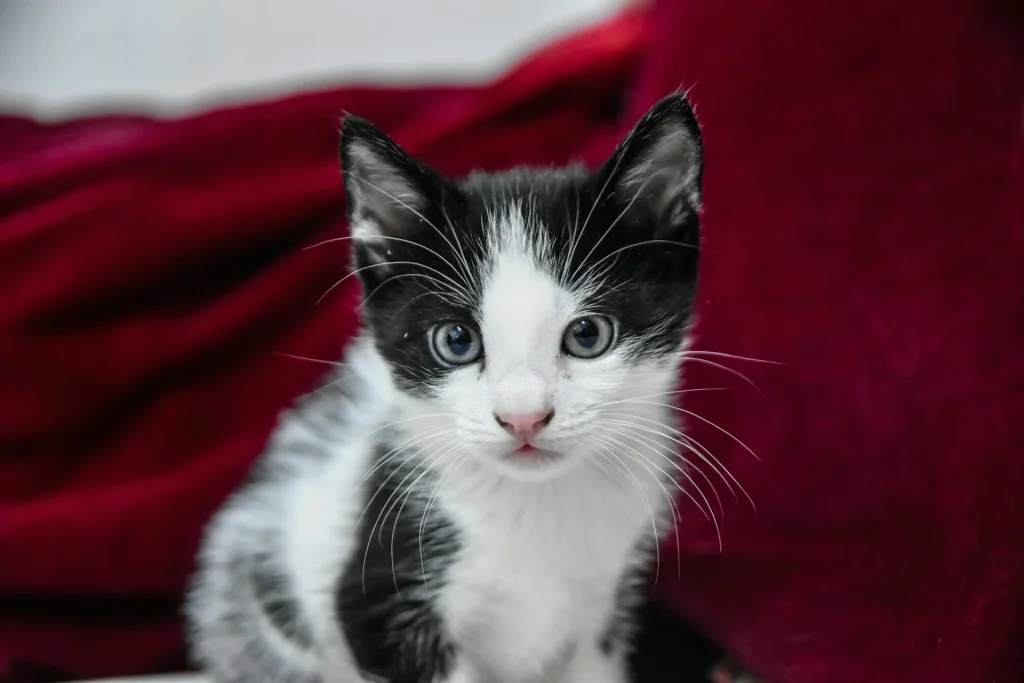
Bicolor cats have two colors on their coat, often white with black or orange. Tricolor cats, also called calicos, show three colors mixed together. These colors create beautiful patches or swirls. This pattern often appears in breeds like the Turkish Van and Japanese Bobtail.
Tabby Varieties
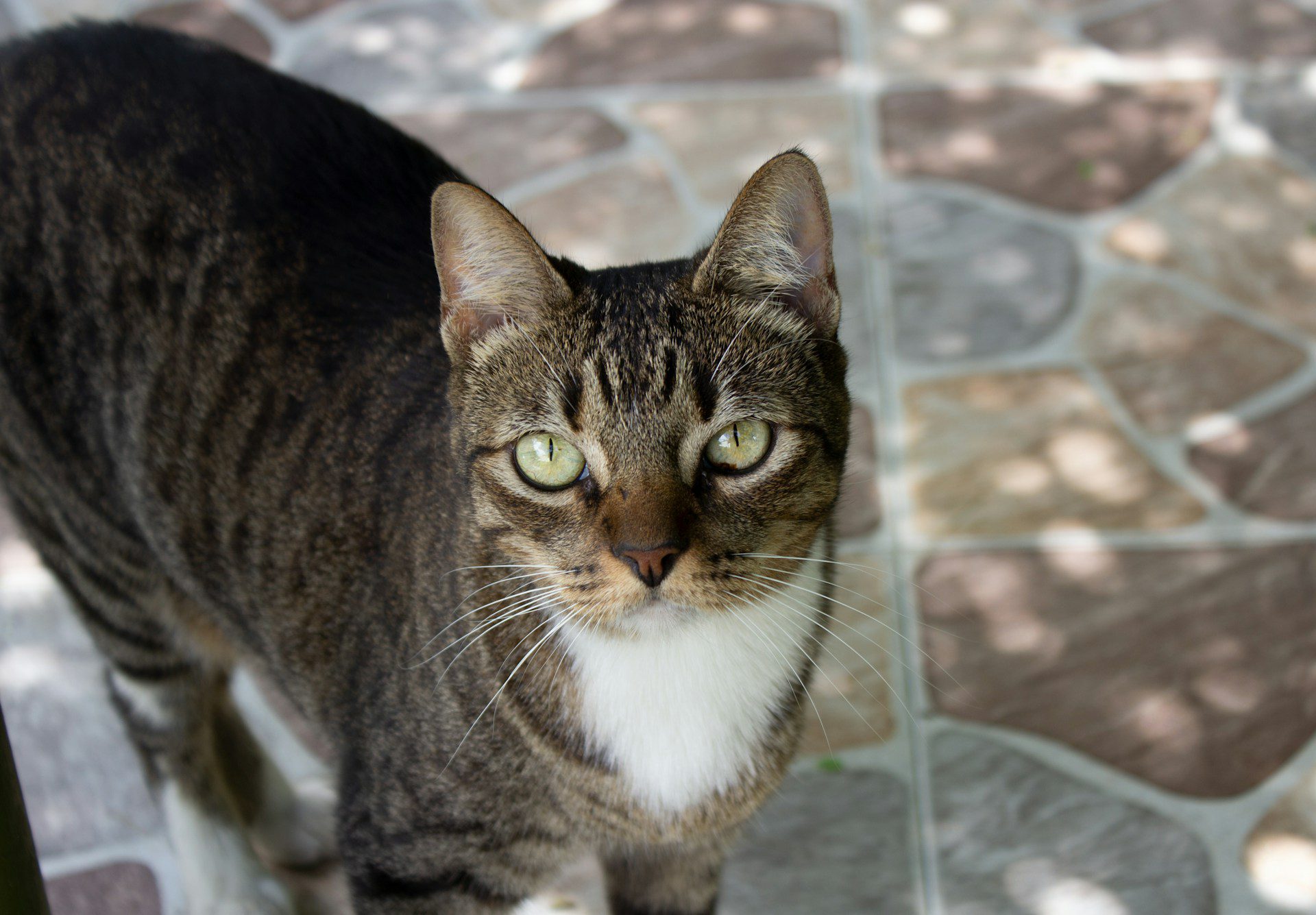
Tabby cats have striped or swirled fur patterns. Their markings form classic “M” shapes on their foreheads. There are four main tabby types:
- Classic: Broad swirls and bold lines
- Mackerel: Thin, vertical stripes
- Spotted: Small spots instead of stripes
- Ticked: Flecks of color on each hair
Tabbies are common and loved for their playful look.
Pointed Patterns
Pointed cats have darker colors on their ears, face, paws, and tail. The rest of their body is lighter. Siamese cats are the most known for this pattern. Pointed patterns create a beautiful contrast on the cat’s coat. It gives a sleek and elegant look.
Rare And Exotic Breeds
Rare and exotic cat breeds captivate many with their unique looks and intriguing histories. These cats often stand apart because of distinctive traits that are not common in everyday feline companions. If you want a cat that sparks curiosity and admiration, these breeds might catch your eye.
Sphynx
The Sphynx is famous for its hairless appearance, which can surprise many first-time cat owners. Despite its lack of fur, this breed is known for being affectionate and warm to the touch. You might be surprised how much personality shines through their wrinkled skin and large ears.
Owning a Sphynx means you’ll need to bathe it regularly since oils aren’t absorbed by fur. Do you think you can handle the extra grooming that comes with this exotic look?
Khao Manee
Known as the “White Gem,” the Khao Manee is a rare breed from Thailand that features pure white fur and striking eyes—often blue, gold, or odd-eyed. These cats are playful and intelligent, making them excellent companions if you enjoy interactive pets.
Their rarity means they are not easy to find, and owning one is a privilege. Have you ever met a cat whose eyes seemed to hold a secret?
Serengeti
The Serengeti cat looks like a miniature leopard with its spotted coat and long legs. Created by crossing Bengals with Oriental Shorthairs, they are energetic and love to climb and explore. If you want a cat that brings a wild vibe into your home, this breed might fit perfectly.
They need plenty of playtime and space to roam, so consider your lifestyle before bringing one home. Could you keep up with such an active feline friend?
Peterbald
The Peterbald is another hairless breed but with a sleeker, more elegant body shape compared to the Sphynx. Their coat can range from bald to a peach-fuzz texture, adding to their exotic appeal. They are social cats that enjoy being around people and other pets.
Because of their delicate skin, Peterbalds require gentle care and protection from extreme temperatures. Are you ready to give a Peterbald the special attention it deserves?
Credit: www.animalclinicofwoodruff.com
Temperament Traits
Cats show a wide range of temperaments across all 71 recognized breeds. Their personality shapes how they interact with humans and other pets. Understanding these traits helps you find a cat that fits your lifestyle. Some cats love cuddles, while others prefer playtime or quiet moments alone.
Temperament can vary even within a breed, but common patterns exist. This section explores affectionate breeds, playful cats, independent types, and vocal breeds. Each group offers unique qualities to enjoy.
Affectionate Breeds
- These cats seek closeness and enjoy being petted.
- They often follow owners around the house.
- Examples include Ragdolls and Scottish Folds.
- They thrive on human attention and warmth.
Playful Cats
- Always ready for fun and games.
- They enjoy chasing toys and exploring new things.
- Bengals and Abyssinians are known for this trait.
- Ideal for active homes with plenty of stimulation.
Independent Types
- These cats prefer alone time and self-entertainment.
- They are less demanding of attention.
- Examples include Russian Blues and Chartreux.
- Perfect for owners with busy schedules.
Vocal Breeds
- Known for their frequent and loud communication.
- They use meows to express needs and moods.
- Siamese and Oriental Shorthairs often fit here.
- Great for those who enjoy chatty companions.
Care Tips By Breed
Caring for your cat means understanding the unique needs of its breed. Each of the 71 cat breeds has specific care tips that can help keep your feline friend happy and healthy. Paying attention to these details ensures you meet their grooming, exercise, health, and dietary needs effectively.
Grooming Needs
Long-haired breeds like the Maine Coon or Persian need daily brushing to prevent mats and tangles. Short-haired cats such as the Siamese usually require less frequent grooming, but regular brushing still helps reduce shedding and hairballs.
Some breeds have sensitive skin or specific coat textures, so choosing the right brush is important. For example, the Devon Rex has soft, curly fur that benefits from gentle grooming to avoid irritation.
Exercise Requirements
Active breeds like the Abyssinian or Bengal crave playtime and stimulation to stay healthy. Providing climbing trees, interactive toys, and regular play sessions helps channel their energy positively.
On the other hand, more laid-back cats such as the British Shorthair may prefer short bursts of activity followed by long naps. Understanding your cat’s natural activity level helps you create a suitable exercise routine.
Health Concerns
Some breeds are prone to specific health issues. For instance, Scottish Folds often face joint problems, so monitoring their movement and avoiding excessive jumping is key.
Regular vet checkups and early detection can prevent many breed-related illnesses. Are you aware of your cat’s genetic risks? Knowing this guides you in spotting symptoms early and managing their health better.
Dietary Recommendations
Different breeds may benefit from tailored diets. For example, the Sphynx’s higher metabolism means they often need more calories than other cats.
Weight management is crucial for sedentary breeds like the Persian, so portion control and balanced nutrition are vital. Have you noticed changes in your cat’s appetite or weight? Adjusting their diet can make a big difference in their wellbeing.
Credit: thevalleyanimalhospital.com
Choosing The Right Cat
Choosing the right cat is an important decision. Cats come in many breeds, each with unique traits. Finding a cat that fits your lifestyle and home creates a happy bond. Consider several factors before bringing a cat home. This helps ensure comfort for both you and the cat.
Living Environment
Think about your home size and surroundings. Some cats enjoy large spaces and outdoor access. Others prefer small apartments and indoor living. Quiet homes suit shy cats better than noisy places. Check if your home is safe for curious cats. Cats need a cozy, secure space to feel calm.
Family Compatibility
Match the cat’s personality with your family members. Active cats enjoy playful children and lots of interaction. Calm cats fit well with elderly or busy people. Some breeds are patient and gentle, perfect for families. Others prefer quiet time and less handling. Knowing your family’s energy helps pick the right cat.
Allergy Considerations
Cat allergies affect many people. Some breeds produce fewer allergens and cause less reaction. Hypoallergenic cats are better for sensitive individuals. Regular grooming reduces dander and allergens in the home. Testing allergy response before adoption prevents problems. Always consider health and comfort for everyone.
Activity Levels
Cats vary in energy and playfulness. High-energy cats need toys and exercise to stay happy. Low-energy cats enjoy lounging and gentle play. Match the cat’s activity with your daily routine. Busy owners may prefer calm cats needing less attention. Active people might enjoy playful cats that keep up.

Credit: www.yahoo.com
Frequently Asked Questions
What Are The Most Popular Cat Breeds Worldwide?
The most popular cat breeds include Siamese, Persian, Maine Coon, and Ragdoll. These breeds are loved for their unique looks and friendly personalities.
How Do Cat Breeds Differ In Temperament?
Cat breeds vary in temperament; some are playful, others are calm. For example, Bengals are energetic, while British Shorthairs are more relaxed and gentle.
Which Cat Breeds Are Best For Families?
Ragdolls, Maine Coons, and Scottish Folds are great for families. They are affectionate, social, and good with children, making them ideal pets.
Are There Hypoallergenic Cat Breeds?
Yes, breeds like the Siberian and Balinese produce fewer allergens. They are better suited for people with mild cat allergies.
Conclusion
Cats bring joy in many shapes and sizes. Each of the 71 breeds has unique traits and charm. Some are playful, others calm and cuddly. Knowing their differences helps you choose the right friend. Caring for cats means understanding their needs.
Whether long-haired or short, big or small, cats make great companions. Explore these breeds and find the perfect match for your home. A cat’s love is simple and pure. Enjoy the wonderful world of cats!
