

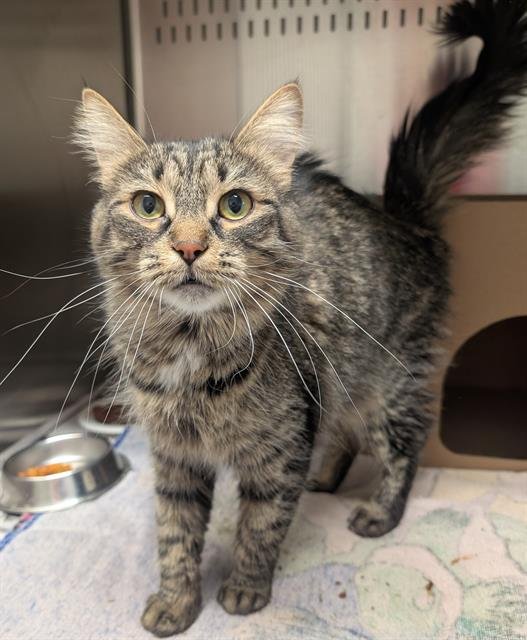
Thinking about bringing a cat into your home? Adopting an adult cat could be the perfect choice for you.
Unlike kittens, adult cats already have their personalities shaped, making it easier to find one that fits your lifestyle. You might be surprised how quickly an adult cat can become your loyal companion. Ready to discover the benefits and what to expect when adopting an adult cat?
Keep reading to learn how this decision can bring joy and comfort to both you and your new furry friend.

Credit: medium.com
Benefits Of Adopting Adult Cats
Choosing to adopt an adult cat offers unique advantages that can make your experience more rewarding and less stressful. Adult cats often come with qualities that kittens haven’t yet developed, giving you a clearer idea of their behavior and needs. Understanding these benefits can help you decide if an adult cat is the right fit for your home and lifestyle.
Calmer Temperament
Adult cats tend to have a more settled and calm nature compared to kittens. They have usually outgrown the hyperactive stage and are less likely to engage in destructive play. This calm demeanor can make your home feel more peaceful and reduce the chances of unexpected surprises from sudden bursts of energy.
Have you noticed how some cats just seem to bring a sense of tranquility? That’s often the charm of an adult cat, making them perfect companions if you prefer a quieter environment.
Established Personality
With adult cats, their personalities are already developed, so you know what you’re getting. Whether they are affectionate, independent, or playful, their true nature is easier to observe and understand. This can save you time and guesswork compared to adopting a kitten whose character is still forming.
Imagine welcoming a cat that matches your energy level and lifestyle without the trial and error. Knowing their personality helps you build a stronger bond faster.
Easier Training
Adult cats often come with basic training already in place, such as litter box use and socialization skills. This can make settling them into your home smoother and less time-consuming. If you adopt from a shelter or rescue, they may provide insights on the cat’s habits and preferences, guiding you on how to best care for them.
Wouldn’t it be great to skip some of the early challenges and enjoy your cat’s company right away? Training an adult cat is usually more straightforward, allowing you to focus more on building your relationship.

Credit: www.ottawahumane.ca
Where To Find Adult Cats For Adoption
Finding the perfect adult cat to welcome into your home starts with knowing where to look. Each source offers unique opportunities to meet cats with different backgrounds and personalities. Understanding these options will help you connect with a cat that fits your lifestyle and gives a second chance to a deserving animal.
Animal Shelters
Animal shelters are often the first place people think of when adopting a cat. These shelters care for cats that have been lost, abandoned, or surrendered by their owners. Visiting a shelter lets you meet cats face-to-face, so you can observe their behavior and get a sense of their personality.
Many shelters offer counseling to help match you with a cat that suits your home environment. They also provide health checks and vaccinations before adoption. Have you considered how meeting cats in person might change your view on which one is right for you?
Rescue Groups
Rescue groups specialize in saving cats from difficult situations, such as hoarding or abuse cases. They often foster cats in volunteers’ homes, creating a more relaxed environment for the animals. This can give you a better idea of how a cat acts in a home setting rather than a busy shelter.
Because foster families spend a lot of time with the cats, they can share detailed insights about each cat’s personality and needs. Rescue groups usually focus on specific breeds or types of cats, so you might find a particular match. Would having a foster family’s perspective make you feel more confident in your choice?
Online Adoption Platforms
Online platforms have made adopting adult cats easier and more accessible than ever. Websites list cats available from shelters and rescues across wide regions, often including photos, videos, and detailed descriptions. This allows you to browse many cats from the comfort of your home.
Some platforms offer filters for age, size, and temperament, helping you narrow down your options quickly. You can even read reviews or testimonials from previous adopters. How might seeing a cat’s personality online influence your decision before meeting in person?
Preparing Your Home For An Adult Cat
Preparing your home for an adult cat is key to a smooth transition. Adult cats need comfort and security. Setting up the right environment helps your new pet feel safe and relaxed. This step reduces stress and encourages trust.
Safe Spaces
Create quiet, cozy areas where your cat can rest undisturbed. Use soft bedding in low-traffic rooms. Cats appreciate hiding spots like boxes or covered beds. These places help them feel secure during adjustment. Avoid loud noises and sudden movements near these spaces.
Essential Supplies
Gather all needed items before your cat arrives. Important supplies include:
- Litter box with suitable litter
- Food and water bowls
- Nutritious cat food
- Scratching posts or pads
- Toys for play and mental stimulation
- Comfortable bed or blanket
Keep supplies in accessible, quiet spots. Consistency in items helps reduce anxiety.
Introducing Other Pets
Introduce new cats slowly to existing pets. Start by keeping them in separate rooms. Let them sniff each other’s scent using bedding or toys. Swap these scents daily. After a few days, allow brief, supervised meetings. Watch body language closely. Be patient; some cats take weeks to adjust.
Choosing The Right Adult Cat For You
Choosing the right adult cat means finding a companion that fits your lifestyle and home. Adult cats show clear personalities and habits. This makes it easier to pick one that matches your needs. Pay attention to their activity, health, and character. These factors help ensure a happy match for both of you.
Assessing Activity Levels
Adult cats have different energy levels. Some are playful and active. Others prefer quiet and rest. Think about your daily routine. Choose a cat whose activity fits your pace. An active cat needs more play and attention. A calm cat suits a relaxed home. Observing the cat’s behavior helps you decide.
Considering Health Needs
Adult cats may have special health needs. Some need medicine or special diets. Ask about their medical history. Know what care they require. Choose a cat whose health needs you can meet. This keeps your new friend happy and well. Regular vet visits are important for any cat.
Matching Personalities
Every cat has a unique personality. Some are shy, while others are outgoing. Think about your own personality. A quiet person might prefer a calm cat. An energetic person may enjoy a playful one. Spend time with the cat before deciding. A good match makes living together joyful.
Adjusting To Life With Your New Cat
Bringing an adult cat into your home can be both exciting and challenging. Your new companion has a unique personality shaped by past experiences, and adjusting to this change requires patience and understanding. How you handle these first few weeks will set the tone for a lasting, trusting relationship.
Building Trust
Trust doesn’t happen overnight, especially with an adult cat who might have faced hardships before. Start by giving your cat space to explore without pressure. Sit quietly nearby and let them come to you on their terms.
Try offering treats or gentle petting when they approach. This small gesture can build positive associations with you. Remember, every cat shows trust differently; some may want to sit on your lap, while others prefer to be near you without direct contact.
Establishing Routines
Cats thrive on predictability. Set regular times for feeding, play, and quiet moments. Consistent routines help your cat feel secure and reduce anxiety.
Think about your daily schedule and how your cat’s needs fit into it. You might notice your cat waiting by the door before mealtime or becoming more active in the evening. Recognizing these patterns helps you meet their needs effectively.
Recognizing Behavioral Cues
Understanding your cat’s body language unlocks clearer communication. Watch for signs like tail position, ear movement, and vocalizations. These clues tell you if your cat feels relaxed, scared, or playful.
For example, a slowly blinking cat is showing affection and trust, while flattened ears may signal discomfort. Have you noticed any unique behaviors in your new cat that surprised you? Paying close attention helps you respond appropriately and deepen your bond.
Common Challenges And Solutions
Adopting an adult cat brings joy, but it also comes with unique challenges that require patience and understanding. Each cat has its own history, health background, and personality quirks. Addressing these challenges thoughtfully will help your new companion feel safe and loved in their new home.
Dealing With Anxiety
Adult cats may feel anxious in a new environment. They might hide, refuse to eat, or act restless. You can help by creating a quiet, cozy space where your cat can retreat without interruption.
Use pheromone diffusers or sprays to calm their nerves. Spend time sitting quietly near them, letting them come to you when ready. Have you noticed your cat’s favorite spot yet? That’s a great place to add a soft blanket or familiar-smelling item.
Handling Health Issues
Adult cats often come with existing health conditions. These might include dental problems, arthritis, or allergies. Scheduling a vet checkup right after adoption can catch issues early and set a care plan in motion.
Keep a detailed record of medications, feeding times, and any special treatments. Sometimes, small changes like switching to a softer food or adjusting litter box placement can make a big difference. What health routines can you start today to keep your cat comfortable?
Managing Past Trauma
Some adult cats carry scars from past abuse or neglect. This can affect how they trust people and react to new situations. Patience is key—allow your cat to set the pace for interaction.
Positive reinforcement, like treats and gentle praise, helps build trust. Avoid forcing contact; instead, let your cat explore your presence on their own terms. Have you thought about how your tone of voice and body language could create a safe space for healing?
Long-term Care For Adult Cats
Adopting an adult cat means making a lifelong commitment to their health and happiness. Long-term care is key to helping your cat live a full, healthy life. It requires attention to their physical health, diet, and mental well-being. Understanding these needs makes a big difference.
Regular Vet Visits
Adult cats need vet check-ups at least once a year. These visits catch health problems early. Vaccinations, dental care, and parasite control are important. Older cats may need more frequent visits. Keep a record of their health and treatments.
Nutrition And Exercise
Feeding your cat balanced meals supports their health. Choose food made for adult cats with the right nutrients. Portion control helps avoid obesity, which is common in indoor cats. Encourage exercise through play to keep muscles strong. Use toys or simple activities like chasing a string.
Mental Stimulation
Mental health is as important as physical health. Adult cats need challenges to stay sharp and happy. Provide puzzle feeders or interactive toys. Change toys regularly to keep interest high. Create safe spaces for climbing and exploring indoors.

Credit: us.feliway.com
Frequently Asked Questions
What Are The Benefits Of Adopting An Adult Cat?
Adopting an adult cat means a calmer, more predictable pet. You can better understand its personality. Adult cats often require less training and adapt well to homes. Plus, you give a loving home to a cat in need.
How To Prepare Your Home For An Adult Cat?
Create a quiet, safe space with food, water, and a litter box. Remove hazards and provide cozy bedding. Introduce toys and scratching posts. This helps your new adult cat feel comfortable and secure.
How To Help An Adult Cat Adjust To Your Home?
Be patient and give the cat time to explore. Use gentle interaction and respect its space. Maintain a consistent routine with feeding and playtime. This builds trust and reduces stress during adjustment.
What Health Checks Are Important For An Adopted Adult Cat?
Ensure a full veterinary check-up, including vaccinations and parasite control. Discuss spaying or neutering if not done. Monitor for any behavioral or health changes. This ensures your adult cat stays healthy and happy.
Conclusion
Adopting an adult cat brings joy and companionship. They adapt quickly to homes. Mature cats often come with unique personalities. This can make bonding easier. They usually require less training. Adult cats can be calm and loving. Consider your lifestyle and needs.
Choose a cat that fits well. Shelters have many cats needing homes. Saving a life feels rewarding. Adoption can change both your lives. A forever friend is waiting. Start your journey today. Embrace the joy and love they offer. Make a difference for a cat in need.
