


Thinking about adopting a cat? You’re about to open your home to a furry friend who can bring endless joy, comfort, and companionship.
But before you bring that purring bundle of joy home, there are important things to consider. From choosing the right cat to preparing your space, knowing what to expect will make the experience smooth and rewarding. Keep reading to discover everything you need to know to make your cat adoption journey a happy one—for both you and your new pet.
Choosing The Right Cat
Choosing the right cat can change your life in many wonderful ways. It’s not just about picking a furry friend; it’s about finding a companion that fits seamlessly into your daily routine and personality. The decision requires thoughtful reflection on your habits, preferences, and the environment you can provide.
Assessing Your Lifestyle
Ask yourself how much time you really have to spend with a cat. Some cats need constant attention, while others are more independent. If you work long hours or travel often, a low-maintenance cat might suit you better.
Think about your living space too. Do you have a large home or a small apartment? Active breeds thrive with room to roam, while quieter cats adapt well to cozy spaces. Your energy level matters—are you ready for a playful kitten or a calm adult cat?
Considering Cat Breeds
Breed can influence a cat’s behavior and care needs significantly. For example, Siamese cats are social and vocal, perfect if you want a chatty companion. Maine Coons are gentle giants that enjoy interactive play but require regular grooming.
Research breeds that match your lifestyle. Some breeds shed less, which helps if allergies are a concern. Others might have specific health issues, so knowing these details upfront can save you heartache and vet bills.
Adopting From Shelters Vs. Breeders
Shelters offer cats of all ages and personalities, often already vaccinated and spayed or neutered. Adopting here means saving a life and giving a second chance. Many shelter cats quickly show their true character, helping you find a good match.
Buying from a breeder might allow you to select a specific breed or age, but it requires thorough vetting to avoid unethical practices. Ask breeders about health guarantees and visit their facilities if possible. Either way, your choice impacts more than just you—it shapes the future of the cat you bring home.
Preparing Your Home
Preparing your home before bringing a cat inside sets the stage for a smooth and joyful transition. Cats are curious creatures, and their new environment can feel overwhelming if it’s not properly arranged. Taking time to prepare your space shows your new pet that they are safe and welcome.
Creating A Safe Space
Start by choosing a quiet, low-traffic area where your cat can retreat and feel secure. This spot should have soft bedding, access to water, and a litter box nearby. Cats often hide when stressed, so having a cozy nook or a covered bed helps them settle in faster.
Think about how your cat will explore the rest of your home from this safe zone. Would a baby gate or a closed door help ease their introduction to new rooms? Offering a calm environment reduces anxiety and builds trust.
Essential Supplies
Gather these must-have items before your cat arrives:
- Litter box:Choose one large enough and easy to access, with unscented litter.
- Food and water bowls:Opt for stainless steel or ceramic to avoid bacteria buildup.
- Scratching post:This protects your furniture and satisfies your cat’s natural instincts.
- Toys:Interactive toys like feather wands and balls keep your cat entertained and active.
- Comfort items:Blankets or a small bed to create a familiar scent environment.
Do you have everything within your cat’s reach? Setting up these essentials properly shows you’re ready to care for their needs.
Cat-proofing Tips
Look around your home from your cat’s perspective. What small hazards might they encounter? Loose wires, toxic plants, and open windows can be dangerous for an adventurous cat.
Secure electrical cords with covers or tape to prevent chewing. Remove or relocate plants like lilies and pothos, which are toxic to cats. Ensure windows have secure screens to avoid accidental falls.
Have you checked cabinets for cleaning supplies or medications that your cat could access? Using childproof locks on cabinets can keep harmful substances out of reach. These small steps protect your pet and give you peace of mind.
Bringing Your Cat Home
Bringing your new cat home is an exciting moment. It marks the start of a new friendship. Proper care during this phase helps your cat feel safe and loved. Small steps can make a big difference in their comfort and happiness.
Transporting Your Cat Safely
Use a sturdy cat carrier for the trip. It keeps your cat secure and calm. Line the carrier with a soft blanket or towel. This adds comfort and familiar scents. Avoid feeding your cat right before travel to prevent nausea. Speak softly to soothe them during the journey. Keep the carrier stable and avoid loud noises.
Introducing To Family Members
Let your cat meet family members slowly. Start with quiet and calm interactions. Allow your cat to approach people on their own. Teach children to be gentle and patient. Avoid sudden movements or loud voices. Show respect for the cat’s space and signals. This builds trust and reduces stress.
Settling In Period
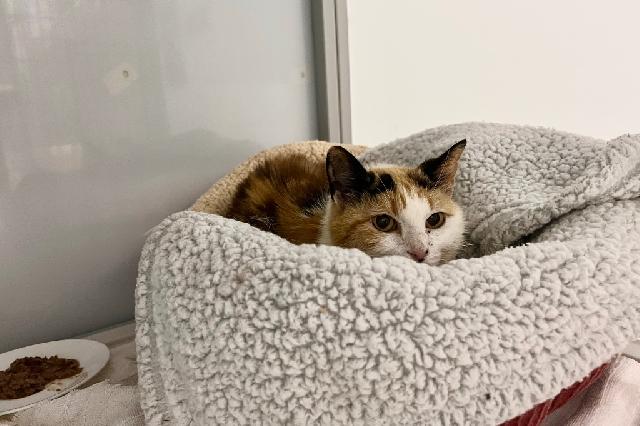
Create a quiet room with all essentials for your cat. Include food, water, litter box, and a cozy bed. Give your cat time to explore this space alone. Gradually introduce them to other parts of the home. Keep a routine for feeding and playtime. Watch for signs of stress or illness. Offer quiet affection and let your cat set the pace.
Credit: www.safehavenforcats.org
Building A Bond
Building a strong bond with your new cat is essential for a happy relationship. Trust and comfort grow over time. Patience and understanding help your cat feel safe and loved. This connection makes your home a warm place for both of you.
Understanding Cat Behavior
Cats communicate through body language and sounds. Watch their tail, ears, and eyes for clues. A slow blink shows trust. Purring means contentment, but sometimes cats purr when stressed. Respect their space if they hide or hiss. Learning these signs helps you respond gently and build trust.
Play And Interaction
Playtime strengthens your bond and keeps your cat active. Use toys like feather wands or laser pointers. Avoid using your hands to play directly; it can confuse them. Short, frequent play sessions work best. Play helps your cat release energy and feel happy. It also creates positive memories with you.
Establishing A Routine
Cats feel secure with a regular schedule. Feed them at the same times each day. Set consistent times for play and rest. A predictable routine reduces stress and builds trust. Your cat learns to expect care and attention. This routine makes your cat feel safe and loved every day.
Health And Wellness
Keeping your cat healthy and happy is at the heart of successful cat adoption. Paying close attention to their health and wellness helps build a strong bond and ensures your feline friend lives a long, joyful life. Are you ready to learn how simple care routines can make a big difference?
Regular Vet Visits
Taking your cat to the vet regularly is crucial. These visits catch health issues early, even before symptoms show. Vaccinations, dental checks, and parasite control are key parts of these appointments.
Think about this: how often do you schedule your own health checkups? Your cat needs the same attention. Keeping a calendar reminder can help you stay on track.
Nutrition And Diet
What you feed your cat impacts their energy, coat, and overall well-being. Choose high-quality cat food with the right balance of proteins, fats, and vitamins. Avoid overfeeding; obesity can lead to serious health problems.
Have you noticed how your cat reacts to different foods? Some cats have allergies or preferences that matter. Fresh water should always be available—hydration is often overlooked but essential.
Grooming Basics
Grooming isn’t just about keeping your cat looking good; it supports skin health and reduces shedding. Brush your cat regularly, especially if they have long fur. This also gives you a chance to spot any lumps, bumps, or parasites early.
Many cats enjoy gentle brushing, turning grooming into a bonding time. Nail trimming and ear cleaning are important but often missed tasks. How comfortable are you with these routines? Starting slowly helps your cat adjust.

Credit: pawsforcompassion.org
Handling Common Challenges
Adopting a cat brings joy and companionship. Challenges may arise as your new pet adjusts. Understanding these common issues helps create a peaceful home. Patience and consistent care build trust and good habits.
Dealing With Shyness Or Fear
Many cats feel shy or scared in a new place. Give your cat space to explore alone. Speak softly and avoid sudden movements. Use treats to encourage your cat to come closer. A quiet room with cozy bedding helps your cat feel safe. Time and gentle attention reduce fear and build confidence.
Managing Litter Box Issues
Litter box problems are common but fixable. Place the box in a quiet, low-traffic area. Keep the litter clean by scooping daily. Try different types of litter to find your cat’s preference. Avoid strong scents that can repel cats. If accidents happen, clean areas with enzyme cleaners to remove odors. Consistency helps your cat use the box regularly.
Addressing Scratching And Biting
Scratching and biting are natural cat behaviors. Provide scratching posts or pads to protect furniture. Encourage use by placing posts near favorite resting spots. Redirect biting with toys, not hands. Teach gentle play by stopping interaction if biting occurs. Regular playtime helps release energy and reduce unwanted behaviors.

Credit: www.homewardboundcats.org
Frequently Asked Questions
What Should I Consider Before Adopting A Cat?
Consider your lifestyle, allergies, time for care, and budget. Cats need attention, vet visits, and a safe home. Choose a cat matching your activity level and living space to ensure a happy adoption.
How Do I Prepare My Home For A New Cat?
Create a safe, quiet space with food, water, litter box, and bedding. Remove hazards and provide toys. Gradually introduce the cat to other pets and family members to help them adjust comfortably.
What Are The Benefits Of Adopting A Shelter Cat?
Adopting saves lives and reduces shelter overcrowding. Shelter cats are often vaccinated and spayed/neutered. You gain a loving pet while supporting animal welfare and giving a cat a second chance.
How Do I Choose The Right Cat For My Family?
Consider age, temperament, and activity level. Kittens need more care; adults may be calmer. Match a cat’s personality with your family’s lifestyle and preferences for a harmonious relationship.
Conclusion
Adopting a cat brings joy and companionship into your life. Cats are loving and require care. They enrich our daily routines. Their playful antics make us smile. With patience, they become loyal friends. Remember, each cat has a unique personality.
Choosing to adopt saves lives. It also reduces the number of stray animals. Your home becomes their safe haven. A bond with a cat is special. Cherish every moment with them. Make sure to provide a comfortable environment. Adopting a cat is a rewarding experience.
It fills your home with warmth and love.
