

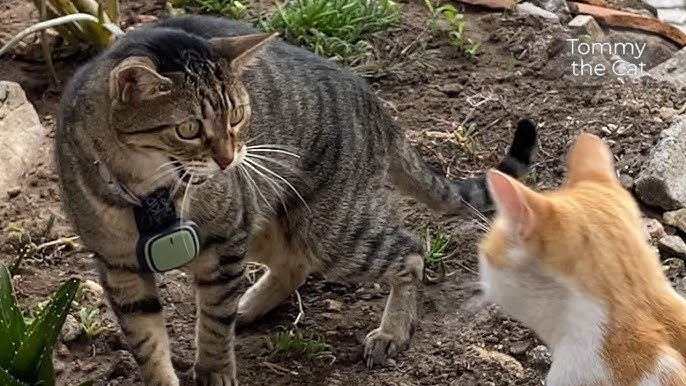
Have you ever come across a feral cat and wondered what it would be like to bring one into your home? Adopting a feral cat can be a deeply rewarding experience, but it comes with unique challenges and surprises.
If you’re thinking about giving a wild, independent cat a second chance, this guide will help you understand what to expect and how to make the transition smoother for both you and your new feline friend. Keep reading to discover how you can turn a cautious stray into a loving companion.
Origins Of Feral Cats
Understanding where feral cats come from helps you see them not just as stray animals, but as survivors shaped by their environment. These cats are often descendants of domesticated cats that were lost or abandoned. Over time, they adapt to live completely on their own, developing behaviors and traits necessary to survive outside human care.
What Makes A Cat Feral
A feral cat is different from a stray cat. While strays might still seek human contact or have had previous socialization, feral cats are wild by nature and avoid humans altogether. This behavior develops early—feral kittens raised without human interaction become fearful of people for life.
Feral cats rely heavily on instincts. Their survival depends on hunting skills, cautiousness, and the ability to find shelter in harsh conditions. Have you ever noticed how feral cats rarely approach even friendly humans? That distance is a sign of their deep-rooted independence.
Common Challenges Faced In The Wild
Living outdoors is tough for any animal, but feral cats face unique struggles every day. They must find food, avoid predators, and cope with extreme weather without any help. Food scarcity often leads them to scavenge, which can expose them to dangers like traffic or toxic substances.
Injuries and diseases are common because feral cats don’t receive vaccinations or medical care. Fighting with other animals can cause wounds that easily get infected. You might wonder how these cats continue to survive despite such hardships—it’s a testament to their resilience and adaptability.

Credit: www.reddit.com
First Contact And Trust Building
Meeting a feral cat for the first time is a delicate moment filled with anticipation and caution. Your goal is to create a safe space where the cat feels no threat. Building trust doesn’t happen overnight—it requires patience, respect, and understanding of the cat’s body language.
Approaching A Feral Cat Safely
Start by observing the cat from a distance. Sudden movements or direct eye contact can scare them away. Instead, sit quietly and let the cat get used to your presence.
Offer food to create a positive association. Place it nearby but not too close at first. Over time, move the bowl closer as the cat becomes more comfortable.
- Keep your body low and avoid looming over the cat.
- Speak softly or remain silent; loud noises can startle them.
- Use slow, gentle hand movements if you attempt to reach out.
Remember, forcing interaction too soon can damage trust. Are you ready to be patient enough to let the cat set the pace?
Gaining Initial Trust
Trust is built on consistency. Show up regularly at the same time and place to feed and gently talk to the cat. Familiarity helps the cat feel safe.
Try offering a small treat from your hand, but don’t expect the cat to take it immediately. Sometimes just sitting nearby while the cat eats is a big step forward.
Watch for subtle signs like relaxed posture or slow blinking. These moments signal the cat is starting to feel at ease.
How can you adjust your approach if the cat remains wary? Maybe giving more space or changing your routine could make a difference.
Transitioning Indoors
Transitioning a feral cat to indoor life takes patience and care. These cats are used to outdoor freedom and sudden changes can stress them. A calm, steady approach helps them feel safe inside. Creating a quiet, secure environment is vital to ease their adjustment.
Creating A Safe Space At Home
Start by setting up a small, quiet room. This space should have:
- A cozy bed or blanket for comfort
- Food and water bowls in a calm corner
- A litter box placed away from food
- Toys and scratching posts to reduce stress
Keep noise and foot traffic low in this area. Avoid sudden movements or loud sounds. Let the cat explore at its own pace. This helps build trust and reduces fear.
Introducing Basic Care And Routine
Establish a daily routine for feeding and cleaning. Cats feel safer with consistent times. Use quiet voices and gentle gestures during care. Offer food by hand to encourage bonding.
Regularly clean the litter box to maintain hygiene. Provide fresh water daily. Monitor the cat’s health and behavior closely. Patience is key as the cat adapts to indoor life.

Credit: www.reddit.com
Behavioral Changes Over Time
Adopted feral cats show clear behavioral changes over time. These changes reflect their growing trust and comfort in a new home. Understanding these shifts helps owners support their cats better. Patience is key to seeing positive progress.
Signs Of Growing Comfort
Feral cats start to relax in their new environment. They may begin exploring more areas of the house. You might notice them resting in open spaces instead of hiding. Purring or kneading can signal contentment. Playful behavior, like chasing toys, often appears as trust builds.
Encouraging Social Interaction
Social interaction can be gently encouraged without pressure. Sitting quietly near the cat allows it to get used to your presence. Offering treats by hand helps create positive associations. Speaking softly and moving slowly reduces fear. Regular, calm contact promotes bonding and friendship over time.
Health And Veterinary Care
Adopting a feral cat means paying close attention to its health. These cats have lived outdoors, facing many risks. Proper veterinary care helps them adjust to indoor life and stay healthy. Early health checks are important to catch any problems and prevent diseases. Regular visits to the vet build trust and keep your cat comfortable.
Common Health Issues
Feral cats often suffer from parasites like fleas and ticks. They may also have ear mites or worms. Respiratory infections are common due to exposure to the outdoors. Some feral cats carry viruses such as Feline Leukemia Virus (FeLV) or Feline Immunodeficiency Virus (FIV). Injuries and dental problems can also occur from fights or harsh living conditions.
- Fleas, ticks, and ear mites
- Worm infections
- Respiratory infections
- Viral infections like FeLV and FIV
- Injuries and dental issues
Vaccinations And Spaying/neutering
Vaccinations protect your cat from serious diseases. Core vaccines include rabies and feline distemper. Non-core vaccines depend on your cat’s lifestyle and risk factors. Spaying or neutering is vital to control the feral cat population. It also improves behavior and health. The procedure reduces the risk of some cancers and infections. Talk to your vet about a vaccination schedule and surgery timing.
Emotional Impact On Adopters
Adopting a feral cat can stir a complex mix of emotions. You might feel joy, frustration, hope, and sometimes even doubt. These feelings reflect the unique journey of welcoming a wild soul into your home.
Building A Bond
Connecting with a feral cat takes time and patience. Unlike typical pets, these cats often start with fear or mistrust. You might spend days or weeks simply sitting quietly, letting the cat observe you from a distance.
When the cat finally approaches or accepts a gentle touch, the sense of achievement is powerful. That moment proves your effort is making a difference. It also strengthens your emotional connection in a way few other adoptions can.
Rewards And Challenges
The rewards of adopting a feral cat go beyond companionship. You get to witness a transformation—from a scared animal to a confident pet. This change brings a deep sense of fulfillment and pride.
However, challenges are part of the process. You may face setbacks like the cat hiding for days or reacting fearfully to sudden noises. These moments test your patience and commitment.
Ask yourself: Are you ready for the emotional ups and downs? The journey is not just about saving a cat; it’s about changing both your lives in unexpected ways.
Success Stories And Inspiration
Adopting a feral cat can change lives for both the cat and the owner. Many feral cats start shy and scared but grow into loving companions. These success stories inspire others to give feral cats a chance. Witnessing the transformation brings hope and joy.
Examples Of Transformed Lives
- One cat named Luna was fearful and hid for weeks. Now, she cuddles on laps daily.
- Max avoided humans at first but now greets visitors with purrs and head bumps.
- After rescue, Bella slowly learned to trust and play, becoming a cheerful family member.
- Shadow moved from the streets to a warm home, showing affection and curiosity.
- Many feral cats become calm pets with patience, kindness, and care.
Tips For Future Adopters
- Start with a quiet space for the cat to feel safe.
- Give the cat time to explore and adjust without pressure.
- Use gentle voices and slow movements to build trust.
- Offer tasty food to create positive experiences.
- Be patient; some cats take weeks or months to open up.
- Play with toys to engage and bond with the cat.
- Consult a vet for advice on health and behavior.
- Celebrate small progress to stay motivated.

Credit: fcpga.org
Frequently Asked Questions
What Is An Adopted Feral Cat?
An adopted feral cat is a wild cat rescued and brought into a home. These cats often need time to adjust to indoor life and humans. Adoption helps reduce feral populations and provides the cat with care and safety.
How To Socialize A Feral Cat After Adoption?
Socialize a feral cat by being patient and gentle. Use soft voices and slow movements. Provide food and safe space to build trust. Gradually increase interaction over weeks or months until the cat feels comfortable.
Are Adopted Feral Cats Good Indoor Pets?
Yes, adopted feral cats can become loving indoor pets. They need time to adapt but can bond well with owners. Providing enrichment and a calm environment helps them thrive indoors.
What Health Care Do Adopted Feral Cats Need?
Adopted feral cats require vaccinations, spaying/neutering, and parasite control. A vet checkup ensures they are healthy and free from diseases. Regular health care keeps them safe and comfortable in their new home.
Conclusion
Adopting a feral cat brings joy and challenges. They need patience and love. With time, they become loving companions. Their loyalty will amaze you. Remember, every cat is unique. Each one has its own personality. Provide a safe, calm environment for them.
This helps build trust. Enjoy the journey of friendship. Your bond will grow every day. Celebrate every small victory together. Adopt a feral cat and make a difference. They deserve a second chance. Your kindness gives them hope. Embrace the adventure and cherish these special moments.
