


Are you ready to welcome a gentle, beautiful companion into your home? Adopting a Persian cat could be the perfect choice for you.
With their luxurious fur and calm nature, Persian cats offer more than just a pet—they bring warmth and comfort to your daily life. Imagine the joy of having a loving friend who’s always there to brighten your day. Keep reading to discover why adopting a Persian cat might be the best decision you ever make—and how it can transform your life in the most delightful ways.
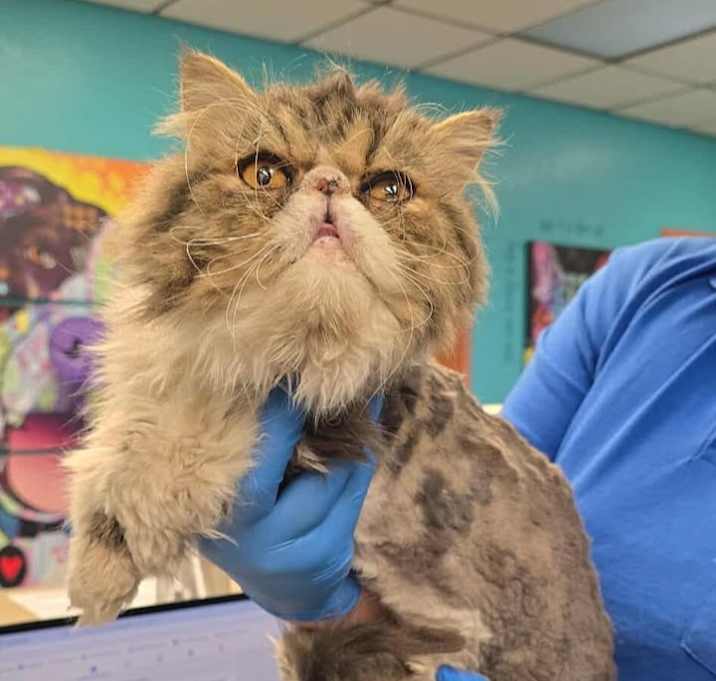
Credit: www.adoptapet.com
Choosing The Right Persian Cat
Choosing the right Persian cat is a decision that goes beyond just their beautiful appearance. You want a companion that fits your lifestyle and brings joy for years to come. Understanding the different types, knowing where to find trustworthy breeders or adoption centers, and considering health and temperament are key factors to make a choice you’ll cherish.
Types Of Persian Cats
Persian cats come in various types, each with distinct features and care needs. Traditional Persians, often called “Doll Face,” have a longer nose and less flat face, which can mean fewer breathing issues. On the other hand, the “Peke-Face” Persian has a very flat face and large, round eyes, offering a unique look but sometimes more health challenges.
Color and coat patterns add another layer of variety. From solid colors like white or black to patterns such as calico, bicolor, or shaded, your choice will influence grooming and maintenance. Think about which coat colors appeal to you but also consider how much time you can dedicate to brushing and care.
Evaluating Breeders And Adoption Centers
Finding a reputable breeder or adoption center is crucial to ensure the Persian cat you bring home is healthy and well-socialized. Ask breeders detailed questions about the cat’s lineage, health screenings, and living conditions. A responsible breeder will welcome your inquiries and provide transparent information.
Visiting adoption centers can also be rewarding. Many Persians in shelters need loving homes. Observe how cats behave in these environments—are they calm and approachable? This can be a good sign of a balanced temperament. Don’t hesitate to ask about medical history and behavioral assessments.
Health And Temperament Considerations
Persian cats can be prone to certain health issues like respiratory problems, kidney disease, and dental concerns. Check if the cat has been screened for common conditions. It’s worth investing time to review medical records or consult a vet before making your decision.
Temperament is just as important. Persians are known for their gentle and affectionate nature, but individual personalities vary. Spend time interacting with the cat to see if they are playful, shy, or independent. How will this personality fit into your home and daily routine?
Preparing Your Home
Getting your home ready for a Persian cat means thinking about more than just space. You want a place that feels safe and welcoming for your new furry friend. This preparation helps your cat settle in quickly and reduces stress for both of you.
Essential Supplies For Your Cat
Start with the basics that your Persian cat will need every day. Quality food and water bowls are important—choose ones that are sturdy and easy to clean. A litter box with low sides works well, especially for cats that might struggle with mobility at first.
- Soft bedding or a cozy cat bed
- Grooming tools like a metal comb and nail clippers
- Interactive toys to keep your cat entertained
- Scratching posts to protect your furniture
Have you thought about how often you’ll groom your Persian? Regular brushing is key to avoid mats in their long fur.
Creating A Safe And Comfortable Space
Designate a quiet corner or a small room where your cat can relax and feel secure. This helps them adjust without feeling overwhelmed by a large new environment. Make sure the space is free from hazards like wires or small objects they could swallow.
Temperature matters too—Persians prefer moderate warmth. Consider placing their bed away from drafts or direct sunlight.
Think about adding a window perch. Cats love to watch outside, and it gives them mental stimulation without stress.
Introducing Your Cat To Family And Pets
Introduce your Persian cat slowly to other family members and pets. Let your cat explore at their own pace without forcing interactions. Watch their body language carefully to know when they need a break.
When you have other pets, keep initial meetings short and calm. Use scent swapping by exchanging bedding or toys to help them get used to each other’s presence.
Have you planned how to manage your cat’s space if tensions rise? A separate feeding area or safe room can make all the difference in keeping peace.
Daily Care And Grooming
Caring for a Persian cat goes beyond just feeding and playing. Their luxurious coats and delicate features demand attention and routine care to keep them healthy and happy. Understanding daily grooming essentials can save you time and prevent common problems like matting and skin issues.
Brushing And Coat Maintenance
Persian cats have thick, long fur that tangles easily. You should brush your cat every day to prevent mats and remove loose hair. Use a wide-tooth comb first, then a fine-tooth comb to catch any hidden knots.
Brushing also helps distribute natural oils, keeping their coat shiny and soft. If your cat resists brushing, try rewarding them with treats or gentle strokes to make it a positive experience. Have you noticed how much calmer your Persian becomes after a good brushing session?
Bathing Tips For Persians
Bathing isn’t needed often but is necessary every few weeks to keep your Persian’s coat clean and free of oils. Use a cat-specific shampoo that’s gentle and hypoallergenic. Avoid getting water in their eyes and ears during the bath.
Dry your cat thoroughly with a towel and a low-heat blow dryer, which helps prevent cold and fur clumping. If your Persian dislikes baths, try breaking the process into smaller steps or having a helper hold your cat gently but firmly. Could a calm environment make bath time easier for your furry friend?
Nail Trimming And Ear Cleaning
Trimming your Persian’s nails every two weeks prevents overgrowth and scratching injuries. Use a pet nail clipper and avoid cutting too close to the quick, which can cause pain and bleeding.
Check their ears weekly for dirt, wax, or signs of infection. Clean the outer ear with a damp cotton ball or a vet-recommended ear cleaner. Never insert anything deep into the ear canal, as this can cause damage.
Regular nail and ear care keeps your cat comfortable and reduces vet visits. How confident do you feel about handling these tasks yourself?
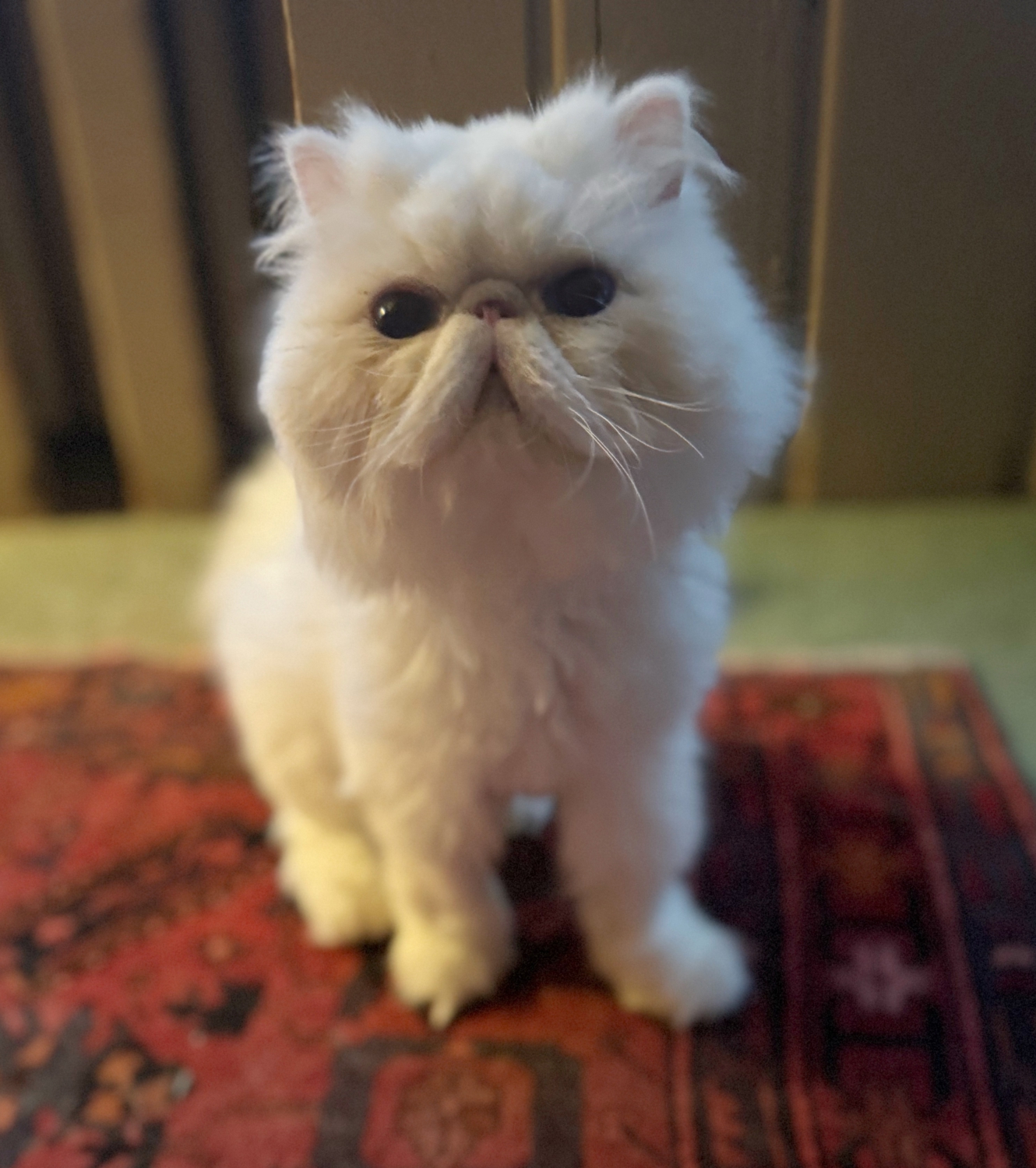
Credit: purebredcatrescue.org
Nutrition And Feeding
Proper nutrition is vital for Persian cats to stay healthy and active. Their unique body type and thick coat need special care through diet. Feeding them well supports their energy, digestion, and skin condition.
Understanding what to feed and how much helps maintain their ideal weight. It also prevents common health problems. Let’s explore key tips on feeding your Persian cat.
Choosing The Best Diet
Select food rich in protein to support muscle and coat health. Look for ingredients like chicken, turkey, or fish. Avoid fillers such as corn and soy, which offer little nutrition.
Wet food helps with hydration and is easier for Persians to chew. Dry food supports dental health but needs more water intake. A mix of both often works best.
Consult a vet about special diets if your cat has allergies or health issues. High-quality commercial cat food ensures balanced nutrition.
Feeding Schedules And Portions
Feed your Persian cat small meals two to three times daily. This prevents overeating and aids digestion. Measure portions according to the cat’s weight and activity level.
Keep a consistent feeding routine to reduce stress and encourage good habits. Avoid free feeding, which can lead to obesity. Adjust portions as your cat ages or changes activity.
Hydration And Treats
Fresh water must always be available to keep your cat hydrated. Persian cats enjoy running water, so a cat water fountain might help. Proper hydration supports kidney and urinary health.
Offer treats sparingly, not more than 10% of daily calories. Choose healthy treats, like small pieces of cooked meat or commercial cat treats. Avoid human foods that can be harmful.
Health And Wellness
Taking care of a Persian cat means paying close attention to their health and wellness. These beautiful cats need special care to stay happy and strong. Understanding their unique health needs helps you give them the best life possible.
Common Health Issues
Persian cats often face certain health challenges due to their breed traits. Respiratory problems are common because of their flat faces, which can make breathing harder than usual.
Eye infections and tear staining happen frequently too. You’ll want to watch for excessive tearing or redness, as these could indicate an issue needing care.
Kidney disease and heart problems can also affect Persians as they age. Spotting symptoms early, like changes in appetite or energy, makes a big difference in treatment success.
Regular Vet Visits
Scheduling regular vet visits is essential for your Persian’s health. These appointments help catch problems before they become serious.
During check-ups, vets can assess your cat’s breathing, eyes, and overall condition. They also check for weight changes and dental health, which many owners overlook.
Think of vet visits as your chance to ask questions and get advice tailored to your cat’s specific needs. How often you visit depends on your cat’s age and health, but at least once a year is a good rule of thumb.
Vaccinations And Preventive Care
Vaccinations protect your Persian from common infectious diseases. Your vet will recommend a schedule based on your cat’s lifestyle and environment.
Preventive care also includes flea control, dental cleanings, and proper nutrition. These small steps can prevent bigger health problems down the road.
Have you thought about how preventive care fits into your daily routine? Simple actions like brushing your cat’s teeth or checking their coat can boost their wellness significantly.
Behavior And Training
Understanding the behavior and training needs of a Persian cat helps create a happy home. These cats have unique traits that affect how they act and learn. Patience and gentle guidance are key to building trust and good habits.
Understanding Persian Cat Personality
Persian cats are calm and gentle by nature. They enjoy quiet environments and often prefer to relax rather than play actively. These cats form strong bonds with their owners and seek affection in soft, calm ways. They may be shy around strangers but warm up with time. Knowing their peaceful personality helps in setting realistic training goals.
Litter Box Training
Persian cats usually learn litter box use quickly. Start with a clean, easy-to-access box placed in a quiet corner. Use unscented, clumping litter for comfort. Show the cat the box after meals and naps to build a routine. Clean the box daily to avoid odors and discourage accidents. Positive reinforcement, like gentle praise, encourages repeat success.
Encouraging Positive Behavior
Reward good actions with soft praise or treats. Avoid loud noises or punishment, which can scare these sensitive cats. Offer cozy resting spots to prevent scratching furniture. Provide toys to stimulate gentle play. Consistency in responses helps the cat understand expectations. A calm, loving approach supports lasting positive habits.
Enrichment And Playtime
Persian cats enjoy calm and gentle play that suits their laid-back nature. Enrichment helps keep them happy and healthy. Playtime is essential for their physical and mental well-being. It also strengthens the bond between you and your cat.
Toys And Activities
Choose soft toys, feather wands, and small balls for your Persian cat. They prefer gentle batting and chasing over rough play. Puzzle feeders are great for mealtime enrichment. Scratching posts keep their claws healthy and provide exercise. Rotate toys often to keep your cat interested.
Interactive Play Ideas
- Use feather wands to mimic bird movements.
- Try laser pointers for short bursts of chasing fun.
- Hide treats in puzzle toys to encourage problem-solving.
- Create simple obstacle courses with pillows or boxes.
- Spend 10–15 minutes daily on focused play sessions.
Keeping Your Cat Mentally Stimulated
Mental exercise is as important as physical activity. Training your Persian cat with gentle commands or tricks can boost their brain power. Change the environment by moving furniture or adding new toys. Use interactive feeders to slow eating and engage their minds. Regular enrichment reduces stress and boredom in indoor cats.

Credit: www.adoptapet.com
Frequently Asked Questions
What Should I Know Before Adopting A Persian Cat?
Persian cats need daily grooming due to their long fur. They require a calm environment and regular vet care. Understanding their health and personality helps ensure a happy adoption.
How Much Does Adopting A Persian Cat Typically Cost?
Adoption fees vary by shelter but usually range from $50 to $150. Additional costs include grooming, food, and vet visits. Budgeting for care is essential before adopting a Persian cat.
Are Persian Cats Good With Children And Other Pets?
Yes, Persian cats are generally gentle and friendly. They adapt well to calm children and other pets if introduced slowly. Their calm nature makes them great family companions.
What Health Issues Are Common In Persian Cats?
Persian cats often face respiratory and eye problems due to their flat faces. They may also have kidney or heart issues. Regular vet checkups help detect and manage these conditions early.
Conclusion
Adopting a Persian cat brings joy and companionship into your life. Their gentle nature makes them perfect for families. Regular grooming keeps their fur beautiful and healthy. These cats enjoy cozy naps and quiet moments. A loving home keeps them happy and content.
Consider the long-term commitment before adoption. Your new furry friend will fill your days with warmth. Embrace the unique charm of a Persian cat. They truly become a cherished family member.
