

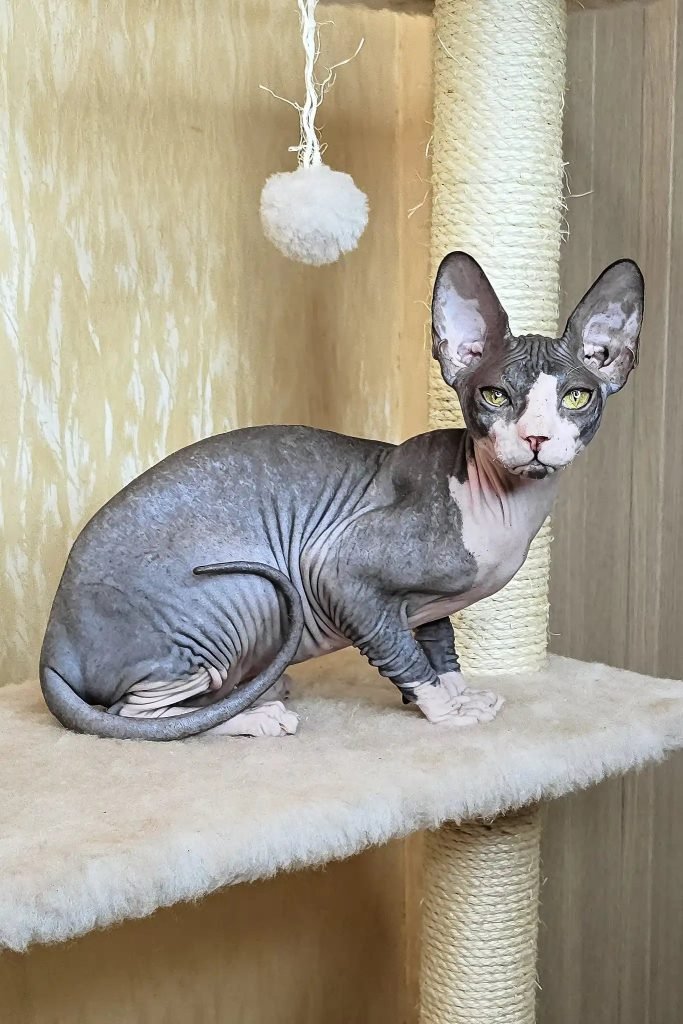
Are you thinking about adding a unique and loving pet to your home? Adopting a hairless cat might be the perfect choice for you.
These special cats are not only striking in appearance but also full of personality and affection. If you want a pet that stands out and offers a close bond without the hassle of shedding fur everywhere, this could be exactly what you need.
Keep reading to discover why a hairless cat could be the ideal companion for you and how to make the adoption process smooth and rewarding.

Credit: www.kittensup4sale.com
Why Choose A Hairless Cat
Choosing a hairless cat brings many special benefits to pet owners. These cats offer a mix of style, personality, and practical advantages. They stand out from other cats in a room. Their unique looks and friendly nature attract attention. Beyond appearance, hairless cats suit people with allergies better. They provide companionship full of warmth and charm.
Unique Appearance And Charm
Hairless cats have a striking and unusual look. Their smooth skin and large ears catch the eye. They have a sleek, elegant body that feels soft to touch. Their wrinkles and big eyes give them a curious, playful face. This rare look makes them a conversation starter. Many owners enjoy showing off their cat’s distinct beauty.
Allergy-friendly Qualities
Hairless cats produce fewer allergens than other cats. They have little to no fur to trap dust and dander. This can reduce allergic reactions in sensitive people. Bathing them regularly keeps their skin clean and fresh. While not fully hypoallergenic, they are easier to live with. People with mild allergies can often enjoy these cats comfortably.
Personality Traits
Hairless cats are loving and social animals. They enjoy being close to their owners and other pets. They are playful and curious, always exploring their home. These cats often seek warmth and cuddle a lot. They form strong bonds and show affection openly. Their friendly and gentle nature makes them great companions.

Credit: www.thinksphynxcattery.com
Popular Hairless Cat Breeds
Hairless cats have a unique charm. Their smooth skin and big personalities make them special pets. Several breeds stand out for their hairless traits. Each breed offers a different look and temperament. Understanding these popular hairless cat breeds helps in choosing the right one for your home.
Sphynx
The Sphynx is the most famous hairless cat breed. It has a muscular body and large ears. Its skin feels warm and soft to touch. Sphynx cats are friendly and love human company. They enjoy playing and being the center of attention.
Peterbald
Peterbald cats come from Russia. They have slender bodies and long legs. Their skin can be fully hairless or have a short fuzz. These cats are active and curious. They bond closely with their owners.
Donskoy
Donskoy cats also come from Russia. They have wrinkled skin and a strong build. Some Donskoys have a soft coat, while others are fully hairless. This breed is calm and affectionate. They enjoy quiet times and gentle play.
Bambino
Bambino cats are small and compact. They are a mix of Sphynx and Munchkin breeds. Bambinos have short legs and no hair. They are playful and love to cuddle. Their unique look makes them stand out in any room.
Preparing Your Home
Preparing your home for a hairless cat requires special attention to their unique needs. These cats don’t have fur to protect them from cold or rough surfaces, so setting up a cozy, safe space is key. Thoughtful preparation helps your new feline friend feel secure and loved from day one.
Creating A Warm Environment
Hairless cats can get cold easily, even in moderate indoor temperatures. You’ll want to keep your home warm, ideally around 70-75°F (21-24°C). Using space heaters safely or heating pads designed for pets can make a big difference.
Adding soft blankets and heated beds gives your cat places to snuggle and stay warm. Don’t forget to check for drafts near windows or doors where cold air might sneak in. Have you noticed how your cat curls up more when it’s chilly? That’s a clear sign they need extra warmth.
Safe Spaces And Comfort
Hairless cats need quiet, cozy places to retreat. Create small hideouts using cat tents, boxes, or covered beds. These spots help your cat feel protected and reduce stress.
Place these safe zones in low-traffic areas where your cat won’t be startled by loud noises or sudden movements. Think about your cat’s personality—do they prefer high perches or ground-level spaces? Catering to their preferences builds trust and comfort.
Essential Supplies
Make sure you have all the right supplies before bringing your hairless cat home. Essential items include:
- Soft, washable bedding that’s easy to clean
- Gentle, hypoallergenic cat shampoo for regular skin care
- Moisturizing wipes or creams recommended by your vet
- Sun protection solutions if your cat will be near windows or outdoors
- Scratching posts and toys to keep your cat active and entertained
Have you ever thought about how a cat’s skin care differs from a furred cat’s? Regular bathing and moisturizing are crucial to prevent dryness and irritation. Preparing these supplies ahead of time makes your transition smoother and shows your cat you care deeply about their well-being.
Daily Care Tips
Taking care of a hairless cat is a unique experience that demands attention to their specific needs. Their exposed skin and active personalities mean daily care is essential to keep them happy and healthy. Let’s dive into the practical tips that will help you provide the best care for your hairless friend.
Skin Care And Bathing
Hairless cats produce natural oils that can build up on their skin. Without fur to absorb these oils, regular bathing is necessary to prevent greasy patches and skin irritation.
Use a gentle, fragrance-free cat shampoo designed for sensitive skin. Bathing once every one to two weeks usually works well, but watch your cat’s skin for signs of dryness or redness.
After a bath, gently pat your cat dry with a soft towel. Avoid using blow dryers as their skin is delicate and can easily become irritated by heat.
Feeding And Nutrition
Your hairless cat’s metabolism runs faster than other cats because they use energy to keep warm. This means they often need more calories and a balanced diet rich in protein.
Provide high-quality cat food that lists meat as the first ingredient. You might notice your cat eating a bit more, which is perfectly normal given their higher energy needs.
Fresh water should always be available. Some owners find that offering wet food helps with hydration, especially if their cat isn’t a big drinker.
Exercise And Play
Hairless cats are playful and curious, requiring regular physical activity to stay fit and mentally stimulated.
Interactive toys such as feather wands and laser pointers work great to encourage movement. Set aside time each day to engage your cat in play—it strengthens your bond and keeps them active.
Consider creating climbing spaces or cozy nooks around your home. These enrich your cat’s environment and satisfy their natural instincts to explore and rest.
Health Considerations
Adopting a hairless cat brings unique health needs. These cats require special care to stay healthy and happy. Understanding their health considerations helps provide the best care possible.
Common Health Issues
Hairless cats can face skin problems because they lack fur. Their skin can get dry, oily, or prone to infections. They may also have sensitive eyes and ears that need regular cleaning. Some breeds have genetic issues like heart disease or joint problems.
Regular Vet Visits
Frequent check-ups are important for early health problem detection. A vet will monitor skin condition and overall health. Vaccinations and parasite control should stay up to date. Regular visits help catch issues before they become serious.
Preventive Measures
- Apply gentle moisturizer to prevent dry skin.
- Use sunscreen when your cat spends time in sunlight.
- Clean ears and eyes carefully to avoid infections.
- Maintain a balanced diet to support skin health.
- Provide a warm, draft-free environment for comfort.
Building A Bond
Building a strong bond with your hairless cat takes patience and genuine attention. These unique pets crave connection and respond well to your consistent efforts. The closer you understand their nature, the deeper your relationship will grow.
Socialization Strategies
Hairless cats thrive on interaction, but they may be shy at first. Start by spending quiet time near them, letting them get used to your presence without pressure.
Try gentle play sessions using toys that encourage movement, like feather wands or laser pointers. This helps your cat associate you with fun and safety.
Invite friends or family over gradually, so your cat adapts to new people without stress. Have you noticed how some cats warm up faster when you stay calm and patient?
Understanding Their Behavior
Hairless cats often show affection differently. They might seek warmth, curling up on your lap or snuggling under blankets.
Watch for subtle signs like tail flicks or ear movements to know when they’re curious or uncomfortable. This helps you respond appropriately and build trust.
Remember, their skin is sensitive, so they may avoid rough petting. How often do you check your cat’s reactions during touch to make sure they’re comfortable?
Training Basics
Training your hairless cat can be rewarding and strengthens your bond. Use treats and praise to encourage simple commands like “come” or “sit.”
Keep training sessions short and consistent to avoid overwhelming your cat. You might be surprised how quickly they learn when you stay positive.
Use clicker training or gentle verbal cues to mark good behavior. Are you ready to turn training into a fun daily ritual that both you and your cat look forward to?
Adoption Process
Adopting a hairless cat is a special journey that requires careful thought and preparation. Each step you take brings you closer to welcoming a unique feline friend into your life. Understanding the adoption process helps you ensure a smooth transition for both you and your new companion.
Finding Reputable Breeders And Rescues
Start by researching breeders and rescue organizations that specialize in hairless cats, such as the Sphynx breed. Look for those with strong reputations, positive reviews, and clear health guarantees. Visiting in person or checking virtual tours can give you a real sense of their care standards.
Rescues might have fewer cats available but often provide detailed histories and health information. Connecting with breed-specific clubs or forums can also guide you to trusted sources. Remember, a reputable breeder or rescue prioritizes the cat’s health and temperament over quick sales.
Questions To Ask
Prepare questions that uncover the cat’s medical history, personality, and socialization experiences. Ask about vaccinations, any known health issues, and how the cat reacts to people and other animals. Don’t hesitate to inquire about the breeder’s or rescue’s return policy—this shows their confidence in placing cats in good homes.
Consider asking about the cat’s daily routine and dietary needs, especially since hairless cats may require special care. What kind of environment has the cat been raised in? These details help you anticipate adjustments you’ll need to make at home.
Bringing Your Cat Home
Prepare a quiet, cozy space before your cat arrives. Hairless cats are sensitive to temperature changes, so a warm spot with soft blankets is essential. Bring familiar scents, like a blanket or toy from the breeder or rescue, to ease the transition.
Introduce your cat slowly to your home and family members, allowing them time to explore and adjust at their own pace. Monitor their behavior closely during the first few days for signs of stress or discomfort. Are you ready to provide the gentle care this special breed needs to thrive?

Credit: www.kittensup4sale.com
Frequently Asked Questions
What Are The Benefits Of Adopting A Hairless Cat?
Hairless cats are hypoallergenic, making them ideal for allergy sufferers. They require less grooming and shed minimally. Their unique appearance attracts many pet lovers. They also tend to be affectionate, social, and playful, enhancing companionship.
How Do I Care For A Hairless Cat?
Hairless cats need regular skin cleaning to remove oils. Protect them from sunburn and cold weather. Provide a balanced diet and fresh water daily. Regular vet check-ups help maintain their health and well-being.
Are Hairless Cats Good For Families With Allergies?
Yes, hairless cats produce fewer allergens than typical cats. Their minimal shedding reduces allergic reactions. However, some allergy sufferers may still react, so spending time with the cat beforehand is recommended.
What Makes Hairless Cats Unique Compared To Other Cats?
Hairless cats have no fur or very fine hair, giving them a distinct look. They have warmer skin and require special care. Their playful and affectionate nature also sets them apart from other breeds.
Conclusion
Adopting a hairless cat can enrich your life in many ways. These unique pets offer companionship and joy. Their playful nature keeps you entertained. Caring for them builds a special bond. These cats thrive with love and attention. They fit well in cozy homes.
Their grooming needs are simple, yet rewarding. Hairless cats can teach patience and empathy. They are loyal friends for years to come. Embrace the journey with your new feline companion. Enjoy the warmth and affection they bring. Your home will feel complete with a hairless cat.
