

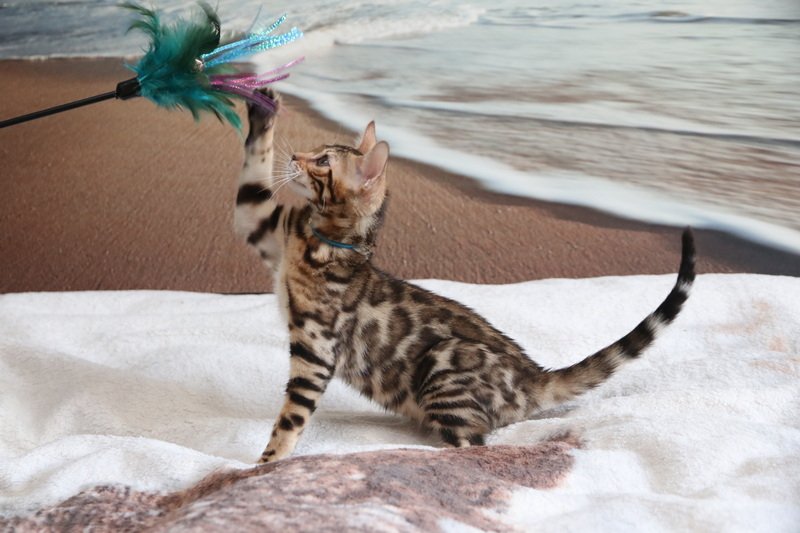
Are you thinking about adding a new furry friend to your home? Bengal cats might be exactly what you’re looking for.
With their striking spotted coats and playful personalities, Bengals stand out from the crowd. But there’s more to these beautiful cats than just their looks. If you want a pet that brings energy, affection, and a touch of the wild into your life, adopting a Bengal cat could be the perfect choice.
Keep reading to discover why Bengals make amazing companions and how you can bring one into your family today.
Why Choose Bengal Cats
Bengal cats offer a unique blend of beauty, energy, and companionship. Their charm attracts many pet lovers. Choosing a Bengal cat means welcoming a lively and loving friend into your home. Understanding their special traits helps in making the right choice.
Exotic Appearance And Personality
Bengal cats have a striking look. Their coats resemble wild leopards with spots and rosettes. This exotic pattern makes them stand out from other cats.
Their personality matches their looks. Bengals are curious and playful. They enjoy exploring and interacting with people. Their confident nature often surprises new owners.
Active And Intelligent Traits
Bengals are highly active cats. They love climbing, running, and playing. Toys and puzzles keep them engaged.
Their intelligence is impressive. They learn tricks quickly and respond to training. Mental stimulation is important to keep them happy.
Suitability For Families
Bengal cats fit well into family life. They bond closely with family members. Their playful energy matches children’s enthusiasm.
These cats enjoy social interaction. They do well with other pets if introduced properly. Bengals need attention but give love in return.
Preparing Your Home
Getting your home ready for a Bengal cat means thinking about their natural energy and curiosity. Bengals are active and love to explore, so your space should be inviting and safe for their playful nature. This preparation can help your new furry friend feel comfortable and happy from day one.
Safe Spaces And Climbing Areas
Bengal cats need spots where they can climb and observe their surroundings. Adding cat trees, shelves, or window perches gives them vertical space to jump and relax. These areas also help reduce stress by giving your cat a safe retreat when they want some quiet time.
Think about your furniture and household items. Can your Bengal safely jump on your sofa or kitchen counters? Removing fragile or dangerous objects from their usual paths keeps both your belongings and your cat safe. Have you noticed your cat’s favorite spots yet? Creating similar spaces helps them settle in quickly.
Toys And Enrichment
Keeping a Bengal entertained is key to preventing boredom and destructive behavior. Stock up on a variety of toys such as feather wands, laser pointers, and puzzle feeders. Rotate these toys regularly to maintain your cat’s interest and challenge their intelligence.
Interactive playtime strengthens your bond and keeps your Bengal physically fit. Try hiding treats inside toys or boxes to encourage their hunting instincts. Have you considered setting up a play schedule? Consistent play sessions can help balance your cat’s energy.
Litter Box Setup
Choosing the right litter box is more than just size; Bengals prefer clean, easily accessible spots. Place the litter box in a quiet, low-traffic area to give your cat privacy. Make sure the box is large enough for your Bengal to turn around comfortably.
Use unscented, clumping litter to keep odors down and make cleaning easier. Scoop the box daily and wash it weekly to maintain hygiene. Have you noticed if your cat avoids the litter box? Sometimes location or litter type needs adjusting to keep them comfortable.
Feeding Bengal Cats
Feeding Bengal cats requires attention to their unique energy and health needs. These active cats thrive on a diet that supports their muscular build and playful nature. Providing the right nutrition helps maintain their shiny coat and sharp mind.
Balanced Diet Essentials
Bengal cats need a mix of proteins, fats, and carbohydrates. Protein is the most important. It fuels their muscles and keeps energy levels high. Choose high-quality animal proteins like chicken, turkey, or fish. Healthy fats support their skin and coat. Carbohydrates should be limited but can come from sources like rice or sweet potatoes. Avoid fillers such as corn or wheat.
Recommended Foods And Treats
- Wet food rich in meat for hydration and nutrients
- Dry kibble with high protein content for dental health
- Fresh cooked meats as special treats
- Freeze-dried raw treats to satisfy hunting instincts
- Small amounts of cat-safe vegetables for fiber
Choose treats low in sugar and artificial additives. Treats should not exceed 10% of their daily calories.
Hydration Tips
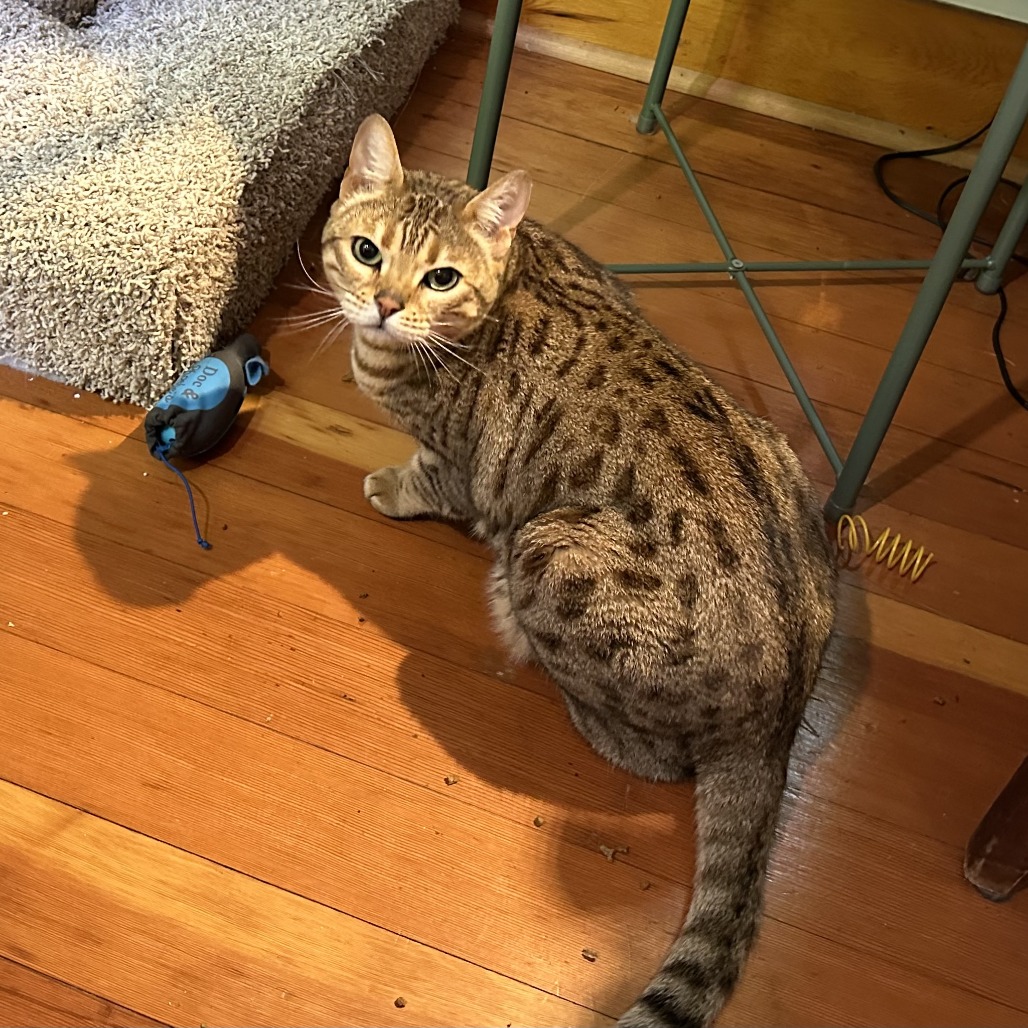
Bengal cats need plenty of fresh water daily. Use a clean bowl and refill often. Some cats prefer running water; a cat water fountain encourages drinking. Wet food also adds moisture to their diet. Always monitor water intake to prevent dehydration.
Credit: bengalrescue.org
Health Care Needs
Bengal cats are active and strong pets, but they need proper health care. Regular attention to their health keeps them happy and lively. Knowing their health needs helps prevent many problems. Bengal cats have specific care requirements to stay healthy over time.
Common Health Issues
Bengal cats can face some health concerns. These include:
- Hypertrophic cardiomyopathy (heart disease)
- Progressive retinal atrophy (eye problems)
- Hip dysplasia (joint issues)
- Patellar luxation (knee joint slipping)
Early detection of these problems improves treatment success. Watch for changes in behavior or appetite. Regular vet checkups help catch issues early.
Vaccinations And Vet Visits
Vaccinations protect Bengal cats from many diseases. Core vaccines usually include:
- Feline distemper
- Feline herpesvirus
- Calicivirus
- Rabies
Schedule vet visits at least once a year. Young cats need more frequent visits for vaccines. Vets check overall health and update vaccinations. Keep a health record to track shots and treatments.
Grooming And Maintenance
Bengal cats have short, dense fur that needs regular care. Brush their coat once or twice a week. This removes loose hair and reduces shedding. Clean their ears and eyes gently with a soft cloth. Trim nails every two weeks to prevent overgrowth. Healthy grooming helps detect skin problems early and keeps cats comfortable.
Training And Socialization
Training and socialization are key for a happy Bengal cat. These cats are smart and active, so they need clear guidance. Early training helps them learn good habits. Socialization builds trust and reduces fear. This makes Bengals friendly and well-behaved companions.
Litter Training Tips
Bengal cats usually learn litter habits quickly. Place the litter box in a quiet spot. Keep the box clean and scoop daily. Use unscented, clumping litter for best results. Praise your cat when it uses the box. Avoid moving the box often to prevent confusion.
Behavioral Training
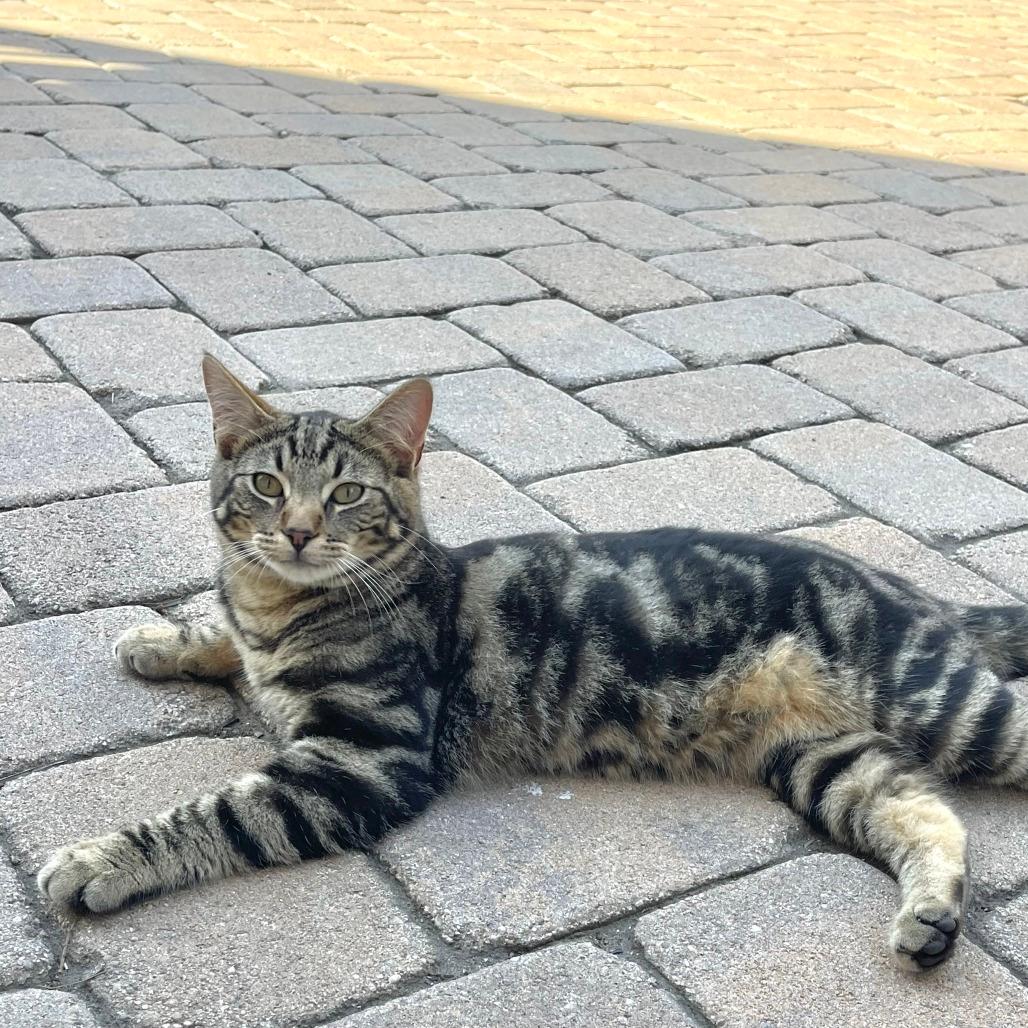
Positive reinforcement works well with Bengals. Use treats and gentle words for good behavior. Redirect bad habits like scratching furniture. Provide scratching posts and toys to keep them busy. Short, consistent training sessions fit their attention span. Avoid punishment as it causes fear and stress.
Introducing To Other Pets
Introduce Bengal cats slowly to other pets. Start with separate rooms and let them smell each other. Use a barrier like a baby gate for safe meetings. Watch their body language for stress or aggression. Offer treats and praise during introductions. Gradually increase their time together as they get comfortable.
Credit: www.chewy.com
Adoption Process
The adoption process for Bengal cats involves careful planning and patience. Bengal cats are active, intelligent, and social pets. They need a loving and responsible home to thrive. Understanding the steps before adoption helps ensure a smooth transition for both you and your new pet.
Finding Reputable Breeders And Shelters
Start by researching breeders or shelters with good reputations. Reputable breeders follow ethical breeding practices and prioritize the cats’ health. Shelters often have Bengal cats needing homes too. Visit locations to meet cats and see their living conditions. Ask for health records and proof of vaccinations. Avoid breeders who cannot provide proper information or seem rushed.
Questions To Ask Before Adoption
- What is the cat’s age and health history?
- Has the cat been vaccinated and spayed/neutered?
- Is the cat socialized with people and other pets?
- What is the cat’s temperament and activity level?
- Are there any special care needs or dietary restrictions?
- Can you provide references from previous adopters?
These questions help you understand the cat’s needs and personality. It also prepares you for any challenges ahead.
Adjusting To Your New Bengal Cat
Bring your Bengal cat home slowly. Set up a quiet space with food, water, and a litter box. Let the cat explore at its own pace. Spend time playing and bonding daily. Bengals need mental and physical activity to stay happy. Watch for signs of stress or illness. Patience is key during the adjustment period. Create a routine to help your cat feel safe and loved.
Living With Bengal Cats
Living with Bengal cats is an adventure filled with energy, intelligence, and affection. These striking felines bring a unique personality into your home that keeps you on your toes. Understanding their needs helps you create a happy environment for both you and your Bengal.
Daily Care Routine
Your Bengal cat thrives on consistency. Feeding them high-quality food twice a day ensures they get the right nutrients and maintain their sleek coat.
Regular grooming is also important. While Bengals have short fur, brushing them a couple of times a week reduces shedding and strengthens your bond.
Don’t forget daily playtime. Even 15 minutes of interactive toys or laser pointers can keep their mind sharp and body active.
Dealing With High Energy Levels
Bengal cats are known for their boundless energy. Without enough stimulation, they might get bored and destructive.
Providing climbing trees, puzzle feeders, and safe outdoor enclosures helps burn off their energy. You could even rotate toys to keep things fresh and exciting.
Ask yourself: How can you turn your home into a playground for your Bengal? Finding creative outlets for their energy is key.
Building A Strong Bond
Building trust with a Bengal requires patience and attention. They appreciate interactive play and gentle affection on their terms.
Spend quiet moments near them without demanding attention. This respect often encourages them to come close and seek your company.
Remember, Bengals are smart and curious. Teaching them simple tricks or using clicker training can deepen your connection and keep their mind engaged.
Credit: www.chewy.com
Frequently Asked Questions
What Should I Know Before Adopting Bengal Cats?
Bengal cats are active, intelligent, and need lots of play. They require social interaction and mental stimulation. Prepare for grooming their short, dense coat regularly. Bengal cats thrive in homes with space and attention. Understanding their energy helps ensure a happy adoption.
How Much Does It Cost To Adopt Bengal Cats?
Adoption fees for Bengal cats vary but typically range from $100 to $500. Costs depend on age, health, and shelter policies. Additional expenses include vaccinations, spaying/neutering, and initial supplies. Budget for ongoing food, toys, and vet visits after adoption.
Are Bengal Cats Good For Families With Children?
Yes, Bengal cats are generally good with children. They are playful and social but require gentle handling. Early socialization helps build positive relationships. Always supervise interactions to ensure safety for both cats and kids. Bengals enjoy active family environments.
Where Can I Adopt A Bengal Cat Safely?
Adopt Bengal cats from reputable shelters, rescue groups, or registered breeders. Verify health records and ask about temperament. Avoid impulsive purchases from unverified sources. Responsible adoption ensures a healthy, well-adjusted Bengal cat companion.
Conclusion
Adopting a Bengal cat brings joy and adventure to your life. These cats have striking looks and playful personalities. They love exploring and playing, making them great companions. Bengal cats are intelligent and curious. They need attention and mental stimulation.
Ensure you provide a safe and engaging environment. Their affectionate nature bonds well with families. Consider adopting from a shelter or rescue. This gives a deserving cat a loving home. Remember, adopting a Bengal cat is a long-term commitment. Make sure you’re ready for this rewarding journey.
Your Bengal will surely add excitement to your home.
