

Are you looking for a pet that’s playful, loving, and a little different from the rest? Adopting a Munchkin cat might be just what you need.
These adorable cats are known for their short legs and big personalities. They bring joy and charm into any home. If you want a furry friend who will keep you entertained and warm your heart, keep reading. You’ll discover why a Munchkin cat could be the perfect addition to your life.
Credit: americanpaws.club
Meet The Munchkin Cat
The Munchkin cat is a charming breed known for its short legs and lively spirit. This unique feline attracts attention with its playful nature and adorable appearance. Many cat lovers fall in love with the Munchkin’s distinctive look and friendly behavior. Understanding their background, features, and personality helps appreciate these little cats more.
Origins And History
The Munchkin cat first appeared in the 1990s. A cat with naturally short legs was discovered in Louisiana. Breeders worked to develop this trait into a new breed. The name “Munchkin” comes from the small characters in “The Wizard of Oz.” The breed gained popularity worldwide over time. Today, Munchkins are recognized by many cat organizations.
Distinctive Features
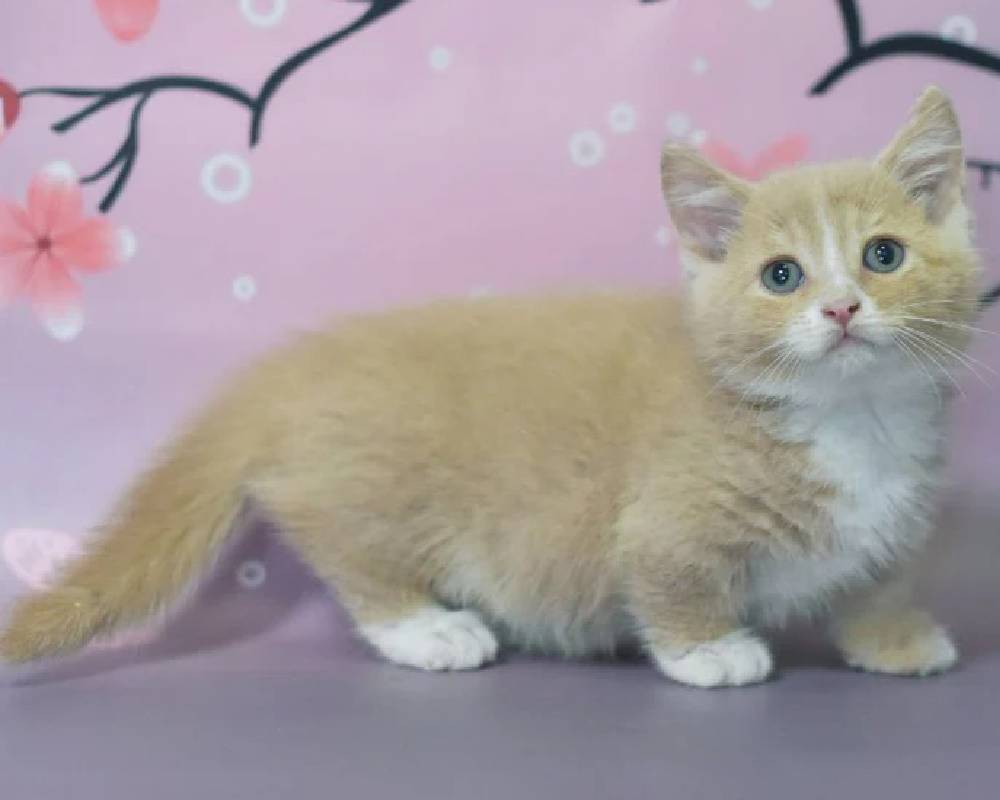
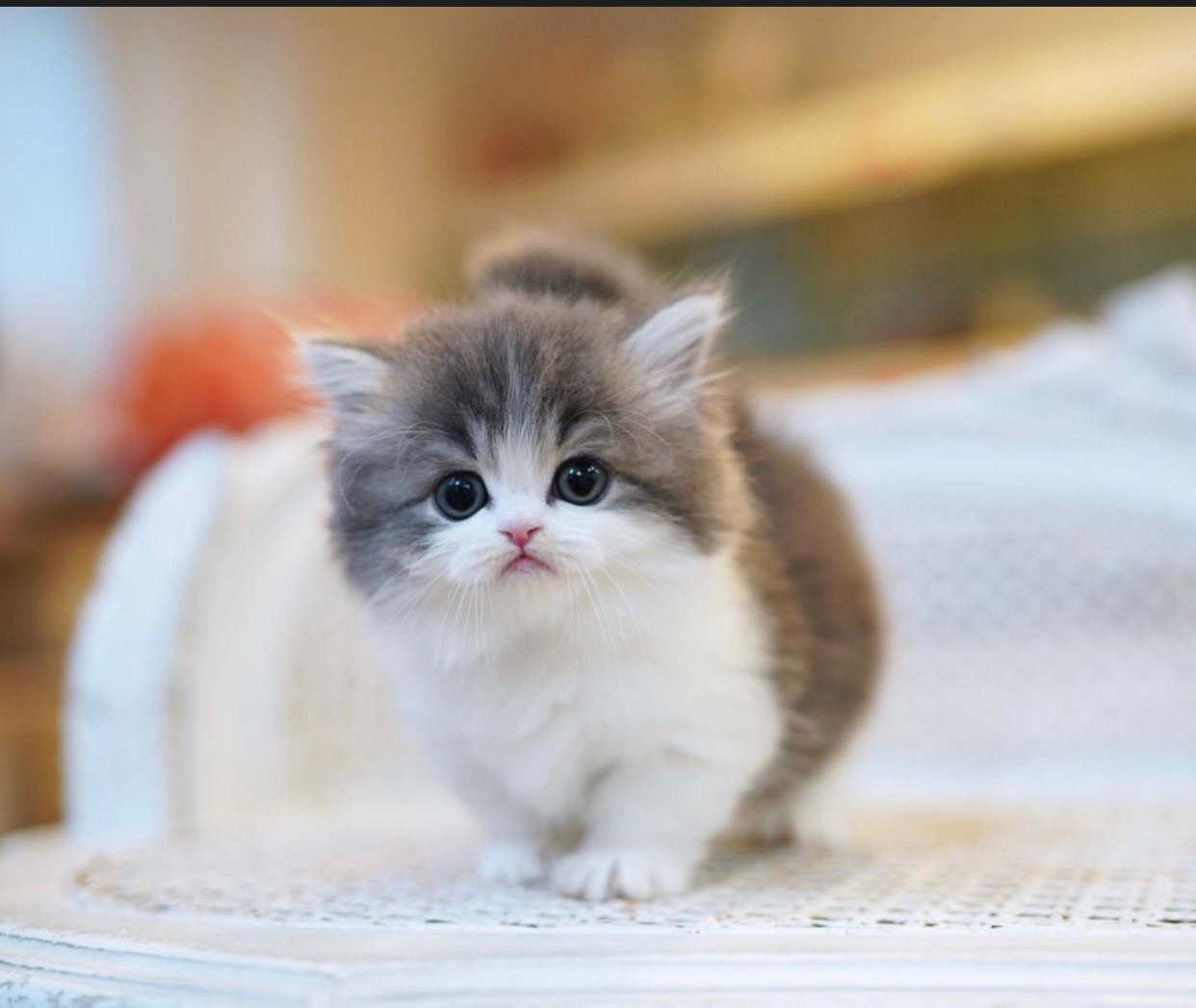
Munchkin cats have short legs due to a genetic mutation. Their bodies are usually medium-sized and well-proportioned. They have a round head with large eyes and ears. Their fur can be short or long and comes in many colors. Despite short legs, they are agile and fast. Their unique look makes them easy to spot in any room.
Personality Traits
Munchkin cats are friendly and social pets. They enjoy playing and exploring their surroundings. These cats often get along well with children and other animals. They love being near their owners and seek attention. Munchkins are curious and intelligent, always ready for fun. Their gentle and affectionate nature makes them great companions.
Why Choose A Munchkin Cat
Choosing a Munchkin cat means welcoming a unique companion into your life. These cats stand out not just because of their short legs but due to their charming personality and adaptability. If you live in a cozy apartment or want a playful friend without the hassle of high maintenance, a Munchkin cat might be your perfect match.
Ideal Size For Small Spaces
Munchkin cats are smaller and compact, making them ideal for apartments or homes with limited space. Their petite size means they don’t need large areas to roam and play. If you’ve struggled with finding a pet that fits your living situation, this breed can be a great solution.
Playful And Social Nature
These cats are known for their lively and friendly behavior. They love interacting with people and other pets, which keeps your home full of energy and joy. Have you ever wanted a cat that feels like a playful friend rather than a distant pet? Munchkins excel at building close bonds with their owners.
Low Maintenance Grooming
Munchkin cats require minimal grooming, especially the short-haired variety. This means less time brushing and more time enjoying your pet’s company. If you prefer a cat that stays clean and looks good with little effort, a Munchkin will suit your lifestyle perfectly.
Finding Your Munchkin Cat
Finding your perfect Munchkin cat involves careful thought and research. These cats have short legs and lively personalities. Choosing the right Munchkin ensures a happy home for both of you.
Adoption Vs. Breeder
Adopting a Munchkin cat often means giving a home to a cat in need. Shelters and rescue groups sometimes have Munchkins available. Adoption can be less expensive and supports animal welfare.
Buying from a breeder offers a chance to learn about the cat’s history. Reputable breeders follow ethical breeding practices. They provide health guarantees and early socialization.
Both choices have pros and cons. Consider your budget, time, and what matters most to you.
What To Look For In A Cat
- Bright, clear eyes and a clean coat
- Active and curious behavior
- Friendly and social with people and other pets
- Healthy weight and no signs of illness
- Short legs typical of the Munchkin breed
Observe how the cat moves and plays. A happy Munchkin will show energy and confidence.
Questions To Ask Before Adopting
- What is the cat’s medical history?
- Has the cat been spayed or neutered?
- How does the cat behave around children or other pets?
- What type of food and care does the cat need?
- Are there any known health issues with this cat or its parents?
- Can I visit the cat more than once before deciding?
These questions help prepare you for life with your new Munchkin friend.
Credit: munchkinkittens.webflow.io
Preparing Your Home
Preparing your home for a Munchkin cat is important for their health and happiness. These cats need a safe space to explore and rest. Setting up a cozy and secure environment helps your new pet feel comfortable quickly. Attention to details makes a big difference in their adaptation and well-being.
Safe And Comfortable Environment
Choose a quiet room for your Munchkin’s first days. Remove sharp objects and fragile items. Ensure windows and balconies are secure to prevent falls. Soft bedding in a warm corner invites your cat to relax. Provide hiding spots with boxes or cat tents. These create a sense of safety and reduce stress.
Essential Supplies
- Food and water bowls – sturdy and easy to clean
- High-quality cat food suited for small breeds
- Litter box with low sides for easy access
- Scratching posts to protect furniture
- Toys for mental and physical stimulation
- Grooming tools for regular brushing
Having all supplies ready before arrival makes settling easier. Regular feeding and playtime build trust and routine.
Introducing Other Pets
Keep new and existing pets separated initially. Let them smell each other’s scent through a door. Gradually allow short, supervised meetings in neutral areas. Watch body language closely for signs of stress or aggression. Patience is key to peaceful introductions. Reward calm behavior with treats and praise.
Caring For Your Munchkin
Caring for your Munchkin cat means understanding its unique needs. These cats have short legs but are active and playful. They need proper care to stay healthy and happy. Focus on their diet, exercise, and regular health checkups to ensure a long life.
Nutrition And Diet Tips
Munchkin cats require a balanced diet rich in protein. Choose high-quality cat food with meat as the main ingredient. Avoid foods with fillers like corn or soy. Offer fresh water every day to keep them hydrated.
Feed small portions multiple times daily. This helps maintain a healthy weight. Overfeeding can cause obesity, which strains their short legs. Include occasional treats but in moderation.
Exercise And Playtime
These cats love to play and explore. Provide toys like balls, feather wands, and tunnels. Short legs do not stop them from jumping and running.
Interactive play sessions build your bond and keep your cat active. Aim for at least 20 minutes of play daily. Create safe spaces for climbing and hiding to stimulate their mind.
Health Checkups And Common Issues
Regular vet visits help catch health problems early. Schedule checkups at least once a year. Munchkin cats may face spine and joint issues due to their short legs.
Watch for signs of pain or difficulty moving. Keep their nails trimmed and monitor their weight. Vaccinations and parasite control protect against diseases. Early care ensures a happy, healthy Munchkin cat.
Building A Bond
Building a strong bond with your Munchkin cat sets the foundation for a joyful and trusting relationship. These unique cats thrive on connection, and the time you invest in understanding and interacting with them will pay off in loyalty and affection. Let’s look at how you can nurture this special relationship every day.
Training And Socialization
Training your Munchkin cat helps both of you communicate better. Start with simple commands like “sit” or “come” using treats as rewards. Cats respond well to consistency, so keep training sessions short but regular.
Socialization is equally important. Introduce your Munchkin to new people and environments gradually. This reduces fear and helps them adapt to changes without stress.
Have you noticed your cat responding differently to various sounds or visitors? That’s a clue to adjust your socialization pace.
Recognizing Cat Behavior
Understanding your Munchkin’s body language is key to responding appropriately. Tail position, ear movement, and eye contact all tell you what your cat is feeling.
- A relaxed tail means contentment, while a twitching tail may indicate irritation.
- Slow blinking is a sign of trust.
- Flattened ears often signal fear or anger.
Pay attention to these signals to avoid misunderstandings and strengthen your bond. Have you ever missed a subtle sign and later realized your cat was trying to tell you something important?
Ensuring Long-term Happiness
Meeting your Munchkin’s physical and emotional needs keeps them happy for years. Provide a balanced diet, regular vet visits, and plenty of playtime to keep their body and mind active.
Don’t forget the power of affection—simple petting or quiet time together builds security and love. Change your routine to include moments just for your cat.
Think about what makes your Munchkin purr the most—is it a specific toy, a cozy spot, or your company? Tailoring your care to their preferences creates a lasting, joyful connection.

Credit: lapa.shop
Frequently Asked Questions
What Makes Munchkin Cats Unique As Pets?
Munchkin cats are known for their short legs and playful nature. They adapt well to indoor living and are very affectionate. Their unique appearance and friendly temperament make them great companions.
How To Find A Munchkin Cat For Adoption?
Look for reputable shelters or breed-specific rescue groups online. Verify the cat’s health and background before adopting. Always choose ethical sources to ensure the cat’s well-being.
What Care Do Munchkin Cats Need?
Munchkin cats require regular grooming and a balanced diet. They enjoy interactive play and need a safe, indoor environment. Routine vet visits keep them healthy and happy.
Are Munchkin Cats Good With Children And Other Pets?
Yes, Munchkin cats are social and gentle with kids and other animals. Their playful and tolerant nature helps them bond well in multi-pet households.
Conclusion
Adopting a Munchkin cat brings joy and companionship. Their playful nature entertains families. They fit well in small spaces, making them ideal for apartments. Low grooming needs simplify care routines. These cats are friendly, loving, and great with kids. They adapt easily to various environments.
Bringing one home means embracing a unique and delightful pet. Their short legs and sweet temperament win hearts quickly. Consider the Munchkin for a loving, furry friend. They offer endless affection and a loyal bond. Enjoy the delightful presence of a Munchkin cat in your life.
