

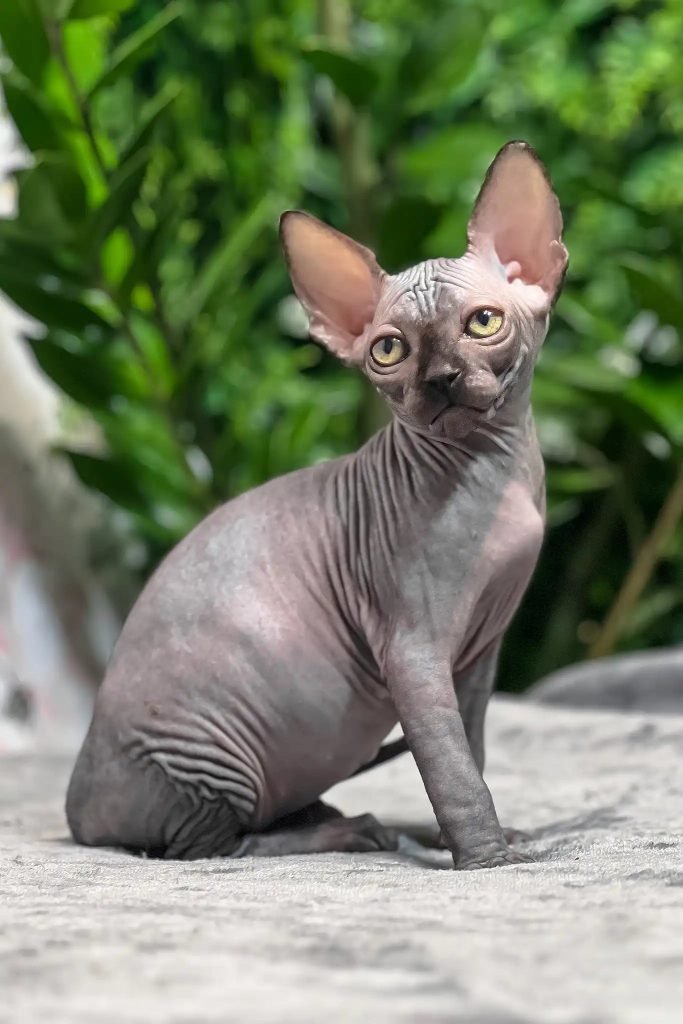
Have you ever thought about adopting a hairless cat? These unique pets are full of personality and love, waiting to bring warmth and joy into your home.
Unlike other cats, hairless cats have a special charm that makes them truly one of a kind. If you want a pet that stands out and offers a deep bond, this might be the perfect choice for you. Keep reading to discover why adopting a hairless cat could change your life in the best way.

Credit: www.adoptapet.com
Why Choose A Hairless Cat
Choosing a hairless cat might seem unusual at first, but these unique pets offer qualities that can change your everyday life for the better. They break the mold of traditional cats, bringing benefits that go beyond just looks. If you’re considering a new feline friend, here’s why a hairless cat might be the perfect choice for you.
Allergy-friendly Pets
Hairless cats are often a great option if you or someone in your home suffers from allergies. Without fur, they shed very little dander, which is a common allergen. This means you can enjoy the company of a cat without the constant sneezing or itchy eyes.
However, remember that no cat is completely hypoallergenic. Spending time with a hairless cat before adopting can help you understand how your allergies react. Have you ever wished for a cat but held back because of allergies? This might be your chance.
Distinctive Appearance
Hairless cats have a striking, unusual look that sets them apart from other breeds. Their exposed skin reveals wrinkles and muscle tone, making them fascinating to observe and touch. This appearance often draws attention and can be a great conversation starter.
Many owners find this unique look incredibly charming and enjoy showing off their unusual pet. If you want a cat that truly stands out and reflects your individual style, a hairless cat might fit perfectly into your life.
Affectionate Nature
Hairless cats are known for their loving and social personalities. They often crave human interaction and enjoy cuddling to stay warm. This means you get a pet that not only looks special but also loves to be close to you.
One owner shared how their hairless cat follows them from room to room, always seeking attention and affection. If you want a pet that acts more like a close companion than just an animal, a hairless cat could be the perfect match.

Credit: www.kittensup4sale.com
Popular Hairless Cat Breeds
Hairless cats stand out with their unique look and charming personalities. If you’re thinking about adopting one, it helps to know the different popular breeds. Each breed has its own traits that might fit your lifestyle and preferences.
Sphynx
The Sphynx is probably the most well-known hairless cat breed. These cats are friendly, curious, and love being the center of attention. I once met a Sphynx who instantly curled up on my lap, showing how affectionate they can be.
They have warm, suede-like skin that feels strange but comforting to touch. Keep in mind, they need regular baths because their skin produces oils without fur to absorb it. Does your home have a cozy spot where your Sphynx can warm up?
Peterbald
The Peterbald offers a sleek and elegant appearance. This breed can have varying degrees of hairlessness, from completely bald to a fine fuzz covering their bodies. Their slender build and long legs give them a graceful look.
Peterbalds are playful and highly social, often bonding closely with their owners. If you enjoy an active and engaging pet, this breed might fit well with your lifestyle. How much time can you spend interacting with a lively cat each day?
Don Sphynx
The Don Sphynx is a Russian breed known for its wrinkled, hairless skin and robust body. Unlike the Sphynx, they tend to have a thicker, more muscular build. Their skin feels slightly rougher, which adds to their unique charm.
Don Sphynx cats are calm and gentle but still enjoy playtime. They adapt well to different environments, making them suitable for various homes. Are you looking for a low-key yet affectionate companion?
Caring For Hairless Cats
Hairless cats are unique pets that need special care. Their lack of fur makes their skin more exposed and sensitive. Caring for these cats means paying close attention to their skin, temperature, and diet. Understanding these needs keeps them healthy and happy.
Skin Care Essentials
Hairless cats have oily skin that can get dirty fast. Regular gentle baths help remove excess oils and dirt. Use a mild, cat-safe shampoo to avoid irritation. Wipe their skin with a soft cloth between baths to keep it clean.
Check for skin issues like redness or dryness. Apply vet-recommended moisturizers if needed. Keep their nails trimmed to prevent scratching and skin damage.
Temperature Needs
Without fur, hairless cats feel cold easily. Provide warm blankets or heated beds for comfort. Maintain room temperature around 70-75°F (21-24°C). Avoid drafts and cold floors.
In summer, protect them from sunburn by limiting sun exposure. Use pet-safe sunscreen if they spend time near windows or outside.
Diet And Nutrition
Hairless cats burn more calories to keep warm. Feed them high-quality, nutrient-rich food to support their metabolism. Include protein-rich meals and healthy fats.
Offer small, frequent meals to maintain energy levels. Fresh water should always be available to keep them hydrated.
Common Health Concerns
Adopting a hairless cat comes with unique health considerations that you should know about. These special cats need extra attention to stay happy and healthy. Understanding common health concerns can help you provide the best care and avoid surprises down the road.
Skin Conditions
Without fur, your hairless cat’s skin is exposed to the environment more than other cats. This makes them prone to dryness, sunburn, and irritation.
Regular moisturizing with vet-approved lotions can prevent skin from becoming flaky or cracked. You should also protect your cat from direct sunlight to avoid painful sunburns.
Watch for redness, bumps, or scabs on their skin. Early treatment of infections or allergies will keep your cat comfortable and healthy.
Heart Health
Many hairless cats, especially breeds like the Sphynx, have a higher chance of developing heart problems such as hypertrophic cardiomyopathy (HCM).
It’s important to ask your breeder for a clear health history or have your cat screened by a vet. Regular heart check-ups can catch issues before they become serious.
Monitoring your cat’s energy levels and breathing can give you clues about their heart health. Any sudden changes warrant a prompt vet visit.
Regular Vet Visits
Your hairless cat’s unique needs mean that regular vet visits are essential. These check-ups help catch skin issues, heart problems, and other health concerns early.
During visits, discuss any changes in behavior, appetite, or skin condition with your vet. Keeping a health journal can make these conversations easier and more productive.
Routine vaccinations and parasite prevention are just as important for hairless cats as for any pet. Staying proactive about health will keep your cat thriving for years.
Adopting Your Hairless Cat
Adopting a hairless cat is a unique and rewarding experience that requires some special considerations. These cats have distinct needs and personalities, so preparing yourself and your home is crucial. Understanding where to find them and how to build a strong bond will make your journey smoother and more joyful.
Finding Reputable Sources
Start by researching breeders or rescue organizations that specialize in hairless cats, such as the Sphynx breed. Look for places with positive reviews and transparent health practices.
Ask questions about the cat’s medical history and temperament. Avoid sellers who cannot provide proper documentation or seem uninterested in your questions.
Sometimes, local shelters or breed-specific rescues have hairless cats needing homes. Have you checked these options yet?
Preparing Your Home
Hairless cats need a warm and cozy environment since they lack fur to keep them insulated. Place soft blankets and heated beds in sunny spots around your home.
Keep your home free of drafts and sudden temperature drops. These cats also require gentle skin care, so stock up on recommended moisturizers and mild bathing supplies.
Think about setting up safe spaces where your cat can explore and feel secure without risk of injury to their sensitive skin.
Bonding Tips
Hairless cats often crave attention and companionship. Spend quality time playing and cuddling to build trust and affection.
Use gentle strokes and avoid rough handling to protect their delicate skin. Introducing new people gradually helps reduce stress.
Have you noticed how they respond differently to touch compared to other cats? Observing their unique reactions can deepen your connection.
Living With A Hairless Cat
Living with a hairless cat offers a unique experience that goes beyond the usual pet ownership. These cats require special care, but they reward you with affectionate and lively companionship. Understanding their daily needs and behaviors will help you create a happy home for your unusual feline friend.
Daily Routine
Your hairless cat’s daily routine will differ from that of a furry cat. Their skin is sensitive and prone to dryness, so you’ll need to wipe them down regularly with a damp cloth or give them occasional baths to keep their skin healthy.
Temperature control is important too. Hairless cats get cold easily, so providing warm blankets or heated beds is a must, especially during colder months. Have you thought about how you’ll adjust your home environment to keep them comfortable?
Social Behavior
Hairless cats are known for their strong social nature. They often crave human attention and enjoy being part of family activities. Expect your cat to follow you around and seek cuddles more than typical cats.
They can get lonely if left alone for long periods, so consider how much time you can dedicate to interacting with your cat each day. Do you have enough moments in your schedule to meet their social needs?
Play And Enrichment
Keeping your hairless cat mentally and physically stimulated is essential. They are active and curious, so providing a variety of toys like feather wands, puzzle feeders, and climbing structures will keep them entertained.
Interactive play not only helps burn off energy but also strengthens your bond. Have you tried setting aside time each day for play sessions? Your cat will thank you for the attention and activity.

Credit: www.kittensup4sale.com
Frequently Asked Questions
What Are The Main Traits Of Hairless Cats?
Hairless cats are known for their friendly, affectionate nature. They require regular skin care and warmth. These cats are hypoallergenic and often crave human attention, making them excellent companions for those with allergies.
How Do I Care For A Hairless Cat’s Skin?
Hairless cats need regular bathing to remove oils. Use gentle, hypoallergenic shampoo to avoid irritation. Keep their skin moisturized and protect them from sunburn with pet-safe sunscreen or clothing.
Are Hairless Cats Good For Allergy Sufferers?
Yes, hairless cats produce fewer allergens than furry cats. Their lack of fur reduces dander spread. However, people with severe allergies should spend time with them first to ensure compatibility.
What Should I Consider Before Adopting A Hairless Cat?
Consider their need for warmth, skin care, and frequent attention. Hairless cats can be more sensitive to temperature changes. Make sure you have time and resources to meet their unique needs.
Conclusion
Adopting a hairless cat brings unique joys to your life. Their playful nature and loving personality make them wonderful companions. These cats require special care, but the bond formed is worth it. Regular grooming and warmth are essential for their well-being.
Hairless cats are friendly, curious, and thrive in loving homes. They often become a cherished family member quickly. If you seek a pet with character and charm, consider a hairless cat. Their loyalty and affection will warm your heart every day.
Discover the joy of adopting a hairless cat today.
