

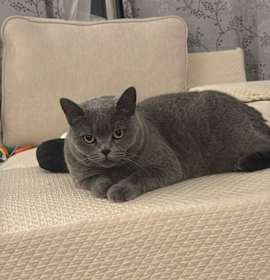
Are you thinking about adding a furry friend to your home? Adopting a British Shorthair cat could be the perfect choice for you.
These cats are known for their calm nature and charming personalities. Imagine coming home to a gentle companion who loves to cuddle and bring calm to your busy days. You’ll discover why a British Shorthair might be exactly what you need, how to find the right one, and what to expect when you bring this special cat into your life.
Keep reading to learn how you can make your home happier with a British Shorthair by your side.
Credit: www.bearmary.com
Why Choose A British Shorthair
Choosing a British Shorthair means welcoming a calm and loving companion into your home. This breed stands out for its gentle nature, unique looks, and strong health. Many cat lovers find British Shorthairs easy to care for and a joy to have around.
The British Shorthair fits well in families and apartments. Their balanced temperament makes them great for kids and other pets. They offer comfort and company without demanding too much attention.
Temperament And Personality
British Shorthairs are calm and friendly cats. They enjoy quiet moments and gentle play. These cats are not overly active but love to interact with their owners. They adapt well to changes and handle new situations calmly.
They are independent yet affectionate. British Shorthairs do not demand constant attention. Instead, they prefer to be near you, sharing your space quietly.
Physical Traits And Appearance
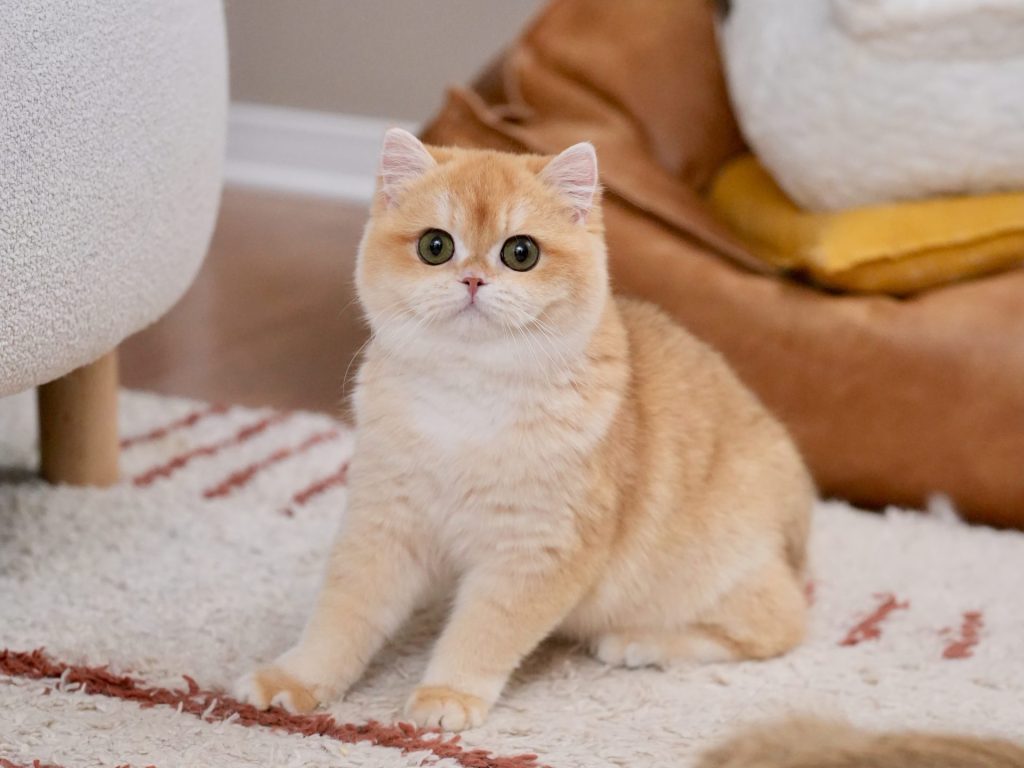
British Shorthairs have a sturdy, muscular body. Their round face and big eyes give them a sweet expression. Their dense coat feels plush and soft to touch.
- Short, thick fur in many colors
- Round head with full cheeks
- Large, round eyes often copper or gold
- Strong legs and broad chest
This breed’s look is both classic and charming. Their appearance matches their calm personality perfectly.
Health And Longevity
British Shorthairs are generally healthy cats. They have a sturdy build that supports a long life. Regular vet visits and a good diet keep them strong.
- Average lifespan of 12 to 20 years
- Few genetic health problems
- Resistant to many common cat illnesses
Proper care helps them live happily for many years. Their health and longevity make them a wise choice for pet owners.
Credit: www.petfinder.com
Preparing Your Home
Preparing your home for a British Shorthair cat means creating a welcoming, safe, and comfortable environment. This breed thrives in calm and cozy spaces, so setting up the right atmosphere is crucial. You want your new feline friend to feel secure and loved from day one.
Safe And Comfortable Space
Start by choosing a quiet corner or room where your cat can relax without constant noise or foot traffic. British Shorthairs enjoy their own space but still want to be near their humans. Provide a soft bed or blanket where they can nap undisturbed.
Consider placing a cat tree or a few shelves for climbing and observing. These cats love to watch the world from a high perch. Have you thought about where your cat will retreat when they need a break? That spot is essential for their wellbeing.
Essential Supplies
Gather the basics before your cat arrives: a litter box, food and water bowls, and quality cat food suited for British Shorthairs. They can be a bit picky, so you might want to try a few brands to find their favorite.
Don’t forget toys to keep them entertained. Interactive toys and puzzle feeders stimulate their minds and prevent boredom. A scratching post is also vital to protect your furniture and satisfy their natural instincts.
Cat-proofing Tips
Look around your home for any hazards your cat could encounter. Loose wires, small objects they could swallow, and toxic plants should be removed or secured. British Shorthairs are curious but cautious; they’ll explore every nook if given the chance.
Check windows and balconies to ensure they’re secure. Your cat’s safety is your responsibility. What hidden dangers might you have overlooked in your living space?
Where To Find A British Shorthair
Finding a British Shorthair cat requires some research and patience. These cats are popular for their round faces and plush coats. Knowing where to find them helps ensure you get a healthy and happy pet. Various options exist, including breeders, shelters, and online platforms.
Reputable Breeders
Reputable breeders focus on the health and temperament of their cats. They provide proper care and socialization from an early age. Visiting a breeder allows you to meet the kittens and their parents. This helps you understand the cat’s environment and personality. Always ask for health clearances and references. A responsible breeder will answer your questions openly.
Rescue Centers And Shelters
Rescue centers and shelters sometimes have British Shorthair cats available for adoption. These cats may need new homes due to various reasons. Adopting from a shelter saves a life. Shelter staff can provide details about the cat’s behavior and health. Visiting shelters regularly increases your chances of finding this breed. You support animal welfare by choosing this route.
Online Adoption Platforms
Online adoption platforms list cats from various sources. They offer filters to find British Shorthairs near you. Some platforms verify the sellers and ensure pet welfare. Always check reviews and ask for photos or videos. Meet the cat in person before finalizing adoption. Use caution to avoid scams and unethical sellers. Online platforms offer convenience but require careful vetting.
Adoption Process Steps
Adopting a British Shorthair cat is a rewarding experience, but it involves several important steps to ensure a perfect match between you and your new feline friend. Understanding the adoption process helps you prepare and increases your chances of a smooth transition for both you and the cat. Each stage offers a chance to learn more about the cat’s personality and your readiness to provide a loving home.
Application And Screening
Your journey begins by filling out an adoption application. This form typically asks about your living situation, pet experience, and how you plan to care for the cat. Shelters and breeders use this information to find the best homes for their cats.
Be honest and detailed in your answers. The screening process might include a phone interview or reference checks. This step ensures that you understand the commitment and that the cat will thrive in your environment.
Meeting The Cat
Once your application is approved, you get to meet the cat. Pay close attention to how the cat behaves around you and your family. Does the cat seem calm or curious? Are you comfortable handling it?
Spend time interacting with the cat to see if your personalities match. This moment is crucial; your connection will shape your future together. Ask the shelter staff about the cat’s habits, health, and preferences to get a full picture.
Finalizing Adoption
After deciding to move forward, you’ll complete the adoption paperwork and pay any fees. These fees usually cover vaccinations, spaying or neutering, and other medical care the cat has received.
You might receive a starter kit with food, toys, or litter to help your new pet settle in. Prepare your home beforehand to welcome the cat safely and comfortably. What small changes can you make to create a warm space for your new companion?
Caring For Your British Shorthair
Caring for your British Shorthair means understanding their unique needs and habits. These cats have a calm and affectionate nature, but they require proper attention to thrive. Your role is to create a comfortable environment that supports their health and happiness every day.
Feeding And Nutrition
British Shorthairs need a balanced diet to maintain their sturdy build and prevent obesity. Choose high-quality cat food rich in protein and low in fillers. You might notice your cat prefers wet food, which helps with hydration, but dry kibble supports dental health.
Pay attention to portion sizes. Overfeeding can lead to weight gain, which stresses their joints. Try feeding smaller meals multiple times a day rather than one large portion.
Have you checked if your cat shows any food sensitivities? Some British Shorthairs develop allergies, so watch for signs like itching or digestive issues.
Grooming Needs
Despite their short coat, British Shorthairs shed quite a bit, especially during seasonal changes. Regular brushing—about twice a week—keeps their fur smooth and reduces hairballs. Use a soft-bristle brush to avoid skin irritation.
Bathing is rarely necessary unless your cat gets into something messy. Instead, focus on cleaning their eyes and ears gently with a damp cloth. This helps prevent infections and keeps them comfortable.
Remember to trim their nails every couple of weeks. It’s easier to do when they’re relaxed, so try clipping after a nap or play session.
Exercise And Playtime
British Shorthairs are not hyperactive, but they still need daily play to stay fit. Short bursts of interactive play, like using feather wands or laser pointers, engage their hunting instincts. This also helps prevent boredom and destructive behavior.
Consider puzzle feeders to stimulate their minds while they eat. This keeps their brain sharp and slows down fast eaters. Have you tried different toys to find what excites your cat the most?
Don’t forget to provide cozy spots near windows. British Shorthairs enjoy watching the outside world, which can serve as mental exercise. This simple addition can enrich their daily routine without extra effort from you.

Credit: www.bearmary.com
Common Health Concerns
British Shorthair cats are known for their robust health, but they can face certain common health issues. Being aware of these concerns helps in providing proper care. Early attention can prevent serious problems and keep your cat happy.
Preventive Care
Preventive care includes a balanced diet and regular exercise. Keep your cat’s weight in check to avoid obesity. Provide fresh water and a clean litter box daily. Groom your cat often to check for skin problems or fleas. Use flea and tick control treatments as advised by your vet.
Signs Of Illness
Watch for changes in behavior or appetite. A sick British Shorthair may hide or become less active. Look for coughing, sneezing, or difficulty breathing. Notice any vomiting, diarrhea, or changes in litter box habits. Unusual lumps, swelling, or limping also need attention.
Regular Vet Visits
Schedule vet visits at least once a year. Vaccinations protect against common diseases. Dental checkups prevent tooth decay and gum disease. Your vet can spot early signs of illness. Blood tests and screenings help monitor overall health. Regular visits extend your cat’s life and wellbeing.
Building A Strong Bond
Building a strong bond with your British Shorthair cat takes time and attention, but the rewards are worth every moment. These cats are known for their calm and affectionate nature, yet they thrive best when you engage with them in ways that respect their personality. Creating a connection that feels natural and trusting will make your relationship deeply fulfilling.
Socializing Tips
Start socializing your British Shorthair early by gently introducing them to new people and environments. Let your cat explore at their own pace without forcing interactions.
Use treats and soft praise to reward calm behavior around strangers or new settings. This helps your cat associate new experiences with positive feelings.
Remember, British Shorthairs prefer a quiet, stable atmosphere. Avoid loud noises or sudden movements that might stress them out.
Communication And Understanding
Pay attention to your cat’s body language—like slow blinking or purring—to know when they feel comfortable and loved. Matching their mood helps build trust.
Speak in a calm, gentle tone and use consistent words or sounds when calling them. Your cat will start recognizing your voice as a source of comfort.
Respect their space when they retreat. Giving them room shows you understand their need for independence, which strengthens your bond over time.
Enrichment Activities
Provide toys and activities that stimulate your British Shorthair’s natural curiosity, such as puzzle feeders or interactive play sessions. This keeps their mind sharp and body active.
Try short playtimes with feather wands or laser pointers to engage their hunting instincts. Always end play sessions on a positive note to keep them eager for more.
Consider setting up cozy window perches or quiet corners where your cat can watch the outside world safely. These little retreats offer mental enrichment and relaxation.
Frequently Asked Questions
What Is The Temperament Of A British Shorthair Cat?
British Shorthairs are calm, affectionate, and easygoing pets. They enjoy companionship but are not overly demanding. Their gentle nature makes them ideal for families and singles alike. They adapt well to indoor living and get along with other pets and children.
How Do I Care For A British Shorthair Cat?
Brush their dense coat weekly to prevent matting. Provide a balanced diet tailored for indoor cats. Regular veterinary check-ups ensure health. Offer toys and climbing spaces for mental stimulation. Maintain a clean litter box and fresh water daily.
Are British Shorthair Cats Good For Apartments?
Yes, British Shorthairs adapt well to apartment living. They are relatively low-energy and enjoy lounging in cozy spaces. Their quiet demeanor and moderate activity level make them perfect companions in smaller homes or urban settings.
What Health Issues Affect British Shorthair Cats?
Common health concerns include obesity, heart disease, and dental problems. Regular vet visits help early detection. Maintaining a healthy diet and exercise routine reduces risks. Responsible breeding also minimizes inherited conditions like hypertrophic cardiomyopathy.
Conclusion
Choosing a British Shorthair cat offers endless joy and companionship. Their calm nature makes them perfect for families. They adapt easily to new homes. These cats love gentle affection and playtime. Caring for them is simple, with regular grooming and feeding.
Their health is generally robust, needing just routine check-ups. British Shorthairs bring charm and warmth to any household. They are loyal friends, always there to comfort you. Consider adopting one for a lifetime of happiness. Your new feline friend awaits, ready to share many memorable moments.
Enjoy the delightful journey with your British Shorthair cat.
