

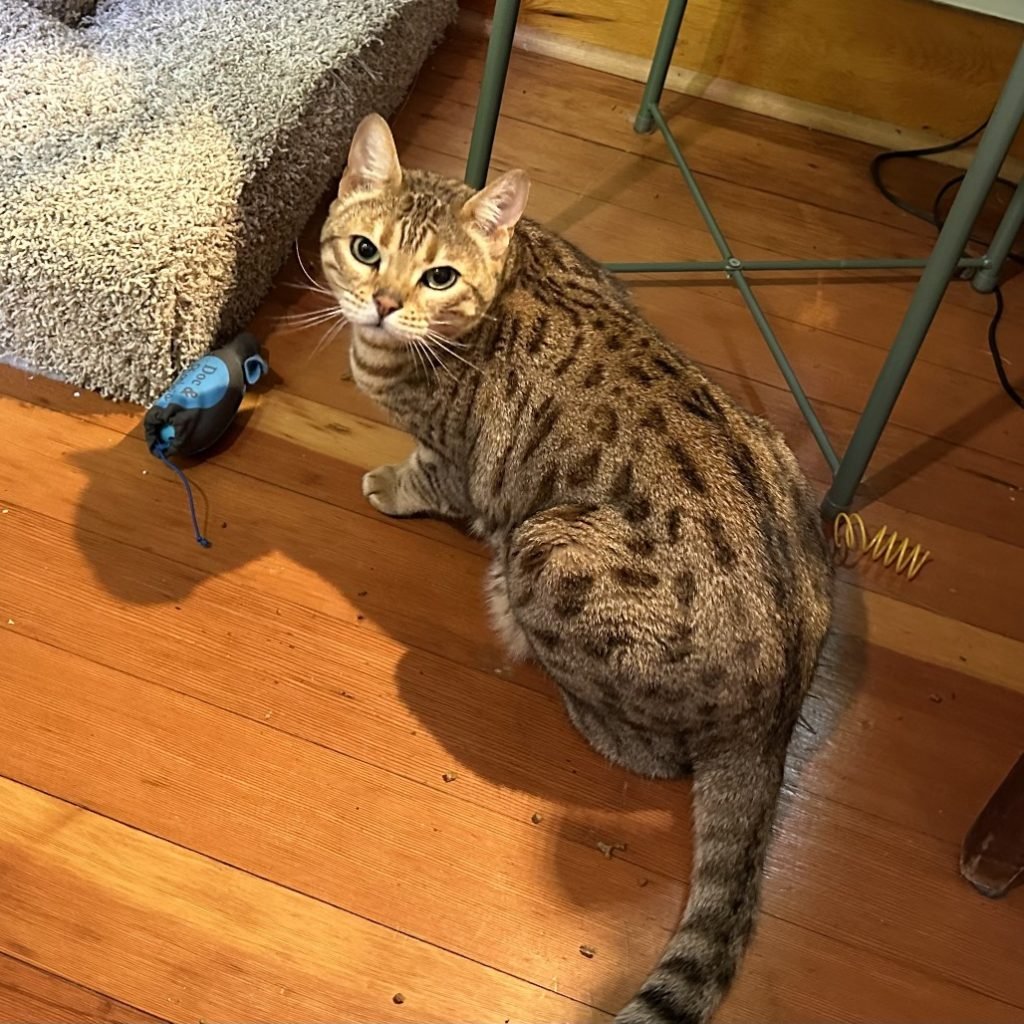
Are you ready to bring home a pet that’s as beautiful as it is playful? Adopting a Bengal cat could be the perfect choice for you.
These stunning cats are known for their wild, leopard-like spots and energetic personalities. But there’s more to them than just looks—they make loving and loyal companions. If you want a pet that will brighten your days and keep you entertained, keep reading.
Discover everything you need to know about adopting a Bengal cat and how to give one a forever home. Your new best friend might be just a few steps away!
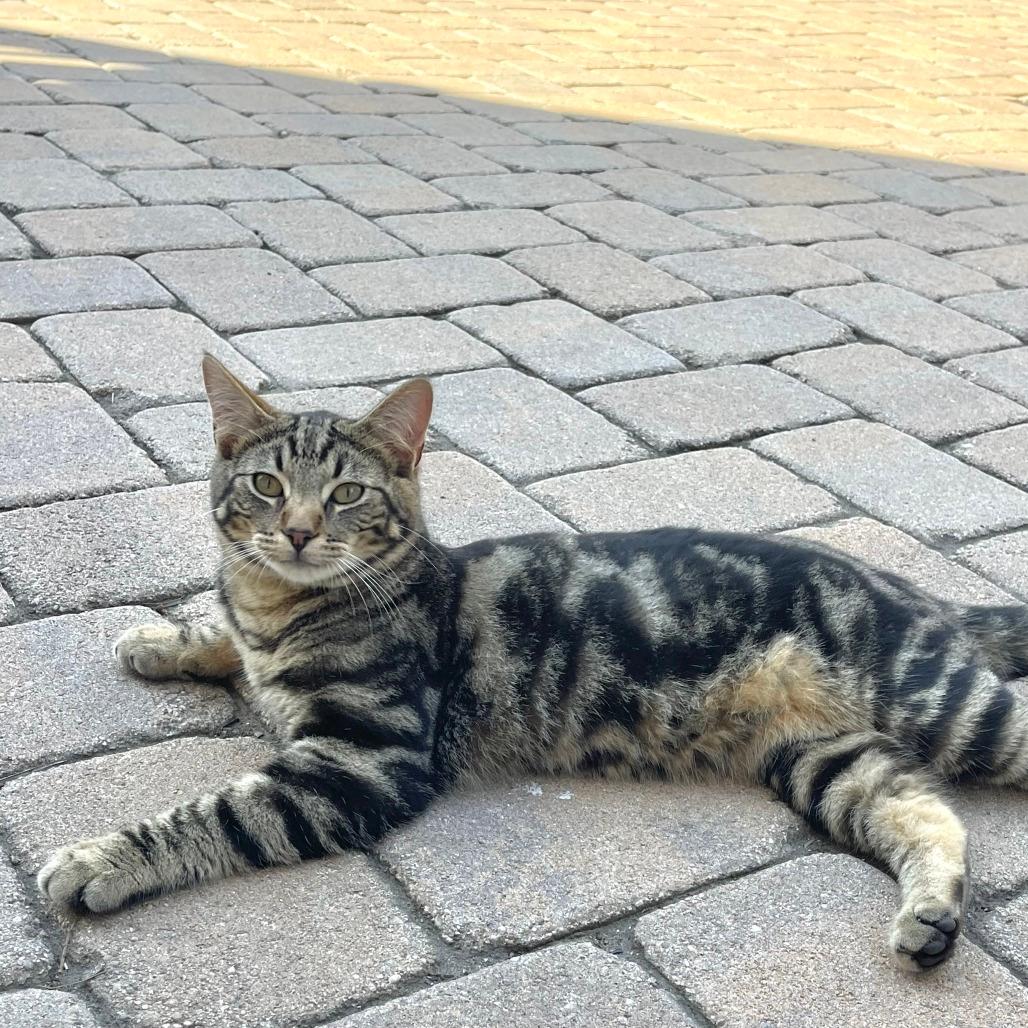
Credit: www.chewy.com
Why Choose A Bengal Cat
Choosing a Bengal cat means inviting a striking companion into your home. These cats are not just pets; they are a blend of wild beauty and affectionate nature. Understanding what sets Bengals apart can help you decide if this breed fits your lifestyle and personality.
Unique Appearance And Markings
Bengal cats catch eyes with their exotic look. Their coats shimmer with spots or marbled patterns that resemble a miniature leopard.
Their fur feels silky and soft, adding to their appeal. You might find yourself admiring their sleek, muscular build every day.
Have you ever seen a cat that looks like it belongs in the jungle but acts like a loving housemate? That’s the Bengal.
Personality Traits
Bengals are smart and curious. They often figure out how to open doors or find hidden toys, which keeps life interesting.
They are affectionate but not overly clingy. You’ll enjoy the balance of companionship without feeling overwhelmed.
Think about how much you value a pet that interacts on your level and surprises you with its intelligence.
Energy And Playfulness
If you want a cat that keeps you active, Bengals are a great choice. Their high energy means they love games, puzzles, and exploring new spaces.
Regular playtime is essential to keep them happy and healthy. You might find yourself inventing new games just to keep up.
Are you ready to match your cat’s enthusiasm and add some extra joy to your daily routine?
Preparing Your Home
Preparing your home for a Bengal cat means creating a space where your new feline friend feels safe, happy, and stimulated. Bengals are active and curious, so your environment needs to match their energy and natural instincts. Setting up the right atmosphere can make the transition smoother for both of you and helps build a strong bond from day one.
Safe And Comfortable Spaces
Your Bengal needs a cozy spot to retreat to when they want to relax or feel secure. Choose a quiet corner or a small room where you can place a soft bed or blanket. Bengals love height, so adding cat trees or shelves gives them a comfortable perch and satisfies their climbing instincts.
Think about where your Bengal will spend most of their time. Is there a sunny window where they can watch outside? Cats enjoy observing birds and nature, so setting up a perch near a window offers mental stimulation and comfort.
Essential Supplies
Gathering the right supplies before your Bengal arrives saves stress later. You’ll need a sturdy litter box, preferably with high sides to contain messes, and a good quality litter that your cat likes. Food and water bowls should be stable and easy to clean—ceramic or stainless steel work well.
Toys are crucial for Bengals since they are highly active. Stock up on interactive toys like feather wands, laser pointers, and puzzle feeders. Scratching posts are a must to protect your furniture and keep your cat’s claws healthy.
Cat-proofing Tips
Have you checked your home for potential hazards? Bengals are notorious for exploring every nook and cranny, so secure loose wires, toxic plants, and small objects that could be swallowed. Make sure windows and balconies are safely screened to prevent accidents.
Consider your cleaning supplies and medications—they should be out of reach or locked away. Even seemingly harmless items like rubber bands or string can be dangerous if ingested. Think about your Bengal’s natural curiosity and prepare your home to keep them safe without limiting their playful spirit.
Where To Find Bengal Cats
Finding the perfect Bengal cat to join your family means knowing where to look. Each source offers different experiences, so it’s important to choose wisely. Your decision affects not only your future pet’s health but also your peace of mind.
Reputable Breeders
Reputable breeders focus on health and temperament. They screen for genetic conditions and raise kittens in loving environments. Visiting a breeder allows you to meet the kitten’s parents and see the living conditions firsthand.
Ask for health certificates and vaccination records. A trustworthy breeder will be transparent and willing to answer your questions. Have you ever met a breeder who treated their cats like family? That’s the standard you should expect.
Animal Shelters And Rescues
Animal shelters and rescues sometimes have Bengal cats waiting for a new home. These cats might come from owners who couldn’t care for them anymore. Adopting from a shelter can save a life and reduce pet overpopulation.
Visit local shelters regularly or check their websites. You might find a Bengal or a Bengal mix that fits your lifestyle perfectly. Have you considered how adopting from a shelter could change your perspective on pet ownership?
Online Adoption Platforms
Online platforms connect you with Bengal cats available for adoption or sale nationwide. Websites often include detailed profiles, photos, and reviews of sellers or shelters. This convenience lets you explore options without leaving home.
Be cautious and research each listing thoroughly. Look for platforms that verify breeders and shelters to avoid scams. How do you verify trustworthiness when you can’t meet the cat in person?
Adoption Process Tips
Adopting a Bengal cat is an exciting journey, but it requires careful thought and preparation. Knowing what to expect during the adoption process can save you time and frustration. Here are some practical tips to help you navigate each step with confidence and clarity.
Questions To Ask
Before bringing a Bengal cat home, ask detailed questions about their health, behavior, and background. Find out if the cat has any special medical needs or dietary restrictions. Don’t hesitate to inquire about the cat’s social habits—are they comfortable around children or other pets?
Ask about the cat’s history. Was it raised in a home or a shelter? This can affect how they adjust to new environments. Also, clarify the breeder or shelter’s policies on returns or support after adoption. Are you allowed to contact them if problems arise?
Meeting Potential Pets
Meeting your potential Bengal cat in person is crucial. Observe how the cat interacts with you and others around. Do they approach you willingly or seem shy? This first impression can reveal a lot about their personality.
Spend time playing or simply sitting quietly with the cat. Notice if they respond well to touch or show signs of stress. Bringing a family member along can provide a second opinion and help you choose a cat that fits your household.
Paperwork And Fees
Be prepared to complete adoption forms that cover your living situation, experience with pets, and reasons for choosing a Bengal cat. These details help ensure the cat goes to a responsible home.
Adoption fees often cover vaccinations, spaying/neutering, and microchipping. Understand what is included and what costs you might face later. Ask if there are any trial periods or guarantees—knowing these can protect both you and the cat.
Caring For Your Bengal
Caring for your Bengal cat means more than just providing a home—it involves meeting their unique needs to keep them happy and healthy. Bengals are energetic and intelligent, so your care routine should reflect their active lifestyle and curious nature. Let’s look at some key areas where your attention makes all the difference.
Diet And Nutrition
Bengal cats thrive on a high-protein diet that supports their muscular build and energy levels. Quality wet or raw food with real meat as the main ingredient works best. Avoid fillers like corn or soy, which add little nutritional value.
Do you know your Bengal’s favorite protein? Some owners find their cats prefer fish, while others lean towards poultry or beef. Offering variety can keep mealtime exciting and ensure balanced nutrition.
- Feed 2-3 small meals daily rather than one large meal.
- Provide fresh water at all times to keep your Bengal hydrated.
- Discuss supplements with your vet, especially omega-3 fatty acids for a shiny coat.
Grooming Needs
Bengals have short, dense coats that require less grooming than long-haired cats, but they still benefit from regular brushing. Brushing once or twice a week helps remove loose hair and reduces shedding around your home.
Have you noticed how much your Bengal enjoys playtime with grooming tools? Many Bengals love the attention and gentle massage from brushing. It’s a great way to bond and spot any skin issues early.
- Use a soft-bristle brush or grooming glove.
- Check ears weekly for dirt or wax buildup.
- Trim nails every 2-3 weeks to prevent overgrowth and injury.
Health Checkups
Regular vet visits are vital to catch health issues early and keep vaccinations up to date. Bengals can be prone to specific conditions like hypertrophic cardiomyopathy (a heart disease) and certain genetic disorders.
How often do you schedule your Bengal’s health checkups? Twice a year is a good rule of thumb for adult cats, but kittens and seniors may need more frequent visits. Keep a health journal to track any changes or concerns you notice.
- Schedule annual dental cleanings to prevent tooth disease.
- Monitor weight and activity levels as indicators of health.
- Ask your vet about breed-specific genetic testing options.
Building A Bond
Building a strong bond with your Bengal cat is essential for a happy and healthy relationship. These energetic and intelligent cats thrive on interaction and trust. Understanding how to connect with them will enhance your time together and make your Bengal feel truly at home.
Interactive Playtime
Your Bengal cat loves to play, and interactive playtime is a perfect way to strengthen your bond. Use toys like feather wands, laser pointers, or puzzle feeders to engage their natural hunting instincts.
Try to schedule short, frequent play sessions throughout the day. This keeps your Bengal mentally and physically stimulated and helps reduce any destructive behavior caused by boredom.
Have you noticed your cat’s favorite type of toy? Tailoring playtime to their preferences shows you’re paying attention to what makes them happy.
Training And Socialization
Training your Bengal cat with simple commands or tricks builds trust and respect. These cats are smart and respond well to positive reinforcement, such as treats and praise.
Start with easy commands like “sit” or “come” and keep training sessions short and fun. This approach prevents frustration for both you and your cat.
Socializing your Bengal with other pets or people gradually helps them feel more confident and less anxious. Have you tried introducing new experiences at a comfortable pace for your cat?
Recognizing Cat Behavior
Learning to read your Bengal’s body language is key to deepening your bond. Look for signs like tail position, ear movement, and vocalizations to understand their mood.
If your cat flicks its tail rapidly or flattens its ears, it might be stressed or annoyed. Respecting these signals prevents misunderstandings and strengthens your connection.
Pay attention to subtle cues, like slow blinking, which often means your cat feels safe and relaxed around you. Can you spot these moments and respond with gentle affection?
Common Challenges
Adopting a Bengal cat brings a lot of joy, but it also comes with some unique challenges. Bengals are active, intelligent, and social creatures that need your attention and understanding. Recognizing these challenges early helps you build a strong bond and ensures a happy life for both of you.
Managing High Energy Levels
Bengal cats have boundless energy that can overwhelm you if not managed well. You’ll need to provide plenty of playtime with interactive toys and climbing spaces. Try scheduling multiple short play sessions throughout the day to keep their energy in check.
Have you thought about how much time you can realistically dedicate to your Bengal’s exercise? Without enough stimulation, they might turn to scratching furniture or other unwanted behaviors. Setting up a cat tree or puzzle feeders can help channel their energy positively.
Handling Vocalization
Bengals are known for their loud and frequent vocalizations. This can be surprising if you’re used to quieter breeds. Learning to interpret their different sounds will help you respond appropriately and reduce frustration for both of you.
Ask yourself: Is your Bengal vocalizing because it’s hungry, lonely, or just seeking attention? Meeting their needs promptly can decrease excessive meowing. You might also want to create a calm environment where your cat feels secure and less likely to call out.
Addressing Behavioral Issues
Behavioral challenges such as scratching, jumping on counters, or even aggression can arise if your Bengal feels bored or stressed. Consistent training and setting clear boundaries are essential. Use positive reinforcement to encourage good habits.
Consider whether your Bengal’s environment is stimulating enough to prevent boredom-related behaviors. Adding vertical spaces and safe outdoor access can improve their well-being. Remember, patience and understanding will guide you through correcting unwanted behaviors.
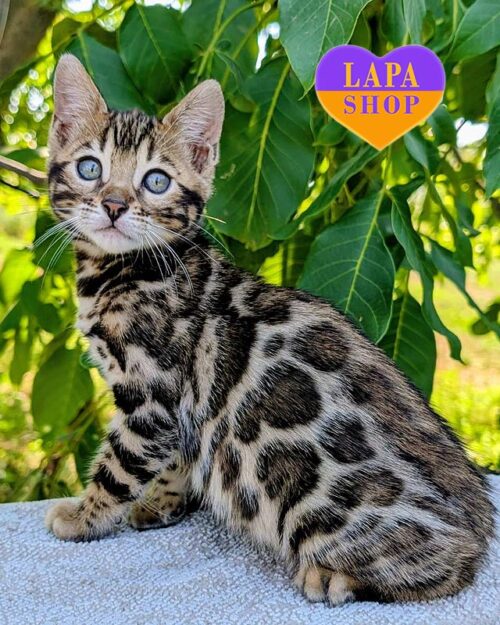
Credit: lapa.shop

Credit: www.adoptapet.com
Frequently Asked Questions
What Should I Know Before Adopting A Bengal Cat?
Bengal cats are active, intelligent, and social pets. They require daily play and mental stimulation. Their unique coat needs regular grooming. Ensure you have time and space for their energetic nature before adopting.
How Much Does It Cost To Adopt A Bengal Cat?
Adoption costs vary, typically ranging from $500 to $1,500. Price depends on breeder reputation, lineage, and location. Additional expenses include food, vet care, and supplies. Always budget for ongoing care beyond adoption fees.
Are Bengal Cats Good For Families With Children?
Yes, Bengals are playful and affectionate, making them great family pets. They enjoy interaction but need gentle handling. Supervise young children to ensure safe and positive experiences for both child and cat.
What Is The Lifespan Of A Bengal Cat?
Bengal cats usually live between 12 to 16 years. Proper diet, regular vet check-ups, and a safe environment help extend their lifespan. Genetics and lifestyle also influence their longevity.
Conclusion
Adopting a Bengal cat brings joy and companionship. These cats are energetic and playful. They need lots of attention and care. Their unique coat and patterns stand out. Bengal cats bond strongly with their families. They can be a bit demanding but are worth it.
Their playful nature keeps you entertained. You get a loyal and loving friend. Before adopting, consider their needs and your lifestyle. Ensure you have time and resources. Bengal cats thrive in active homes. They add fun and love to your life.
Ready to welcome a Bengal? You’ll gain a wonderful furry companion.
