

If you have an Abyssinian cat or are thinking about getting one, understanding their health is crucial. You want your furry friend to stay happy and strong for years to come.
But like all breeds, Abyssinians can face certain health issues that you need to watch out for. Knowing these problems early can help you take better care of your cat and avoid costly vet visits. Keep reading to discover the most common Abyssinian cat health concerns and how you can protect your beloved pet.
Common Health Issues
Understanding the common health issues of Abyssinian cats can help you keep your feline friend happy and thriving. These cats are generally active and playful, but like any breed, they have specific health concerns you should watch for. Staying informed allows you to spot early signs and take action before problems escalate.
Genetic Disorders
Abyssinians are prone to certain genetic disorders that can impact their quality of life. One such condition is pyruvate kinase deficiency, a blood disorder that leads to anemia. If your cat seems unusually tired or pale, it’s worth discussing genetic testing with your vet to catch this early.
Another inherited issue is progressive retinal atrophy, which can cause vision loss over time. Regular eye check-ups are essential to monitor any changes. Early detection can help you adapt your home environment to your cat’s needs if vision deteriorates.
Dental Problems
Dental health is often overlooked, but it plays a big role in your Abyssinian’s overall well-being. These cats can develop gingivitis and periodontal disease if their teeth are not cleaned regularly. You might notice bad breath or difficulty eating, which are signals to check their teeth.
Brushing your cat’s teeth and providing dental treats can reduce plaque buildup. Have you tried dental toys or special diets designed to support oral health? These small steps can save you from expensive dental treatments later.
Respiratory Conditions
Respiratory infections are common in Abyssinians, especially in kittens or older cats. Symptoms like sneezing, coughing, or nasal discharge should never be ignored. These signs often indicate upper respiratory infections, which can worsen without prompt care.
Keeping your cat’s environment clean and stress-free reduces the risk of respiratory issues. If your cat lives with other pets, watch for any signs of illness spreading and consult your vet immediately.
Kidney Disease
Kidney disease is a serious concern for Abyssinians as they age. Symptoms can be subtle at first, such as increased thirst and urination. Regular blood tests and urine analysis can help catch kidney problems early.
Diet plays a crucial role in managing kidney health. Feeding your cat a balanced diet tailored for kidney support can improve their quality of life significantly. Have you noticed your cat drinking more water than usual? It might be time for a vet visit.
Preventive Care
Preventive care plays a vital role in keeping Abyssinian cats healthy and happy. Routine actions can help spot problems early. This care reduces the risk of severe illnesses. It also improves your cat’s quality of life. Establishing a good preventive routine supports their natural energy and playful spirit.
Regular Vet Visits
Schedule vet visits at least once a year. These check-ups help catch health issues early. The vet will examine teeth, eyes, and skin. They check weight and listen to the heart and lungs. Early detection means better chances for treatment. The vet can also advise on diet and exercise.
Vaccinations
Vaccinations protect Abyssinians from common diseases. Core vaccines include those for feline distemper and rabies. Kittens need more frequent shots to build immunity. Adult cats require booster shots to maintain protection. Vaccines reduce the chance of serious infections. Follow the vaccination schedule your vet suggests.
Parasite Control
Parasites like fleas, ticks, and worms harm cats. They cause itching, discomfort, and illness. Use vet-recommended treatments regularly. Preventive medications stop parasite infestations before they start. Keep your cat’s environment clean and dry. Monitor for signs like scratching or weight loss. Effective parasite control supports overall health and comfort.
Diet And Nutrition
Maintaining the right diet and nutrition is crucial for your Abyssinian cat’s health. Their active nature and unique metabolism require specific nutrients to keep them energetic and free from common health issues. Paying close attention to what you feed your feline friend can make a significant difference in their well-being and longevity.
Balanced Diet Needs
Your Abyssinian thrives on a diet rich in high-quality animal protein. Look for foods where meat, like chicken or fish, is the first ingredient. These cats also benefit from moderate fat content to support their energy levels.
Carbohydrates should be limited since Abyssinians don’t digest them well. Including some fiber helps with digestion and prevents hairballs, which are common in this breed. Fresh water must always be available, especially if your cat eats dry kibble.
Foods To Avoid
Some foods can harm your Abyssinian’s health and should be strictly avoided. Steer clear of onions, garlic, and chocolate, as these are toxic to cats. Dairy products can upset their stomach since many cats are lactose intolerant.
Also, avoid feeding your cat raw fish or raw meat regularly, as they can carry parasites. Stay away from excessive treats and human junk food, which can lead to obesity and other health problems. Have you checked your cat’s treat stash lately?
Supplements For Health
Supplements can support your Abyssinian’s coat, joints, and overall vitality, especially if their diet lacks certain nutrients. Omega-3 fatty acids, found in fish oil, help maintain their shiny coat and reduce inflammation.
Glucosamine and chondroitin supplements support joint health, which is important as Abyssinians can be prone to arthritis in older age. Always consult your vet before adding supplements to your cat’s diet to avoid overdosing or harmful interactions.

Credit: www.outdoorbengal.com
Exercise And Enrichment
Exercise and enrichment play a key role in keeping Abyssinian cats healthy and happy. These active cats need regular movement and mental challenges to prevent boredom and health problems. Without enough activity, they may develop weight issues or show signs of stress. Providing both physical and mental stimulation helps maintain their overall well-being.
Physical Activity Benefits
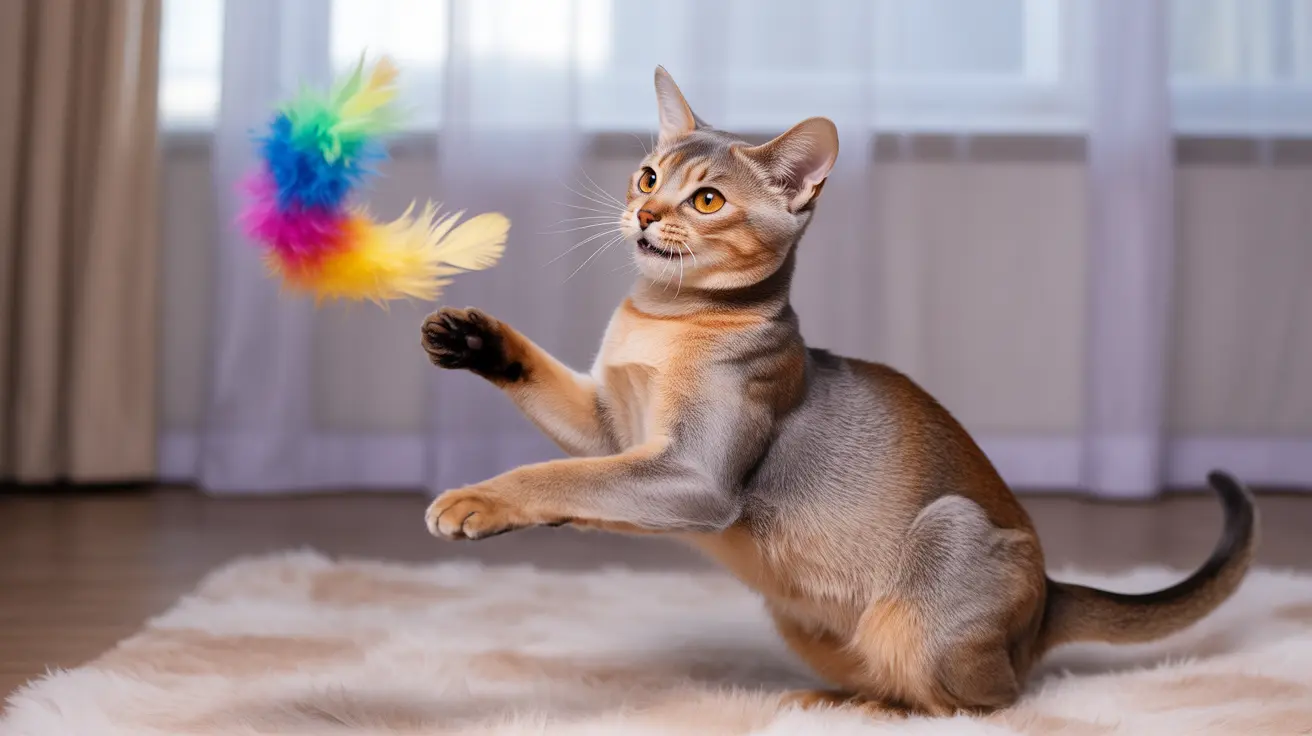
Regular exercise strengthens muscles and keeps joints flexible. It helps control weight and supports heart health. Active play reduces the risk of obesity, a common problem in indoor cats. Exercise also improves digestion and boosts energy levels. For Abyssinians, who love to climb and jump, physical activity is essential.
Mental Stimulation
Mental enrichment keeps the Abyssinian’s sharp mind busy. Puzzle toys and treat dispensers challenge their problem-solving skills. Training sessions with simple commands create bonding moments and mental focus. New scents and sounds offer interesting experiences. Mental activity reduces anxiety and destructive behavior.
Safe Play Ideas
- Interactive wand toys mimic prey and encourage chasing.
- Laser pointers provide fast, fun movement to follow.
- Climbing shelves or cat trees satisfy their love for heights.
- Hide treats inside toys to promote hunting instincts.
- Rotate toys regularly to keep interest high.
Grooming Tips
Keeping your Abyssinian cat well-groomed is essential for its health and happiness. Regular grooming helps prevent common issues and strengthens the bond between you and your feline friend. Let’s look at specific tips to maintain your cat’s coat, nails, and ears in top shape.
Coat Care
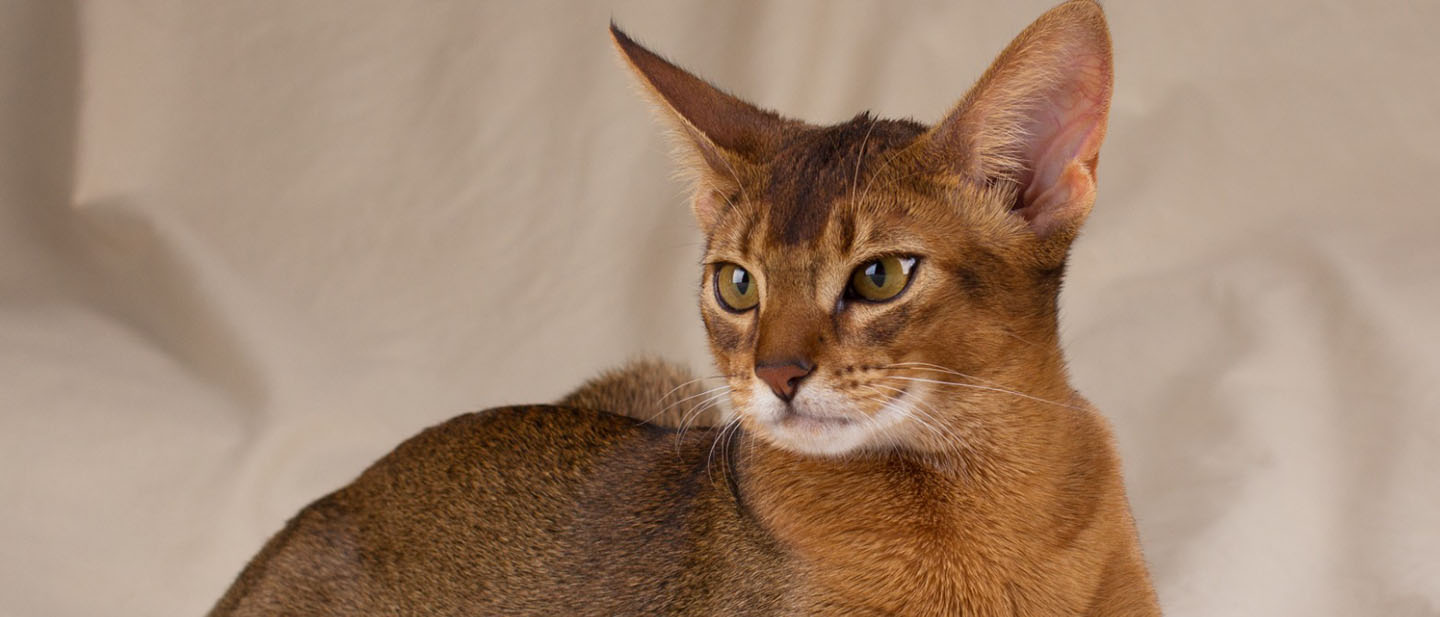
Abyssinians have short, fine fur that feels silky to the touch. Despite the short coat, regular brushing removes loose hairs and keeps the skin healthy.
Use a soft-bristled brush or grooming glove to gently brush your cat at least twice a week. This not only reduces shedding but also helps spot skin problems early. Have you noticed how your cat’s mood improves after a brushing session? That’s because grooming can be a relaxing experience for them.
Nail Trimming
Keeping your Abyssinian’s nails trimmed prevents discomfort and damage to your furniture. Check the nails weekly and trim as needed using a pet nail clipper designed for cats.
If your cat resists nail trimming, try wrapping them in a towel and trimming one or two nails at a time. Offering treats afterward can turn this into a positive routine. Have you tried this approach with your cat?
Ear Cleaning
Abyssinians can be prone to ear mites and infections, so regular ear checks are important. Look for redness, odor, or excessive wax buildup.
Use a damp cotton ball or soft cloth with a vet-approved ear cleaner to gently wipe the outer ear. Avoid inserting anything deep into the ear canal. How often do you check your cat’s ears? Making this a weekly habit can prevent many problems before they start.
Credit: www.whiskas.com.ph
Signs Of Illness
Recognizing the signs of illness in your Abyssinian cat early can make a huge difference in their health and happiness. These cats are known for their energetic and curious nature, so any shift in their usual behavior or appearance should catch your attention quickly. Paying close attention to changes can help you catch problems before they become serious.
Behavioral Changes
Notice if your Abyssinian starts hiding more or stops interacting with you. A cat that suddenly loses interest in play or grooming might be trying to tell you something is wrong.
Watch for changes in eating or drinking habits. Eating less or drinking more than usual can signal health issues that need addressing.
Does your cat seem more lethargic or restless than normal? These shifts in energy levels often point to discomfort or pain.
Physical Symptoms
Look closely at your cat’s coat and skin. Dull fur, excessive shedding, or bald patches can indicate underlying problems.
Check their eyes and nose for unusual discharge or redness. These signs might suggest infections or allergies.
Pay attention to breathing patterns. Labored or noisy breathing is a red flag that requires quick attention.
- Vomiting or diarrhea lasting more than a day
- Swelling or lumps on the body
- Changes in litter box habits, like difficulty urinating
When To Seek Help
If you spot any of these signs, don’t wait to contact your vet. Early intervention can prevent minor issues from turning serious.
Trust your instincts—if something feels off about your cat’s health, it’s better to be cautious.
Have you ever noticed subtle changes in your cat’s behavior that led to discovering an illness? Sharing these experiences with your vet can provide valuable clues for diagnosis.
Credit: www.petscare.com
Frequently Asked Questions
What Are Common Health Issues In Abyssinian Cats?
Abyssinian cats often face kidney disease, patellar luxation, and gingivitis. Regular vet check-ups help detect problems early. Proper diet and dental care reduce risks and improve their quality of life.
How Can I Prevent Abyssinian Cat Health Problems?
Maintain a balanced diet, ensure regular vet visits, and provide dental care. Exercise and mental stimulation keep them healthy. Early detection of symptoms is vital for effective treatment and prevention.
Are Abyssinian Cats Prone To Genetic Diseases?
Yes, Abyssinians may inherit conditions like renal amyloidosis and progressive retinal atrophy. Responsible breeding and genetic testing reduce these risks. Knowing your cat’s family history helps in early diagnosis and care.
What Signs Indicate Abyssinian Cat Health Issues?
Watch for lethargy, appetite loss, limping, or excessive scratching. Dental problems may cause bad breath or drooling. Early symptoms require prompt vet evaluation to prevent serious complications.
Conclusion
Abyssinian cats need regular health checks to stay strong. Watch for signs of common issues like kidney problems and heart disease. Healthy food and exercise help keep them fit. Early care can prevent many serious problems. Spend time learning about your cat’s needs.
A happy Abyssinian lives longer and feels better. Keep love and care at the center of your pet’s life. Simple steps make a big difference in their health.
