

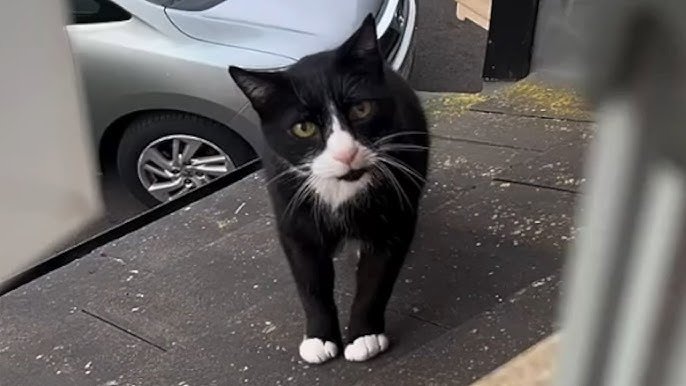
Have you ever thought about how a cat could change your family’s life? When a family adopts a cat, it’s not just about bringing home a pet—it’s about adding a new member who brings joy, comfort, and endless moments of laughter.
Imagine the warmth of a soft purr after a long day or the excitement of watching your kids bond with their furry friend. If you’re wondering what it’s really like to adopt a cat and how it can transform your home, keep reading.
This story will show you why opening your heart to a cat might be the best decision you ever make.
Finding The Perfect Cat
Finding the perfect cat is an exciting journey that goes beyond just picking a cute face. It means understanding your lifestyle, your home environment, and what kind of feline personality will fit best. This process helps ensure a happy life for both you and your new furry family member.
Visiting Shelters And Rescues
Visiting local shelters and rescue centers opens up a world of possibilities. Each place has cats with unique stories and temperaments waiting for someone to notice them. Take your time walking through the aisles—sometimes the best match isn’t the most obvious one.
Pay attention to how cats react to visitors. Some are shy but warm up quickly, while others are outgoing and love attention right away. Seeing cats in their shelter environment also gives you clues about their behavior and health.
Meeting Different Cats
Meeting multiple cats helps you understand what personality suits you best. You might find that a calm, older cat fits your quiet home, or maybe a playful kitten matches your active lifestyle. Don’t hesitate to spend a few moments petting and interacting with each cat.
Notice how each cat responds to touch and eye contact. Does the cat purr, knead, or shy away? Your connection with a cat often starts with these small moments. Asking shelter staff about each cat’s history can also reveal important traits.
Choosing The Right Match
Choosing the right cat means thinking about your daily routine and the cat’s needs. If you work long hours, a more independent cat might be better. If you have children, look for a cat that’s patient and gentle.
Consider practical aspects like age, health, and grooming needs. A healthy, low-maintenance cat can ease your transition, especially if you’re a first-time cat owner. Remember, the right match creates a bond that lasts a lifetime.
Preparing The Home
Preparing your home for a new cat is an important step. It helps the cat feel safe and comfortable. A calm environment reduces stress and builds trust. Planning ahead makes the transition smooth for everyone.
Setting Up A Safe Space
Create a quiet area where the cat can relax alone. Use a small room or a cozy corner. Place a soft bed, food, water, and a litter box there. This space acts as a retreat when the cat feels overwhelmed. It helps the cat adjust to new sounds and smells at its own pace.
Gathering Supplies
Prepare all essentials before the cat arrives. Items to have ready:
- Food and water bowls
- Cat food suitable for the cat’s age
- Litter box and litter
- Scratching post or pad
- Toys for play and exercise
- Brush or comb for grooming
Having these supplies ensures the cat’s basic needs are met from day one.
Cat-proofing The Environment
Remove or secure items that may harm the cat. Check for toxic plants, chemicals, and small objects. Hide electrical cords and cover outlets. Close windows and balconies to prevent escapes. Keep fragile items out of reach. A safe home prevents accidents and keeps the cat healthy.
First Days Together
The first days after adopting a cat are crucial for setting the tone of your new relationship. These moments shape how your feline friend sees their new home and family. Taking time to gently guide your cat through these early interactions can make all the difference.
Introducing Family Members
Start by letting your cat observe family members from a safe distance. Sudden approaches can scare your new pet, so patience is key.
Encourage everyone to use calm voices and slow movements to avoid overwhelming the cat. You might notice your cat responding differently to each person—some may be more curious, others cautious.
Ask yourself: How does my cat react to different family members? This insight helps you understand their comfort levels and plan interactions accordingly.
Building Trust And Comfort
Offer your cat quiet spaces where they can retreat and feel secure. Trust develops when your cat feels safe and unpressured.
Spend time sitting nearby without forcing interaction. Let your cat decide when to approach you, and reward small steps with gentle petting or treats.
Think about what your cat enjoys—do they prefer soft voices, specific toys, or gentle strokes? Tailoring your approach builds a stronger bond faster.
Establishing Routines
Cats thrive on routine, so try to feed, play, and interact at consistent times each day. Predictability helps reduce their anxiety in a new environment.
Create a daily schedule that includes quiet times and active play sessions. This balance keeps your cat engaged without feeling overwhelmed.
Have you noticed your cat’s favorite time of day for play or rest? Aligning with their natural rhythms can make your new household run smoother.
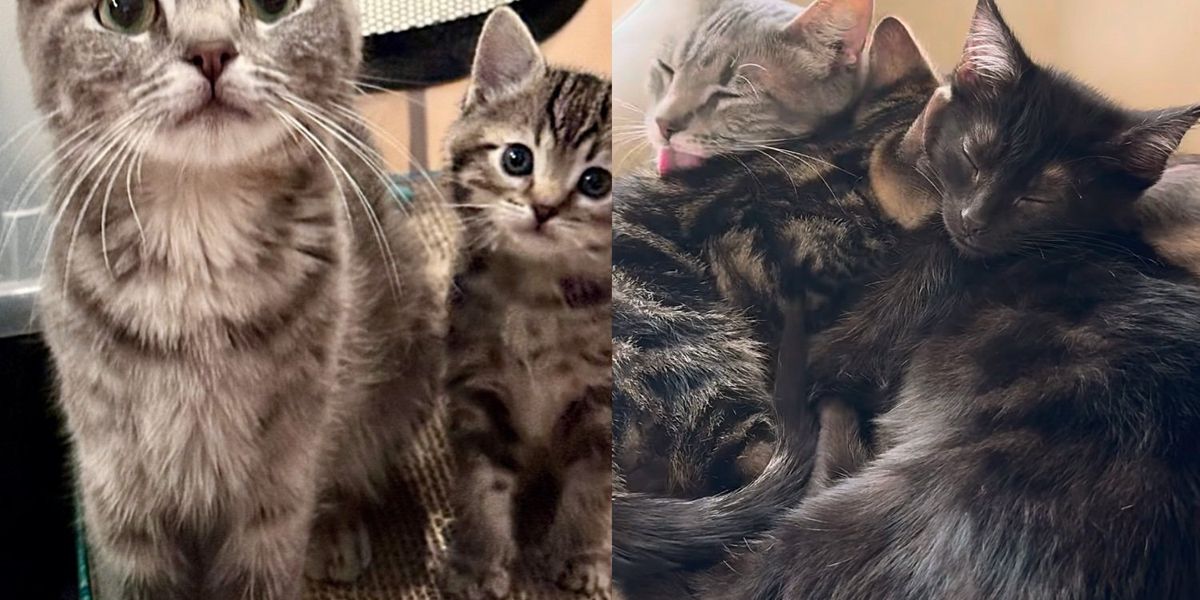
Credit: www.lovemeow.com
Overcoming Challenges
Adopting a cat brings joy and new energy into a home. It also comes with challenges that require understanding and effort. Every cat has its own personality and needs. Families must learn to adapt and care for their new pet with love and patience. Overcoming these challenges builds a stronger bond between the cat and the family.
Adjusting To New Behavior
New cats may act shy or scared at first. They might hide or avoid people. It takes time for them to trust their new family. Families should give cats space and avoid forcing interaction. Watching the cat’s habits helps understand its comfort zones. Slowly, the cat begins to explore and feel safe.
Handling Health Concerns
Some cats arrive with health problems. These can include fleas, infections, or poor nutrition. A vet checkup is important soon after adoption. The vet can recommend treatments and vaccines. Families should follow the vet’s advice carefully. Healthy cats become happier and more playful over time.
Patience And Persistence
Success with a new cat needs patience. Changes do not happen overnight. Consistent care and gentle handling build trust. It is normal for cats to test limits. Responding calmly helps guide good behavior. Over time, families see the cat’s true personality emerge.
Bonding And Growth
Bonding with a newly adopted cat creates a special connection. It helps the cat feel safe and loved. Both family and cat grow together through shared moments. Trust builds slowly but surely over time. Patience and care make this journey rewarding.
Play And Interaction
Playing is key to building trust and joy. Simple toys like string or balls invite the cat to join in. Gentle petting and talking also deepen the bond. Family members learn the cat’s likes and dislikes. This interaction helps the cat feel comfortable and happy.
Watching Personality Shine
Each cat has a unique personality that reveals itself with time. Some cats are shy, others curious or playful. Observing these traits helps the family understand their new member better. Recognizing quirks and habits makes the bond stronger. It turns the cat from a pet into a true family friend.
Celebrating Milestones
Small achievements matter during the adjustment period. Using the litter box consistently or responding to their name are milestones. Rewarding good behavior with treats encourages learning. Celebrations show the cat that it is part of the family. These moments create lasting memories and deepen affection.
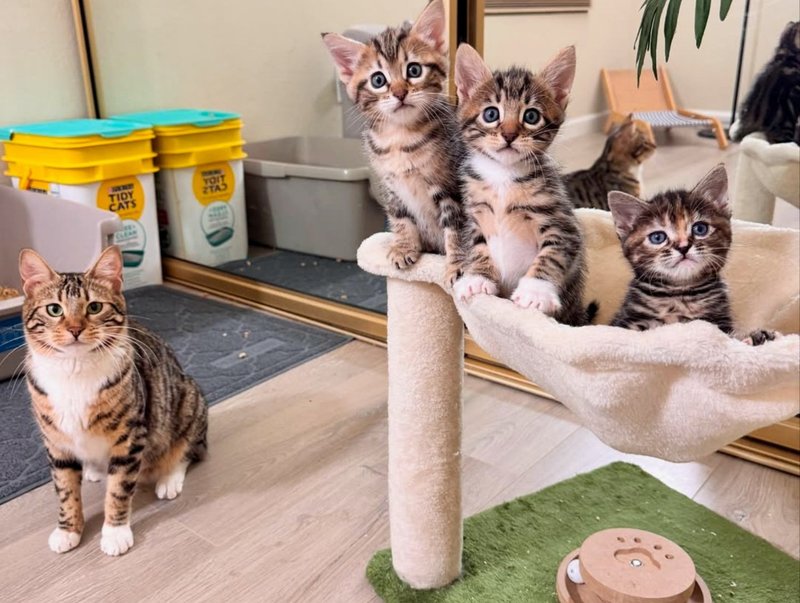
Credit: www.lovemeow.com
Sharing The Experience
Sharing the experience of adopting a cat can turn a simple act of kindness into a ripple effect of positive change. It connects you with others and highlights the joy and challenges of welcoming a new furry member into your family. When you share your story, you don’t just celebrate your pet—you inspire a community to open their hearts and homes.
Involving The Community
Bringing your community into your adoption journey creates a support network that benefits both you and your cat. You might organize local meetups or join online groups where people share tips, stories, and resources. These interactions not only help you learn but also encourage others to consider adoption.
Imagine hosting a small event at a local park or pet store where neighbors can meet your cat and hear about your experience firsthand. How could your personal story motivate someone to take the step toward adoption?
Inspiring Others To Adopt
Your adoption story can be a powerful tool to encourage others to choose adoption over buying pets. Sharing candid moments—like the first night your cat explored the house or the funny quirks that make them unique—adds authenticity. People relate to real-life experiences more than polished marketing.
Try posting photos and updates on social media or writing a blog post with practical advice. What barriers might you help others overcome by honestly discussing your challenges and successes?
Creating Lasting Memories
Adopting a cat is just the beginning of a lifelong bond filled with memorable moments. Capture everyday joys, like your cat’s first playful pounce or the quiet times curled up together. These memories build a story you can revisit and share for years to come.
Consider keeping a journal or photo album dedicated to your pet’s milestones. How will you document your journey to remind yourself and others why adoption matters?
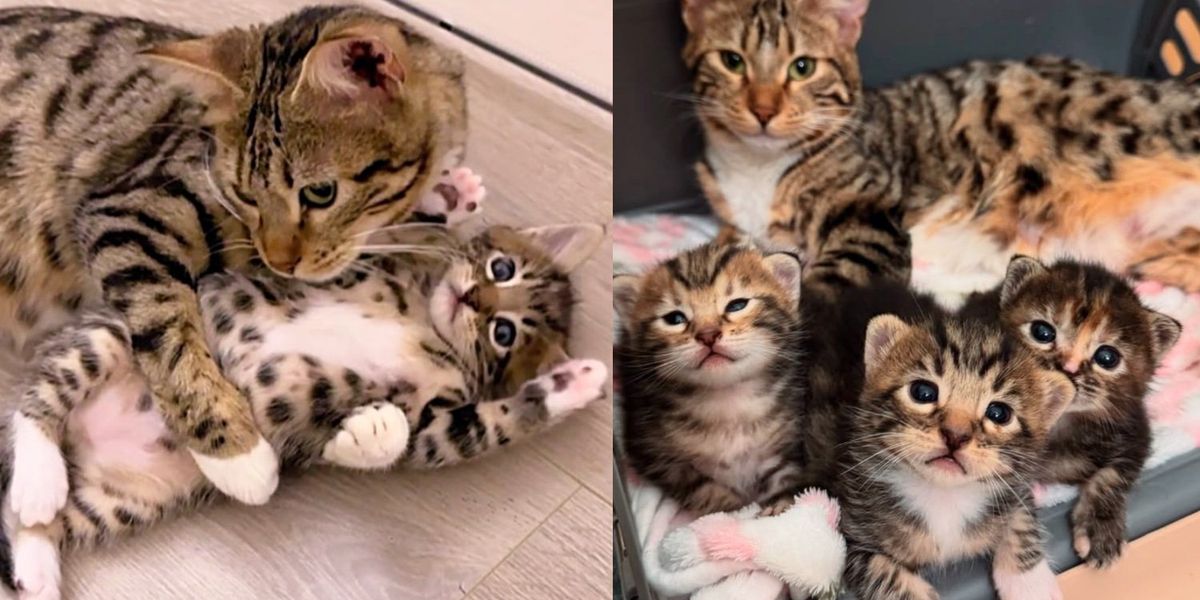
Credit: www.lovemeow.com
Frequently Asked Questions
How Does Adopting A Cat Benefit A Family?
Adopting a cat brings joy, companionship, and emotional support. It teaches children responsibility and empathy. It also helps reduce pet overpopulation and gives a loving home to a needy animal.
What Should Families Consider Before Adopting A Cat?
Families should consider allergies, time commitment, and pet expenses. They must evaluate their lifestyle and living space. Researching cat breeds and rescue shelters helps find the right match.
How To Prepare Home For A New Cat?
Create a safe space with food, water, and litter box. Remove harmful plants and secure loose wires. Provide toys and scratching posts to keep the cat engaged and comfortable.
What Are Common Challenges In Cat Adoption?
Common challenges include adjusting to new routines and behavior issues. Cats may hide or be shy initially. Patience, consistency, and positive reinforcement help overcome these challenges.
Conclusion
Welcoming a new cat into the family is truly heartwarming. Cats bring joy and companionship. They quickly become part of the household. Their playful nature delights everyone. Adopting a cat can change your life. It brings warmth and happiness. Cats offer comfort and love every day.
They make homes lively and cheerful. Remember, adoption means giving a loving pet a second chance. It benefits both the pet and the family. Embrace the joy of having a furry friend. Your family will never be the same. A cat’s love is truly special.
Cherish this unique bond forever.
