


Are you thinking about adding a furry friend to your home? An Exotic Shorthair cat might be the perfect match for you.
With their sweet faces and gentle personalities, these cats bring comfort and joy without the fuss of long fur. If you want a pet that’s affectionate, playful, and easy to care for, keep reading. This guide will help you understand everything you need to know about Exotic Shorthair cat adoption, so you can make the best choice for you and your new companion.
Exotic Shorthair Traits
Understanding the traits of the Exotic Shorthair cat can help you decide if this breed fits your lifestyle. These cats combine charm and uniqueness in a compact package. Their traits span physical looks, personality, and health, which all play a role in their care and companionship.
Physical Appearance
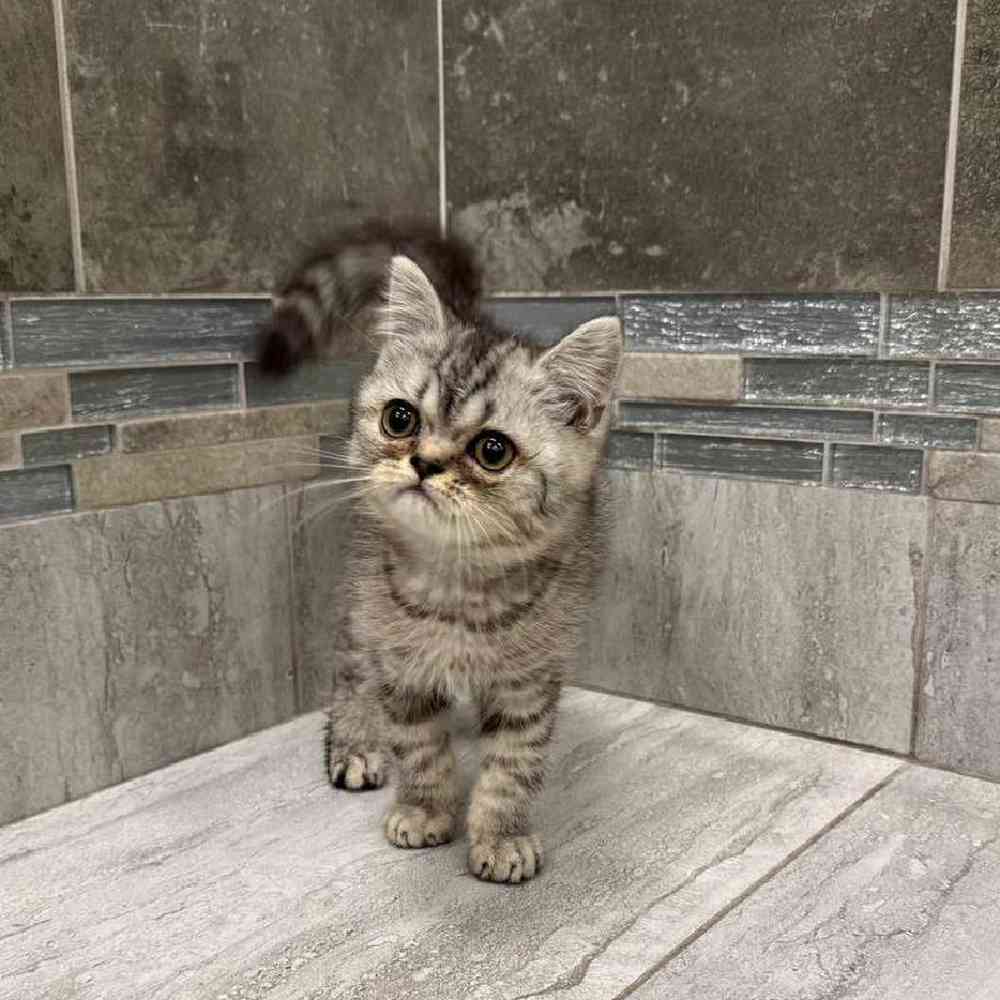
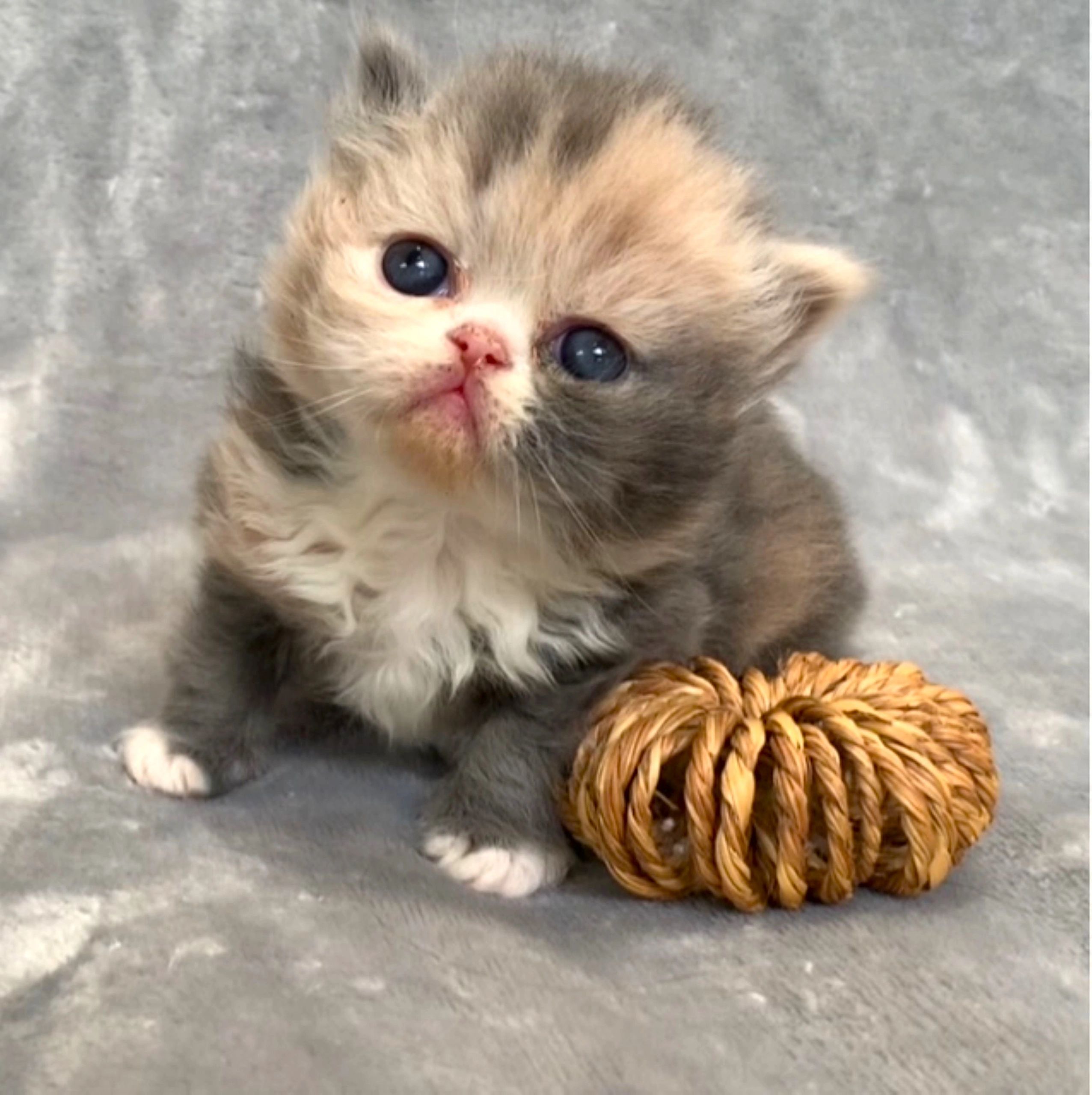
The Exotic Shorthair has a distinctive look with a round face and large, expressive eyes that often captivate anyone who meets them. Their coat is short but dense, giving a plush feel without the grooming demands of a long-haired cat.
You’ll notice their broad head, short nose, and small ears that sit low, creating a sweet, almost teddy bear-like expression. Their body is medium to large, muscular, and sturdy, making them quite robust compared to more delicate breeds.
Personality And Temperament
These cats are known for their calm and gentle nature. They enjoy affection and often seek out your company without being overly demanding.
Many owners find them surprisingly playful and curious, which breaks the stereotype of them being lazy lap cats. Does your home benefit from a cat that’s both relaxed and occasionally lively?
Exotic Shorthairs adapt well to different living environments, whether it’s a busy household or a quiet apartment. Their friendly disposition extends to strangers and other pets, helping you avoid social stress.
Health Considerations
While generally healthy, Exotic Shorthairs can inherit some health issues due to their flat faces. Breathing difficulties and tear duct problems are common, so regular veterinary check-ups are essential.
Keeping their eyes clean and monitoring for any respiratory signs can prevent discomfort. Additionally, watch for obesity since their laid-back nature might lead to less exercise.
Would you be ready to commit to the extra care these cats might need? Ensuring their well-being means a longer, happier life for your new feline friend.
Choosing The Right Exotic Shorthair
Choosing the right Exotic Shorthair cat takes careful thought. This breed is known for its sweet nature and plush coat. Your choice affects your happiness and the cat’s well-being. Consider health, temperament, and background before adopting. Each step in the selection process matters a lot.
Finding Reputable Breeders
Start by researching breeders with strong reputations. A good breeder prioritizes cat health and socialization. They provide health records and clear lineage. Visit the breeder’s facility to see how cats live. Watch for clean spaces and friendly animals. Ask about vaccinations and genetic testing. Good breeders answer all your questions openly. Avoid breeders who rush sales or hide details.
Adoption From Shelters
Shelters and rescues often have Exotic Shorthairs in need of homes. Adopting from shelters saves lives and reduces pet overpopulation. Shelter staff can tell you about the cat’s behavior and health. Many cats are already spayed or neutered. Meet the cat several times to build trust. Consider adult cats—they can be calm and loving pets. Shelters usually charge lower fees than breeders.
Evaluating Kitten Or Adult Cat
Decide if a kitten or adult cat suits your lifestyle best. Kittens need more time, training, and patience. They are playful and curious but fragile. Adult cats often have known personalities and habits. They may require less supervision and adapt quickly. Check the cat’s eyes, coat, and energy level for health signs. Look for friendly behavior toward people. Choosing a cat that fits your home ensures a happy life.
Preparing Your Home
Getting ready to welcome an Exotic Shorthair cat into your home means more than just picking out a cute collar. It’s about creating a space where your new feline friend feels safe, loved, and comfortable right from day one. Preparing your home thoughtfully can make the transition smoother for both you and your cat, helping to build a strong bond from the start.
Essential Supplies
Before your Exotic Shorthair arrives, gather the basics that will support their daily needs. Some essentials include:
- A sturdy litter box with low sides for easy access
- High-quality cat food suited to their dietary needs
- Fresh water bowls or a cat water fountain
- Soft bedding that provides warmth and comfort
- Interactive toys to keep them mentally and physically active
Having these ready helps your cat settle quickly and prevents unnecessary stress. Think about your cat’s personality—do they like climbing or prefer quiet nooks? Tailoring supplies to their temperament is key.
Safe And Comfortable Spaces
Exotic Shorthairs appreciate calm environments where they can relax undisturbed. Designate a quiet corner or a cozy room where your cat can retreat when they want some alone time.
Consider placing cat trees or shelves near windows to give them a view and a perch to observe their surroundings. Soft blankets or heated pads can make resting areas even more inviting, especially since Exotic Shorthairs enjoy warmth.
Have you thought about how loud noises or busy areas in your home might affect your cat? Minimizing sudden disruptions can help your new pet feel secure and reduce anxiety.
Introducing Other Pets
Bringing an Exotic Shorthair into a home with other pets requires patience and planning. Start by keeping your new cat separated in a quiet room for a few days, allowing them to get used to the new smells without direct contact.
Gradually introduce your pets through scent swapping—exchange bedding or toys so they become familiar with each other’s presence. When face-to-face meetings begin, keep them short and supervised to avoid stress or conflict.
Have you noticed how your current pets react to changes? Observing their behavior closely can guide the pace of introductions. Remember, building harmony takes time, but careful steps can lead to peaceful coexistence.

Credit: www.petfinder.com
Daily Care And Maintenance
Daily care and maintenance keep your Exotic Shorthair healthy and happy. These cats need simple routines. Regular attention helps avoid health problems. Understanding their needs improves their quality of life.
Feeding And Nutrition
Provide a balanced diet for your Exotic Shorthair. Use high-quality cat food with proper nutrients. Monitor portions to prevent obesity. Fresh water should always be available. Avoid giving too many treats. Consult your vet for specific dietary needs.
Grooming Needs
Exotic Shorthairs have dense, plush coats. Brush their fur two to three times a week. This reduces shedding and prevents mats. Clean their eyes gently, as they may tear. Trim nails regularly to avoid scratching. Bathing is rarely needed but can be done occasionally.
Exercise And Play
These cats enjoy moderate playtime daily. Provide toys that stimulate their hunting instincts. Short play sessions keep them active and fit. Interactive toys and laser pointers work well. Create safe spaces for climbing and exploring. Exercise helps reduce boredom and stress.
Health And Vet Care
Exotic Shorthair cats need good health care to live happy lives. Paying attention to their health helps prevent many problems. Regular vet visits and proper care keep them strong. Understanding common issues and prevention is key to responsible adoption.
Common Health Issues
Exotic Shorthairs can face some health challenges due to their unique features. Breathing problems happen because of their flat faces. They may also get eye infections and tear duct problems. Kidney disease and heart conditions appear in some cats. Watch for signs like coughing, sneezing, or changes in behavior.
Regular Checkups
Routine vet visits help catch problems early. Plan checkups every six to twelve months. The vet checks their eyes, ears, teeth, and weight. Early detection of illness improves treatment success. Keep a health record for your cat. Note vaccines, treatments, and any concerns.
Vaccinations And Preventive Care
Vaccines protect Exotic Shorthairs from serious diseases. Core vaccines include feline distemper, calicivirus, and rabies. Discuss a vaccination schedule with your vet. Flea and tick prevention is essential. Use vet-recommended products to avoid side effects. Regular dental care prevents gum disease and tooth loss.
Credit: www.safaristanspetcenter.com
Building A Strong Bond
Building a strong bond with your Exotic Shorthair cat is essential for a happy and healthy relationship. These cats thrive on attention and affection, but understanding how to connect with them takes patience and care. Your efforts to communicate and engage will shape a lifelong friendship filled with trust and joy.
Communication And Interaction
Exotic Shorthairs often express themselves through subtle body language. Pay close attention to their eyes, ears, and tail movements to understand their mood.
Try gentle vocal tones and soft petting to encourage your cat to respond. Notice how your cat reacts—do they purr or nuzzle back? These small interactions build trust.
Have you ever noticed your cat staring at you during quiet moments? That’s their way of connecting. Make time daily for calm, focused interaction without distractions.
Training Tips
Training your Exotic Shorthair doesn’t have to be complicated. Use positive reinforcement like treats and praise to encourage good behavior.
- Start with simple commands like “come” or “sit.”
- Keep training sessions short—five to ten minutes works best.
- Be consistent with your cues and rewards.
Training strengthens your bond by creating clear communication. Have you tried clicker training? It can be a fun way to teach tricks while keeping your cat mentally active.
Recognizing Behavior Changes
Changes in your cat’s behavior can signal stress or health issues. Watch for signs like decreased appetite, hiding, or increased vocalization.
Keep a journal of daily behaviors to spot patterns. When you notice anything unusual, act quickly by consulting your vet or adjusting your care routine.
What small changes have you noticed that led to important discoveries about your cat’s wellbeing? Staying alert keeps your bond strong and your cat happy.
Travel And Lifestyle Tips
Adopting an Exotic Shorthair cat means embracing a lifestyle that fits both your needs and theirs. These cats thrive on comfort and routine, but that doesn’t mean you have to give up your love for travel or new experiences. With the right approach, you can make your adventures enjoyable for both you and your feline friend.
Traveling With Your Cat
Traveling with an Exotic Shorthair requires preparation to keep your cat calm and safe. Start by getting your cat used to their carrier at home—leave it open with their favorite blanket or toy inside. This helps reduce stress when it’s time to travel.
During travel, maintain a comfortable temperature and avoid loud noises. Bring familiar items like their blanket or a piece of your clothing with your scent on it. This helps your cat feel secure in unfamiliar surroundings.
Consider short trips first to see how your cat adapts. Watch for signs of stress such as excessive meowing or hiding. Would you feel confident taking your cat on a longer journey after these practice runs?
Adapting To Life Changes
Exotic Shorthairs can be sensitive to changes in their environment. Moving to a new home or adding new family members can be stressful. Introduce changes gradually and keep your cat’s routine as consistent as possible.
Provide multiple quiet spots for your cat to retreat to when they need time alone. This helps them adjust without feeling overwhelmed. You might notice your cat becoming more playful or affectionate once they feel secure again.
How do you help your cat cope with change? Sharing your experiences and observing your cat’s reactions can guide you toward better support strategies.
Ensuring Long-term Happiness
Long-term happiness for your Exotic Shorthair depends on both physical and emotional care. Regular vet visits, balanced nutrition, and plenty of playtime keep them healthy and engaged.
Spend quality time with your cat daily, using interactive toys or gentle petting. This strengthens your bond and keeps boredom at bay. Remember, your attention means more to your cat than any fancy toy or gadget.
Think about your cat’s happiness as an ongoing journey. What small changes can you make today to improve their life tomorrow?
Credit: myexoticfurs.com
Frequently Asked Questions
What Should I Know Before Adopting An Exotic Shorthair?
Exotic Shorthairs need regular grooming despite their short coat. They enjoy calm environments and bond closely with owners. Be ready for potential respiratory issues due to their flat face.
How Much Does An Exotic Shorthair Cat Cost?
Exotic Shorthair cats typically cost between $800 and $2,000. Price varies based on breeder reputation, lineage, and location. Adoption fees from shelters may be lower.
Are Exotic Shorthairs Good For Families With Children?
Yes, Exotic Shorthairs are gentle and affectionate, making them great family pets. They tolerate children well and prefer peaceful interactions. Supervise young kids to ensure respectful play.
What Is The Lifespan Of An Exotic Shorthair Cat?
Exotic Shorthairs generally live between 12 to 15 years. Proper diet, regular vet care, and a safe environment can extend their lifespan. Early health checks are recommended.
Conclusion
Adopting an Exotic Shorthair cat brings joy to your home. These cats offer love and companionship. Their calm nature makes them great for families. Plus, their unique looks add charm. Remember, they need regular grooming. Also, ensure they get routine vet check-ups.
This keeps them healthy and happy. Consider their needs before adoption. It’s a long-term commitment. But the reward is immense love and joy. An Exotic Shorthair could be your perfect furry friend. Take the step today. Enjoy a lifetime of purrs and cuddles.
