

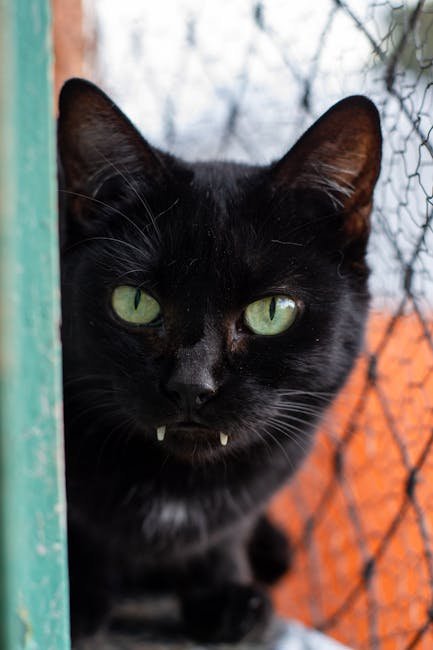
Thinking about adding a furry friend to your home? You’re probably wondering, “How much do cats cost to adopt?” It’s a smart question because knowing the costs upfront can help you prepare and avoid surprises.
From adoption fees to initial supplies, there’s more to consider than just the price tag. Keep reading to discover everything you need to know about adopting a cat without breaking the bank—and how to give your new pet the best start possible.

Credit: communitycatsyeg.com
Adoption Fee Breakdown
Understanding the adoption fee helps plan for bringing a cat home. Fees vary widely depending on many elements. Knowing what the costs include makes the process clear and fair.
Typical Fee Ranges
Adoption fees usually range from $50 to $150. Some shelters charge less to encourage more adoptions. Specialty breeds or older cats might cost more. Prices differ by location and organization type.
Factors Affecting Costs
- Age of the cat: kittens often cost more than adults.
- Health status: vaccinated or treated cats have higher fees.
- Breed: purebred cats can have higher adoption prices.
- Shelter resources: private rescues may charge more than public shelters.
- Special promotions can lower fees temporarily.
What Fees Usually Cover
- Vaccinations: protection against common diseases.
- Spaying or neutering: essential for pet population control.
- Microchipping: for permanent identification.
- Basic health checkups and treatments.
- Some shelters include starter supplies like food or litter.
Additional Expenses After Adoption
Adopting a cat is just the beginning of a rewarding journey. Costs continue beyond the adoption fee. Understanding these expenses helps prepare for your cat’s needs and happiness. Cats require care, comfort, and health attention to thrive in their new home.
Initial Medical Care
New cats need immediate health checks. Vaccinations protect them from common diseases. Spaying or neutering is often necessary to prevent unwanted litters. Some cats may need flea or worm treatments. A vet visit soon after adoption is crucial for a healthy start.
Supplies And Equipment
Setting up your home for a cat involves buying essentials. A litter box and litter keep things clean. Food and water bowls are needed every day. A comfortable bed or blanket provides rest. Scratching posts save your furniture from damage. Toys keep cats active and happy.
Ongoing Food And Care Costs
Quality food is vital for a cat’s health. Food costs vary by brand and type. Regular grooming may be needed, especially for long-haired cats. Routine vet visits keep your cat healthy. Budget for unexpected health issues or emergencies. These ongoing costs ensure your cat lives well and long.
Comparing Adoption To Buying
Deciding between adopting a cat or buying one is more than just a financial choice. It impacts your experience, the cat’s wellbeing, and even your community. Understanding the differences in cost, benefits, and risks can help you make a decision that fits your lifestyle and values.
Cost Differences
Adopting a cat usually costs significantly less than buying from a breeder or pet store. Adoption fees typically range from $50 to $150, covering vaccinations, spaying/neutering, and microchipping.
Buying a cat can cost anywhere from $500 to over $2,000, depending on the breed and pedigree. These prices often exclude initial medical care, which can add hundreds more to your upfront expenses.
Have you calculated your budget for the first year? Adoption lowers initial costs, freeing you to spend more on quality food and toys.
Benefits Of Adoption
Adopting a cat gives you the chance to save a life. Many cats in shelters need loving homes, and adoption helps reduce overcrowding.
Adopted cats often come with some health checks and vaccinations already done. This can save you time and money while providing peace of mind.
When you adopt, you also support animal welfare organizations. Your choice can encourage more ethical treatment of animals in your community.
Risks Of Purchasing
Buying cats from breeders or pet stores carries risks you might not expect. Some sellers prioritize profit over health, leading to kittens with genetic issues or poor socialization.
Without thorough research, you might end up with a pet that has hidden medical problems, resulting in unexpected veterinary bills. This can strain your finances and emotional wellbeing.
Would you rather face these risks or give a shelter cat a second chance? The choice affects not just your wallet but your cat’s future happiness.
Ways To Save On Adoption Fees
Adopting a cat is a wonderful choice, but the adoption fees can sometimes feel steep. Luckily, there are several ways to reduce these costs without compromising on the care and quality of your new feline friend. Knowing where and how to look can make a big difference in your budget.
Adoption Events And Discounts
Many shelters and pet stores hold special adoption events where fees are lowered or waived entirely. These events often coincide with holidays, awareness months, or community celebrations.
Keep an eye on local event calendars and social media pages of shelters near you. Signing up for newsletters can also alert you to upcoming discounts. Your patience during these events could save you a significant amount.
Nonprofit And Rescue Organizations
Nonprofit groups often have lower adoption fees compared to larger shelters. They rely heavily on donations and volunteers, which helps keep costs down.
Reach out to breed-specific rescues if you have a particular type of cat in mind. These organizations sometimes offer sliding scale fees based on your income, so don’t hesitate to ask if you qualify.
Foster-to-adopt Programs
Foster-to-adopt programs allow you to take a cat home temporarily before fully committing. This trial period can sometimes come with reduced or deferred adoption fees.
This approach also helps you understand the cat’s personality and needs better. Wouldn’t it be great to know if your new companion fits your lifestyle before making a financial commitment?
How To Budget For A New Cat
Bringing a new cat into your home is exciting and joyful. Budgeting carefully helps you provide the best care without surprises. Knowing the costs ahead lets you plan well for your cat’s needs.
Estimating Initial Costs
Adoption fees vary from shelter to shelter. They usually cover vaccinations, spaying, or neutering. Expect to pay for a collar, bed, and litter box. Initial vet visits are important for health checks. These first expenses set the foundation for your cat’s well-being.
Planning For Long-term Expenses
Food is a monthly cost that depends on your cat’s size. Regular vet check-ups keep your cat healthy and happy. Toys and scratching posts help prevent boredom. Grooming tools and flea treatments add to the budget. These ongoing costs need steady planning to avoid stress.
Emergency Fund Tips
Unexpected health issues can be costly. Save a small amount monthly for emergencies. A fund of at least a few hundred dollars works well. Look into pet insurance to reduce surprise bills. Being prepared means your cat gets help fast if needed.

Credit: www.ottawahumane.ca
Questions To Ask Before Adopting
Adopting a cat is a big decision. Asking the right questions helps prepare you for the responsibility. It also ensures the cat fits your lifestyle and budget. Knowing details about fees, health, and support makes adoption smoother.
Inquiries About Fees
Understand all costs before adopting. Ask about the adoption fee and what it covers. Some centers include vaccinations, microchipping, or spaying/neutering. Clarify if additional expenses like supplies or vet visits are expected. Knowing fees upfront prevents surprises later.
Health And Behavior History
Request the cat’s health records and medical history. Ask about past illnesses, vaccinations, or treatments. Learn about any behavior traits or special needs. This information helps you prepare for care and training. It also ensures you meet the cat’s needs.
Support From Adoption Centers
Check if the center offers post-adoption support. Ask about return policies or trial periods. See if they provide advice on feeding, grooming, or health care. Knowing help is available makes the transition easier for both you and the cat.

Credit: pvhsociety.ca
Frequently Asked Questions
How Much Does It Cost To Adopt A Cat?
Adoption fees typically range from $50 to $150. This covers vaccinations, spaying/neutering, and microchipping. Prices vary by shelter and location.
Are There Hidden Costs In Cat Adoption?
Yes, initial costs like food, litter, toys, and vet visits add up. Prepare a budget beyond the adoption fee.
Do Adoption Fees Cover Veterinary Care?
Most shelters include basic vet care like vaccinations and spaying/neutering in the fee. Additional treatments may cost extra.
Can Adopting A Cat Save Money Compared To Buying?
Adopting is generally cheaper and supports animal welfare. Buying from breeders or pet stores often costs more and may include extra expenses.
Conclusion
Adopting a cat involves both joy and cost. Initial fees, food, and vet bills add up. Budget carefully to ensure a happy home for your furry friend. Think long-term. Cats live many years, needing care throughout. Consider adoption from shelters.
They often include shots and neutering in fees. Love and responsibility go hand in hand. Cats bring companionship, but also require commitment. Make sure you’re ready for this rewarding journey. Your new feline friend will enrich your life. Remember, every cat deserves a safe and loving home.
Enjoy the adventure with your new pet.
