


Are you thinking about bringing a furry friend into your home? Adopting a cat can be one of the most rewarding decisions you make, but it’s important to get it right from the start.
Imagine the joy of a purring companion waiting just for you. This guide will walk you through every step, making the process simple and stress-free. By the end, you’ll know exactly how to choose the perfect cat and create a loving home where both of you will thrive.
Ready to find your new best friend? Let’s dive in.
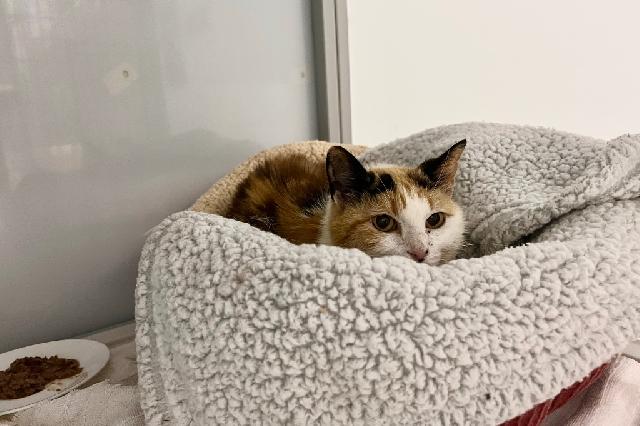
Credit: www.safehavenforcats.org
Choosing The Right Cat
Choosing the right cat is a crucial step in making sure you and your new furry friend enjoy a happy life together. It’s not just about picking a cute face; you need to think about how a cat’s personality and needs will fit into your lifestyle. Taking time to understand what kind of cat matches your home and habits can save both of you from frustration later on.
Consider Age And Temperament
Think about whether you want a playful kitten or a calm adult cat. Kittens need lots of time and patience for training and socializing. Adult cats often have established personalities, making it easier to choose one that fits your energy level.
Temperament matters just as much as age. Some cats are independent and quiet, while others crave attention and are very active. Ask yourself, do you want a cat that will follow you around all day or one that prefers its own space?
Breed Characteristics
Each cat breed has unique traits that affect behavior, grooming needs, and health. For example, Siamese cats are vocal and social, while Maine Coons are large and gentle. If you’re allergic, breeds like the Balinese or Sphynx might be better options.
Research breeds that interest you and compare their typical personalities to your lifestyle. This helps in setting realistic expectations and finding a cat that fits well with your daily routine.
Adoption Vs. Purchase
Choosing between adopting from a shelter and buying from a breeder is important. Adoption gives a homeless cat a second chance and often includes health checks and vaccinations. Shelters usually have cats of all ages and temperaments ready for new homes.
Buying from a breeder might be preferable if you want a specific breed or a cat with a known lineage. However, this often involves higher costs and requires careful research to avoid supporting unethical breeding practices.
Have you thought about how your choice impacts not just your life but the cat’s future? Your decision shapes the kind of relationship you’ll build and the happiness you both will share.
Preparing Your Home
Getting your home ready for a new cat sets the stage for a smooth transition. Cats need a place where they feel secure and relaxed. Preparing your space thoughtfully helps your cat settle in faster and reduces stress for both of you.
Safe Spaces And Comfort
Cats love having their own quiet spots. Create at least one cozy nook where your cat can hide and observe without feeling threatened.
Use soft bedding or blankets in a low-traffic area. I placed a small box with a fleece blanket in a corner, and my cat immediately claimed it as her safe zone. Have you thought about where your cat might feel safest in your home?
Essential Supplies
Before your cat arrives, gather all the basics. You’ll need a litter box, food and water bowls, scratching posts, and toys.
- Litter Box:Choose a quiet spot and keep it clean to encourage use.
- Food & Water:Provide fresh water daily and feed quality cat food suited to your cat’s age.
- Scratching Post:Helps protect your furniture and lets your cat stretch and mark territory.
- Toys:Interactive toys can keep your cat entertained and active.
Gathering everything beforehand means your cat won’t feel lost or uncomfortable. What supplies do you think your cat would enjoy most?
Cat-proofing Tips
Look around your home with fresh eyes. What could pose a danger or be tempting for a curious cat?
- Secure loose wires and cords to prevent chewing hazards.
- Keep toxic plants and chemicals out of reach.
- Close windows or make sure they have secure screens.
- Remove small objects that could be swallowed.
When I first brought my cat home, I underestimated her curiosity with dangling cords—she quickly made me aware! Taking time to cat-proof helps avoid accidents and lets your cat explore safely. What hidden dangers might you overlook in your space?
Bringing Your Cat Home
Bringing your cat home is an exciting moment filled with anticipation and care. This transition sets the stage for your cat’s comfort and trust in their new environment. Paying attention to key details during this phase can make a big difference in how smoothly your cat settles in.
Transport Tips
Choose a sturdy, well-ventilated carrier to keep your cat secure during the trip. Line the bottom with a soft blanket or towel that smells familiar, if possible, to help reduce stress.
Keep the carrier covered with a light cloth to minimize visual stimuli that might scare your cat. Avoid loud noises and sudden movements while driving; smooth, calm motions help your cat feel safer.
Talking softly to your cat or playing gentle music can soothe them during transport. Have you noticed how a calm voice can sometimes ease nervous pets?
First Day Expectations
Your cat will likely be cautious and may hide at first. Allow your cat to explore at their own pace without forcing interactions.
Set up a quiet area with essentials like food, water, and a litter box nearby. This gives your cat a safe space to retreat to when feeling overwhelmed.
Don’t overwhelm your cat with visitors or loud noises. Patience here pays off—how you act on day one shapes your cat’s confidence in their new home.
Introducing To Family Members
Introduce your cat to family members one at a time to avoid overwhelming them. Ask everyone to stay calm and use soft voices to create a welcoming atmosphere.
Encourage gentle, slow movements and let your cat approach people when ready. Have you observed how cats often come out when they feel safe, not when they’re chased?
Children should be supervised and taught how to interact respectfully with the new cat. Early positive experiences with family build lasting bonds and trust.
Health And Nutrition
Keeping your cat healthy starts with proper care and good nutrition. A balanced diet supports their energy, growth, and immune system. Healthy cats live longer and feel happier. Understanding their health needs helps you provide the best care from day one.
Choosing The Right Food
Cats need food rich in protein and low in carbohydrates. Wet food helps keep them hydrated. Dry food supports dental health. Look for brands with natural ingredients and no fillers. Avoid foods with artificial colors or preservatives. Kittens, adults, and senior cats have different nutritional needs. Select food based on your cat’s age and lifestyle.
Regular Vet Visits
Routine vet check-ups catch health problems early. Vets check teeth, weight, and overall condition. Regular visits ensure your cat stays up to date on care. Your vet can advise on diet, behavior, and vaccinations. Make visits a positive experience with treats and calm talk.
Vaccinations And Parasite Control
Vaccines protect cats from dangerous diseases. Core vaccines include rabies, feline distemper, and respiratory infections. Parasite control prevents fleas, ticks, and worms. Use vet-recommended treatments regularly. Keep your cat indoors or check for parasites after outdoor time. Healthy cats need strong protection against illness and pests.
Building A Bond
Building a bond with your new cat is essential for a happy and lasting relationship. This connection grows through patience, understanding, and shared moments. It transforms your house into a home where your cat feels safe and loved.
Play And Interaction
Playtime is more than just fun—it’s a way to connect deeply with your cat. Use toys like feather wands or laser pointers to engage their natural hunting instincts. Notice what excites them and offer those toys regularly to keep the bond strong.
Remember, cats appreciate short, frequent play sessions rather than long ones. Try to spend at least 10–15 minutes a few times a day playing with your cat. This not only builds trust but also helps reduce stress and prevent boredom.
Understanding Cat Behavior
Pay close attention to your cat’s body language and sounds. A twitching tail or slow blink can tell you a lot about their mood. When you understand these signals, you can respond in ways that make your cat feel more comfortable.
Have you noticed how your cat reacts when you try to pet them? If they pull away, it might mean they want space, not affection at that moment. Respecting these boundaries shows your cat you care about their feelings, which strengthens your bond.
Creating Routine And Trust
Cats thrive on routine because it gives them a sense of security. Feed your cat at the same times each day and create consistent play and rest periods. This predictability makes your cat feel safe and builds trust over time.
Try to be calm and patient, especially in the first few weeks. Your cat might hide or be shy, but consistent gentle interactions help them open up. Trust doesn’t happen overnight—it’s a quiet promise you keep every day.

Credit: aarcs.ca
Maintaining Happiness
Keeping your cat happy is key to a strong bond and a healthy life. Cats need care beyond food and shelter. They thrive in a lively and loving environment. Small daily actions can boost their mood and health. Watch your cat’s behavior to understand its needs better.
Environmental Enrichment
Provide toys that encourage play and exercise. Scratching posts help cats keep claws sharp and reduce stress. Create vertical spaces like shelves or cat trees for climbing. Change toys regularly to keep interest high. Natural light and cozy resting spots also support well-being.
Grooming Tips
Brush your cat often to remove loose fur and prevent mats. Grooming builds trust and reduces hairballs. Use gentle strokes and soft brushes suited to your cat’s fur type. Check ears and teeth during grooming sessions for cleanliness. Nail trimming keeps claws at a safe length.
Monitoring Well-being
Observe eating and drinking habits daily. Watch for changes in litter box use or activity levels. Sudden weight loss or gain needs attention. Look for signs of pain or discomfort like limping or hiding. Regular vet visits help catch problems early and maintain health.

Credit: www.tippaws.com
Frequently Asked Questions
What Are The First Steps To Adopt A Cat?
Start by researching local shelters or rescue groups. Visit them to meet cats and ask about adoption policies. Prepare your home with essentials like litter, food, and a bed before bringing your cat home.
How Much Does It Cost To Adopt A Cat?
Adoption fees typically range from $50 to $150. This covers vaccinations, spaying/neutering, and microchipping. Additional costs include supplies, food, and vet visits. Budget accordingly to ensure your cat’s health and comfort.
What Should I Prepare Before Adopting A Cat?
Prepare a safe space with a litter box, food, water, and toys. Cat-proof your home by removing hazards. Plan for regular vet care and consider time for bonding and training.
How Do I Choose The Right Cat For My Home?
Consider your lifestyle, space, and allergies. Meet cats to assess temperament and energy levels. Ask about the cat’s history and behavior to find a good match.
Conclusion
Adopting a cat brings joy and companionship to your life. They are loyal, loving, and great friends. Remember to prepare your home before bringing your new pet. Make sure you have essentials like food, litter, and toys. Spend time with your cat to build trust and love.
Patience is key; every cat adjusts at its own pace. Enjoy the journey of becoming a cat parent. It is a rewarding and fulfilling experience. Celebrate the small moments and cherish the bond you create. Happy cat adoption!
