

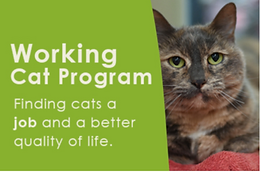
Are you looking for a way to help cats and protect your property at the same time? Barn cat rescue might be the perfect solution for you.
These special cats are not just pets—they are hardworking hunters that keep barns and farms free from pests. Imagine welcoming a rescued cat into your life that not only finds a safe home but also brings real benefits to your space.
You’ll discover how barn cat rescue works, why these cats need your help, and how you can make a difference today. Keep reading to learn how you can save a life and improve your barn with a furry friend.
Barn Cat Rescue Mission
The Barn Cat Rescue Mission focuses on saving feral and stray cats. These cats often struggle to survive outside. The mission helps place them in safe barn homes. This gives cats shelter and a purpose. It also helps farms and rural areas manage rodent problems naturally.
Origins And Purpose
The Barn Cat Rescue Mission began to address feral cat overpopulation. Many cats are born outside with little care. Shelters often cannot handle the volume. The rescue provides a better option by placing cats in barns. Cats get a safe place to live. Farms and barns get natural pest control. This reduces the need for harmful chemicals.
Impact On Communities
Barn Cat Rescue helps both cats and people. Farms benefit from fewer rodents damaging crops or stored food. Cats find stable homes and regular food. This lowers cat suffering and improves their health. Communities see fewer stray cats roaming streets. It creates a safer, cleaner environment for everyone. The mission also raises awareness about humane cat care.
Traits Of Barn Cats
Barn cats are unique creatures shaped by their environment and the tasks they perform. Understanding their traits helps you appreciate their role beyond just being a pet. These cats bring a special mix of independence, agility, and charm to barn life.
Behavior And Temperament
Barn cats tend to be independent but not unfriendly. They usually prefer a balance between solitude and social interaction, making them less clingy than typical house cats. You might notice they are more focused on hunting and exploring than seeking constant attention.
They can be wary of strangers, which is a natural defense mechanism. However, they often show affection to people who consistently provide food and care. Have you seen a barn cat suddenly warm up to someone after a few days? That trust is earned, not given freely.
These cats are often very alert and quick to react. Their sharp senses help them detect small movements and sounds, which makes them excellent mousers. If you want a cat that actively protects your barn, a barn cat’s temperament fits perfectly.
Adaptation To Barn Life
Barn cats adapt quickly to outdoor environments. They learn to navigate uneven surfaces, tight spaces, and changing weather conditions with ease. This adaptability is crucial because barn life can be unpredictable and challenging.
They also develop strong hunting skills early on. Unlike house cats, barn cats rely on their ability to catch pests for survival. Watching a barn cat stalk and catch a mouse is a clear sign of their natural talent and adaptation.
Additionally, barn cats often form loose colonies. This social structure helps them share resources and stay safer from predators. If you manage a barn cat rescue, understanding this social behavior helps you provide better care and housing.
Rescue And Rehabilitation
Rescue and rehabilitation form the heart of barn cat rescue efforts. These steps ensure stray and feral cats find safety and health before joining a barn or farm family. The process requires patience, care, and knowledge to help cats adjust and thrive.
Finding And Trapping Cats
Finding cats starts with observing barns and nearby fields for signs of life. Look for movement, sounds, or feeding spots. Trapping uses humane traps designed to keep cats safe and calm. Place bait like canned food inside to attract cats.
Check traps often to reduce stress for captured cats. Move trapped cats carefully to a quiet and warm area for the next steps. This stage is critical for building trust and ensuring safe capture.
Health Checks And Treatments
Each cat receives a full health check by a veterinarian. The vet looks for injuries, parasites, and diseases. Vaccinations protect cats from common infections. Treatment plans may include medicine for fleas, worms, or wounds.
Spaying or neutering prevents overpopulation and helps cats live healthier lives. After treatment, cats rest in a calm space to recover. This care sets the foundation for their success in barn environments.

Credit: www.madisoncatproject.org
Adoption And Placement
Adopting a barn cat is more than just finding a feline a new home; it’s about placing the right cat in the right environment where they can thrive and help control pests naturally. The process requires thoughtful consideration of the cat’s personality, health, and the specific needs of the barn. Ensuring a successful match benefits both the cat and the barn owner, creating a partnership that lasts for years.
Matching Cats With Barns
Every barn has unique conditions, from the climate to the presence of other animals. Matching a cat to these conditions increases the chances of a smooth transition and long-term success. Some cats prefer quiet spaces, while others are more social and adaptable.
Ask yourself these questions before adopting:
- Is the barn quiet or busy with lots of human activity?
- Are there existing animals that may affect the cat’s behavior?
- What kind of shelter and food access can you provide?
These considerations help rescue groups suggest cats that fit your barn’s environment. I once helped place a shy, older cat in a calm barn with few visitors, and the cat quickly became a beloved mouser and companion. Knowing the cat’s temperament upfront saves you from future frustration and ensures the cat’s welfare.
Ongoing Care And Support
Adoption doesn’t end at placement. Barn cats need ongoing care, including regular health checks, vaccinations, and steady food and water. Neglecting these can lead to illness or abandonment.
Rescue organizations often provide guidance and support after adoption. They can help with:
- Setting up safe shelters
- Feeding schedules and dietary advice
- Behavioral tips to help cats adjust
- Emergency contacts for veterinary care
Have you thought about how you’ll monitor the cat’s health over time? Simple actions like weekly checks or keeping a diary of the cat’s behavior can alert you to problems early. Your involvement makes a huge difference in the cat’s quality of life and the success of your barn cat rescue effort.
Benefits Of Barn Cats
Barn cats offer more than just companionship—they serve practical purposes that benefit your property and emotional well-being. These resilient felines have a unique role that blends utility with affection. Understanding their benefits can help you appreciate why barn cat rescue is a win-win for both you and the cats.
Rodent Control
One of the most obvious benefits of barn cats is their natural hunting ability. They keep rodents in check, protecting your grain, feed, and stored goods from damage.
Unlike traps or poisons, barn cats provide a safe and eco-friendly way to manage pests. Their presence alone can deter mice and rats from settling in your barn or outbuildings.
Have you noticed fewer signs of rodents after introducing a barn cat? That’s no coincidence—it’s a direct impact of their hunting instincts.
Emotional Support For Owners
Barn cats aren’t just working animals; they also offer companionship and emotional comfort. Spending time with a calm, friendly barn cat can reduce stress and bring unexpected joy to your daily routine.
Many barn owners share stories of how their cats help them feel less lonely during long workdays. The simple act of petting or watching a cat can be surprisingly uplifting.
Could a barn cat be the quiet friend you didn’t know you needed? Their presence often brings a sense of calm and connection to the outdoor work environment.
Challenges In Barn Cat Rescue
Rescuing barn cats is rewarding but comes with unique challenges that test your commitment and resourcefulness. These cats often face health risks and environmental dangers that require careful attention. Understanding these obstacles helps you prepare better and provide the care they truly need.
Common Health Issues
Barn cats frequently suffer from parasites like fleas, ticks, and worms. These can cause severe discomfort and lead to other health problems if left untreated. Eye infections and upper respiratory illnesses are also common due to their outdoor living conditions.
Vaccinations and regular health checks are essential but can be tricky to administer since barn cats are often feral and wary of humans. I’ve found that using humane traps and working with local vets makes the process smoother. Have you considered how you might safely handle these cats to give them the medical attention they need?
Securing Safe Environments
Keeping barn cats safe means protecting them from predators, harsh weather, and traffic. Creating shelters that provide warmth and protection from rain or snow is critical. Simple insulated boxes with straw bedding can make a huge difference.
Another challenge is ensuring the cats don’t wander into dangerous areas. Fencing and strategic placement of food stations can help keep them within safe zones. How can you balance giving these cats freedom while keeping them secure?
Volunteering And Community Involvement
Volunteering with Barn Cat Rescue offers a unique chance to make a real difference in your community. Your time and effort help provide safe homes for cats that protect farms and barns naturally. Getting involved connects you with like-minded people who care deeply about animal welfare and rural life.
Ways To Help
- Trap-Neuter-Return (TNR):Assist in safely trapping feral cats for spaying or neutering to control their population.
- Foster Care:Provide temporary shelter for cats to socialize and gain trust before placement.
- Transport Support:Drive cats to veterinary appointments or new homes.
- Fundraising:Organize or participate in events to raise money for food, medical care, and shelter supplies.
- Education:Spread awareness about the benefits of barn cats and responsible animal care in your community.
Have you ever considered how your skills could fit into these roles? Even a few hours a week can change a cat’s life.
Success Stories
One volunteer shared how a scared, feral cat named Whiskers became the guardian of a local barn after months of patient care. Whiskers now keeps the rodent population down, helping the farmer protect stored crops without harmful chemicals.
Another story comes from a community that banded together to rescue over 30 barn cats. Their teamwork not only saved the cats but also strengthened neighborhood bonds and sparked new friendships.
What could your story be if you step into this rewarding role? Every cat saved is a step toward a safer, healthier environment for your community.
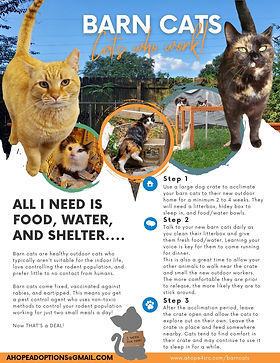
Credit: www.ahope4src.com
Future Of Barn Cat Rescue
The future of barn cat rescue holds great promise for both cats and communities. Efforts are growing to improve care and find more homes for these hardworking felines. New ideas and wider networks will help barn cats thrive and keep farms healthy.
Innovative Care Practices
Barn cat rescue groups use new care methods that improve cats’ health and comfort. They focus on gentle trapping, spaying, and neutering to control populations. Special shelters protect cats from harsh weather. Volunteers also monitor cat health regularly to catch problems early.
Nutrition plays a key role. Balanced diets help cats stay strong and active. Some rescues use natural remedies to reduce stress and boost immunity. These practices make a big difference in cats’ lives.
Expanding Outreach
More people learn about barn cat rescue through social media and local events. Awareness drives increase support and donations. Rescue groups partner with farms, vets, and shelters to reach more cats in need.
Education programs teach farmers how to care for barn cats properly. Communities join efforts to provide safe environments for cats. This teamwork creates more opportunities for cats to find homes and thrive outdoors.
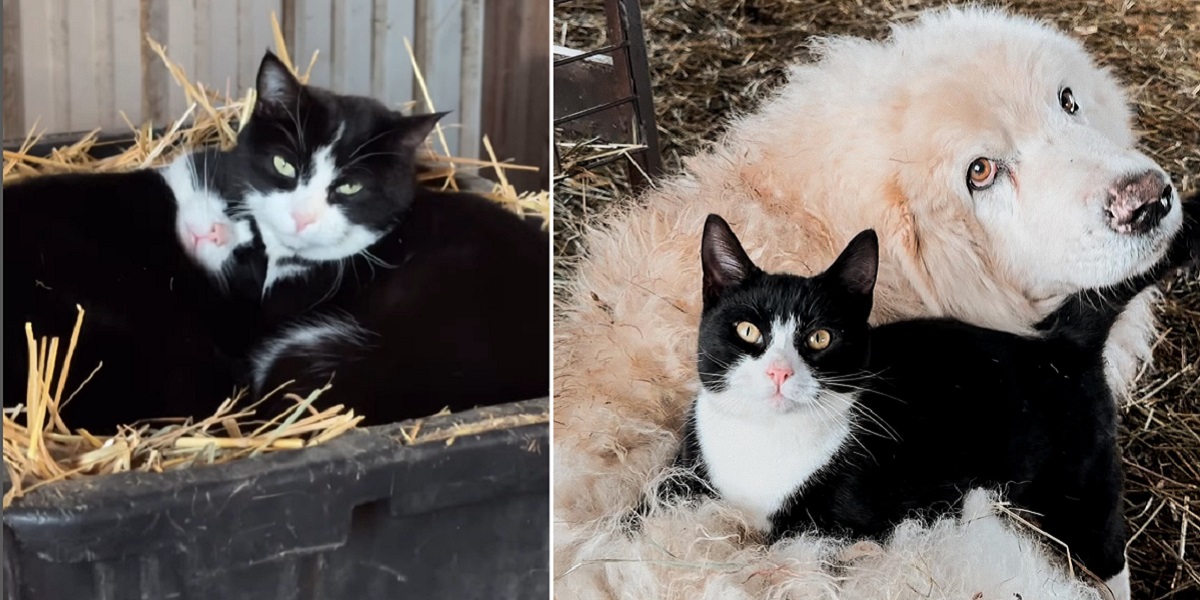
Credit: coleandmarmalade.com
Frequently Asked Questions
What Is Barn Cat Rescue?
Barn cat rescue involves finding homes for feral or stray cats to live and work in barns. These cats help control rodent populations naturally. Rescued barn cats get vaccinations, spaying/neutering, and medical care before placement.
How Do Barn Cat Rescues Help Farms?
Barn cat rescues provide farms with natural pest control by reducing rodents. This decreases the need for harmful chemicals. Rescued cats also get safe shelter and food, benefiting both the animals and the farm environment.
Are Barn Cats Different From House Cats?
Yes, barn cats are typically feral or semi-feral and prefer outdoor living. They are skilled hunters and less socialized than house cats. Barn cats thrive in outdoor settings like barns and farms, unlike indoor cats that need close human interaction.
How Can I Adopt A Barn Cat?
Contact local animal shelters or barn cat rescue groups to inquire about available cats. Adoption often includes a vet check and spay/neuter. Many rescues provide guidance on caring for barn cats and their specific needs.
Conclusion
Saving barn cats changes lives, both theirs and yours. These felines offer companionship and rodent control. By rescuing them, you provide shelter and care. Their gratitude shines through every purr and nuzzle. It’s a mutual relationship. You give love; they give back loyalty.
Consider adopting a barn cat today. Create a safe haven for them to thrive. Your actions make a difference. Be a hero for these amazing creatures. Start your barn cat rescue journey now. Enjoy the rewards of compassion and kindness.
A small step leads to a big impact. Together, we can help barn cats find homes.
