

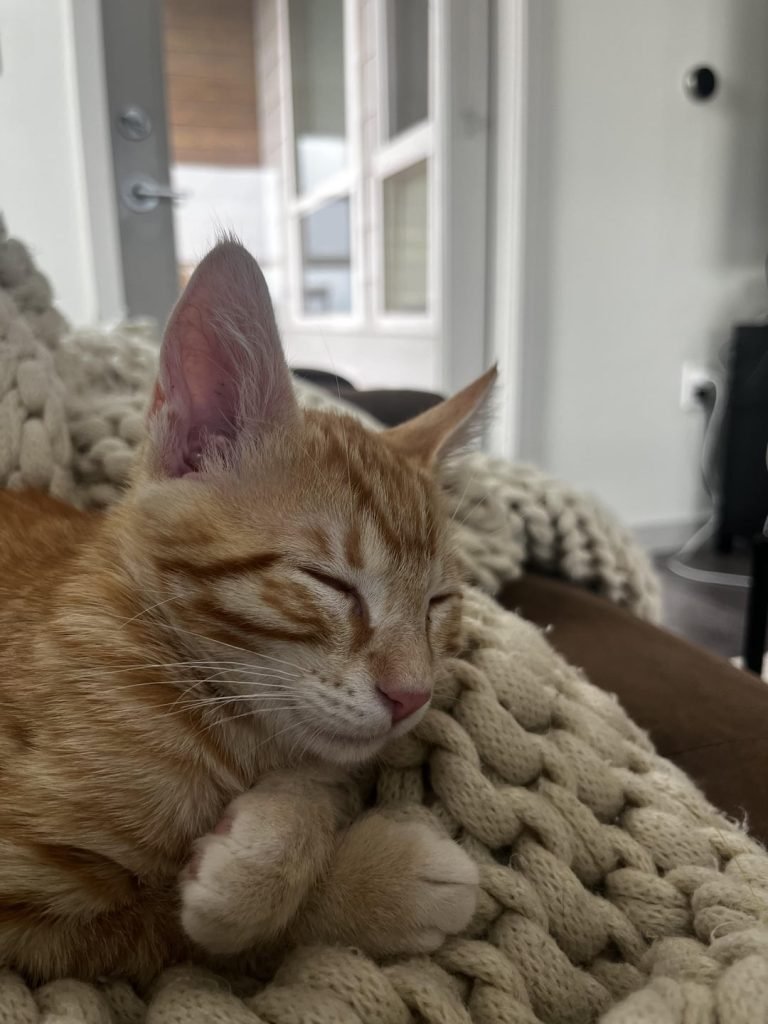
Adopting a cat can be one of the most rewarding experiences in your life. You’re not just bringing home a furry friend; you’re inviting a new family member into your life.
But how old should you be to adopt a cat? This question might be on your mind if you’re considering adding a feline companion to your household. Understanding the right age for adoption is crucial, not just for you, but for the well-being of the cat too.
You want to ensure you’re ready to meet the needs of your new pet and create a loving environment for them to thrive. So, how old do you need to be to take this exciting step? Let’s dive in and find out what you need to know before making this important decision. Stay with us, as the answer might surprise you and help you prepare for a lifetime of purrs and companionship.
Ideal Age To Adopt A Cat
Choosing the right age to adopt a cat is key to a happy pet-owner bond. Age affects the cat’s behavior, care needs, and how it fits into your home. Each stage of life offers unique joys and challenges. Understanding these helps in making the best choice.
Kitten Adoption Age
Kittens are full of energy and curiosity. They need a lot of attention and playtime. The ideal age to adopt a kitten is at least 8 weeks old. At this age, kittens have learned basic social skills from their mother and siblings. Early adoption before 8 weeks can cause health and behavior problems. Kittens require vaccinations and frequent vet visits. They adapt well to new homes but need patience and training.
Adult Cat Adoption
Adult cats are calmer than kittens but still active. They usually have established personalities, so you know what to expect. Adopting an adult cat means less training and easier care. Many adult cats are already litter-trained and socialized. They can bond deeply and quickly with new owners. Adult cats may need time to adjust but are often grateful for a stable home.
Senior Cat Adoption
Senior cats bring a quiet and gentle presence. They often enjoy a slower pace and less active play. Adopting a senior cat means providing comfort and love in their golden years. These cats may have special health needs and require regular vet care. Senior cats can be very affectionate and grateful companions. They are perfect for people seeking calm and loyalty.

Credit: gths.ca
Factors Influencing Adoption Age
Choosing the right age to adopt a cat depends on several important factors. Understanding these can help you make a decision that fits both your life and the cat’s needs. Let’s look at the key elements that influence when to bring a cat home.
Health Considerations
Kittens require frequent vet visits and vaccinations, which means more time and money upfront. Older cats often have established health patterns, but some may come with hidden conditions. You need to consider your readiness for potential medical costs and care routines.
Think about your ability to handle emergencies or chronic illnesses. Have you prepared a budget for unexpected vet bills? This reflection can guide you toward adopting a cat whose health needs align with your capacity to provide care.
Behavioral Development
Kittens are curious and playful but also need training and socialization. They learn behaviors quickly but demand patience and consistent guidance. Adult cats usually have settled personalities, making it easier to predict how they will fit into your home.
Ask yourself if you want a lively companion to shape or a calm pet to bond with immediately. Remember, kittens may scratch and bite as they explore, while older cats might prefer quiet environments. Your tolerance for these behaviors will affect your choice.
Owner Lifestyle
Your daily routine and living situation play a big role in deciding the cat’s age. If you travel often or work long hours, an adult cat who tolerates alone time might be better. Kittens need more attention and supervision to thrive.
Consider your household too—do you have children or other pets? Younger cats often adapt well to busy homes, while seniors might prefer peaceful surroundings. Matching your lifestyle with the cat’s needs helps build a happy relationship for both of you.
Preparing For A Kitten
Getting ready for a kitten means more than just picking out a cute toy or cozy bed. Your new furry friend needs specific care to thrive and grow into a healthy adult cat. Paying attention to their health, behavior, and diet early on sets the stage for a happy life together.
Vaccinations And Vet Care
Vaccinations protect your kitten from serious diseases like feline leukemia and distemper. Schedule a vet visit as soon as you bring your kitten home to start their vaccination plan.
Regular vet check-ups help catch health issues before they become serious. Don’t forget about flea prevention and deworming, which are crucial during kittenhood.
Socialization Needs
Kittens need positive interactions with people and other animals to develop good behavior. Spend time playing and gently handling your kitten every day to build their trust and confidence.
Expose your kitten to different sounds and environments gradually. This helps reduce fear and anxiety later on. Have you noticed how your kitten reacts to new people or noises?
Diet And Nutrition
Your kitten’s diet should be rich in protein and specially formulated for growth. Look for kitten food with the right balance of vitamins, minerals, and calories to support their development.
Feed small, frequent meals throughout the day to match their high energy needs. Fresh water should always be available, and avoid giving them cow’s milk, which can upset their stomach.

Credit: www.restigouchespca.com
Adopting An Adult Cat
Adopting an adult cat offers a unique experience. These cats often have clear personalities and habits. Many come with some training and social skills. They can bond deeply with new owners. Choosing an adult cat means fewer surprises about size and temperament. It also provides a loving home to a cat that might be overlooked.
Assessing Temperament
Observe the cat’s behavior before adoption. Notice how it reacts to people and other pets. Some cats are calm and shy. Others may be playful or more independent. Ask shelter staff about the cat’s history. Understanding its personality helps ensure a good match. A calm cat fits well in quiet homes. Playful cats enjoy active families. Matching energy levels leads to happier relationships.
Adjusting To A New Home
Give the cat time to settle in. New surroundings can feel scary at first. Provide a quiet, safe space with food and water. Let the cat explore at its own pace. Avoid forcing interactions or too much noise. Keep routines consistent to build trust. Watch for signs of stress like hiding or loss of appetite. Patience helps the cat feel secure and loved.
Training And Enrichment
Adult cats can learn new habits easily. Use gentle training to encourage good behavior. Reward positive actions with treats and praise. Provide toys and scratching posts for mental and physical activity. Rotate toys to keep the cat interested. Play sessions help reduce stress and boredom. Enrichment improves the cat’s well-being and strengthens your bond.
Special Care For Senior Cats
Senior cats need special care to stay happy and healthy. Age brings changes that affect their body and behavior. Paying close attention helps them live comfortably and enjoy their golden years. Small adjustments make a big difference in their daily life.
Health Monitoring
Regular vet visits are essential for senior cats. Checkups catch problems early before they worsen. Watch for signs like changes in weight, appetite, or activity. Keep an eye on their teeth and eyes too. Use a journal to track any health changes over time.
Dietary Adjustments
Older cats need food that supports their aging bodies. Choose diets with high protein and low phosphorus. This helps maintain muscle and kidney health. Offer smaller, more frequent meals to aid digestion. Fresh water should always be available to keep them hydrated.
Comfort And Mobility
Senior cats may struggle with movement and joint pain. Provide soft bedding in warm, quiet places. Use ramps or steps to help them reach favorite spots. Keep litter boxes and food dishes easy to access. Gentle play and massage can improve their mobility and mood.
Age Restrictions By Shelters
Age restrictions by shelters play a crucial role in the adoption process. Shelters often set guidelines to ensure both the wellbeing of the cat and the adopter’s readiness. Understanding these rules can help you find the right feline companion at the right time.
Common Shelter Policies
Many shelters require cats to be a minimum age before adoption, often around 8 to 12 weeks. This ensures kittens have had enough time to wean off their mother and receive initial vaccinations. Adult cats usually have no upper age limit, but some shelters may hesitate to adopt out very elderly cats due to health concerns.
Some policies also include age requirements for adopters, not just cats. For instance, adopters might need to be at least 18 years old to sign adoption papers. This helps guarantee responsibility and the ability to care for the pet long-term.
Exceptions And Flexibility
While many shelters have firm rules, some offer flexibility in special cases. If you’ve cared for a kitten from a very young age, some shelters may allow adoption before the usual minimum age. This shows they value your experience and commitment.
Sometimes, older cats who are harder to adopt get second chances with fewer restrictions. Shelters might waive certain policies to find these cats loving homes faster. Have you considered giving a senior cat a chance? It could be a rewarding experience for both of you.
Benefits Of Adopting At Different Ages
Adopting a cat is a wonderful decision, and the age of the cat you choose can shape your entire experience. Each age group offers unique benefits that match different lifestyles and preferences. Understanding these advantages helps you find the perfect feline companion for your home and heart.
Pros Of Kittens
Kittens bring endless energy and curiosity into your life. They adapt quickly to new environments and can grow up learning the habits you want to teach them. If you enjoy playful interaction and watching a cat develop its personality, kittens provide that exciting journey.
However, kittens require a lot of attention and patience. Are you ready to invest time in training and socializing a young cat? If yes, the bond you build from the start can be incredibly strong.
Advantages Of Adult Cats
Adult cats often come with established personalities, making it easier to match your lifestyle. You’ll know if they are calm or playful, independent or affectionate. This clarity helps you avoid surprises and find a cat that fits your daily routine.
Many adult cats are already litter trained and may require less supervision. Plus, adopting an adult cat can save a life since they are often overlooked in shelters. Would you consider giving a mature cat a second chance at happiness?
Joy Of Senior Cats
Senior cats offer companionship with a quieter, more settled presence. They usually have lower energy levels, which suits a calm household or someone seeking a gentle friend. Their gratitude for a loving home can be deeply rewarding.
Older cats may have health needs, but many live comfortably for years with proper care. Have you thought about the peace and comfort a wise, senior cat could bring to your life? Your kindness can make a big difference to a cat in their golden years.
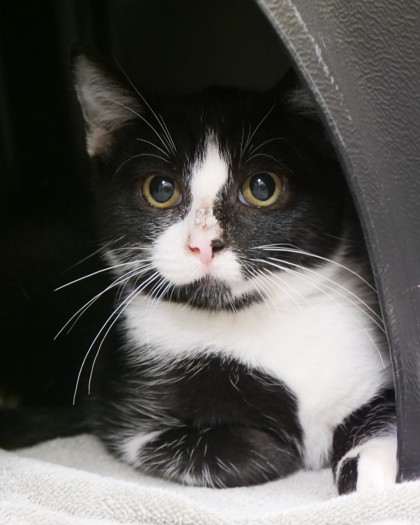
Credit: www.hamiltonhumane.com
Frequently Asked Questions
What Is The Best Age To Adopt A Cat?
The ideal age to adopt a cat is at least 8 weeks old. This allows proper weaning and socialization with siblings and the mother. Cats younger than 8 weeks may face health and behavioral issues. Adopting at this age helps ensure a healthier, happier pet.
Can I Adopt A Kitten Younger Than 8 Weeks?
Adopting a kitten younger than 8 weeks is not recommended. They need their mother’s milk for nutrition and immunity. Early separation can cause health problems and behavioral challenges. Shelters usually wait until kittens are 8 weeks old before adoption.
How Does A Cat’s Age Affect Adoption Readiness?
A cat’s age influences its behavior and care needs. Kittens require more time and training, while adult cats are often calmer. Senior cats may need special medical care. Knowing the cat’s age helps you prepare for their specific needs.
Is It Harder To Adopt Adult Cats Than Kittens?
Adult cats can be harder to adopt than kittens due to misconceptions. Many people prefer kittens for their playful nature. However, adult cats are usually calmer and already trained. Adopting an adult cat can be rewarding and saves a life.
Conclusion
Choosing the right age to adopt a cat matters a lot. Younger cats need more care and attention. Older cats are calmer and easier to handle. Think about your lifestyle and time you have. Every cat, no matter the age, can bring joy.
Patience and love help build a strong bond. Adopt with care, and enjoy a happy pet life.
