


Thinking about bringing a cat into your home? Before you take that exciting step, there are a few important things you need to know.
Adopting a cat isn’t just about giving them a roof—it’s about making a lifelong commitment. Understanding what to expect can save you from surprises and help you create a happy, loving environment for your new furry friend. Keep reading, and you’ll discover key insights that will make your adoption experience smoother and more rewarding for both you and your cat.
Choosing The Right Cat
Choosing the right cat is one of the most important steps before bringing a feline friend into your home. It’s not just about picking a cute face—your choice will impact your daily routine, emotional connection, and long-term happiness. Understanding how your lifestyle, the breed, and the cat’s age and temperament fit together can save you from future challenges.
Assessing Your Lifestyle
Think about how much time you spend at home and how active you are. Cats that need constant attention or playtime might not fit well if you have a busy schedule. On the other hand, some cats enjoy independence and are happy when left alone for a few hours.
Do you have other pets or children? Some cats handle noise and activity better than others. Your living space matters too—smaller apartments may suit calmer cats, while homes with yards can accommodate more energetic breeds.
Different Cat Breeds
Each breed has unique traits that can affect how they fit into your life. For example, Siamese cats are known for being vocal and social, so they thrive on interaction. Maine Coons are gentle giants and tend to get along well with families and other pets.
If you want a low-maintenance cat, consider breeds like the British Shorthair, which require less grooming. Mixed-breed cats often have balanced personalities and can be wonderful companions too.
Age And Temperament Considerations
Decide if you want a playful kitten or a calmer adult cat. Kittens need lots of time, patience, and training, while adult cats usually have established personalities and habits. Senior cats often make affectionate pets and require less energetic play.
Temperament varies widely even within the same age group. Spend time interacting with potential cats to see if they match your energy and affection levels. Have you ever bonded instantly with a calm or quirky cat? That connection can guide your choice more than anything else.

Credit: pawsforcompassion.org
Preparing Your Home
Preparing your home is key before bringing a cat into your life. Cats need a space that feels safe and welcoming. Setting up the right environment helps reduce stress for your new pet. It also makes the transition smoother for both of you.
Creating A Safe Space
Choose a quiet room for your cat’s first days. This space should have limited noise and few people. Add a cozy bed or blanket where your cat can hide. Keep food, water, and litter box nearby. Let your cat explore slowly to build confidence.
Essential Supplies
Gather all important items before your cat arrives. You will need:
- Food and water bowls
- Cat food suitable for their age
- Litter box and cat litter
- Scratching post or pad
- Toys for play and stimulation
- Brush or comb for grooming
Having these supplies ready helps your cat feel at home quickly.
Cat-proofing Tips
Protect your home and your cat by removing hazards. Secure loose wires and cords to prevent chewing. Store small objects that your cat could swallow. Check that windows and balconies are safe and closed. Keep harmful plants and chemicals out of reach. This creates a safe space for your curious cat.
Health And Veterinary Care
Understanding health and veterinary care is key before adopting a cat. Cats need proper medical attention to stay happy and safe. Regular check-ups catch problems early. Knowing about vaccinations, preventatives, and surgery helps you give your cat the best care.
Initial Health Checks
Start with a full health exam by a vet. The vet checks for infections, parasites, and overall wellness. Blood tests and stool samples reveal hidden issues. Early detection can save your cat’s life.
Vaccinations And Preventatives
Vaccines protect cats from serious diseases. Core vaccines include those for rabies, feline distemper, and respiratory infections. Preventative treatments stop fleas, ticks, and worms. Ask your vet about a schedule for shots and preventatives.
Spaying And Neutering
Spaying or neutering keeps your cat healthy and calm. It lowers risks of some cancers and infections. Also, it helps control the stray cat population. Most shelters spay or neuter cats before adoption. Talk to your vet about the best time for surgery.
Understanding Cat Behavior
Understanding your cat’s behavior is key to building a strong, trusting relationship. Cats communicate differently than dogs or humans, so knowing what their actions mean helps you respond in ways they appreciate. This knowledge also prepares you to recognize when something is off, keeping your cat happy and healthy.
Common Behavioral Traits
Cats are known for their independence, but they also show affection in subtle ways. They might rub against your legs to mark you as “theirs” or purr when they feel safe and content. Some cats love playing with toys, while others prefer quiet observation.
Understanding these traits helps you see your cat’s personality clearly. Does your cat hide often or greet you at the door? These behaviors tell you how they feel about their environment and you.
Signs Of Stress Or Illness
Changes in behavior often signal stress or sickness. If your cat suddenly stops eating, hides more than usual, or becomes unusually aggressive, pay close attention. Cats might also groom excessively or stop grooming altogether when stressed or ill.
Catch these signs early to avoid serious health issues. Have you noticed your cat acting differently lately? Observing these subtle changes can save your cat’s life.
Socialization Needs
Not all cats want the same level of interaction. Some enjoy constant petting and playing, while others prefer minimal contact. Understanding your cat’s social needs means respecting their boundaries and giving them space when needed.
Think about your lifestyle—will your cat get enough social time, or might they feel lonely? Meeting their social needs can prevent behavior problems and deepen your bond.
Financial Commitment
Adopting a cat means welcoming a new family member, but it also means taking on a financial responsibility you might not expect at first. Understanding the costs involved helps you prepare better and avoid surprises that could impact your cat’s well-being. Are you ready to commit not just emotionally, but financially, for the years ahead?
Routine Expenses
Every month, your cat will need basic supplies that add up quickly. Expect to spend on:
- Food and treats – quality matters for health
- Litter and litter boxes – cleanliness is key
- Toys and scratching posts – to keep your cat happy and active
- Regular vet visits – vaccinations and check-ups
These costs may seem small individually but can total around $50 to $100 monthly. Have you budgeted for these ongoing expenses before adopting?
Emergency Costs
Unexpected health issues can arise anytime, from injuries to sudden illnesses. Emergency vet visits can cost hundreds or even thousands of dollars.
Consider setting aside an emergency fund specifically for your cat’s medical needs. Pet insurance is another option that can reduce financial stress during crises.
Would you be prepared if your cat needed urgent surgery or treatment tomorrow?
Long-term Budgeting
Cats often live 15 years or more, so think about the big picture. Planning for long-term expenses like dental care, possible chronic conditions, and even pet sitting during vacations is essential.
Think about creating a yearly budget that includes:
- Annual vet visits and vaccinations
- Replacement of worn-out items
- Grooming, if your cat requires it
How will you balance these costs with other financial priorities in your life?
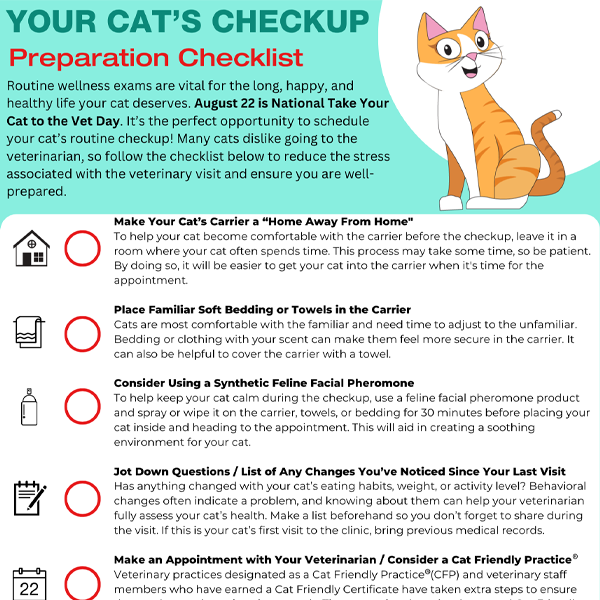
Credit: catfriendly.com
Adoption Process Tips
Adopting a cat is a rewarding experience that needs careful planning. Understanding the adoption process helps you make the best choice. This section shares important tips for each part of the journey.
Choosing A Shelter Or Rescue
Choose a shelter or rescue with a good reputation. Visit a few places to compare their care standards. Check if they provide health records and vaccinations. Smaller rescues often know the cats’ personalities well. Shelters may have more cats to choose from. Think about your needs and the shelter’s policies. Some places require home visits or references. Ask about their adoption fees and what they cover.
Interviewing And Meeting Cats
Prepare questions about the cat’s health and behavior. Take time to watch how the cat acts around you. Ask about the cat’s history, likes, and dislikes. Some cats may be shy or playful. Test how the cat interacts with other pets or children. Listen to the shelter staff’s advice. They often know which cats fit certain lifestyles best. Don’t rush. Spend enough time to feel a connection.
Bringing Your Cat Home
Prepare your home before the cat arrives. Create a quiet space with food, water, and a litter box. Keep the new cat separated from other pets at first. Let the cat explore slowly and safely. Watch for signs of stress or illness. Visit a vet soon for a health checkup. Be patient. The cat needs time to adjust to the new place. Offer love and care every day.

Credit: www.youtube.com
Frequently Asked Questions
What Should I Prepare Before Adopting A Cat?
Prepare a safe space, gather essentials like food, litter, and toys. Cat-proof your home to prevent accidents. Research cat care basics and find a local vet for health check-ups.
How Much Does Adopting A Cat Usually Cost?
Adoption fees vary, typically between $50 and $150. Costs include vaccinations, spaying/neutering, and microchipping. Budget for ongoing expenses like food, litter, and vet visits.
What Are Common Health Checks For Adopted Cats?
Cats should be checked for fleas, parasites, and infections. Vaccinations and spaying/neutering are essential. Regular vet visits ensure early disease detection and a healthy start.
How Do I Choose The Right Cat For My Home?
Consider your lifestyle, home size, and activity level. Match a cat’s temperament to your personality. Think about age, breed, and any allergies before deciding.
Conclusion
Adopting a cat brings joy and responsibility. Cats need love, care, and patience every day. Think about your home, time, and budget first. Learn about their needs before you decide. A happy cat makes a happy home. Taking these steps helps both you and your new pet.
Ready to welcome a furry friend? Prepare well and enjoy many great moments together.
