

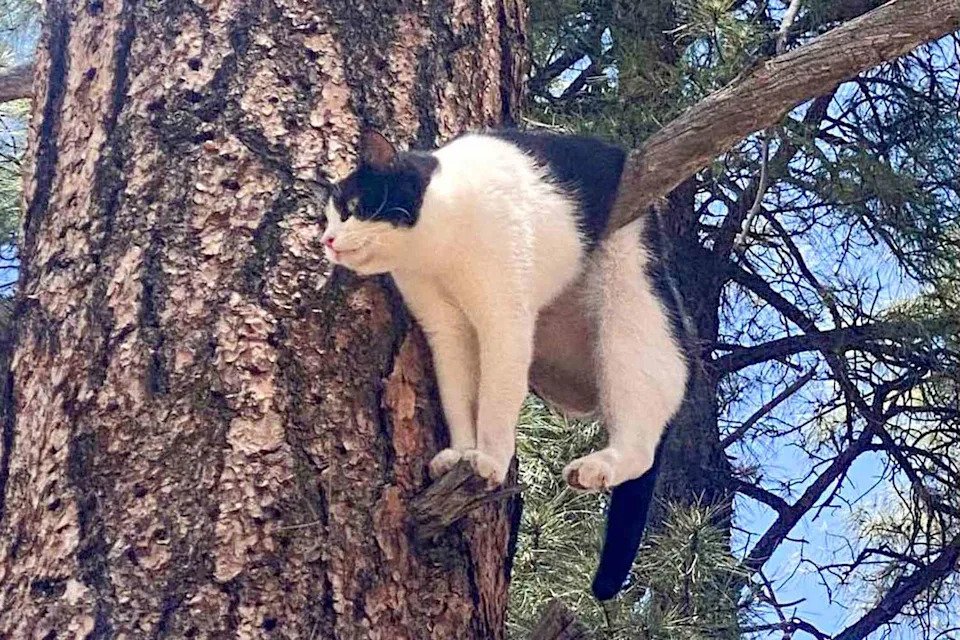
Have you ever seen a cat stuck high up in a tree and felt that pang of worry? You want to help, but you’re unsure what to do without making things worse.
A “Cat in a Tree Emergency Rescue” can be stressful for both you and your furry friend. You’ll discover simple, effective steps to safely bring your cat down. Keep reading—you’ll learn how to stay calm, act wisely, and turn a scary moment into a happy ending for your pet.
Credit: globalnews.ca
Why Cats Climb Trees
Cats love to climb trees for many reasons. It is a natural behavior rooted in their instincts and environment. Understanding why cats climb helps in handling tree rescues calmly.
Instincts And Curiosity
Cats have strong climbing instincts. Wild cats use trees to escape danger and watch prey. Domestic cats keep this behavior from their ancestors.
Curiosity drives cats to explore high places. Trees offer new sights and smells. The height makes them feel safe and in control.
Common Triggers
- Sudden noises scare cats, prompting them to climb.
- Presence of other animals like dogs or birds.
- Chasing small animals such as squirrels or birds.
- Seeking a quiet place to rest or hide.
These triggers push cats to climb quickly. Sometimes, they climb too high and get stuck. Knowing these reasons helps in planning a safe rescue.

Credit: www.dreamstime.com
Signs Your Cat Needs Help
Not all cats stuck in trees need rescue right away. Knowing when your cat truly needs help is important. Cats often climb trees for fun or safety. But some signs show they may be in trouble. Watch closely for these signals to decide if rescue is necessary.
Duration Of Time Spent Up High
Cats usually find their way down quickly. If your cat stays in the tree for several hours, worry. More than 6 hours can mean your cat is stuck. Long time up high can cause stress and exhaustion. Act fast if your cat shows no signs of coming down.
Behavioral Cues
- Meowing loudly or crying persistently
- Pacing or restless movements on branches
- Refusing to move or hiding in one spot
- Showing signs of panic or fear
- Not responding to your calls or treats
These behaviors suggest your cat feels trapped or scared. Calm cats often settle and explore ways down.
Physical Indicators
- Visible injuries like cuts or limping
- Heavy panting or difficulty breathing
- Drooling excessively or vomiting
- Shivering or signs of shock
- Weakness or inability to grip branches
Such signs mean your cat may need urgent help. Physical distress makes climbing down harder or dangerous.
Safe Rescue Techniques
Safe rescue techniques help bring your cat down without causing harm. Patience and care are key to a calm rescue. Using the right tools and approach reduces stress for both you and your pet.
Using Treats And Toys
Attract your cat with favorite treats or toys. Softly call your cat’s name while showing a toy. Place treats on a low branch or at the tree base. This encourages your cat to come down on its own. Avoid loud noises or sudden movements that may scare your cat.
Ladder And Equipment Tips
Choose a sturdy ladder tall enough to reach your cat safely. Have someone hold the ladder steady while you climb. Wear gloves to protect your hands from scratches. Use a soft towel or blanket to wrap your cat gently. Move slowly and speak softly to keep your cat calm. Never stretch too far or lean too much; safety comes first.
Calling For Professional Help
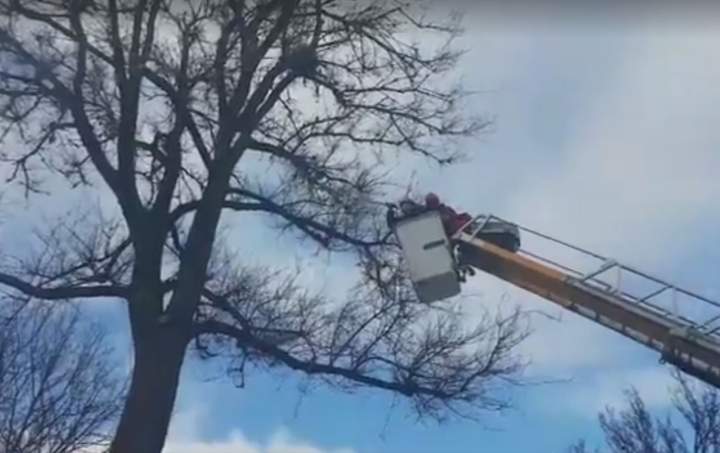
Contact animal rescue or fire department if you cannot reach your cat. Professionals have the right gear and experience for tricky rescues. Do not try risky climbs that may cause injury. Share your location and cat’s description clearly. Stay nearby to guide rescuers and comfort your cat after rescue.
Preventing Future Tree Climbing
Preventing cats from climbing trees again is important after a rescue. Cats often climb trees out of curiosity or to escape. Stopping future climbs keeps them safe and saves stress for owners. Simple changes at home can reduce the urge to climb. Training and deterrents help cats learn better habits.
Environmental Adjustments
Change the outdoor environment to make climbing less tempting. Trim tree branches near your home to reduce easy access. Plant bushes or shrubs around the tree base to block climbing paths. Offer safe alternatives like cat trees or climbing posts indoors. Keep your cat entertained with toys to lower boredom. Secure windows and doors to prevent unsupervised outdoor access. Remove bird feeders near trees to avoid attracting cats outside.
Training And Deterrents
Train your cat to stay off trees using gentle methods. Use a firm voice to say “no” when your cat tries to climb. Reward good behavior with treats or praise to encourage obedience. Place safe deterrents like motion-activated sprinklers near trees. Use noise makers or aluminum foil on tree trunks to discourage climbing. Avoid punishment, as it can cause fear or stress. Consistency and patience help your cat learn new habits.
Handling Stress After Rescue
After rescuing your cat from a tree, the stress doesn’t end with bringing them down safely. Cats can experience lingering anxiety and physical strain from their ordeal. Handling this stress carefully helps your cat recover faster and feel secure again.
Calming Your Cat
Your cat may seem disoriented or scared after the rescue. Speak softly and move slowly to avoid startling them further. Creating a quiet, cozy space with familiar blankets or toys can help your cat feel safe.
Try gentle petting or sitting nearby without forcing interaction. If your cat hides, let them come to you on their own terms. You might notice subtle signs of calm, like slow blinking or purring, which indicate they’re starting to relax.
Monitoring Health
After the rescue, watch for any signs of injury or illness that may not be obvious right away. Check for limping, swelling, or changes in appetite and bathroom habits. Stress can sometimes mask symptoms, so keep a close eye for at least 24 hours.
- Look for unusual lethargy or excessive hiding
- Note any vomiting, coughing, or sneezing
- Observe breathing patterns for any difficulty
If you notice anything unusual, contact your vet promptly. How well you monitor your cat after the rescue can make a big difference in their recovery.

Credit: www.dreamstime.com
Frequently Asked Questions
Why Do Cats Climb Trees And Get Stuck?
Cats climb trees to explore, hunt, or escape threats. They may get stuck due to fear or inability to climb down safely. Their claws are better for climbing up than descending. Understanding this helps in planning safe rescue strategies for cats stuck in trees.
How To Safely Rescue A Cat Stuck In A Tree?
Call professional animal rescuers or firefighters for safe retrieval. Avoid climbing the tree yourself to prevent injury to you or the cat. Use calm, gentle coaxing with treats or familiar voices to encourage the cat down if rescue teams are delayed.
When Should You Call Emergency Services For Cat Rescue?
Call emergency services if the cat is high, scared, or has been stuck over 24 hours. Also, seek help if the cat shows signs of distress or injury. Professionals have the tools and training to handle risky rescues safely and effectively.
Can I Use Food To Lure My Cat Down A Tree?
Yes, placing favorite food or treats near the tree base can encourage your cat to come down. Use familiar scents and sounds to comfort your cat. However, this method works best if the cat is not too frightened or injured.
Conclusion
Rescuing a cat from a tree needs care and patience. Always stay calm. Approach the situation with safety in mind. Use a ladder or call experts if needed. Cats often come down when they feel safe. Never force a scared cat.
Encourage them with food or toys. Keep yourself and the cat safe at all times. Remember, patience is key. Every rescue is different. Learn and adapt as needed. Keeping these tips in mind can ensure a safe rescue.
