

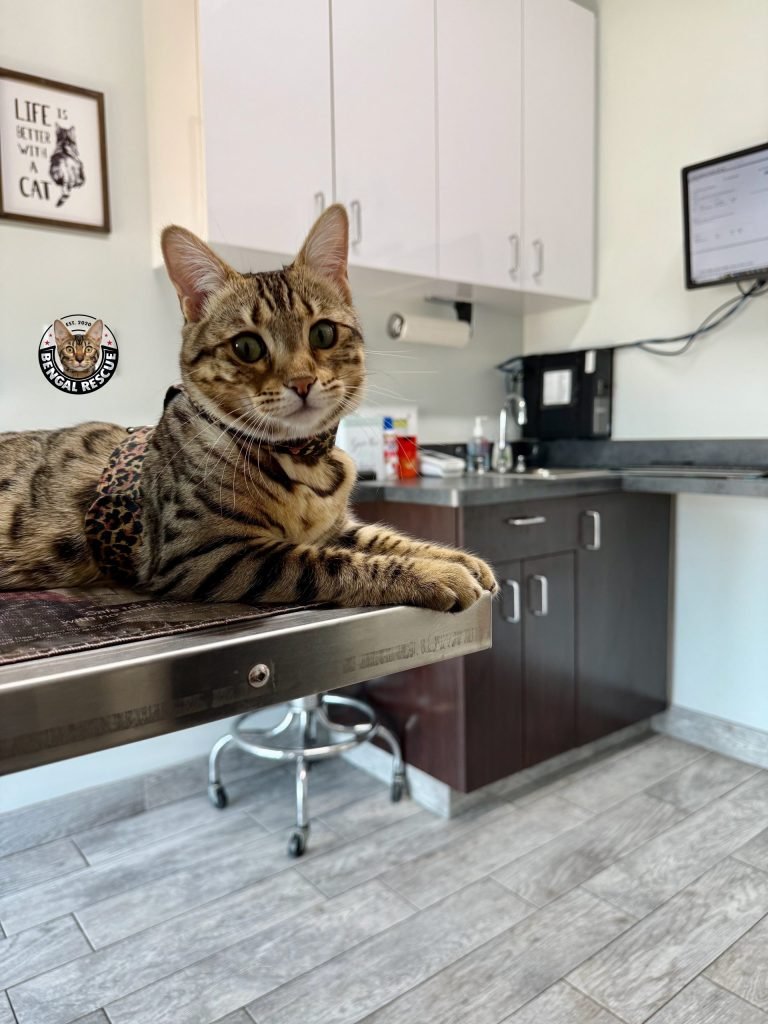
Are you a cat lover who wants to make a real difference? Bengal House Cat Rescue is a place where every Bengal cat gets a second chance at life.
Imagine helping a beautiful, unique cat find a loving home—that’s exactly what this rescue is all about. If you’ve ever wondered how you can help these special cats or where to find one to adopt, you’re in the right place.
Keep reading to discover how Bengal House Cat Rescue changes lives—and how you can be part of their amazing story.
Bengal Cat Traits
Bengal cats captivate many with their wild looks and lively personalities. Understanding their unique traits helps you decide if this breed fits your home and lifestyle. Let’s dive into what makes Bengal cats stand out.
Appearance And Markings
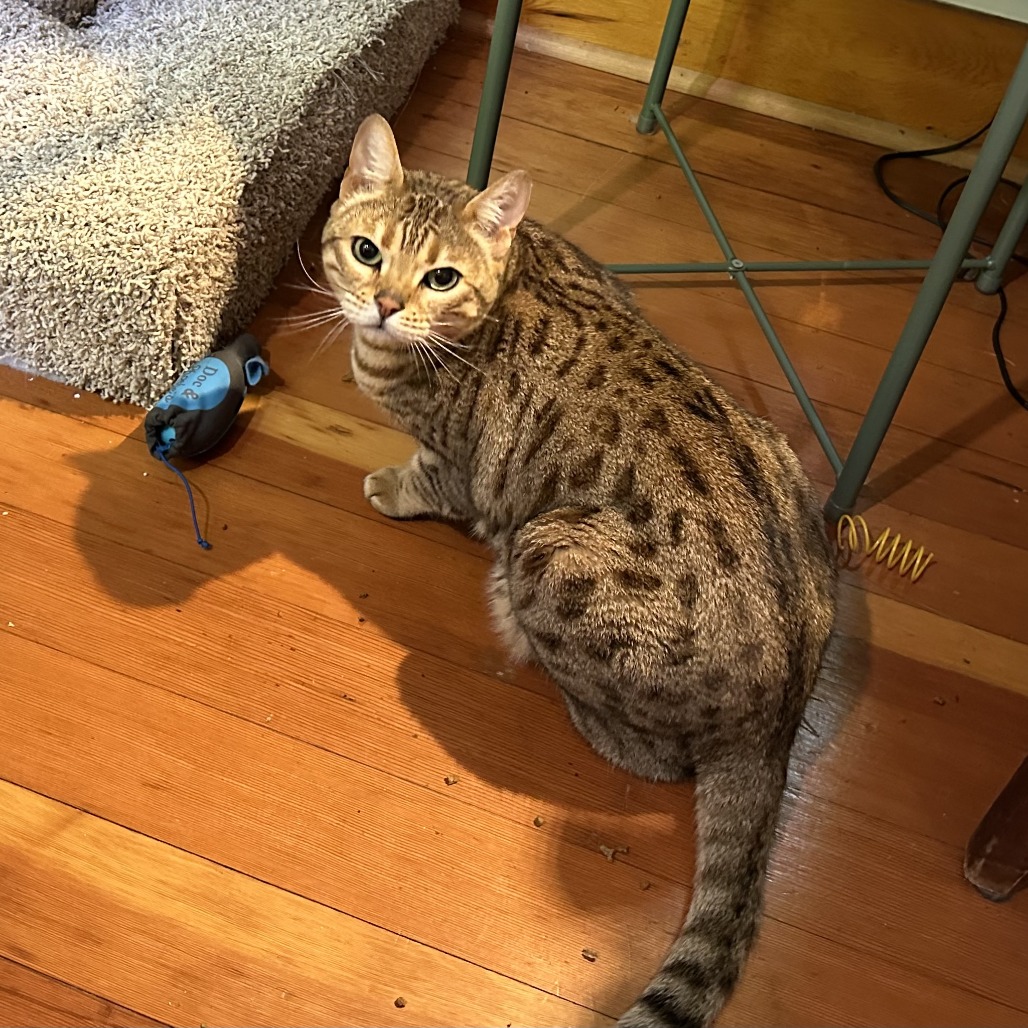
Bengal cats boast a striking coat that mimics a leopard’s spots or marbled patterns. Their fur is short, dense, and often has a glittery sheen that catches the light beautifully.
Colors range from golden browns to snow-white variations, each with distinctive rosettes or swirls. Their muscular build and sleek shape give them an athletic and agile appearance.
Temperament And Behavior
Expect a Bengal cat to be energetic and curious, always ready to explore. They thrive on interaction and can become bored without enough stimulation, often showing playful or mischievous behavior.
Many Bengal owners notice their cats enjoy water and can even join you during bath time. If you value an affectionate yet lively companion, a Bengal might fit perfectly.
Health Considerations
Bengal cats are generally healthy but watch for common issues like hip dysplasia and heart conditions such as hypertrophic cardiomyopathy. Routine vet check-ups are key to catching these early.
They benefit from a balanced diet and plenty of exercise to maintain their muscular physique and energy levels. Have you thought about how much time you can dedicate to their active lifestyle?
Rescue Challenges
Rescuing Bengal house cats presents unique challenges. These cats often come from difficult backgrounds. Rescue groups face many hurdles to ensure their safety and well-being. Understanding these challenges helps us appreciate the effort involved in saving these beautiful animals.
Common Reasons For Rescue
- Abandonment by previous owners
- Stray or feral cats needing socialization
- Health neglect or poor living conditions
- Owner allergies or lifestyle changes
- Breeding issues and overpopulation
Behavioral Issues In Rescues
Bengal cats may show fear or aggression. They need time to adjust to new homes. Some struggle with trust due to past trauma. Rescuers use patience and gentle care to help. Socialization exercises improve their interaction skills.
Health And Medical Needs
Many rescued Bengals require veterinary care. Common issues include parasites and infections. Nutritional support is often needed for recovery. Some face chronic conditions needing ongoing treatment. Early medical attention is critical for rehabilitation.
Finding Bengal Cats To Rescue
Finding Bengal cats to rescue takes patience and care. These cats have unique needs and personalities. Rescuing them means giving a loving home to a special feline. Understanding where to find rescue Bengals helps you prepare for this rewarding journey.
Sources For Rescue Bengals
Several places can be great sources for Bengal cats needing rescue. Animal shelters sometimes have Bengals that need homes. Rescue groups focus on specific breeds, including Bengals. Online forums and social media groups also share rescue opportunities.
- Local animal shelters and humane societies
- Bengal-specific rescue organizations
- Online pet adoption platforms
- Social media rescue groups and pages
Evaluating Rescue Candidates
Choosing the right Bengal to rescue requires careful evaluation. Look for cats that are healthy and show good behavior. A vet checkup is important to identify health issues. Assess the cat’s temperament to ensure it fits your lifestyle. Some Bengals may need extra care due to past trauma.
Working With Shelters And Breeders
Building relationships with shelters and breeders can help find rescue Bengals. Shelters often have waiting lists or foster networks to share information. Responsible breeders sometimes need to rehome Bengals due to personal reasons. Communication with these sources provides updates on available cats. Trustworthy partners make the rescue process smoother and safer.
Bengal Rescue Care
Caring for Bengal cats at a rescue requires more than just love; it demands detailed attention to their unique needs. Bengal Rescue Care focuses on making sure every cat feels healthy, happy, and ready for their forever home. This care starts from the moment they arrive and continues through their recovery and socialization.
Initial Medical Assessment
Every Bengal cat undergoes a thorough health check right after arrival. This includes testing for common feline diseases, checking for parasites, and evaluating overall physical condition.
Vaccinations and spay/neuter surgeries are scheduled promptly to prevent future health issues. Early medical attention helps catch problems before they worsen, ensuring the cats stay strong and energetic.
Nutrition And Diet
Bengal cats have specific dietary needs that differ from many other breeds. Their diet focuses on high-protein, grain-free foods that mimic their natural eating habits.
Rescue teams monitor each cat’s eating patterns closely, adjusting meals to support weight management and energy levels. Have you noticed how picky Bengals can be? Tailoring their meals can make a significant difference in their recovery and temperament.
Socialization And Training
Bengal cats are intelligent and active, so socialization plays a crucial role in their rescue care. Volunteers spend time playing and interacting to help them adjust to human contact and household environments.
Training includes basic commands and litter box habits, building trust and confidence. This approach not only prepares Bengals for adoption but also helps you understand their lively nature better when they join your family.
Creating A Safe Environment
Creating a safe environment is key for Bengal House Cat Rescue cats. Safety helps reduce stress and keeps cats healthy. A secure setting supports their natural behavior and well-being. Understanding how to protect these cats makes a big difference in their lives.
Indoor Vs Outdoor Considerations
Indoor spaces protect cats from many dangers. Cars, predators, and disease risks are lower inside. Bengals enjoy watching outside through windows safely. Outdoor time can be risky but also enriching.
Supervised outdoor time on a leash or in a catio offers fresh air safely. Unsupervised outdoor access can lead to injury or loss. Indoor living with playtime often suits Bengal cats best.
Enrichment And Exercise
Bengals are active and need daily exercise. Toys, climbing trees, and puzzle feeders keep them busy. Movement helps prevent boredom and behavior problems.
- Interactive toys engage hunting instincts.
- Vertical spaces allow climbing and jumping.
- Regular play sessions strengthen bonds with humans.
Providing variety in toys and activities keeps Bengals happy and healthy.
Preventing Escape
Bengals are curious and clever escape artists. Doors and windows must stay secure at all times. Screens should be strong and well-fitted.
- Use double-door entries to block quick escapes.
- Check for small gaps in fences or walls.
- Lock pet doors or use ones that restrict outdoor access.
Preventing escape protects Bengals from accidents and getting lost.

Credit: www.petfinder.com
Adoption Process
The adoption process at Bengal House Cat Rescue is designed to ensure that each Bengal cat finds a loving and suitable home. It’s more than just filling out forms; it’s about building connections and understanding the unique needs of these energetic cats. The team works closely with potential adopters, guiding them through every step to make the transition smooth for both the cats and their new families.
Screening Potential Adopters
Before you bring a Bengal cat home, Bengal House Cat Rescue carefully screens each potential adopter. This helps ensure the cat’s safety and happiness in its new environment. You’ll be asked about your lifestyle, experience with cats, and how you plan to care for a Bengal’s high energy and social needs.
Expect questions like:
- Do you have other pets or children?
- What kind of home environment do you have?
- Are you prepared for the grooming and playtime Bengals require?
This process isn’t about judging but about matching the cat’s needs with what you can offer. Have you considered how much time you can dedicate daily to your new Bengal?
Matching Bengals With Homes
Finding the right home for a Bengal means more than just picking the first available family. The rescue team evaluates each cat’s personality and energy level to find a compatible match. Some Bengals love active homes where they can climb and play, while others prefer a quieter setting.
They often share stories of Bengals who thrived after being placed in homes that suited their temperament perfectly. Imagine your Bengal feeling safe and happy because their new family understands them from the start. This thoughtful matching reduces stress for both you and the cat, making adoption a rewarding experience.
Post-adoption Support
The relationship with Bengal House Cat Rescue doesn’t end when you take your cat home. They offer ongoing support to help you settle in and address any challenges. Whether it’s advice on diet, behavior, or health, you’re never alone in this journey.
Many adopters appreciate having someone to call when questions arise, especially during those first few weeks. What concerns might you have after bringing a Bengal home, and how could having expert support ease your worries?
Community Involvement
Bengal House Cat Rescue thrives because of strong community involvement. The local community plays a key role in caring for cats and helping them find homes. Volunteers, donors, and advocates all work together to support the rescue’s mission.
Volunteer Opportunities
Volunteers are the heart of Bengal House Cat Rescue. They help feed, clean, and socialize cats. Volunteers also assist during adoption events. Tasks vary from daily cat care to office work. Everyone can find a way to contribute. Training is provided to ensure a safe environment for cats and people.
Fundraising And Donations
Money helps cover medical care, food, and shelter. Bengal House Cat Rescue relies on donations from the community. Fundraising events bring people together to support the cats. Donors can give supplies, money, or sponsor a cat. Every donation makes a big difference in saving lives.
Spreading Awareness
Awareness helps more cats find loving homes. Community members share stories and photos of adoptable cats. Schools and local groups learn about cat care and rescue work. Social media posts reach many people quickly. Educating others helps reduce cat homelessness and promotes kindness.
Credit: bengalrescue.org
Long-term Bengal Welfare
Long-term welfare for Bengal cats is a core focus at Bengal House Cat Rescue. These cats have unique needs that go beyond basic care. Ensuring their health, behavior, and living environment are maintained over time takes dedication and tailored support.
Health Monitoring
Regular health checks are vital for Bengal cats. They are prone to specific conditions like hypertrophic cardiomyopathy and progressive retinal atrophy. The rescue schedules frequent veterinary visits to catch any early signs of illness.
Daily observation helps spot subtle changes in appetite, energy, or grooming habits. These small details can signal health issues before they escalate. You can help by noting any unusual behavior and reporting it promptly.
Behavioral Support
Bengals are intelligent and active cats that need mental stimulation and social interaction. Without proper outlets, they can develop stress or destructive behaviors. The rescue provides toys, climbing structures, and interactive play to keep them engaged.
Behavioral support also includes gentle training and socialization. Some Bengals arrive with anxiety or fear from past trauma. Patience and consistent routines help them build trust and confidence over time.
Rehoming When Necessary
Sometimes, despite best efforts, a Bengal’s current home might not be the right fit. Bengal House Cat Rescue steps in to find a better match that meets the cat’s lifestyle needs. This ensures the cat’s happiness and well-being remain the priority.
Rehoming is handled carefully with thorough screening of potential adopters. The goal is a permanent home where Bengals get the attention and care they deserve. Have you considered what environment your Bengal truly thrives in?

Credit: bengalrescue.org
Frequently Asked Questions
What Is Bengal House Cat Rescue?
Bengal House Cat Rescue is a nonprofit organization dedicated to rescuing and rehoming Bengal cats. They provide shelter, medical care, and adoption services to ensure Bengals find loving homes.
How Can I Adopt A Bengal Cat From This Rescue?
To adopt, visit their website or contact them directly. They require an application, home check, and adoption fee to ensure cats go to responsible owners.
What Are The Common Health Issues In Bengal Cats?
Bengal cats may face genetic issues like hypertrophic cardiomyopathy and progressive retinal atrophy. The rescue screens cats to ensure they are healthy before adoption.
How Does Bengal House Cat Rescue Support Cat Welfare?
The rescue educates the public on Bengal cat care, offers spay/neuter services, and advocates for responsible pet ownership to improve cat welfare and reduce overpopulation.
Conclusion
Saving Bengal house cats is a noble and rewarding mission. These unique felines need homes filled with love and care. Rescue efforts make a big difference. Every adoption saves a life. Community support is essential. Volunteers, donors, and adopters are heroes.
Together, we create a safe haven for these beautiful cats. Consider opening your heart and home to a Bengal cat in need. Remember, small actions lead to big changes. Let’s work together to rescue and cherish these special companions. Your involvement can bring joy to both you and a Bengal cat.
