


Are you thinking about adding a new furry friend to your home? Tortie cats are special, with their unique, colorful coats and charming personalities.
If you want a pet that stands out and brings joy every day, adopting a tortie cat could be the perfect choice for you. You’ll discover everything you need to know about tortie cat adoption — from finding the right cat to understanding their needs and quirks.
Keep reading to find out how you can welcome a tortie cat into your life and create a bond that lasts forever.
Why Choose A Tortie Cat
Choosing a Tortie cat means welcoming a truly one-of-a-kind companion into your home. These cats are not just about their striking looks; they carry a personality that can surprise and delight you every day. If you’re wondering what makes Torties special, here’s a closer look at why they might be the perfect pet for you.
Unique Appearance And Personality
Tortie cats stand out with their beautiful, patchy coats of orange, black, and cream. No two Torties look exactly alike, giving each one a distinct identity you won’t find in other cats.
But their uniqueness goes beyond looks. Torties often have a spirited and bold personality that matches their vibrant fur. You might find your Tortie acting like the boss of the household, demanding attention and affection on their terms.
Common Traits And Behavior
Many Tortie owners notice certain behaviors that seem common among these cats. They can be playful and curious, always exploring every corner of your home.
At the same time, Torties often show a strong-willed streak. You may need patience and consistency to win their trust and cooperation. However, once you earn their loyalty, they become affectionate and loving companions.
- Highly intelligent and quick learners
- Sometimes vocal and expressive
- Enjoy interactive play and stimulation
Myths And Facts About Torties
Torties come with plenty of myths, but many are just misunderstandings. One common myth is that Tortie cats have a “tortitude,” meaning they’re always grumpy or difficult.
In reality, their behavior varies widely. While they can be feisty, they are not inherently mean or unfriendly. Like any cat, their temperament depends on their environment and how you treat them.
Did you know nearly all Tortie cats are female? This genetic fact adds another layer of fascination to their personality and charm.
Preparing Your Home
Preparing your home for a tortie cat is a crucial step in ensuring a smooth transition and a happy feline companion. Tortie cats have unique personalities and can be sensitive to new environments. Setting up your space thoughtfully helps them feel secure and loved right from the start.
Safe Spaces For Your Cat
Your tortie needs a safe retreat where she can relax and observe without feeling overwhelmed. Choose a quiet corner or a small room where she can hide if she feels anxious. A cozy cat bed or a covered box can serve as a perfect hideout.
Remember, torties often enjoy vertical spaces too. Adding a cat tree or shelves near windows lets her explore and watch the world safely. Have you thought about where your cat might feel most at ease in your home?
Essential Supplies To Gather
Before your tortie arrives, gather all the basics to avoid last-minute runs to the store. You’ll need:
- Food and water bowls – choose sturdy, easy-to-clean materials.
- High-quality cat food suited to her age and health.
- A litter box placed in a quiet, accessible spot.
- Scratching posts to protect your furniture and satisfy natural instincts.
- Interactive toys to keep her mentally and physically active.
Having these items ready shows your new pet that you’re prepared and attentive to her needs.
Creating A Comfortable Environment
Comfort goes beyond just supplies. Pay attention to the room temperature and lighting where your tortie will spend most of her time. Soft blankets and gentle lighting can make her feel calm.
Think about the sounds your cat will hear. Loud noises or sudden movements can scare her. Playing soft music or leaving the TV on low volume might ease her into the new surroundings.
How can you adjust your daily routine to include quiet moments with your tortie? Building trust early on will make your home a true sanctuary for her.
Finding A Tortie Cat
Finding a Tortie cat means patience and care. These cats have unique coats with a blend of colors. They are rare in some places, so the search can take time.
Start by exploring places where cats wait for new homes. Some cats need special attention and love. Knowing where to find Torties helps you meet your future pet.
Adoption Centers And Shelters
Adoption centers and shelters often have cats of many breeds. Some shelters may have Tortie cats ready for a home. Visit local shelters to meet cats in person. Staff can help you learn about each cat’s personality. Shelters offer a chance to adopt and save a life.
Working With Rescue Groups
Rescue groups focus on saving specific types of cats. Some groups specialize in Tortie cats or calicos. These groups know a lot about Tortie behavior and health. Contacting a rescue group can connect you with available cats. They often provide detailed care and adoption advice.
What To Look For In A Cat
Check the cat’s health first. Look for bright eyes and a clean coat. Observe how the cat reacts to people. A friendly and calm cat adjusts well in a home. Ask about the cat’s history and behavior. Make sure the cat fits your lifestyle and home environment.
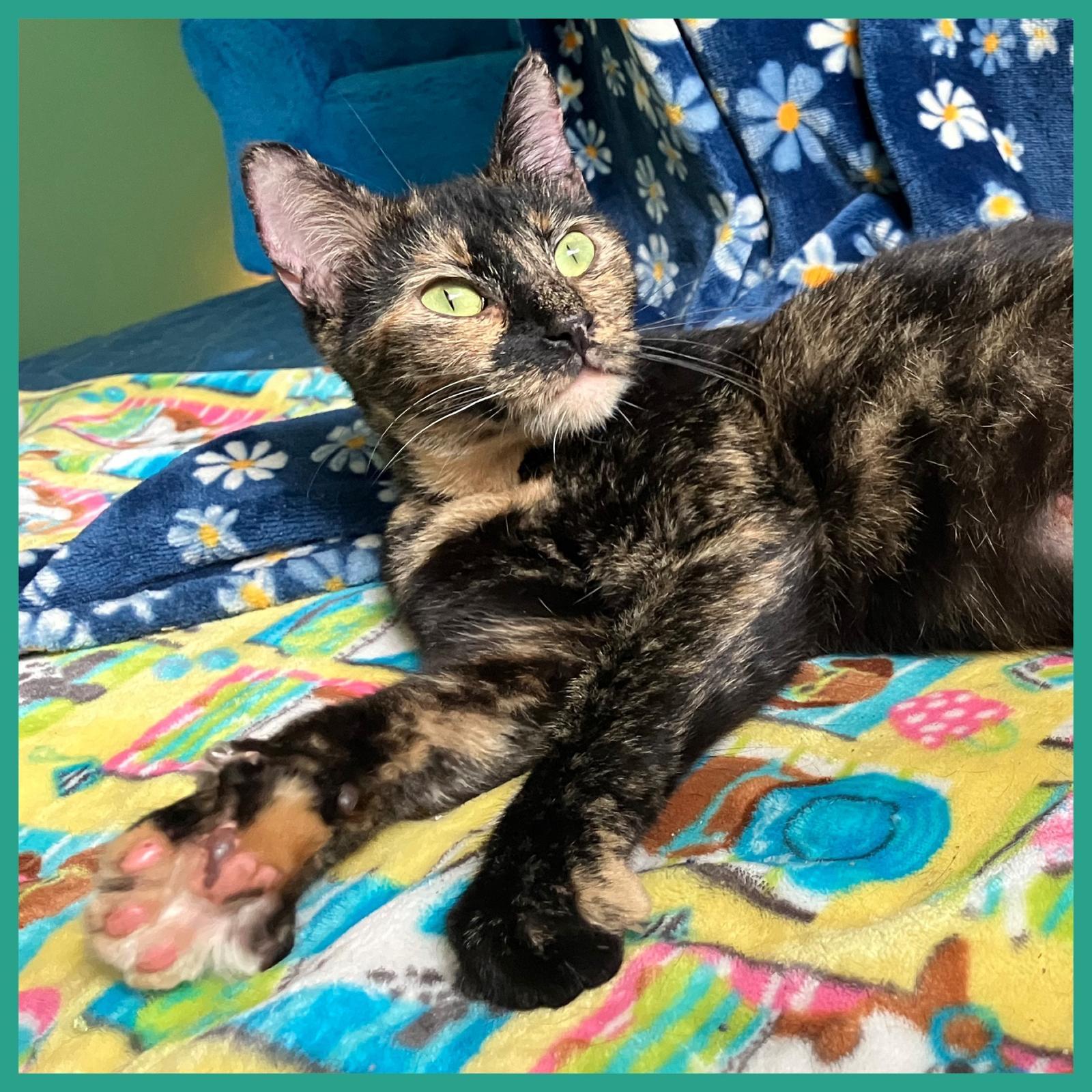
Credit: www.petfinder.com
Bringing Your Tortie Home
Bringing your tortie cat home is an exciting moment filled with anticipation. This unique feline’s bold personality and striking coat deserve a thoughtful welcome. Setting the right tone from day one helps your new companion feel safe and loved.
Introducing To Family And Pets
Introduce your tortie gradually to family members. Let her explore at her own pace while everyone stays calm and quiet. Children should be taught to move gently and speak softly around her.
If you have other pets, keep initial meetings short and supervised. Use separate rooms or baby gates to create safe zones. This helps prevent stress and allows all animals to get used to each other’s scents first.
First Days And Settling In
Prepare a cozy space with her bed, litter box, food, and water close together. This small area becomes her safe haven during the first days. Avoid overwhelming her with too much attention or noise.
Observe her behavior carefully. Is she hiding, eating well, or showing curiosity? These clues tell you how comfortable she feels and if adjustments are needed.
Building Trust And Bonding
Spend quiet time near your tortie without forcing interaction. Let her come to you when she’s ready. Use soft voices and slow movements to show you’re not a threat.
Offer treats and gentle petting to reward positive responses. Play with toys she enjoys, like feather wands or laser pointers, to build fun and trust. How do you notice your tortie’s unique personality shining through during these moments?
Caring For Your Tortie
Caring for your Tortie cat means understanding their unique needs and personality. These spirited felines thrive when you pay close attention to their diet, health, and grooming. You’ll notice that a well-cared-for Tortie not only looks vibrant but also shows off their lively and affectionate nature.
Nutrition And Feeding Tips
Your Tortie needs a balanced diet rich in protein to support their active lifestyle. Choose high-quality cat food with real meat listed as the first ingredient. Avoid fillers like corn and soy, which can be hard for cats to digest.
Try feeding smaller meals multiple times a day instead of one large portion. This helps maintain their energy levels and prevents overeating. Have you noticed your Tortie prefers wet or dry food? Offering a mix of both can keep mealtime interesting and improve hydration.
Health Care Essentials
Regular vet visits are crucial for spotting issues early, especially since Torties can be prone to urinary tract problems. Vaccinations and parasite control keep your cat safe from common illnesses. Keep a close eye on their weight and behavior—any sudden changes might mean a health concern.
Dental health often gets overlooked but is essential. Brushing your Tortie’s teeth a few times a week can prevent gum disease. Have you tried using flavored toothpaste made just for cats? It can make the experience less stressful for both of you.
Grooming And Maintenance
Torties usually have short to medium fur that benefits from weekly brushing. Regular grooming reduces shedding and keeps their coat shiny. If your cat enjoys the brushing sessions, it’s also a great bonding time.
Check their ears and paws regularly for dirt or signs of infection. Nail trimming every couple of weeks prevents overgrowth and scratching injuries. How often do you groom your Tortie? Making it part of your routine helps them stay comfortable and healthy.
Enriching Your Cat’s Life
Giving your tortie cat a happy life means more than just food and shelter. Cats need fun and care every day. This helps them stay healthy and strong. It also builds a close bond between you and your pet. Small changes can make a big difference in their mood and behavior.
Toys And Activities
Toys keep your tortie cat active and sharp. Use a mix of toys to spark their interest. Feather wands, balls, and puzzle feeders work well. Rotate toys often to keep playtime fresh. Play sessions help burn energy and reduce boredom.
Cat trees and scratching posts give places to climb and scratch. These spots satisfy natural instincts and protect furniture. Set up a safe window perch. Watching outside scenes offers mental stimulation and calmness.
Training And Socialization
Tortie cats learn simple commands with patience and treats. Teach them to come, sit, or use a scratching post. Short training sessions work best. Socializing your cat helps them feel safe around people and pets. Invite friends over gently to build trust.
Positive reinforcement encourages good behavior. Avoid punishment, as it may cause fear or stress. Early socialization creates a well-adjusted and confident cat.
Recognizing And Managing Stress
Watch your tortie for signs of stress. Changes in eating, grooming, or litter use are clues. Cats may hide or become more vocal. Loud noises and new environments can cause stress.
Create a quiet, cozy space for your cat to retreat. Use calming scents or sprays if needed. Keep routines steady to reduce anxiety. Understanding your cat’s needs helps maintain their happiness and health.
Common Challenges
Adopting a tortie cat can be a joyful experience, but it also comes with its unique set of challenges. Understanding these common hurdles will help you provide the best care for your new feline friend. Let’s take a closer look at what you might face and how to handle these situations effectively.
Behavioral Issues
Tortie cats are known for their strong personalities, which can sometimes lead to behavioral quirks. You might notice mood swings or bouts of stubbornness that test your patience.
Many owners find that consistent routines and clear boundaries help manage these behaviors. Have you noticed your tortie acting more independent or defiant than other cats? It’s often a sign of their spirited nature rather than a problem to be fixed.
Providing plenty of interactive playtime and mental stimulation can reduce unwanted behaviors like scratching furniture or excessive meowing. Remember, your tortie’s attitude is part of what makes them unique, but it requires understanding and patience.
Health Concerns Specific To Torties
Tortie cats don’t have many health issues exclusive to their coat color, but some concerns appear more frequently. For example, female torties may experience complications related to their genetics since most torties are female due to the X chromosome link.
It’s important to watch for signs of urinary tract infections or kidney problems, which can be common in torties. Regular vet checkups can catch these issues early.
Also, keep an eye on your tortie’s diet and weight, as obesity can lead to further health problems. Have you checked your cat’s food label lately? Nutritional balance is key for their long-term health.
When To Seek Veterinary Help
Knowing when to consult a vet can save your tortie’s life. If you notice changes in appetite, sudden weight loss, or unusual behavior like hiding or aggression, don’t wait to get professional advice.
Other warning signs include persistent vomiting, diarrhea, or difficulty breathing. Early intervention often means easier treatment and better outcomes.
Trust your instincts as a pet owner. If something feels off, your vet is your best resource for answers and support.
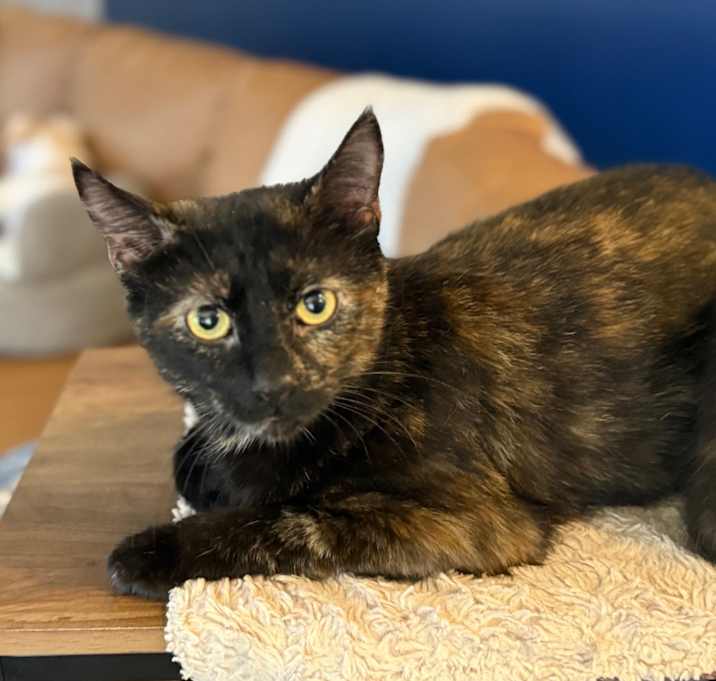
Credit: petsmartcharities.ca

Credit: pawsitivematch.org
Frequently Asked Questions
What Makes Tortie Cats Unique From Other Cats?
Tortie cats have a distinct coat with a mix of black, orange, and cream. Their unique coloring is due to genetics. They are known for their strong-willed and affectionate personalities. This makes them both beautiful and charming pets to adopt.
Are Tortie Cats Good For Families And Children?
Yes, Tortie cats are generally good with families and children. They are playful and social but can be independent. Proper socialization helps them adapt well to family life. Always supervise interactions between cats and young children for safety.
How To Care For A Tortie Cat’s Coat Properly?
Tortie cats require regular grooming to keep their coat healthy. Brush their fur weekly to reduce shedding and prevent mats. A balanced diet also supports coat health. Regular vet check-ups ensure their skin and coat stay in good condition.
What Health Issues Are Common In Tortie Cats?
Tortie cats do not have breed-specific health issues but can inherit common feline problems. These include dental disease, obesity, and kidney issues. Regular vet visits and a healthy lifestyle help prevent these conditions. Early detection is key to effective treatment.
Conclusion
Adopting a tortie cat brings joy and color to your home. These cats have unique personalities and beautiful coats. They often form strong bonds with their owners. Caring for a tortie cat means patience and love. Each cat is special and deserves a good family.
Visit local shelters to meet these charming cats. Open your heart and give a tortie cat a chance. You will gain a loyal and loving companion. The happiness they bring is truly rewarding.
