

Are you looking for a unique and loving cat to welcome into your home? Oriental Shorthair cats might be the perfect match for you.
With their sleek bodies, striking eyes, and playful personalities, these cats bring both beauty and joy to any family. If you want to learn how adopting an Oriental Shorthair can brighten your life and what makes them so special, keep reading.
You’ll discover everything you need to know to find your new feline friend.
Why Choose Oriental Shorthairs
Choosing the right cat breed for adoption is more than just finding a pet; it’s about welcoming a new family member. Oriental Shorthair cats offer a unique blend of beauty, charm, and intelligence that can brighten your home and life. Here’s why these cats stand out and might be the perfect addition for you.
Distinctive Appearance
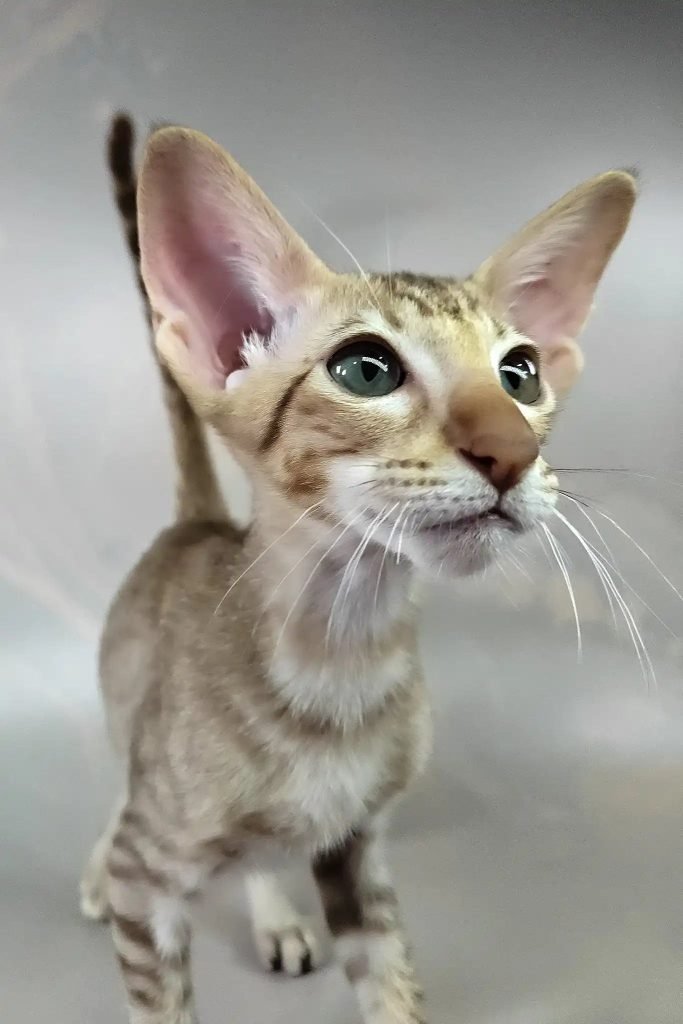
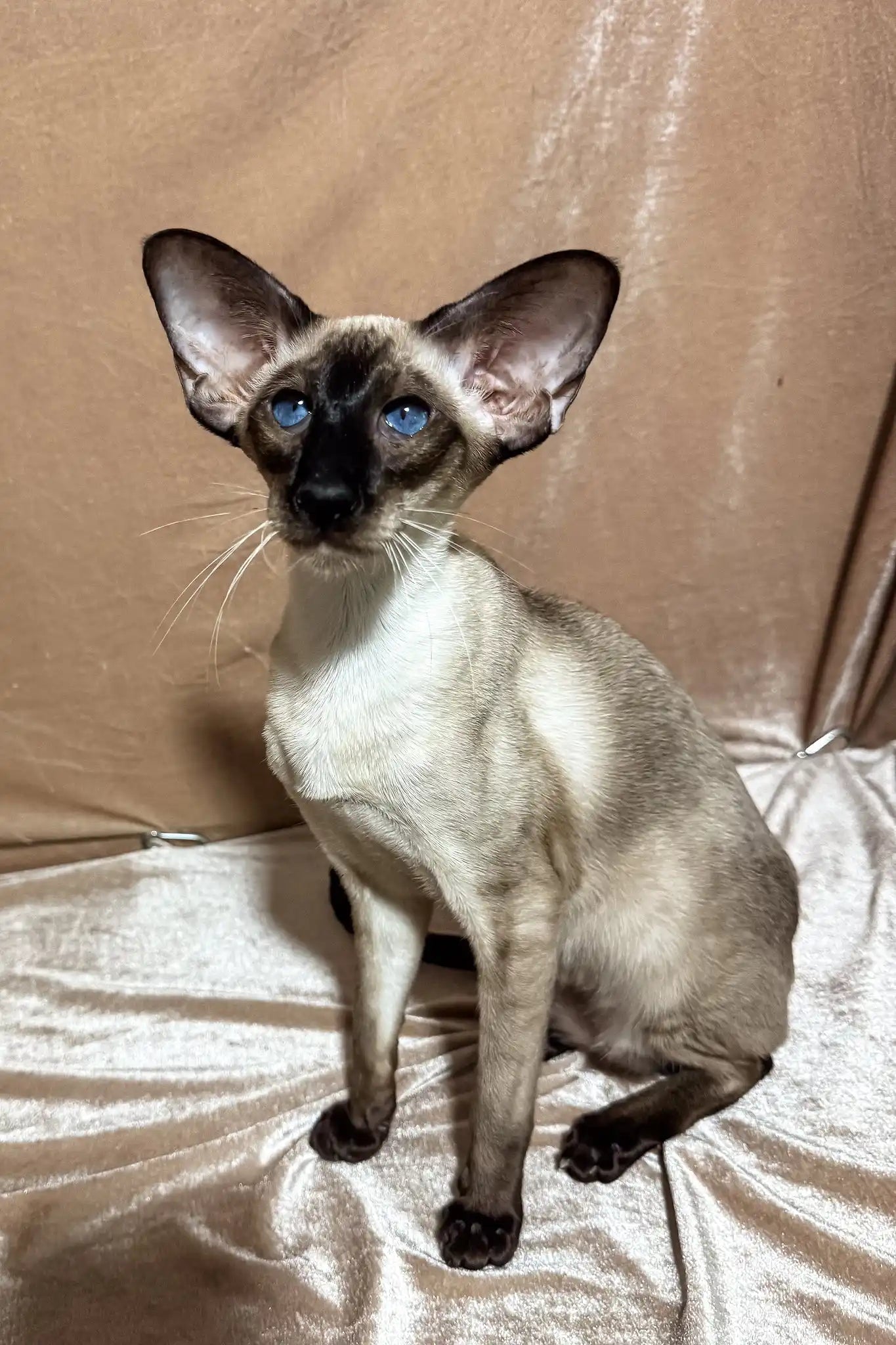
Oriental Shorthairs catch your eye immediately with their sleek, elegant bodies and large, expressive ears. Their almond-shaped eyes often come in vibrant green, giving them a striking, alert look. Unlike many other breeds, they come in over 300 color and pattern combinations, meaning your cat will truly be one of a kind.
Have you noticed how their graceful posture almost looks like they’re always ready for a photoshoot? This distinctive appearance isn’t just about looks—it reflects their lively and active nature.
Personality Traits
Oriental Shorthairs are known for their outgoing and social personalities. They love to engage with their humans and often follow you around, eager to be part of whatever you’re doing. Their intelligence means they learn tricks quickly and enjoy interactive toys that challenge their minds.
Imagine having a pet that not only listens but seems to understand your moods and reacts accordingly. This breed thrives on attention and can become deeply bonded with you, making loneliness a rare feeling in your home.
Compatibility With Families
These cats fit well into various family setups, from singles to households with children or other pets. Their playful yet gentle nature makes them excellent companions for kids who know how to treat animals kindly. Plus, their vocal but friendly communication style helps maintain a lively, connected household atmosphere.
- Great with other pets due to their social instincts.
- Adapt well to busy families who can provide interaction.
- Enjoy routines but are flexible enough to handle change.
Could an Oriental Shorthair be the energetic, loving friend your family is missing? Their blend of beauty, brain, and heart makes them a choice worth considering carefully.
Credit: purebredkitties.com
Adoption Process Basics
Adopting an Oriental Shorthair cat involves a few clear steps. Understanding these basics helps you prepare and feel confident. The process ensures your new pet finds a safe, loving home. Each stage focuses on matching the cat’s needs with your lifestyle.
Where To Find Oriental Shorthairs
Oriental Shorthairs are available at various places. Rescue groups specialize in this breed. Animal shelters sometimes have them too. Breed-specific rescues focus on Oriental cats only. Online adoption platforms list cats ready for new homes. Visiting local shelters can reveal unexpected finds.
What To Expect During Adoption
The adoption process includes several key steps. First, you fill out an application form. This helps the shelter learn about your home. Next, there may be an interview or home visit. Staff check if the cat fits your family. You might meet the cat before deciding. Some places require a trial period. The goal is a good match for both.
Adoption Costs And Fees
Adoption fees vary by location and organization. Fees cover vaccinations, spaying or neutering, and vet visits. This ensures the cat is healthy before adoption. Some places include microchipping in the fee. Rescue groups may ask for donations. Expect to pay between $50 and $150. These costs support the shelter’s work and care.
Preparing Your Home
Bringing an Oriental Shorthair cat into your home is exciting, but it requires thoughtful preparation to make your space welcoming and secure. These cats are curious and active, so setting up the right environment helps them feel comfortable and reduces stress. Preparing your home means thinking ahead about their needs and how they will fit into your daily life.
Essential Supplies
Start by gathering key items your Oriental Shorthair will need from day one. Think about:
- Food and water bowls:Choose sturdy, easy-to-clean dishes. Ceramic or stainless steel work best.
- High-quality cat food:Select a diet suited for their age and health. Consult your vet for recommendations.
- Litter box:Pick a size that suits your cat’s comfort and place it in a quiet, accessible spot.
- Scratching posts:Orientals love to scratch. Providing vertical and horizontal options saves your furniture.
- Toys:Interactive toys and puzzle feeders keep their sharp minds engaged.
Have you ever noticed how a cat’s behavior changes when their toys are new and interesting? Keeping supplies fresh can maintain their excitement and activity.
Creating A Safe Space
Your Oriental Shorthair needs a quiet, secure corner to retreat to when overwhelmed. This space can be a cozy bed or a covered crate where they feel protected.
Remove anything that could harm them, such as toxic plants, loose wires, and small objects they might swallow. Check windows and balconies to prevent accidents.
Consider adding soft blankets and familiar scents to their safe spot. It helps reduce anxiety during the first days in a new home.
Introducing To Other Pets
If you already have pets, introducing your Oriental Shorthair carefully is crucial. Start by keeping them separated with a door or baby gate.
Swap bedding between your new cat and existing pets to let them get used to each other’s scent without direct contact.
Once they seem comfortable, allow short, supervised meetings. Watch body language closely—signs of stress mean you need to slow down.
Do you think your current pets will welcome a new family member easily, or will they need extra time and patience? Preparing for this helps avoid conflicts and builds a peaceful household.
Caring For Your Oriental Shorthair
Caring for your Oriental Shorthair cat means meeting their unique needs. These cats are active, social, and curious. They thrive with proper care and attention.
Providing good nutrition, grooming, and health care is essential. Each area plays a key role in your cat’s happiness and wellbeing. Understanding their needs helps you give the best care possible.
Nutrition And Diet
Oriental Shorthairs need a balanced diet rich in protein. High-quality cat food supports their lean muscles and energy. Choose food with real meat as the first ingredient.
Watch their weight closely to avoid obesity. Feed measured portions twice a day. Fresh water should always be available.
- Avoid feeding table scraps or unhealthy treats.
- Consider wet food for hydration and variety.
- Consult a vet for special dietary needs.
Grooming Needs
Oriental Shorthairs have short, fine coats that require minimal grooming. Weekly brushing removes loose hair and reduces shedding. It also strengthens your bond.
Check their ears regularly for dirt or signs of infection. Clean them gently with a damp cloth if needed. Trim nails every two weeks to prevent overgrowth.
- Use a soft brush to protect their delicate skin.
- Bathing is rarely needed but can be done occasionally.
- Keep their teeth clean with regular brushing or dental treats.
Health And Vet Care
Regular vet visits keep your Oriental Shorthair healthy. Vaccinations and parasite control are important. Schedule checkups at least once a year.
Watch for common health issues like respiratory infections and dental problems. Early detection helps prevent serious illness. Maintain a safe indoor environment to reduce risks.
- Keep a health record of vaccinations and treatments.
- Spay or neuter your cat to avoid health complications.
- Provide mental and physical stimulation to reduce stress.
Training And Socializing Tips
Training and socializing your Oriental Shorthair cat can transform your relationship and make daily life smoother for both of you. These cats are intelligent and eager to connect, so they respond well to consistent guidance. Understanding how to approach their training and social needs will help you raise a confident and happy companion.
Litter Training
Oriental Shorthairs usually catch on quickly to litter training, but consistency is key. Place the litter box in a quiet, accessible spot and keep it clean to encourage use.
If your cat avoids the box, check for any unpleasant smells or discomfort. You might want to try different types of litter to find what your cat prefers.
Reward your cat with gentle praise or a small treat when they use the litter box correctly. Have you noticed how your cat’s behavior changes when you stay patient and positive during training?
Interactive Play
These cats thrive on mental and physical stimulation, so playtime is more than just fun—it’s necessary. Use toys that mimic prey, like feather wands or laser pointers, to engage their natural hunting instincts.
Short, frequent play sessions work better than long, tiring ones. Your cat will stay excited and eager to play again.
Try varying the toys and games to keep your cat’s interest alive. Have you seen how an interactive play session can deepen your cat’s trust and reduce unwanted behaviors?
Building Strong Bonds
Oriental Shorthairs are social and affectionate but need your attention to feel secure. Spend quiet time petting and talking to your cat daily to build trust.
Learn to read their body language to know when they want affection or alone time. Respecting their signals strengthens your connection.
Consider creating a cozy spot near you where your cat can relax and feel included. How might your cat’s behavior improve if you make bonding a regular part of your routine?

Credit: www.petfinder.com
Common Health Concerns
Oriental Shorthair cats are beautiful and lively pets. They often enjoy good health but may face some common issues. Understanding these concerns helps owners keep their cats happy and safe.
Genetic Conditions
Some Oriental Shorthairs inherit health problems from their parents. These include:
- Progressive Retinal Atrophy (PRA) causing vision loss
- Heart issues like hypertrophic cardiomyopathy
- Respiratory problems due to their slender build
Regular health checks can detect these issues early.
Preventive Measures
Good care reduces health risks for Oriental Shorthairs. Steps include:
- Feeding a balanced diet suited to their needs
- Keeping vaccinations up to date
- Providing regular exercise and mental stimulation
- Scheduling routine vet visits for early detection
Clean living spaces also help prevent infections.
Recognizing Symptoms Early
Watching for changes can save your cat’s life. Common warning signs are:
- Loss of appetite or weight
- Breathing difficulties or coughing
- Sudden vision problems or unusual eye behavior
- Unusual tiredness or hiding more than usual
Act fast by consulting a vet if you notice these signs.
Stories From Adoptive Owners
Stories from adoptive owners offer real insights into life with Oriental Shorthair cats. These tales show how these cats fit into homes and hearts. They reveal joys, struggles, and lessons learned. Listening to owners helps future adopters prepare and feel inspired.
Successful Adoption Experiences
Many owners share moments of pure joy. One adopter says their Oriental Shorthair quickly became the family’s best friend. Another found the cat’s playful nature brought laughter every day. These cats adapt well to new homes and form strong bonds. Their curiosity and affection make them wonderful companions.
Challenges And Rewards
Some owners mention challenges. Oriental Shorthairs need attention and mental stimulation. Without enough play, they can get bored or restless. Training and patience are key to managing their energy. The reward? A loving, loyal cat that thrives on interaction and care.
Tips From Experienced Owners
- Create a routine for feeding and playtime.
- Use toys that challenge their intelligence.
- Give them plenty of space to explore safely.
- Socialize them early with family and visitors.
- Be patient during the adjustment period.
These tips come from those who know Oriental Shorthairs best. They help new owners build a happy, healthy relationship with their cats.
Credit: www.chewy.com
Frequently Asked Questions
What Makes Oriental Shorthair Cats Unique Pets?
Oriental Shorthairs have a sleek body and large ears. They are very social, vocal, and affectionate. Their diverse coat colors and patterns make them visually striking. These traits make them excellent companions for interactive pet owners.
How Can I Find Oriental Shorthair Cats For Adoption?
Check local animal shelters, breed-specific rescues, and adoption websites. Social media groups and breed clubs also share adoption listings. Always verify the source to ensure the cat’s health and background.
What Are Common Health Issues In Oriental Shorthair Cats?
They may face respiratory problems, dental disease, and genetic conditions like progressive retinal atrophy. Regular vet check-ups and a healthy diet help maintain their well-being. Early detection is key for managing health concerns.
Are Oriental Shorthair Cats Good With Children And Other Pets?
Yes, they are generally friendly and playful. They enjoy social interaction and adapt well to families. Proper introduction and supervision ensure positive relationships with children and other pets.
Conclusion
Adopting an Oriental Shorthair cat offers joy and companionship. These cats bring charm and playfulness to any home. Their unique looks and friendly nature make them great pets. Consider their needs and personality before adopting. A loving home can transform their lives.
They, in turn, enrich yours. Visit your local shelter or adoption center. An Oriental Shorthair might be waiting for you. Ready to fill your life with purrs and love. Remember, every adoption saves a life. Make a difference today.
