

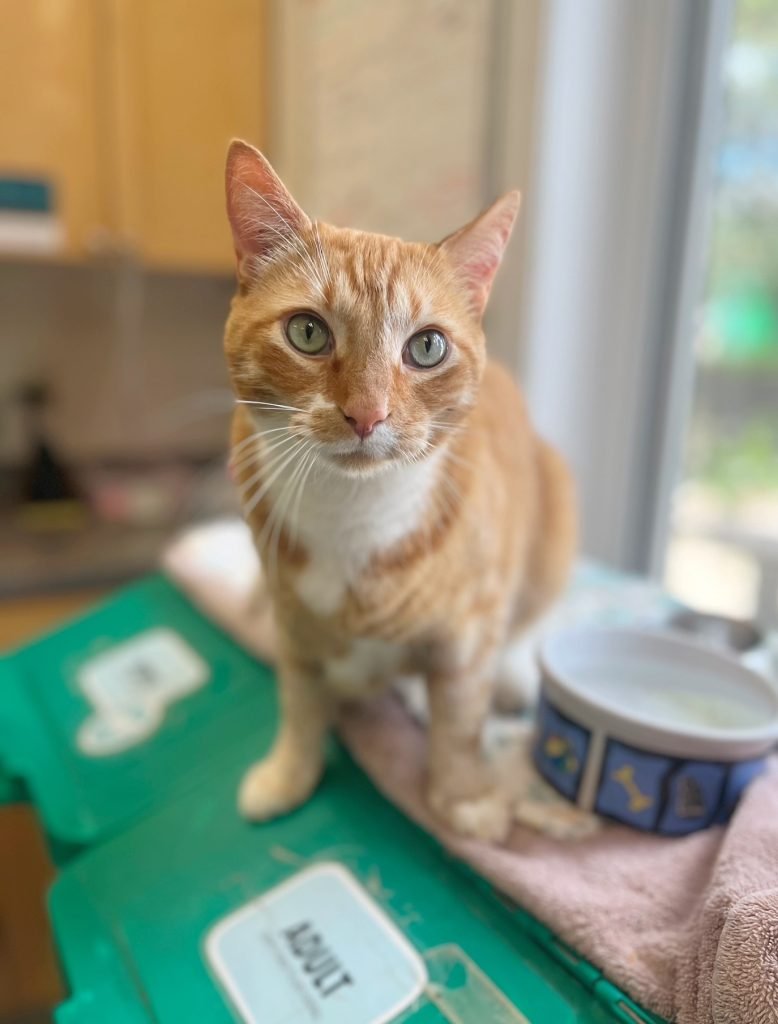
Are you looking for a unique way to add charm and purpose to your farm or property? Barn cats for adoption might be exactly what you need.
These cats are not just cute companions—they’re natural hunters that can help keep your space free from rodents and pests. Imagine having a furry friend who works alongside you, keeping your barn safe and cozy. You’ll discover why adopting barn cats is a smart choice, how to find the right ones, and what to expect when you bring them home.
Ready to learn how barn cats can make a difference for you? Keep reading!
Benefits Of Barn Cats
Barn cats offer more than just cute companionship on your property. They serve practical purposes that can improve your farm or rural setting in several ways. Understanding their benefits might change how you think about adopting and caring for these unique felines.
Natural Pest Control
Barn cats excel at keeping rodents and pests under control naturally. Unlike traps or poisons, they reduce the risk of harmful chemicals in your environment. Their presence alone can discourage mice and rats from settling in your barns or sheds.
I’ve seen firsthand how a few barn cats cleared a persistent rat problem in my neighbor’s chicken coop within weeks. This not only protects your feed but also safeguards your livestock from diseases carried by pests. Would you prefer a natural solution to constant pest invasions?
Low Maintenance Companions
Barn cats require less care compared to typical house pets. They are tough, independent, and adapt well to outdoor living. You only need to provide basic food, water, and occasional vet care to keep them healthy.
This makes barn cats ideal for busy farm owners who want animal friends without a heavy time commitment. Their natural instincts help them fend for themselves while still benefiting your property. Could a low-maintenance companion fit into your daily routine?
Enhancing Farm Life
Beyond pest control and ease of care, barn cats add to the atmosphere of a farm. Their playful behaviors can bring joy and reduce stress during long workdays. They also encourage responsibility and routine as you care for them.
Many farmers notice that barn cats create a livelier and more connected environment on the property. They become part of the farm’s ecosystem, balancing wildlife and human activity. How might having barn cats change the rhythm of your farm life?
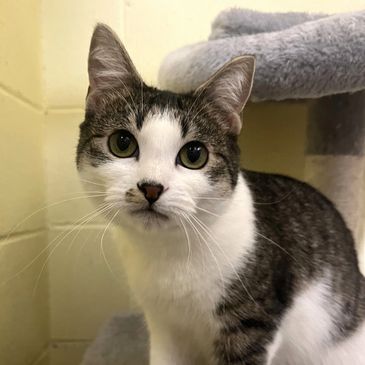
Credit: bandagedpaws.org
Choosing The Right Barn Cat
Choosing the right barn cat means looking beyond just their cuteness. You want a cat that fits the unique demands of a barn environment—someone who can handle the outdoors and keep your property pest-free. Think about what personality traits and physical health aspects will make your new feline helper thrive.
Temperament And Behavior
Your barn cat needs to be independent and confident. Cats that are shy or overly nervous may struggle in a busy, outdoor setting. Look for cats that show curiosity and alertness but aren’t aggressive toward humans or other animals.
Some cats naturally have a strong hunting instinct, which is exactly what you want. Ask yourself: does this cat respond quickly to movement or sounds? A cat that enjoys exploring and is comfortable outside will adapt better to barn life.
Age And Experience
Adult cats often make better barn cats than kittens. They usually have more developed hunting skills and are less likely to wander far from the barn. Younger cats can learn, but it takes time and patience.
If you find an older cat that has lived outside before, that’s a huge advantage. Their experience means they already know how to handle the elements and pests. Would you rather train a rookie or bring in a seasoned pro?
Health Considerations
A healthy barn cat is a happy barn cat. Before adopting, make sure the cat is vaccinated and free from parasites like fleas or worms. These can quickly become problems in an outdoor setting.
Check for any signs of illness or injury, such as limping, discharge from eyes, or excessive scratching. A vet’s check-up is a smart investment to ensure your new barn cat can perform its duties without health setbacks.
Where To Find Barn Cats For Adoption
Finding the right barn cat can be a rewarding experience, but knowing where to look is key. Barn cats aren’t just pets; they are hardworking companions that can help control pests naturally. If you’re thinking about adopting one, several places offer barn cats ready to find a new home.
Local Animal Shelters
Many local animal shelters have barn cats available for adoption. These cats often come from situations where they need a safe environment and a chance to thrive outdoors. Visiting your nearby shelter can give you a hands-on look at the cats and help you find one that fits your barn’s needs.
Staff can also provide advice on caring for barn cats and share stories about each cat’s personality. Have you checked your local shelter recently? You might be surprised at the hidden gems waiting there.
Rescue Organizations
Rescue groups focused on feral and barn cats are another excellent resource. These organizations specialize in finding homes for cats that are better suited to outdoor living rather than indoor pets. They often provide thorough health checks and vaccinations before adoption.
Connecting with a rescue group can give you detailed background information about the cats. This insight helps you choose a cat with the right temperament and skills for your barn environment. Why not reach out to a rescue near you and ask about their barn cat program?
Online Adoption Platforms
Online platforms bring barn cats from shelters and rescues all over the country right to your fingertips. Websites like Petfinder and Adopt-a-Pet allow you to filter your search specifically for barn cats. This makes it easy to compare options and read about each cat’s history and behavior.
Many platforms also feature reviews and success stories from other adopters. These can provide valuable tips and inspiration as you prepare to welcome a barn cat into your life. Have you explored online options to expand your search beyond your local area?

Credit: aarcs.ca
Preparing Your Farm For A Barn Cat
Getting your farm ready for a barn cat means thinking about more than just letting a cat loose in the barn. These cats need a safe place to rest, reliable access to food and water, and a peaceful environment alongside other animals. Preparing your farm thoughtfully helps your barn cat thrive and keeps your farm’s ecosystem balanced.
Safe Shelter Options
Your barn cat needs a shelter that protects against weather and predators. A simple insulated box with straw bedding works well in colder months. Make sure the shelter is elevated slightly off the ground to stay dry and placed in a quiet corner where the cat can feel secure.
Think about adding multiple shelters if you plan to have more than one cat. This prevents territorial disputes and gives each cat a personal safe space. Have you checked your barn for hidden nooks or old equipment that could be converted into cozy hideouts?
Feeding And Watering Stations
Even though barn cats hunt, they still need regular meals to stay healthy. Set up feeding stations away from where you store feed to avoid attracting pests. Use sturdy bowls that won’t tip over easily, and place fresh water nearby every day.
Consider feeding your cat twice a day to keep it coming back to your farm. It’s important to clean the feeding area regularly to prevent illness. Have you noticed how feeding your cat on a schedule helps build trust and keeps them close?
Managing Other Animals
Other animals on your farm can impact your barn cat’s comfort and safety. Dogs, for example, might see cats as prey or threats. Introduce animals slowly and supervise their interactions to avoid stress or injury.
Keep livestock areas separate from where the cat sleeps and eats to reduce tension. Cats often prefer quiet spots away from noisy animals. How can you create clear boundaries that respect the needs of all your farm creatures?
Introducing Your Barn Cat To The Farm
Introducing a barn cat to your farm is a rewarding process that requires patience and attention. Your new feline friend will play a vital role in keeping pests under control, but they need time to adjust to their new environment. Setting them up for success means understanding their needs during those first crucial days.
Initial Acclimation Period
Start by providing a safe, quiet space where your barn cat can settle without feeling overwhelmed. This area should have food, water, and shelter to help them feel secure. Avoid letting them roam freely right away; instead, let them explore gradually as they become comfortable.
Consider placing familiar scents like a blanket or toy from their previous home in the space. This helps reduce stress and builds a sense of familiarity. How much time will your cat need before venturing out? Watch their behavior closely and let them set the pace.
Building Trust And Bonding
Spend time near your barn cat without forcing interaction. Talk softly and offer treats to create positive associations. Over time, your cat will start approaching you, recognizing you as a friend rather than a threat.
Consistency is key—feed them at the same times each day and maintain a calm presence. You might be surprised how quickly a once-shy cat begins to follow you around the barn. What small gestures could you add to deepen this bond?
Monitoring Health And Behavior
Keep an eye on your barn cat’s eating habits, energy levels, and coat condition. Sudden changes might signal stress or illness. Early detection can prevent bigger problems and keep your cat healthy and effective on the farm.
Regularly check for injuries or signs of parasites, especially if your cat is new to outdoor life. You don’t want a minor issue to sideline your barn cat’s pest control duties. How often will you schedule health checks?
Caring For Your Barn Cat Year-round
Caring for your barn cat throughout the year means staying attentive to their changing needs as the seasons shift. These cats work hard controlling pests, so keeping them healthy and comfortable benefits both you and your barn. Understanding how to support your barn cat’s well-being regardless of the weather will help them thrive and continue their valuable role.
Seasonal Care Tips
Winter calls for extra warmth—adding insulated bedding and ensuring dry shelter can prevent your barn cat from getting cold. In summer, check that fresh water is always available and shaded spots exist to avoid overheating. Fall and spring bring fluctuating temperatures, so monitor your cat’s coat condition and adjust bedding or shelter accordingly.
Have you noticed how your barn cat’s behavior changes with the seasons? This can signal their comfort level and health status. Simple adjustments, like adding a heated pad in winter or extra shade in summer, make a big difference.
Vaccinations And Vet Visits
Keeping up with vaccinations protects your barn cat from common diseases like rabies and feline distemper. Schedule vet visits at least once a year, or more if your cat shows signs of illness. Regular check-ups catch problems early and keep your cat in top shape for hunting and roaming.
Don’t underestimate the power of preventive care. Your vet can recommend vaccines tailored to your barn cat’s environment and lifestyle. What vaccinations has your barn cat had recently?
Handling Common Health Issues
Parasites like fleas and ticks are frequent barn cat problems. Use vet-approved treatments and check your cat’s fur regularly, especially after warm months. If you spot wounds or limping, act quickly to prevent infections or deeper issues.
Respiratory infections and dental problems are also common. Watch for sneezing, coughing, or difficulty eating. Early intervention can save your cat discomfort and costly treatments.
How often do you inspect your barn cat for signs of illness? Making it a routine can protect your hardworking friend and keep your barn pest-free.
Success Stories From Barn Cat Adopters
Many barn cat adopters share inspiring stories about their new feline friends. These cats bring more than just company to farms and barns. They help solve problems and brighten the lives of their owners. Below are some success stories from those who have welcomed barn cats into their spaces.
Improved Pest Control
Barn cats naturally keep rodent numbers low. They patrol the area day and night. This reduces damage to crops and stored food. Farmers report fewer sightings of mice and rats soon after adopting barn cats. The cats work quietly and efficiently. They save money by cutting down on pest control costs. Their presence helps maintain a cleaner, safer barn environment.
Heartwarming Farm Friendships
Many barn cats form close bonds with their human caretakers. They become loyal companions, offering comfort and joy. Some cats enjoy following owners around the farm. Others find cozy spots to rest nearby. These animals bring warmth during long workdays outside. They create a peaceful, friendly atmosphere that lifts spirits. The bond between barn cats and farmers grows stronger over time.
Positive Community Impact
Barn cats often inspire community support and involvement. Local neighbors learn about the benefits of adoption. Some adopt cats themselves after hearing success stories. Farmers share tips on caring for barn cats. This spreads awareness about animal rescue and humane pest control. Communities become more connected through shared care for barn cats. These cats help build a sense of togetherness and responsibility.

Credit: www.ragstorichescatrescue.com
Frequently Asked Questions
What Are Barn Cats Used For?
Barn cats are primarily used for natural rodent control. They help reduce pests in barns, farms, and storage areas. Their presence limits the need for chemical pesticides. This makes them eco-friendly and cost-effective pest management solutions.
How Can I Adopt A Barn Cat?
To adopt a barn cat, contact local animal shelters or rescue groups. They often have barn cats needing homes. Some organizations specialize in barn cat adoptions. Always inquire about the cat’s health and behavior before adoption.
Are Barn Cats Different From Regular Cats?
Yes, barn cats are typically semi-feral and used for pest control. They are more independent and less social than indoor cats. Barn cats usually have strong hunting instincts and are adapted to outdoor living conditions.
Do Barn Cats Require Vaccinations?
Yes, barn cats need vaccinations to prevent common diseases. Vaccinations protect them and other animals nearby. Core vaccines usually include rabies, feline distemper, and respiratory infections. Regular vet check-ups ensure their health in outdoor environments.
Conclusion
Adopting barn cats can be a rewarding choice. They control pests and provide companionship. These hardworking felines thrive in barn environments. Plus, they need loving homes. Consider adopting a barn cat today. They are low-maintenance and independent. Perfect for farms and rural areas.
Their presence benefits your property greatly. Barn cats are helpful and friendly. Give them a chance to flourish. Your support makes a difference. Rescue a barn cat and enjoy their unique charm. A small step with big impacts. Make your barn a haven for these deserving cats.
