


Are you thinking about adding a furry friend to your home? Choosing to adopt a purebred cat can bring a special kind of joy and companionship into your life.
Purebred cats are known for their unique looks, lovable personalities, and predictable traits. But there’s more to adopting than just picking a pet—you’re about to discover how bringing a purebred cat into your life can be one of the most rewarding decisions you make.
Keep reading to find out why adopting a purebred cat might be the perfect choice for you.
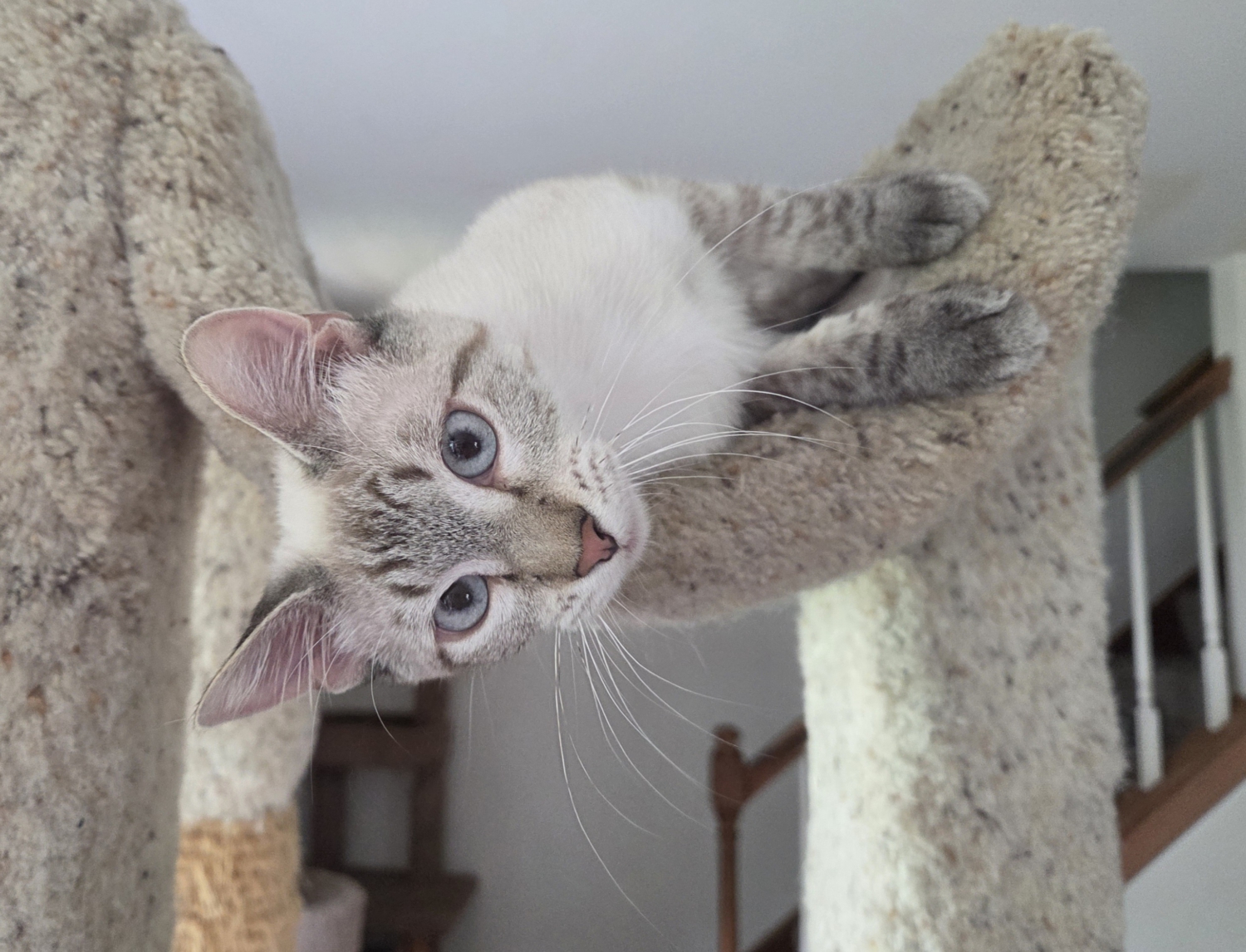
Credit: purebredcatrescue.org
Choosing The Right Breed
Choosing the right breed is a key step in adopting a purebred cat. Different breeds have unique needs and traits. Knowing these helps find a cat that fits your lifestyle. This makes living with your new pet happier and easier. Here are important points to think about before adopting.
Personality Traits
Each cat breed has its own personality. Some are very social and love attention. Others prefer quiet and alone time. Some breeds are playful, while others are calm. Consider how much interaction you want daily. This helps match a cat’s temperament to your home.
Grooming Needs
Grooming varies widely by breed. Long-haired cats need regular brushing to avoid mats. Short-haired cats usually require less grooming. Some breeds shed more, which means more cleaning. Think about how much time you can spend grooming. This keeps your cat healthy and comfortable.
Activity Levels
Activity levels differ among cat breeds. Some cats are very active and need space to play. Others are more relaxed and enjoy lounging. Active breeds may need more toys and attention. Low-energy cats suit quieter homes better. Matching activity levels helps both you and your cat stay happy.
Where To Find Purebred Cats
Finding a purebred cat that fits your lifestyle and personality can feel overwhelming. But knowing where to look narrows down your options and helps you make a choice you’ll be happy with. Whether you want a specific breed or just want to ensure your new cat has a healthy background, there are trusted places to start your search.
Reputable Breeders
Reputable breeders are often the first place people think of when searching for a purebred cat. These breeders focus on the health and temperament of their cats, not just appearance.
Look for breeders who allow you to visit and meet the kittens and their parents. They should provide health clearances and be open about any genetic issues. This transparency helps you avoid surprises later.
Have you ever met a breeder who treated their cats like family? That kind of care makes a big difference in the personality and health of your future pet.
Rescue Organizations
Did you know there are rescue groups dedicated solely to purebred cats? These organizations save cats from shelters or owners who can no longer care for them.
Adopting from a rescue can be rewarding and often less expensive than buying from a breeder. Plus, you get the satisfaction of giving a cat a second chance.
Check breed-specific rescues online or ask local shelters if they have purebred cats available. You might be surprised by the variety waiting for a new home.
Cat Shows And Events
Cat shows and events are excellent places to meet breeders, rescue groups, and other cat lovers. You can see many purebred cats up close and ask questions directly.
These events often include vendors and experts who can guide you to reputable sources for adopting or buying a purebred cat. Attending one also helps you understand different breeds better.
Have you visited a cat show? It’s a fun way to connect with the community and find your perfect purebred companion.
Questions To Ask Breeders
Choosing to adopt a purebred cat is exciting, but it’s also a serious commitment. Asking the right questions to breeders ensures you bring home a healthy, well-adjusted companion. These questions help you understand the cat’s background and the breeder’s care standards, giving you confidence in your choice.
Health History
Start by asking about the health records of the kitten and its parents. Inquire about vaccinations, screenings for genetic diseases, and any past illnesses. A responsible breeder should provide detailed health certificates and be open about any health issues.
Don’t hesitate to ask if the breeder performs routine veterinary checks or tests for common breed-specific conditions. This information protects your future pet and saves you from unexpected vet bills. How would you feel if you discovered health problems after bringing your cat home?
Parent Cats’ Background
Knowing the lineage of the parent cats reveals a lot about your kitten’s potential temperament and health. Ask about their ages, temperaments, and any titles if they have been shown in cat shows. This helps you predict your cat’s personality and care needs.
Also, check if the parents live with the breeder or are kept separately. Cats raised in a home environment often develop better social skills. Would you prefer a kitten that has been around people and other pets from an early age?
Socialization Practices
Ask how the breeder socializes the kittens. Early exposure to humans, sounds, and different environments shapes a kitten’s behavior. Good breeders handle their kittens regularly and introduce them to everyday noises and interactions.
Find out if the kittens have been around children, other animals, or different settings. This experience makes a huge difference in how confident and adaptable your cat will be. How important is it to you that your new cat easily adjusts to your home and lifestyle?
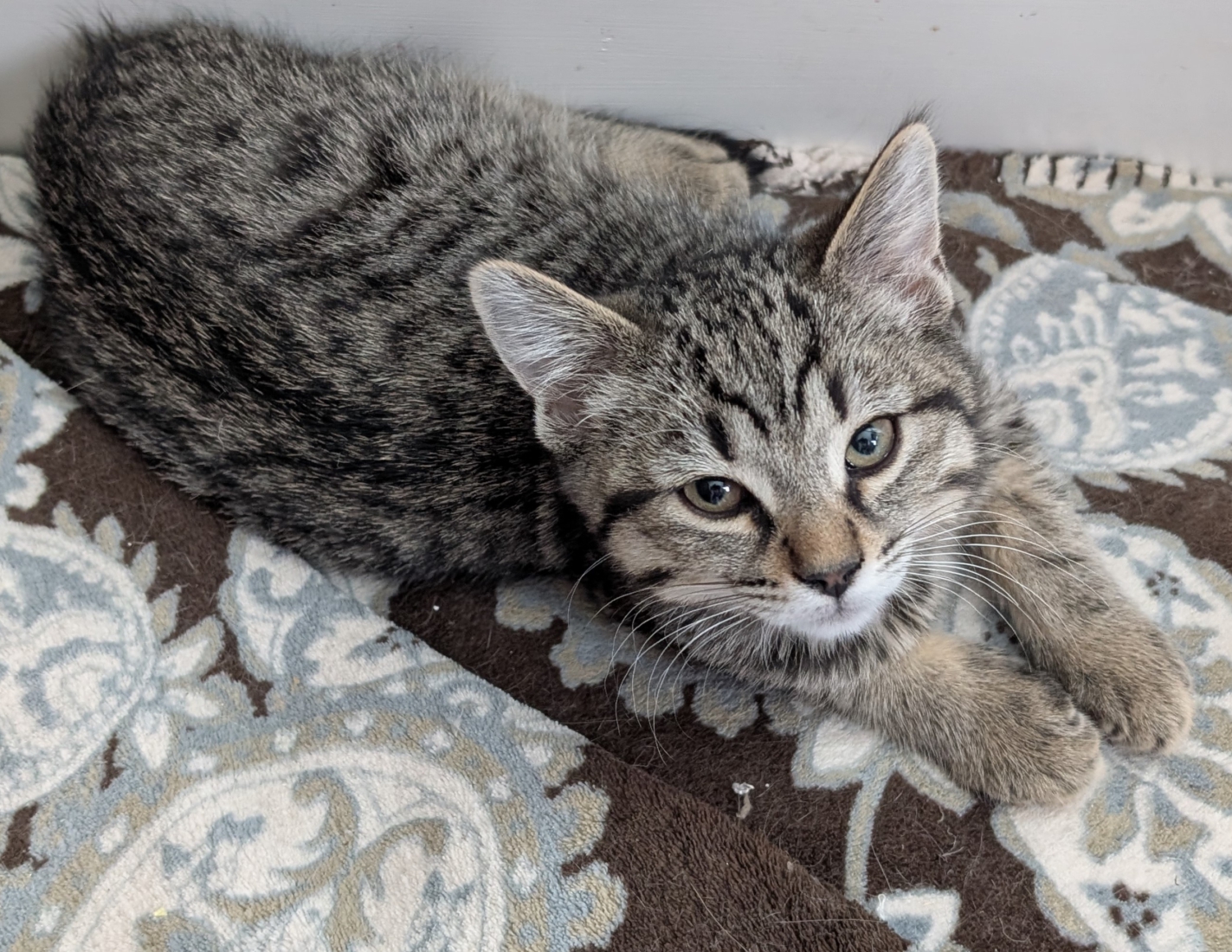
Credit: purebredcatrescue.org
Preparing Your Home
Getting ready to welcome a purebred cat into your home means more than just picking up a few supplies. It’s about creating a safe and comfortable environment where your new feline friend can thrive. Thoughtful preparation helps reduce stress for both you and your cat, making the transition smoother and more enjoyable.
Essential Supplies
Start by gathering the basics that your purebred cat will need every day. This includes food and water bowls, a litter box, scratching posts, and cozy bedding. Choosing high-quality cat food suitable for your cat’s breed and age is important to keep them healthy.
Don’t forget toys and grooming tools like brushes or nail clippers. A well-stocked supply kit means you won’t have to make last-minute trips to the store after your cat arrives. Have you considered which types of toys your cat might enjoy most?
Safe Spaces
Every cat needs a quiet spot where they feel secure, especially in a new environment. Set up a small, enclosed area with their bed, litter box, and some toys. This gives your cat a retreat if they feel overwhelmed.
Make sure this space is away from loud noises and busy foot traffic. Over time, your cat will explore other areas of your home, but having a safe zone helps them settle in faster. What corner of your home feels like it could be a calm haven for your cat?
Introducing To Other Pets
Introducing a new cat to existing pets requires patience and careful planning. Keep them separated at first, allowing your cat to get used to the new smells and sounds without direct contact. Gradual introductions through a door or baby gate work well.
Watch for signs of stress or aggression and don’t rush the process. Positive interactions can be encouraged with treats and playtime once they start to tolerate each other. How will you monitor and manage your pets’ first meetings?
Costs And Commitments
Adopting a purebred cat involves more than just love and care. It requires understanding the costs and commitments involved. These factors help ensure you provide a happy, healthy home for your new feline friend.
Initial Expenses
Purebred cats often come with higher upfront costs than mixed breeds. Adoption fees may cover vaccinations, microchipping, and spaying or neutering. Some breeds require special care, which can add to the price. You might also need to buy supplies like a bed, litter box, and scratching post.
Ongoing Care
Daily care expenses include food, litter, and routine vet visits. Purebred cats sometimes need specific diets or grooming, depending on their breed. Regular vaccinations and flea treatments are necessary. Unexpected health issues can increase costs, so budgeting for emergencies is wise.
Time Investment
Cats need daily attention and interaction to stay happy. Grooming purebred cats may take extra time due to their coat type. Training and socializing are important, especially for shy or active breeds. Spending quality time strengthens your bond and supports your cat’s well-being.
Health And Wellness Tips
Keeping a purebred cat healthy requires regular care and attention. Good health supports a happy life and helps prevent many common problems. Understanding key health and wellness tips ensures your cat thrives in its new home.
Vaccinations And Vet Visits
Vaccinations protect cats from serious diseases. Schedule initial vaccines soon after adoption. Follow your vet’s advice on boosters and timing. Regular vet visits catch health issues early. Annual check-ups help monitor your cat’s overall condition. Keep a record of all vaccinations and vet appointments.
Nutrition Guidelines
Feed your purebred cat balanced food suitable for its age and breed. Choose high-quality cat food with proper nutrients. Avoid giving human food or too many treats. Fresh water should always be available. Monitor your cat’s weight and adjust food portions if needed.
Recognizing Common Issues
Watch for changes in behavior or appearance. Signs like vomiting, diarrhea, or lethargy need prompt attention. Look for skin problems such as redness or hair loss. Dental health is crucial; check for bad breath or swollen gums. Early detection of illness improves treatment success.
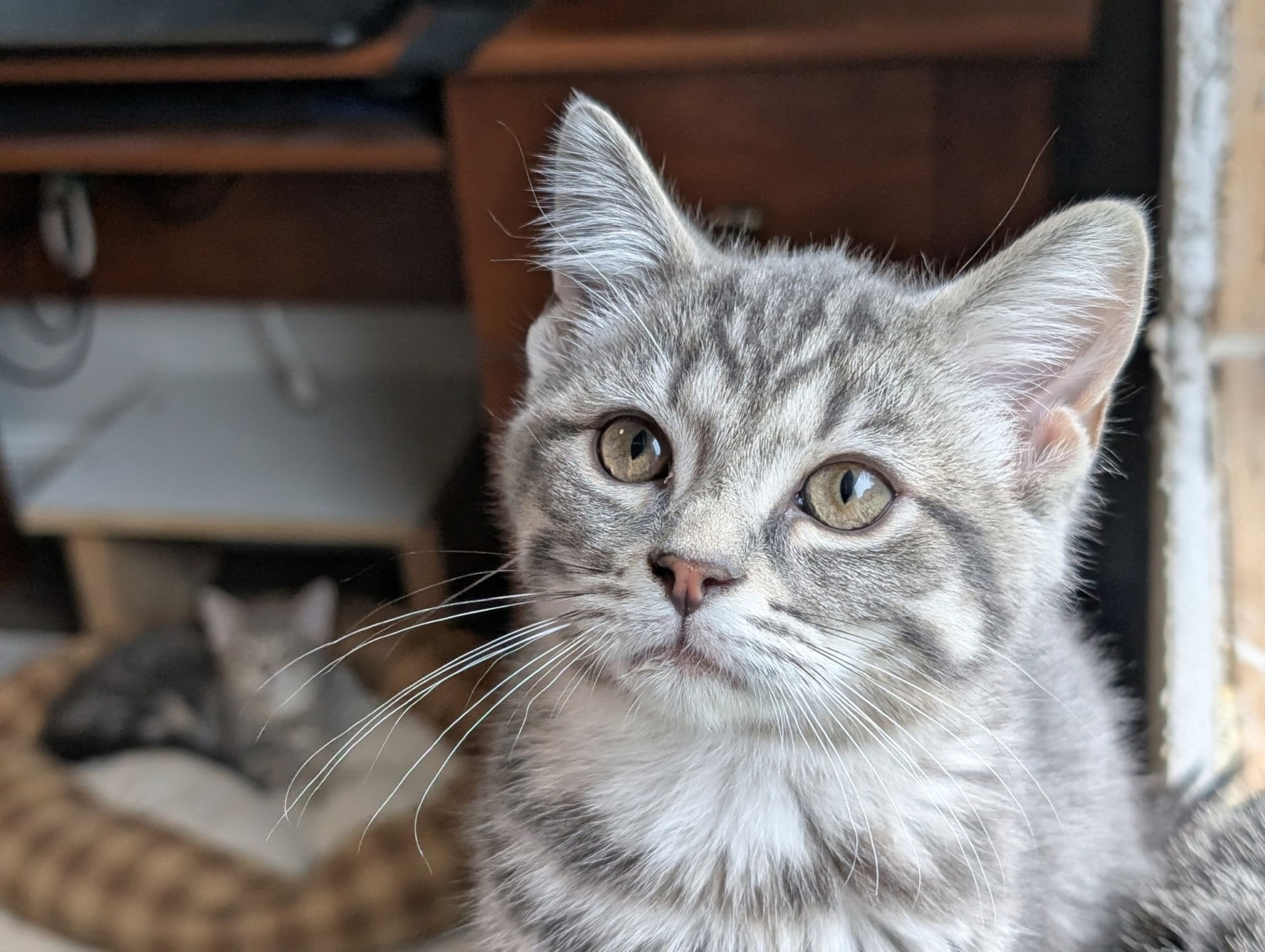
Credit: purebredcatrescue.org
Frequently Asked Questions
What Are The Benefits Of Adopting A Purebred Cat?
Adopting a purebred cat ensures predictable traits like size and temperament. It often means better health history and breed-specific care guidance. Purebred cats can fit well with specific lifestyle needs, making them ideal for owners seeking particular characteristics.
How To Find Reputable Purebred Cat Breeders?
Look for breeders registered with recognized cat associations. Check reviews and ask for health clearances of the cats. Visit the breeder in person to assess conditions and ask questions about the breed’s care and history.
What Should I Consider Before Adopting A Purebred Cat?
Consider your lifestyle, home environment, and budget. Research the breed’s temperament, health issues, and grooming needs. Ensure you can provide time, space, and financial resources for proper care.
Is Adopting A Purebred Cat More Expensive Than Others?
Yes, purebred cats often cost more due to breeding and health screenings. Expect higher initial fees and potential ongoing expenses for specialized care. However, costs vary by breed and breeder reputation.
Conclusion
Adopting a purebred cat brings joy and companionship. They have unique traits. Purebreds often come from dedicated breeders. This ensures health and temperament. Adoption can mean saving a life. Shelters often have purebreds too. Owning a cat means responsibility. They need love, care, and attention.
Research breeds to find the right match. Each breed has different needs. Choose a cat that fits your lifestyle. Enjoy the journey of cat ownership. A purebred cat can be a wonderful friend. Embrace the joy they bring. Make your home their forever home.
