

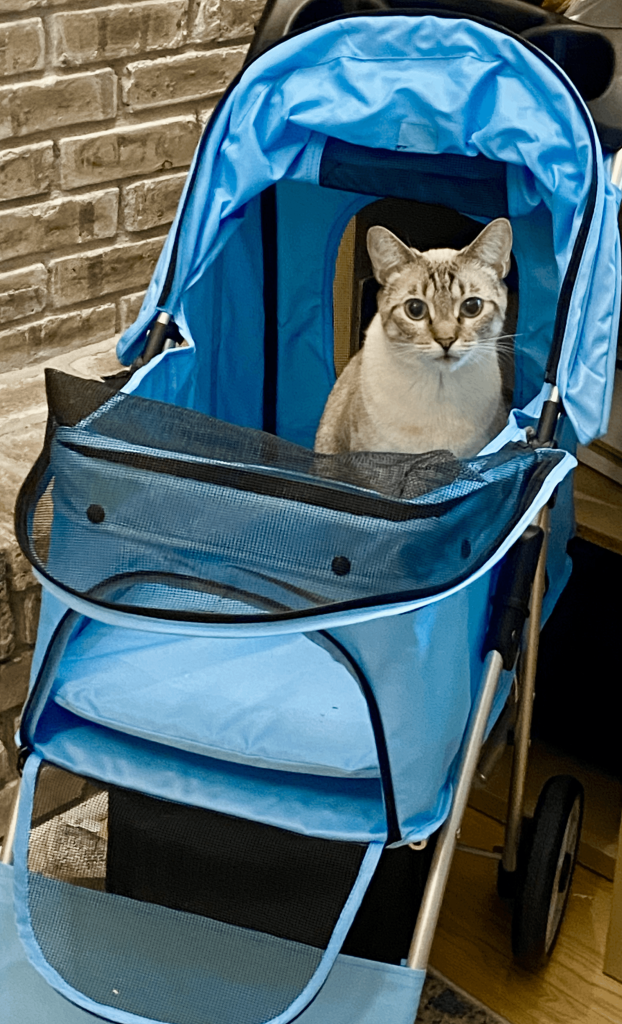
Are you thinking about adopting an outdoor cat? Bringing a cat into your life can be one of the most rewarding experiences you’ll ever have.
But outdoor cats have unique needs and challenges that you should know about before you make this important decision. Imagine giving a stray or feral cat a second chance at a safe, loving home while still letting them enjoy the freedom they crave.
You’ll discover everything you need to consider to make this choice right for both you and your new furry friend. Keep reading to learn how you can create a happy, healthy life for an outdoor cat—and why it might just change your life too.
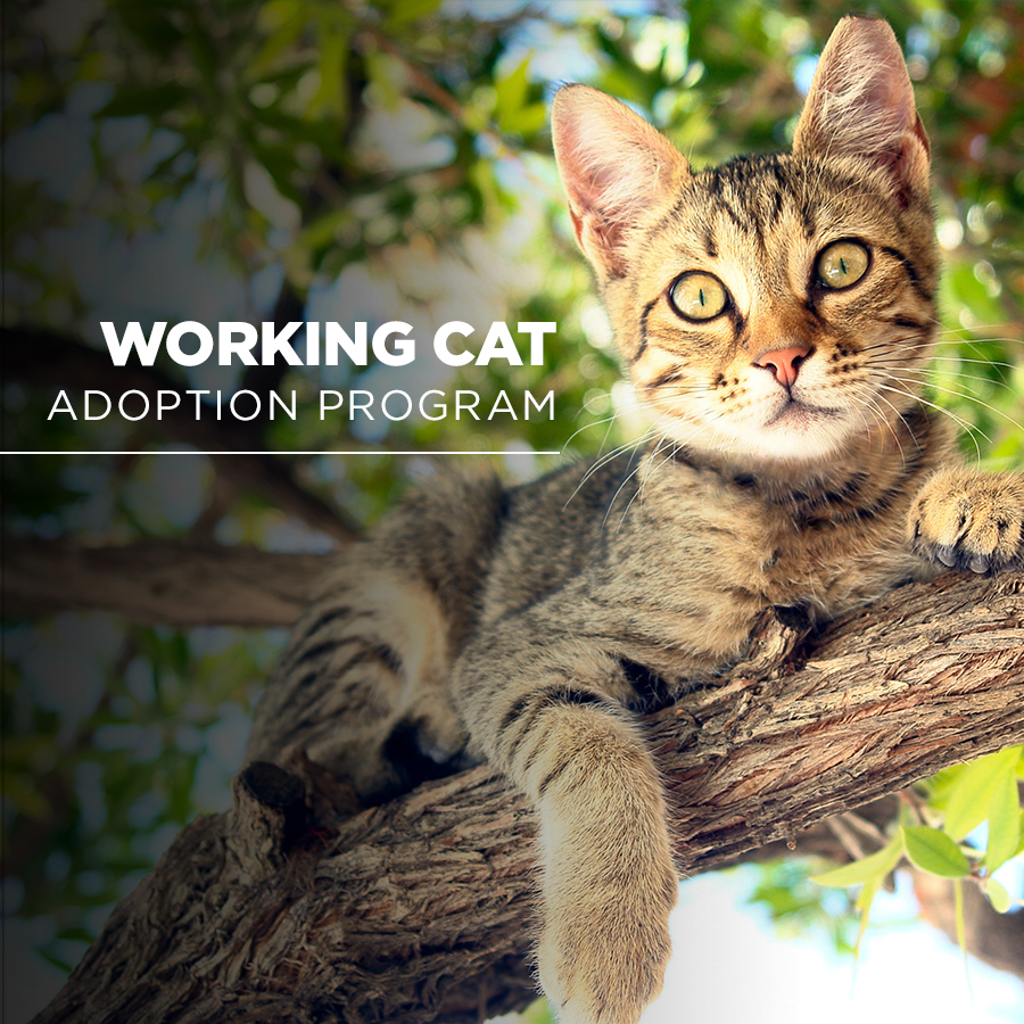
Credit: www.sdhumane.org
Choosing The Right Cat
Choosing the right cat for outdoor adoption is a crucial step that shapes your experience and the cat’s well-being. Not every cat is suited for the outdoors, and selecting one with the right qualities can make all the difference. You want a companion who can thrive outside while staying safe and happy.
Assessing Temperament
Temperament plays a big role in an outdoor cat’s success. Look for cats that show curiosity without excessive fear or aggression. A calm but alert cat adapts better to new environments and potential outdoor challenges.
Notice how the cat reacts to people and other animals. Are they friendly or skittish? Choosing a cat comfortable with social interaction helps reduce stress when encountering neighbors or wildlife.
Age Considerations
Age affects how well a cat handles outdoor life. Younger cats tend to be more resilient and energetic, able to explore and learn quickly. However, very young kittens might lack the skills to stay safe outside.
Older cats can enjoy the outdoors too but may need more supervision and a safe, accessible environment. Ask yourself: can you provide what a senior cat needs to stay comfortable outdoors?
Health Screening
Before adopting, ensure the cat receives a thorough health check. Outdoor cats face risks like parasites, infections, and injuries, so vaccinations and preventive care are essential.
Check for signs of illness or chronic conditions that could worsen outdoors. A healthy cat is better equipped to handle the unpredictability of outdoor life and enjoy it safely.
Preparing Your Outdoor Space
Preparing your outdoor space is key to keeping your new cat safe and happy. Outdoor cats need protection from weather and dangers. Creating a welcoming environment helps them feel secure and comfortable. This section covers ways to make your yard cat-friendly and safe.
Safe Shelter Options
A sturdy shelter shields your cat from rain, wind, and cold. Use materials like wood or plastic for durability. Place the shelter in a quiet, shaded spot. Add soft bedding such as straw or blankets for warmth. Ensure the entrance is small enough to keep larger animals out.
Creating Hiding Spots
Cats feel safer with places to hide and observe. Use bushes, tall grass, or stacked logs as natural covers. Small boxes or tunnels work well too. These spots help your cat relax and avoid stress. Position hiding places near the shelter for easy access.
Secure Fencing
Fencing keeps your cat inside and other animals outside. Use tall fences with no gaps or holes. Consider adding a top barrier to prevent climbing escapes. Check fences regularly for damage or weak spots. Secure fencing helps protect your cat from traffic and predators.
Essential Supplies
Getting the right supplies is crucial when adopting an outdoor cat. These essentials help your new feline friend feel safe, healthy, and happy in their new environment. Without proper supplies, you risk your cat feeling stressed or not thriving outdoors.
Food And Water Stations
Outdoor cats need constant access to fresh food and water, but placing these stations requires some thought. Use sturdy, weatherproof containers to keep food dry and water clean. Consider elevated bowls to prevent contamination from dirt or insects.
Think about the location too—choose a quiet, sheltered spot where your cat feels safe eating but predators or neighborhood animals can’t easily disturb them. You might want to add a weighted lid or cover to protect the food from rain and pests.
Toys And Enrichment
Outdoor cats still need mental stimulation to prevent boredom and destructive behaviors. Simple toys like feather wands or small balls can keep them active. You can also create DIY enrichment like hiding treats inside cardboard boxes or hanging safe, cat-friendly plants nearby.
Have you noticed how your cat reacts to new toys? Observing their preferences helps you pick what truly keeps them engaged. Enrichment isn’t just fun—it supports their hunting instincts and overall well-being.
Litter Box Solutions
Even outdoor cats sometimes prefer a designated spot to do their business. Setting up a weatherproof litter box can help keep your yard clean and avoid conflicts with neighbors. Choose a covered box with a lid to keep litter dry and reduce odor.
If space is limited, a simple sand or soil patch away from feeding areas can work. Regularly cleaning the litter spot is key to prevent unwanted smells and keep your cat comfortable using it.

Credit: trapandreturn.com
Health And Safety Measures
Adopting an outdoor cat requires special attention to health and safety. These cats face risks like injuries, diseases, and parasites. Taking the right steps helps keep them safe and healthy. Here are key measures to focus on.
Vaccinations And Parasite Control
Vaccines protect outdoor cats from common diseases. Rabies, feline distemper, and respiratory infections are serious threats. Parasites like fleas, ticks, and worms also harm cats. Use vet-recommended treatments to prevent parasites. Regular vaccinations and parasite control reduce health risks.
Microchipping And Identification
Outdoor cats can get lost or injured. Microchipping offers a permanent way to identify your cat. It helps shelters and vets return lost pets quickly. Collar tags with your contact information add extra safety. Identification increases the chances of a safe return.
Regular Vet Checkups
Routine vet visits catch health problems early. Outdoor cats need checks for injuries and illnesses. Vets can update vaccines and parasite treatments. Regular exams keep your cat in top condition. Early care improves their quality of life and longevity.
Building Trust And Bonding
Building trust with an outdoor cat takes time and patience. These cats often come from uncertain environments and may feel scared or cautious around new people. Creating a strong bond requires gentle care and understanding. Small, steady actions help the cat feel safe and loved. Trust grows little by little, forming the base for a lasting friendship.
Consistent Feeding Routine
Feeding your outdoor cat at the same time each day builds trust quickly. Cats learn to expect food and see you as a source of comfort. Use a quiet, calm spot for feeding to avoid startling the cat. Keep the feeding area clean and safe. Over time, your cat will come closer, feeling more secure around you.
Positive Interaction Techniques
Use soft voices and slow movements during interactions. Offer treats or toys to encourage play and curiosity. Avoid sudden noises or fast gestures. Let the cat approach you on its own terms. Pet gently in areas cats usually like, such as behind the ears or under the chin. Reward calm behavior to build positive memories.
Respecting Boundaries
Pay attention to signs that the cat needs space. Hissing, growling, or moving away means it’s time to stop. Never force contact or hold the cat tightly. Give plenty of room for the cat to explore and retreat. Respecting these boundaries shows you care about the cat’s comfort. Over time, the cat will learn to trust your presence without fear.
Handling Weather Challenges
Outdoor cats face many weather challenges each year. Protecting them from cold, rain, and heat is essential. Proper care helps keep them healthy and comfortable all seasons. Small changes in their environment make a big difference. Understanding these needs creates a safe space for your cat.
Providing Warmth In Cold Months
Cold weather can harm outdoor cats quickly. They need warm places to rest and sleep. Use insulated shelters with soft bedding for warmth. Avoid materials that hold moisture, like straw or leaves. Place shelters in quiet, sheltered areas away from wind.
Heating pads designed for animals work well. Check them often to prevent overheating. Adding extra blankets or old clothes helps keep cats cozy. Watch for signs of frostbite or hypothermia daily. Act fast if your cat shows weakness or shivering.
Shelter During Rain And Heat
Rain can cause illness in outdoor cats. Provide waterproof shelters to keep them dry. Elevated shelters prevent water from entering on wet ground. Ensure entrances face away from prevailing winds and rain.
During hot days, cats need shade and ventilation. Trees or shaded structures reduce heat exposure. Avoid direct sunlight on shelter roofs to lower temperature inside. Fresh water should be available and changed often to prevent dehydration.
Seasonal Safety Tips
- Check shelters regularly for damage or leaks.
- Clear snow and ice around shelter entrances.
- Remove toxic plants and chemicals from cat areas.
- Keep food and water fresh, especially in heat.
- Monitor your cat’s behavior for signs of stress or illness.
- Provide extra food during winter for energy.
- Trim long fur during summer to help cooling.
Monitoring Behavior And Health
Keeping an eye on your outdoor cat’s behavior and health is essential for their well-being. Outdoor cats face different challenges than indoor pets, so knowing what’s normal and what’s not can make all the difference. Watching for changes early helps you act fast and keep your cat happy and healthy.
Spotting Signs Of Illness
Outdoor cats can hide sickness well, so you need to be alert for subtle signs. Look for changes like a dull coat, sneezing, coughing, or unusual discharge from eyes or nose. If your cat starts hiding more than usual or seems less interested in food, it could mean they’re not feeling well.
Have you noticed your cat grooming less or more than usual? Over-grooming can cause bald spots and may signal stress or skin problems. Remember, small changes in behavior can be the first hints of illness.
Tracking Activity Levels
Tracking your cat’s activity helps you understand their normal routine and notice when something’s off. Outdoor cats often have bursts of energy mixed with rest periods. If your cat suddenly becomes lethargic or stops exploring familiar areas, it’s a red flag.
You can use simple tools like a notebook or a phone app to jot down daily observations. How often do they come home? Are they eating well? These details build a picture of your cat’s health over time.
When To Seek Veterinary Care
Knowing when to call a vet can save your cat’s life. If you see persistent vomiting, diarrhea, difficulty breathing, or severe wounds, don’t wait. Sudden limping or inability to move normally also requires immediate attention.
Trust your instincts. If something feels wrong, it probably is. Your prompt action can prevent minor problems from becoming serious health issues.

Credit: bowwowinsurance.com.au
Legal And Community Considerations
Adopting an outdoor cat brings more than just joy and companionship—it also involves navigating some important legal and community factors. Understanding these considerations helps you provide a safe and respectful environment for your cat and those around you. Let’s dive into what you need to keep in mind before welcoming an outdoor feline friend.
Local Regulations
Every area has its own rules about outdoor cats. Some places require cats to be licensed or vaccinated, while others may have restrictions on free-roaming pets. Checking with your city or county animal control office can save you from fines and legal trouble.
Think about leash laws and curfew hours too—some communities expect pets to be indoors at night. Have you looked into your local requirements? Ignorance won’t protect your cat or your wallet.
Neighbor Relations
Outdoor cats can affect your neighbors’ comfort and property. Cats might wander into gardens, use flower beds as litter boxes, or even chase small pets. It’s important to talk openly with neighbors to understand their concerns and set boundaries.
Consider sharing your plans for your outdoor cat, such as feeding times and containment areas. How would you feel if a neighbor’s pet disturbed your peace? Respectful communication can turn potential conflicts into cooperation.
Wildlife Impact
Outdoor cats are natural hunters, and their presence can threaten local wildlife populations. Birds, squirrels, and small mammals are often at risk. You can reduce this impact by providing toys that satisfy hunting instincts or using bells on collars to warn prey.
Ask yourself if your cat’s freedom might harm the ecosystem around you. Balancing your cat’s outdoor life with wildlife protection shows responsible pet ownership and care for your community’s environment.
Frequently Asked Questions
What Should I Consider Before Adopting An Outdoor Cat?
Consider the cat’s health, safety, and environment. Outdoor cats face risks like traffic, predators, and weather. Ensure vaccinations, spaying/neutering, and identification tags before adoption. Provide shelter and regular vet visits to maintain their well-being.
How Can I Keep An Outdoor Cat Safe?
Keep your cat vaccinated, microchipped, and spayed/neutered. Provide a secure shelter and avoid busy roads. Regularly check for ticks and parasites. Supervise outdoor time if possible, and offer fresh food and water daily.
What Are The Benefits Of Adopting An Outdoor Cat?
Outdoor cats control pests and enjoy natural behaviors. They require less indoor space and stimulation. Adoption gives them a safe, loving home, reducing stray populations. Outdoor cats can live healthy lives with proper care and attention.
How Do I Transition An Outdoor Cat To A New Home?
Introduce your cat gradually to its new environment. Provide familiar items like bedding or toys. Allow outdoor exploration in a safe, controlled area. Maintain consistent feeding and care routines to ease stress and build trust.
Conclusion
Adopting an outdoor cat brings joy and responsibility. Cats thrive with freedom. They explore and satisfy their curiosity. Provide a safe environment for your feline friend. Regular vet visits ensure their health. A balanced diet keeps them strong. Ensure they have a warm place to sleep.
Love and patience go a long way. Watch them grow and bond with you. Outdoor cats enrich our lives. Their adventures entertain and amaze us. Embrace their independent spirit. You’ll cherish the companionship they offer.
