

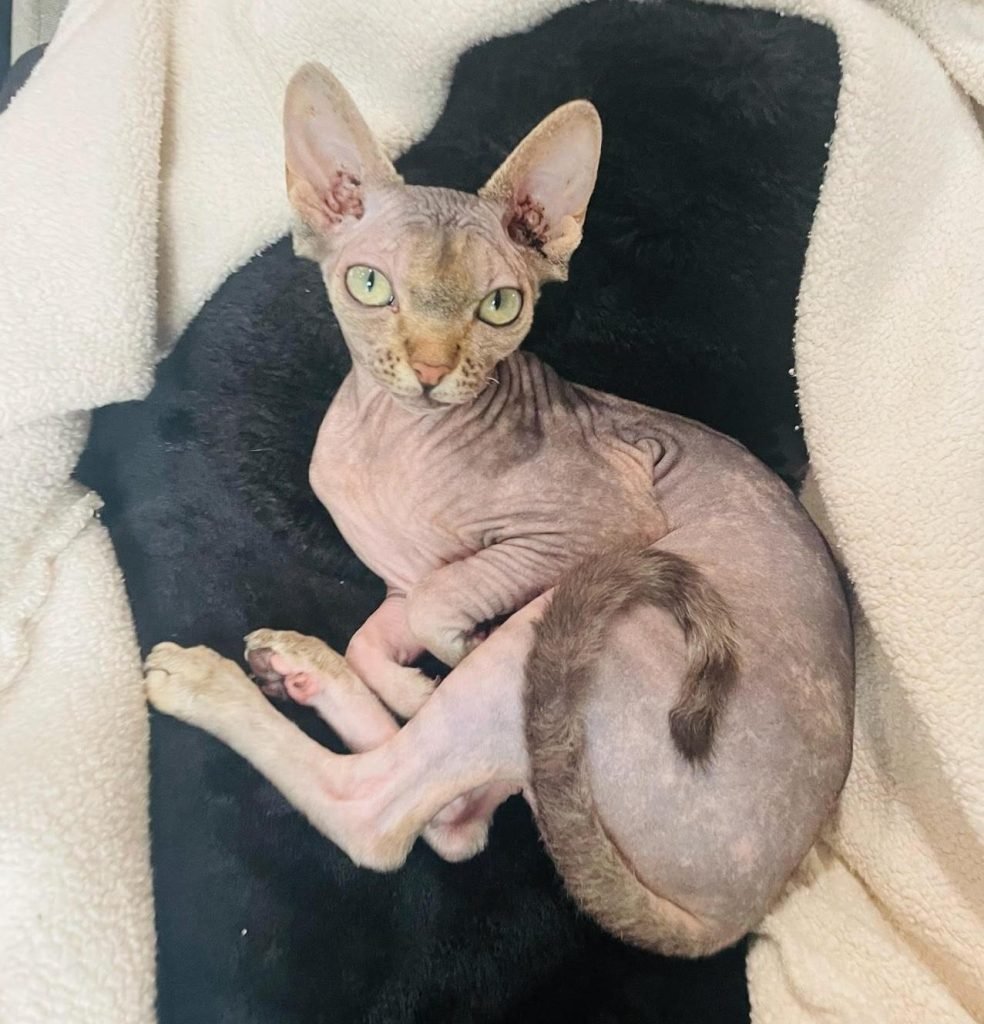
Are you thinking about adding a unique furry friend to your family? Hairless cats might just be the perfect match for you.
These special cats are not only striking in appearance but also full of personality and love. If you’ve ever wondered what it’s like to care for a hairless cat or how to adopt one, you’re in the right place. This guide will help you understand everything you need to know to bring a hairless cat into your home and heart.
Keep reading to discover why adopting a hairless cat could be one of the best decisions you’ll ever make.
Credit: www.petfinder.com
Why Choose A Hairless Cat
Choosing a hairless cat brings a special experience to pet ownership. These cats stand out with their distinct look and gentle nature. They suit families who want a pet that feels different yet loving. Hairless cats fit well in homes where allergies are a concern. Their unique traits make them a great companion for many people.
Unique Appearance
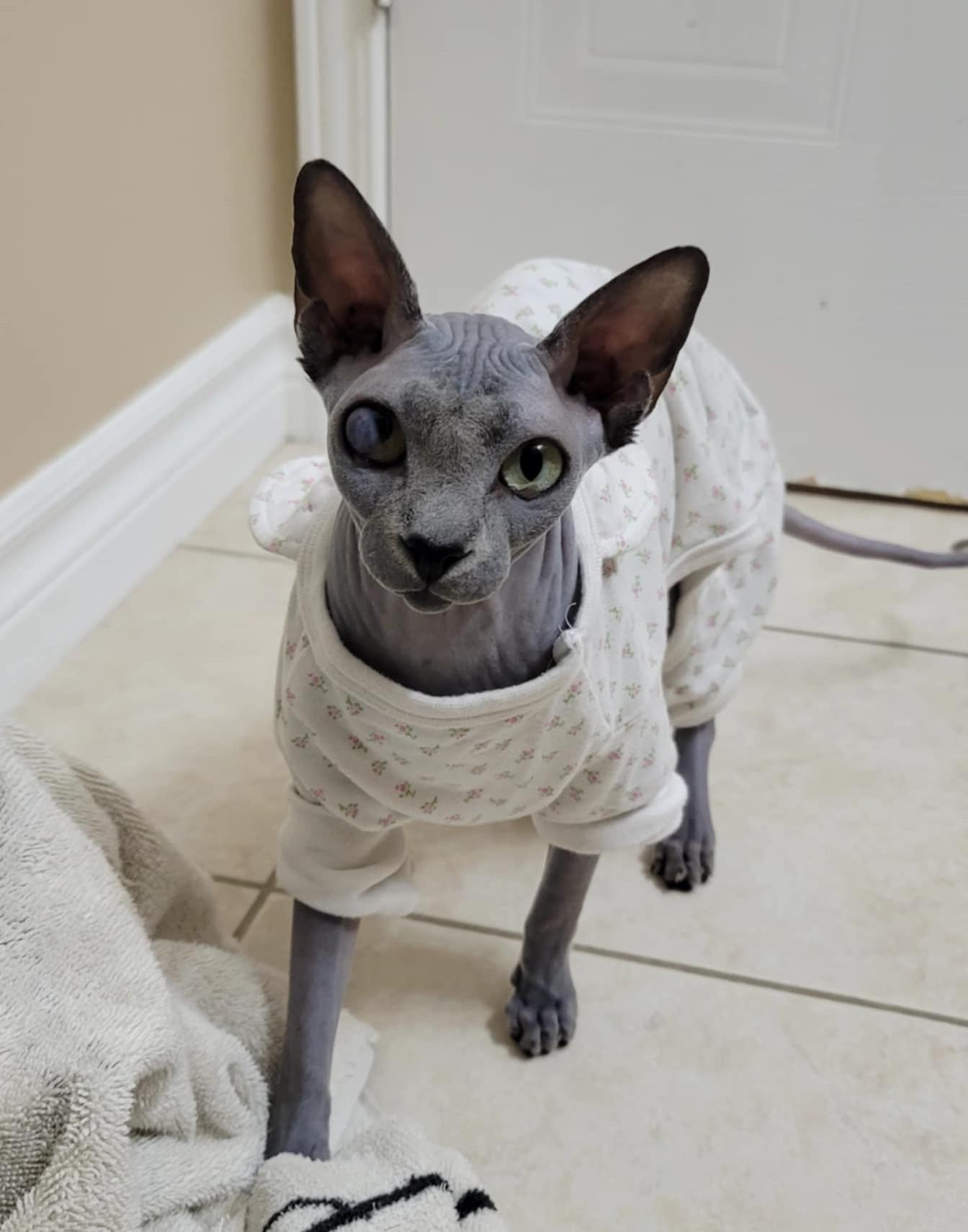
Hairless cats have a smooth, bare skin that feels warm to touch. Their big ears and bright eyes give them an exotic look. Their skin shows wrinkles and patterns that make each cat unique. This appearance often draws attention and curiosity. They look like little creatures from another world, which many find fascinating.
Allergy Considerations
Hairless cats produce fewer allergens than other cats. They have no fur to trap dander and dust. People with mild allergies may find them easier to live with. Regular bathing helps reduce allergens on their skin. These cats offer a chance for allergy sufferers to enjoy a cat’s company.
Personality Traits
Hairless cats are friendly and very social. They enjoy being close to their owners and love attention. These cats are playful and curious, often exploring their surroundings. They tend to be calm and adapt well to indoor life. Their loving nature creates strong bonds with families.

Credit: lapa.shop
Preparing Your Home
Preparing your home for a hairless cat is an exciting step that requires attention to their unique needs. These cats don’t have fur to protect them, so your environment must provide warmth, safety, and comfort. Setting up the right space helps your new companion feel secure and cared for from day one.
Warmth And Comfort Needs
Hairless cats lose body heat faster than their furry friends. You’ll need to add cozy blankets and heated beds to keep them warm, especially in cooler months. Consider placing soft, warm bedding in sunny spots or near heaters to create inviting resting areas.
Think about layering your cat’s favorite spots with fleece or plush materials. You might even want to try a cat-safe heating pad—just make sure it has adjustable settings to avoid overheating. Have you noticed how your hairless cat seeks out warm places around the house? That’s a clear sign they need extra warmth.
Safe Spaces
Hairless cats can be more sensitive to environmental changes and loud noises. It’s important to create quiet, safe zones where they can retreat and relax without stress. A small cat tent, a covered bed, or even a simple box lined with soft blankets can become their sanctuary.
Watch how your cat reacts to different areas in your home. Do they hide under the couch or prefer a high perch? Use these observations to design spaces that feel secure and calm. Remember, a safe space isn’t just about comfort—it reduces anxiety and helps your cat adapt smoothly to their new home.
Essential Supplies
Beyond the usual cat essentials, hairless cats need special items to stay healthy and happy. You’ll want to have gentle, hypoallergenic shampoos ready because their skin requires regular cleaning to prevent oil buildup. Also, invest in moisturizing sprays or lotions recommended by your vet to keep their skin from drying out.
Don’t forget sun protection—hairless cats can get sunburned easily. Consider window films or pet-safe sunscreens if your cat spends time in sunny spots. And, of course, provide plenty of toys and scratching posts to keep them entertained and active.
Feeding Your Sphynx
Feeding your Sphynx cat requires special attention due to its unique body and metabolism. These hairless cats burn more calories to keep warm. Proper nutrition keeps them healthy and energetic. Understanding their dietary needs helps you provide the best care.
Dietary Requirements
Sphynx cats need a high-protein diet to maintain muscle mass. They require more calories than other cats because of their fast metabolism. Fat is also important to provide energy and support skin health. Vitamins and minerals keep their immune system strong. Avoid foods with fillers or artificial ingredients. Fresh water should be available at all times.
Recommended Foods
- High-quality commercial cat food rich in protein and fat
- Raw or cooked meats like chicken, turkey, or fish
- Special diets formulated for sensitive skin or allergies
- Supplements like omega-3 for skin and coat health
Avoid feeding your Sphynx dog food, human food, or dairy products. These can cause digestive issues or allergies.
Feeding Schedule
Feed your Sphynx small meals throughout the day. Three to four meals are ideal to maintain energy. Monitor their weight and adjust portions as needed. Avoid overfeeding to prevent obesity. Regular feeding times help with digestion and routine.
Grooming Essentials
Hairless cats have unique grooming needs that differ from furry breeds. Their exposed skin requires special care to stay healthy and clean. Proper grooming helps prevent skin problems and keeps your cat comfortable. Understanding the essentials of grooming ensures your hairless cat lives a happy, healthy life.
Skin Care Tips
Hairless cats have sensitive skin that can dry out or get oily. Wipe their skin gently with a soft, damp cloth weekly. Use pet-safe, fragrance-free wipes to avoid irritation. Keep your cat out of direct sunlight to prevent sunburn. Moisturize with vet-approved lotions if the skin feels dry. Check for redness or bumps regularly to catch issues early.
Bathing Routine
Bathing your hairless cat is important to remove oils and dirt. Use a mild, hypoallergenic cat shampoo made for sensitive skin. Bath your cat every one to two weeks to keep skin clean. Use warm water and rinse thoroughly to avoid residue. Dry your cat completely with a soft towel to prevent chills. Stay calm and gentle to make bath time easier.
Nail And Ear Care
Trimming nails regularly prevents scratches and helps your cat move safely. Use a small, sharp nail clipper designed for cats. Cut only the tips to avoid hurting the quick. Clean ears weekly with a vet-recommended ear cleaner and cotton balls. Avoid deep ear cleaning to prevent damage. Watch for signs of infection like redness or smell.
Health And Vet Care
Hairless cats need special care to stay healthy and happy. Their unique skin makes them more sensitive to the environment. Regular health checks and proper vet care are essential for their well-being. Understanding their common health problems and maintaining a vaccination schedule keeps them strong. Finding the right vet can make a big difference in their care.
Common Health Issues
Hairless cats often face skin problems due to their lack of fur. Their skin can dry out or get sunburned easily. They need gentle baths to remove oils and dirt. Some hairless cats may have respiratory issues or dental problems. Watch for signs like redness, itching, or breathing trouble. Early care helps avoid serious conditions.
Vaccinations And Checkups
Vaccinations protect hairless cats from many infections. Core vaccines include feline herpesvirus, calicivirus, and rabies. Regular checkups help spot health problems early. Your vet will check their skin, teeth, and overall condition. Schedule visits at least once a year or as advised. Keep a health record for your cat’s history.
Finding A Specialist
Choose a vet who knows about hairless cat care. Specialists understand their skin and health needs. Ask for recommendations from breeders or rescue groups. A specialist can give advice on diet, skin care, and treatments. Building a good relationship with your vet ensures better care. Trust and experience matter for your cat’s health.

Credit: www.thinksphynxcattery.com
Socializing And Training
Socializing and training your hairless cat is key to a happy and well-adjusted pet. These unique cats crave attention and connection, so investing time in building a bond will pay off. Training isn’t just about commands; it’s about creating a language of trust and fun between you and your feline friend.
Building Trust
Start by spending quiet moments near your hairless cat without pushing for interaction. Let them come to you on their terms. Petting gently and speaking softly helps create a safe space where your cat feels secure.
Consistency matters—feed and play at the same times daily to build predictability. Have you noticed how your cat reacts when you change your routine? Keeping steady signals comfort and reliability.
Interactive Play
Engage your cat with toys that mimic prey, like feather wands or laser pointers. These stimulate their natural hunting instincts and strengthen your bond. Play sessions also help manage their energy, reducing unwanted behaviors.
Try mixing short bursts of play with calm petting to keep their attention. Notice what types of toys your cat prefers—some love chasing, while others enjoy puzzle feeders. What’s your hairless cat’s favorite game?
Litter Training Tips
Hairless cats usually adapt quickly to litter boxes, but placement is crucial. Keep the box in a quiet, accessible spot and clean it regularly to encourage use. Avoid sudden changes that might confuse your cat.
Use a low-sided box initially so your cat can enter easily. If accidents happen, clean the area thoroughly with an enzyme cleaner to remove odors. How do you handle litter training setbacks? Patience and gentle encouragement go a long way.
Adoption Process
The adoption process for a hairless cat is straightforward yet requires careful thought. These unique pets need special care and attention. Understanding the steps helps prepare for a smooth transition. This section covers where to adopt, what to expect, and adoption costs.
Where To Adopt
Start by checking local animal shelters and rescue groups. Some specialize in rare breeds, including hairless cats. Online adoption platforms offer listings from various locations. Breed-specific rescues can connect you with hairless cats in need. Visiting in person or browsing websites helps find the right match.
What To Expect
Adoption includes an application process and interviews. Expect questions about your home and lifestyle. This ensures the cat fits well with your family. Some shelters require home visits to check the environment. After approval, you may meet the cat to see how you connect. Patience is key during this phase. It helps build trust and understanding.
Adoption Costs
Costs vary depending on the shelter or rescue. Typical fees cover vaccinations, spaying or neutering, and microchipping. Expect to pay between $100 and $300. Some organizations include starter supplies like food and litter. Budget for ongoing expenses such as special skin care products. Knowing costs upfront avoids surprises later.
Living With A Sphynx
Living with a Sphynx cat brings a unique and rewarding experience. These hairless cats have warm, soft skin that needs special attention. Their friendly nature makes them excellent companions. Understanding their needs helps create a happy home for your Sphynx.
Daily Care Routine
Sphynx cats need regular skin care to stay healthy. Their skin produces oils that can build up without fur to absorb them. Wiping them with a damp cloth or giving weekly baths helps prevent skin problems.
Keep their ears clean by gently wiping inside with a cotton ball. Their lack of fur means more dirt can collect there. Trim their nails every week to avoid scratches on their skin.
Provide cozy blankets or warm spots for them to rest. Sphynx cats feel cold more easily than other cats. Feeding a balanced diet supports their energy and skin health.
Traveling With Your Cat
Traveling with a Sphynx requires extra care due to their delicate skin. Use a soft carrier lined with a warm blanket. Avoid direct sunlight during travel to protect their skin.
Bring familiar items like toys or blankets to reduce stress. Offer water and small food portions if the trip is long. Check on your cat often to ensure comfort and safety.
Dealing With Common Challenges
Sphynx cats can face skin dryness or sunburn without proper care. Apply vet-approved moisturizers if their skin becomes dry. Limit sun exposure by keeping them indoors or using shade.
Watch for signs of irritation or infection and consult a vet if needed. Some Sphynx cats may get cold easily; provide warm clothing or heated beds. Their high energy may lead to playful mischief, so offer plenty of toys.
Frequently Asked Questions
What Are The Benefits Of Adopting A Hairless Cat?
Hairless cats are hypoallergenic, making them great for allergy sufferers. They require less grooming and have unique, affectionate personalities. Adoption helps rescue cats find loving homes and supports animal welfare organizations. These cats are playful, social, and bond closely with their owners.
How Do I Care For A Hairless Cat’s Skin?
Hairless cats need regular skin cleaning to remove oils and dirt. Use gentle, hypoallergenic wipes or baths weekly. Protect them from sunburn by limiting sun exposure. Moisturize with vet-approved lotions to prevent dryness. Proper skin care keeps them healthy and comfortable.
Are Hairless Cats Hypoallergenic For Allergy Sufferers?
Hairless cats produce fewer allergens due to lack of fur but are not completely allergen-free. They shed less dander, which helps reduce allergic reactions. However, people with severe allergies should spend time with the cat before adoption to ensure compatibility.
What Should I Know Before Adopting A Hairless Cat?
Hairless cats need extra skin care and warmth due to lack of fur. They are social and require attention and mental stimulation. Expect higher vet costs for skin health. Research breed traits and prepare your home for their unique needs before adopting.
Conclusion
Adopting a hairless cat offers a unique companionship. These cats are loving and playful. Their care needs are simple but important. Regular skin care and warmth are essential. They make great family pets with their friendly nature. Ensure you understand their needs before adoption.
Research and preparation help create a happy environment. Enjoy the special bond with your hairless feline friend. They bring joy and affection to any home. Perfect for those seeking an unusual pet. Embrace the adventure of adopting a hairless cat today.
