

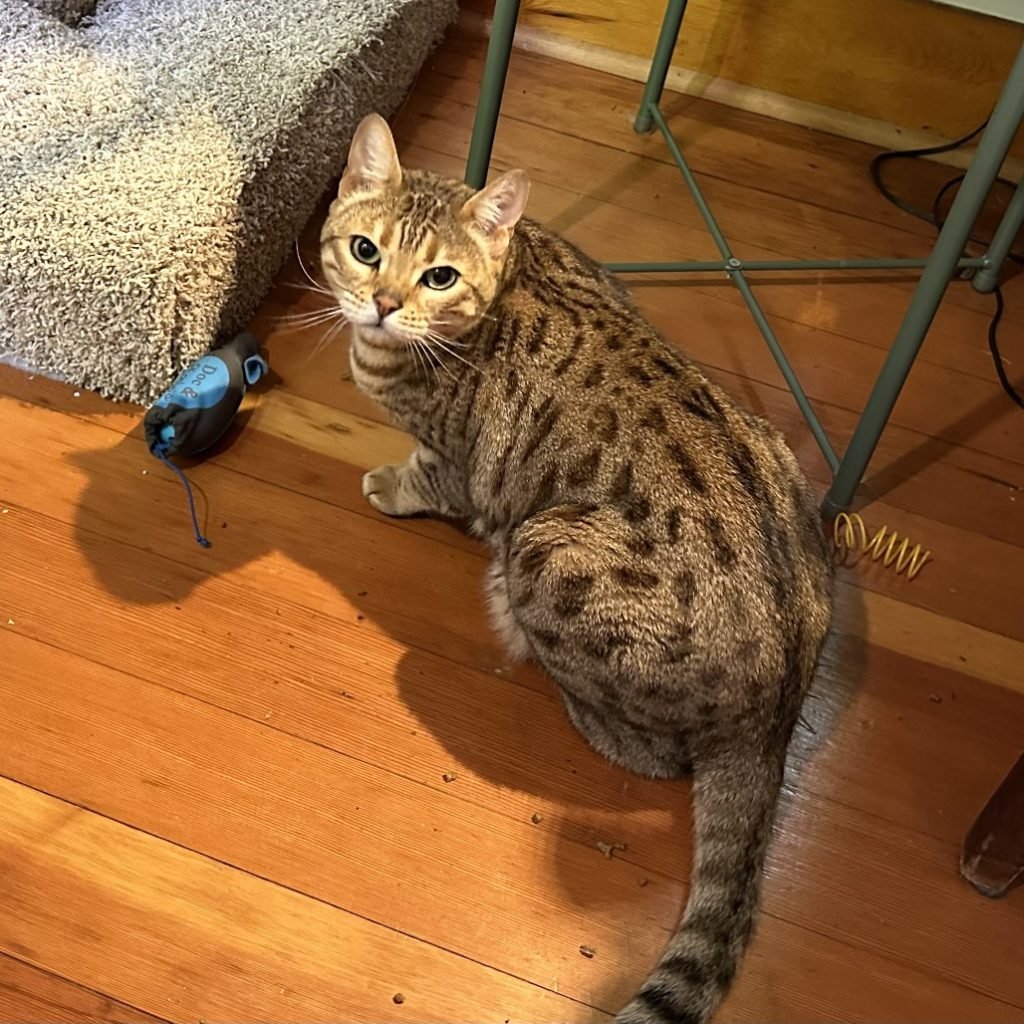
Are you thinking about adding a Bengal cat to your family? Bengal cats are known for their stunning looks and playful personalities.
But finding the right Bengal cat through rescue adoption can be a rewarding experience for you and the cat in need. You’ll discover why adopting a Bengal cat rescue is a great choice, how to find trustworthy rescues, and what to expect when bringing your new friend home.
Keep reading to learn how you can give a Bengal cat a loving second chance and enjoy a loyal companion for years to come.
Why Choose A Bengal Cat
Choosing a Bengal cat means bringing home a pet that stands out both in looks and behavior. Their striking patterns catch your eye, but it’s their lively spirit that truly captures hearts. If you want a cat that’s more than just a companion, a Bengal could be the perfect match for your home.
Unique Appearance And Personality
Bengal cats have a wild look with their leopard-like spots and sleek, shiny coats. This unique appearance often sparks conversations and admiration from guests. But beyond their looks, Bengals are confident and curious, always eager to explore and interact with their environment.
Many adopters say their Bengal feels more like a small, furry friend than a typical cat. You’ll notice they have distinct personalities—some are bold and outgoing, while others can be affectionate and gentle. What’s your cat’s personality going to be?
Energy Levels And Playfulness
Bengals are known for their high energy and playful nature. They love climbing, jumping, and chasing toys, which keeps them active and engaged. If you enjoy interactive play, a Bengal offers endless fun and mental stimulation.
Without enough activity, Bengals may become bored or restless, so providing toys, climbing trees, or puzzle feeders is essential. Think about how you’ll keep your Bengal entertained—do you have time for daily play sessions?
Compatibility With Families And Pets
These cats generally get along well with children and other pets if introduced properly. Their social nature means they often enjoy being part of a busy household. However, their spirited behavior means they need a family ready to give them attention and respect their space.
If you have dogs or other cats, Bengals can adapt, but slow introductions help everyone feel comfortable. Are you prepared to welcome a lively companion who thrives on interaction and companionship?

Credit: www.petfinder.com
Rescue Vs. Breeder Adoption
Choosing between adopting a Bengal cat from a rescue or purchasing one from a breeder can shape your entire pet experience. Each path offers unique advantages and potential hurdles. Understanding these differences helps you make a choice that fits your lifestyle and values.
Benefits Of Rescue Adoption
Rescue adoption gives you the chance to save a Bengal cat’s life. Many cats in rescues come from difficult backgrounds and need a second chance. By adopting, you provide a loving home to a cat that might otherwise struggle to find one.
You often find Bengal cats with varied personalities in rescues. This helps you select a cat that truly matches your energy and environment. Plus, rescue groups usually vet the cats’ health and behavior, giving you a clearer picture of what to expect.
Challenges In Rescue Situations
One challenge with rescue adoption is limited availability. Bengal cats are rare in rescues, so you might wait longer to find the right one. Additionally, some rescue cats may have health or behavioral issues needing patience and care.
Adopting a rescue Bengal can mean dealing with unknown history. This might affect how quickly the cat adjusts to your home. Are you prepared to give extra time and love to help your new pet settle in?
Finding Reputable Rescue Groups
Not all rescue groups are the same, so it’s important to find one you trust. Look for organizations specializing in Bengals or exotic breeds. They tend to have better knowledge and resources for these cats.
- Check reviews and testimonials from other adopters.
- Ask about the vetting process and health guarantees.
- Visit the rescue if possible to see the cats’ living conditions.
Connecting with a reputable rescue ensures you get support before and after adoption. This can make a big difference in your Bengal’s happiness and your peace of mind.
Preparing For Your Bengal
Getting ready to welcome a Bengal cat into your home is an exciting journey that demands careful preparation. Bengals are energetic, curious, and intelligent creatures who thrive in environments tailored to their unique needs. Setting up the right supplies, a secure space, and a smooth introduction can make all the difference in helping your new Bengal feel comfortable and loved from day one.
Essential Supplies
Start by gathering supplies that match the Bengal’s active lifestyle. High-quality cat food rich in protein supports their muscular build and energy levels. Don’t forget fresh water bowls; Bengals often enjoy drinking from running water, so a cat water fountain can be a great addition.
- Scratching posts and climbing trees:Bengals love to climb and scratch. Provide vertical spaces to satisfy this urge and protect your furniture.
- Interactive toys:Toys that stimulate hunting instincts, like feather wands or laser pointers, keep them mentally engaged.
- Comfortable bedding:Choose cozy spots for naps, ideally near windows where they can watch the outside world.
- Litter box:Keep it clean and placed in a quiet area. Bengals can be picky about their bathroom setup.
Creating A Safe Environment
Safety matters more than you might expect with Bengals. These cats are natural explorers and climbers, so your home must be secure. Check for loose wires, open windows, or small objects they might swallow.
Think about how you’ll manage their curiosity without limiting their play. Baby gates or pet barriers can block off unsafe rooms. Also, consider using window screens strong enough to hold a cat’s weight. Have you assessed your home from a Bengal’s perspective yet?
Introducing Bengals To Your Home
When your Bengal arrives, patience is key. They may hide or act shy at first, which is normal for this confident yet cautious breed. Give them quiet time to explore their new environment at their own pace.
Let your Bengal sniff and investigate without overwhelming them with attention. Use gentle voices and avoid sudden movements. Offering treats during these early interactions can build trust quickly.
Keep other pets separated initially to avoid stress for everyone. Gradual introductions over several days help Bengals adjust and feel secure. How can you read your Bengal’s body language to know when they’re ready for more social interaction?

Credit: bengalrescue.org
Health And Care Tips
Caring for a Bengal cat requires attention to their unique health and daily needs. These cats are active and curious. They need proper care to stay healthy and happy. Understanding common health concerns helps prevent issues early. Providing the right diet supports their energy levels and overall well-being. Grooming keeps their coat shiny and skin healthy. Here are key tips for Bengal cat health and care.
Common Health Concerns
Bengal cats can face specific health problems. Regular vet check-ups catch problems early. Watch for:
- Hypertrophic cardiomyopathy (heart disease)
- Progressive retinal atrophy (vision loss)
- Hip dysplasia (joint issues)
- Allergies and skin conditions
Keep their environment clean. Stress can worsen health problems. Early treatment improves recovery chances.
Diet And Nutrition
Bengals need a balanced diet full of protein. High-quality wet or dry food supports muscle and energy. Avoid fillers like corn or soy. Fresh water must be available all day. Treats should be healthy and given sparingly.
- Choose cat food with real meat as the first ingredient
- Include taurine-rich foods for heart and eye health
- Feed multiple small meals daily to match their active nature
Grooming Needs
Bengal cats have short, dense fur that needs regular brushing. Brushing removes loose hairs and prevents hairballs. It also helps build trust and reduce stress. Check their ears weekly for dirt or infection. Trim nails every few weeks to avoid damage. Bathing is rarely needed, but use gentle cat shampoo if required.
Training And Socializing
Training and socializing your Bengal cat rescue is key to helping them thrive in a new home. These cats are smart and active, so they need clear guidance and plenty of interaction to feel secure and happy. Understanding their unique needs makes the process smoother for both you and your feline friend.
Building Trust And Bonding
Trust forms the foundation of any good relationship with your Bengal cat. Spend quiet moments sitting near them without rushing to touch or pick them up. Let your cat come to you at their own pace; this patience shows respect and builds confidence.
Use treats and gentle praise to reward positive interactions. Over time, your Bengal will start associating you with safety and kindness. Have you noticed how a simple game or shared nap can strengthen your bond? These small moments create lasting trust.
Handling High Energy Behavior
Bengal cats have a lot of energy and need outlets for their playful nature. Set aside daily playtime with toys that mimic hunting, like feather wands or laser pointers. This helps them release energy constructively and reduces destructive behavior.
Break play sessions into short bursts throughout the day to keep them engaged. If you find your Bengal jumping on counters or scratching furniture, redirect them to climbing trees or scratching posts. What creative games can you invent to keep your cat entertained?
Socializing With Other Pets
Introducing your Bengal rescue to other pets requires careful planning and patience. Start by letting them sniff each other’s scent through a closed door before face-to-face meetings. This slow introduction helps reduce stress and territorial behavior.
Supervise initial interactions and separate pets if things get tense. Praise calm behavior from both sides to encourage peaceful coexistence. Have you considered using feeding times to create positive associations between your pets?
Stories From Bengal Rescues
Stories from Bengal rescues reveal the real impact of adopting these unique cats. Each rescue has its own journey filled with challenges, joys, and lessons. These stories show how Bengal cats can thrive when given a second chance and the right environment.
Successful Adoption Experiences
One adopter shared how their Bengal, once shy and nervous, became affectionate and playful within weeks. Patience and creating a calm space made a huge difference. Small daily interactions, like gentle play and quiet time, helped build trust quickly.
Another family found that introducing their Bengal gradually to other pets avoided stress and aggression. They recommend slow introductions and plenty of supervised time together. This approach helped their Bengal feel secure and part of the family.
Overcoming Rescue Challenges
Many Bengals come with past trauma or health issues. One rescue described how their Bengal needed extra vet visits and special diets to recover. Addressing these needs early can prevent bigger problems later.
Behavioral challenges like fear or hyperactivity are common. A rescue volunteer explained that consistent routines and interactive toys helped calm their Bengal. Have you thought about how you might handle sudden bursts of energy or anxiety in your cat?
Tips From Bengal Owners
- Provide vertical space:Bengals love climbing. Cat trees or shelves keep them entertained and reduce destructive behavior.
- Engage their mind:Puzzle feeders and training sessions keep Bengals mentally sharp and happy.
- Regular playtime:Daily interactive play prevents boredom and strengthens your bond.
- Secure outdoor access:If possible, a safe outdoor enclosure lets your Bengal explore without risk.
Owners often stress the importance of patience and consistency. What small changes could you make today to create a Bengal-friendly home?

Credit: www.chewy.com
Frequently Asked Questions
What Is Bengal Cat Rescue Adoption?
Bengal cat rescue adoption means adopting Bengals from shelters or rescue groups. These cats need loving homes. It helps reduce pet overpopulation and gives Bengals a second chance.
How To Find Bengal Cats For Adoption?
Look for Bengal cat rescues online or local animal shelters. Check breed-specific rescue websites. Social media groups and adoption events also help locate Bengals needing homes.
Are Bengal Cats From Rescue Healthy?
Most Bengal cats from rescue are healthy. They receive veterinary care, vaccinations, and screenings. Always ask for medical history and meet the cat before adopting.
What Should I Consider Before Adopting A Bengal?
Consider Bengals’ high energy, social needs, and grooming. They require playtime and attention. Ensure your lifestyle matches their active, curious nature for a happy pet.
Conclusion
Adopting a Bengal cat brings joy and companionship. These cats are unique and playful. They need love and care. Rescue centers are the best places to find them. You give them a second chance. They enrich your life with their energy.
Consider adopting one today. Your home will feel warmer and happier. Bengal cats are a special addition to families. They are more than pets; they become friends. Ready to welcome a Bengal? Start your adoption journey now. Make a difference in a cat’s life.
Enjoy the love they bring.
