

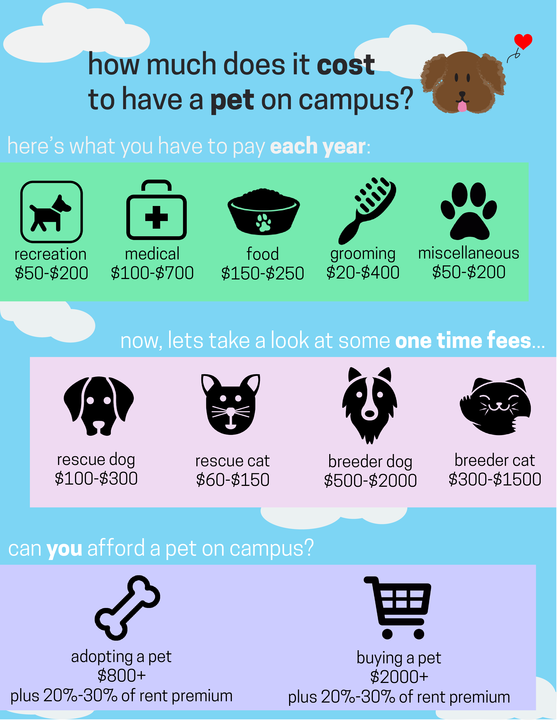
Thinking about bringing a cat into your home? You’re probably wondering, “How much will this really cost?” Understanding the true cost of adopting a cat can help you prepare and avoid surprises.
From initial fees to ongoing expenses, every part of the process affects your budget. Keep reading to discover what you need to know before making this rewarding decision—so you can give your new furry friend the best start possible.
Initial Adoption Costs
Adopting a cat is an exciting journey, but it also involves some upfront costs you should be ready for. These initial expenses ensure your new feline friend starts life with good health and comfort in your home. Understanding these costs helps you plan better and avoid surprises.
Adoption Fees
Adoption fees usually cover the basic care the shelter or rescue provides before you take your cat home. These fees can vary widely, often ranging from $50 to $150 depending on the organization. Think of this fee as your cat’s “welcome package”—it often includes initial vet checks, microchipping, and sometimes even some starter supplies.
Spaying And Neutering
Most shelters require cats to be spayed or neutered before adoption, which helps control the pet population and can improve your cat’s health and behavior. If the cat hasn’t had the procedure yet, it’s an additional cost you’ll need to cover, usually between $100 and $300. Some shelters include this in the adoption fee, but always ask to avoid unexpected expenses.
Initial Vaccinations
Vaccinations are crucial to protect your cat against common and potentially deadly diseases. When you adopt, your cat may already have some vaccines, but you might need to complete the series or schedule boosters. Expect to spend around $50 to $100 on these initial shots, which are essential for your cat’s long-term health.

Credit: www.reginacatrescue.com
Essential Supplies
Getting a cat means buying some basic items first. These supplies keep your new pet happy and healthy. They also make caring for your cat easier. Budgeting for these items helps avoid surprises later.
Food And Water Bowls
Choose sturdy bowls that won’t tip over easily. Stainless steel or ceramic bowls are best. They are easy to clean and don’t hold bacteria. Pick one bowl for food and one for water. Keep the water fresh by changing it daily.
Litter Box And Supplies
A litter box is a must-have for indoor cats. Size matters; bigger boxes give cats more comfort. Use clumping litter for easy cleaning. Scoop the box every day to keep it fresh. Have a scoop and mat nearby to catch loose litter.
Bedding And Toys
Cats need a cozy place to sleep. Soft bedding in a quiet spot works well. Toys keep cats active and stop boredom. Simple toys like balls, feather wands, and small stuffed animals work great. Rotate toys to keep your cat interested.
Regular Veterinary Care
Regular veterinary care is a key part of owning a cat. It helps keep cats healthy and happy. These visits catch problems early. They also prevent costly health issues later. Budgeting for veterinary care is essential when adopting a cat.
Annual Checkups
Annual checkups let vets assess a cat’s overall health. The vet checks weight, eyes, ears, and coat. They look for signs of illness or injury. Blood tests may be done to spot hidden problems. These visits keep cats in good shape and extend their lives.
Vaccinations And Preventatives
Vaccinations protect cats from serious diseases like rabies and feline leukemia. Cats need shots on a regular schedule. Preventative treatments stop fleas, ticks, and worms. These products keep cats comfortable and disease-free. The cost varies by location and cat size but is necessary for safety.
Dental Care
Dental care is often overlooked but vital. Cats can develop plaque, tartar, and gum disease. Untreated dental issues cause pain and infections. Routine teeth cleaning by a vet helps avoid these problems. Dental care also includes daily brushing at home. Maintaining oral health reduces future vet bills.
Unexpected Medical Expenses
Adopting a cat brings joy, but unexpected medical expenses can quickly add up and catch you off guard. These costs go beyond the initial adoption fee and routine care. Being prepared for these surprises will help you manage your budget and ensure your furry friend stays healthy.
Emergency Visits
Emergency vet visits can happen without warning. Whether your cat swallows something harmful or suddenly falls ill, these visits often come with high costs. I once had to rush my cat to the emergency clinic late at night, and the bill was much higher than I expected—over $500 just for the initial treatment and observation.
Ask yourself: do you have a financial cushion or pet insurance to cover these sudden expenses? Planning ahead can save you stress and delay in care.
Chronic Conditions
Some cats develop chronic conditions like diabetes or kidney disease that require ongoing treatment. These illnesses demand regular vet visits and sometimes special diets or equipment. For example, managing a diabetic cat can cost $100 or more each month for insulin and vet check-ups.
Consider how you would handle long-term care costs if your cat needed it. Are you ready to commit both time and money to their health?
Medications
Medications are often overlooked when budgeting for a cat. From flea prevention to antibiotics, these daily or periodic costs add up quickly. I found that monthly flea treatments alone could cost about $20, which adds to the overall expense without much warning.
Think about setting aside a monthly budget for medications. This small step ensures you won’t have to skip important treatments when your cat needs them most.
Daily Living Costs
Owning a cat means more than just the initial adoption fee. Daily living costs add up and impact your budget every month. Understanding these expenses helps you plan better and provide the best care for your feline friend.
Quality Cat Food
Feeding your cat well is essential for their health and happiness. Quality cat food often costs more, but it can prevent health issues that lead to expensive vet visits. You might spend around $20 to $40 per month, depending on your cat’s size and dietary needs.
Think about what kind of food suits your cat best—wet, dry, or a mix. Have you noticed how some cats prefer certain flavors or textures? Paying attention to these details can save you from wasting money on food they won’t eat.
Litter Replacement
Litter is one of those ongoing costs that you can’t skip. The price depends on the type you choose—clumping, non-clumping, scented, or natural. On average, expect to spend $10 to $25 every month replacing cat litter.
Keeping the litter box clean not only keeps your home fresh but also encourages your cat to use it regularly. Have you ever tried different litters to find the one your cat prefers? Finding the right one can reduce waste and save money.
Grooming Supplies
Grooming keeps your cat comfortable and reduces shedding around the house. Basic supplies include brushes, nail clippers, and sometimes special shampoos. These items typically cost about $5 to $15 per month if you spread out the purchases over time.
Some cats need more grooming than others, especially long-haired breeds. Have you noticed how regular brushing can cut down on hairballs and matting? Investing in grooming tools can prevent costly vet visits for skin issues.
Home Adjustments
Adjusting your home is a key part of adopting a cat and it often comes with unexpected costs. You’ll want to create a safe and comfortable environment that suits your new furry friend. These changes not only protect your cat but also help maintain your belongings and reduce stress for everyone involved.
Cat-proofing
Cat-proofing means securing areas where your cat could get hurt or cause damage. This might include covering electrical cords, locking away harmful plants, and securing windows or balconies. You could spend on items like cord protectors or window screens, which usually cost between $10 and $50 each.
Think about what in your home might tempt a curious cat. Do you have fragile decorations or easily accessible cleaning supplies? Taking time to identify these spots can save you from costly accidents later.
Furniture Protection
Cats love to scratch, jump, and lounge on furniture, which can lead to wear and tear. Protecting your furniture might mean investing in washable covers or slipcovers. These can cost anywhere from $20 to over $100 depending on size and quality.
Another smart option is applying double-sided tape or using sprays designed to deter cats from scratching. These solutions are generally affordable but require patience and consistency to work well.
Scratching Posts
Providing scratching posts is essential to keep your cat’s claws healthy and protect your furniture. Quality scratching posts vary widely in price, from $15 for simple models to over $100 for larger, multi-level cat trees.
Think about your cat’s preferences. Some cats prefer vertical posts, others like horizontal pads. Adding a variety of scratching options can encourage healthy habits and reduce damage to your home.
Pet Insurance And Savings
Bringing a cat into your home is a joyful experience but comes with financial responsibilities. Planning for pet insurance and savings helps manage unexpected costs. These costs include routine care and sudden health emergencies. Preparing early can save stress and money later.
Insurance Plans
Pet insurance covers veterinary bills for accidents and illnesses. Plans vary in coverage and cost. Some cover routine care like vaccinations, while others focus on emergencies. Monthly premiums depend on the cat’s age, breed, and health history.
- Accident-only plans are usually cheaper.
- Comprehensive plans cover accidents and illnesses.
- Some plans offer wellness coverage for checkups.
Read terms carefully. Check what conditions are excluded. Choose a plan that fits your budget and your cat’s needs.
Setting Up An Emergency Fund
Besides insurance, save money for unexpected vet visits. An emergency fund helps cover costs not included in insurance. Set aside a small amount each month. Even $20 can build a helpful fund over time.
- Keep the fund separate from daily expenses.
- Use it only for urgent pet needs.
- Review and add to the fund regularly.
This fund gives peace of mind. It ensures quick access to money when your cat needs care fast.

Credit: www.reginacatrescue.com
Other Hidden Expenses
Adopting a cat involves more than just the initial fee. Many hidden costs can add up over time. These expenses ensure your cat stays happy, healthy, and safe.
Boarding And Pet Sitting
Travel plans may require boarding or pet sitting services. Boarding facilities charge daily fees for care and feeding. Pet sitters visit your home to provide attention and safety. These services can cost from $15 to $50 per day. Planning for these costs helps avoid surprises during trips.
Training And Behavior Support
Some cats need help adjusting to new homes. Training classes or behavior consultations improve habits and reduce stress. Professional help may be needed for scratching or litter issues. Costs vary but expect to pay between $50 and $150 per session. Early support saves money and frustration later.
Licensing And Microchipping
Licensing your cat is required in many areas for identification. Microchipping provides a permanent ID if your cat gets lost. Licensing fees typically range from $10 to $20 yearly. Microchipping is a one-time cost around $40. These small expenses protect your pet and give peace of mind.
Credit: aarcs.ca
Frequently Asked Questions
How Much Does It Cost To Adopt A Cat?
Adoption fees usually range from $50 to $150. This covers vaccinations, spaying/neutering, and microchipping. Prices vary by shelter and location.
What Are The Ongoing Expenses Of Cat Ownership?
Food, litter, and vet visits are ongoing costs. Expect to spend $500 to $1,000 annually on care and supplies for your cat.
Are There Hidden Fees In Cat Adoption?
Some shelters charge extra for vaccinations or medical treatments. Always ask about all fees before adopting to avoid surprises.
Can Adopting A Cat Save Money Compared To Buying?
Adopting is generally cheaper than buying from breeders. Adoption fees include essential care, unlike purchase prices which can be much higher.
Conclusion
Adopting a cat brings joy and companionship. It’s an important decision. Costs vary, including adoption fees, food, and vet visits. Budgeting helps manage these expenses. Consider long-term commitments. Cats need love, care, and financial support. A happy cat offers endless love in return.
Evaluate your lifestyle and budget first. Make sure you’re ready for this responsibility. Adopting a cat can be rewarding and fulfilling. Your new furry friend awaits!
