

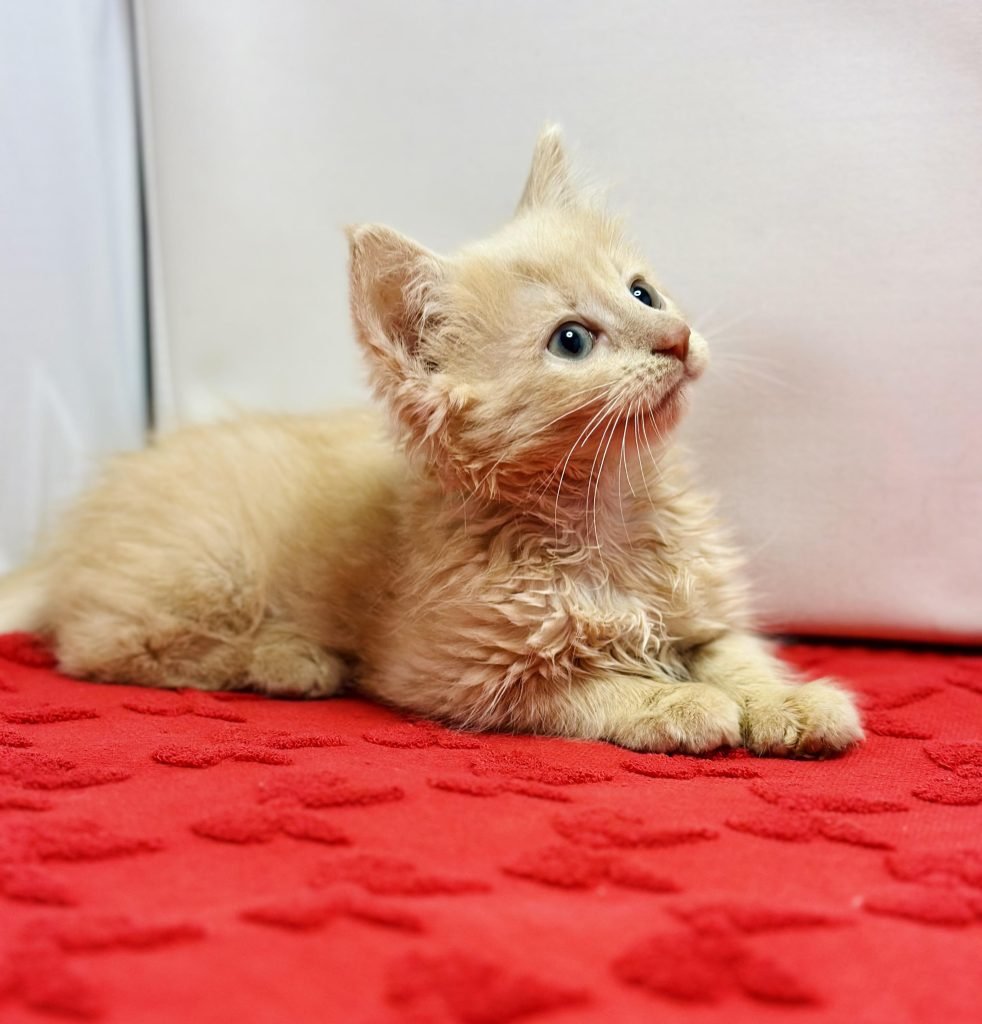
Are you ready to welcome a beautiful long-haired cat into your home? These fluffy companions bring warmth, charm, and a touch of elegance to any family.
But adopting a long-haired cat comes with its own special joys and challenges. If you want to make the best choice for both you and your future furry friend, this guide will help you understand everything you need to know.
Keep reading to discover how to find the perfect long-haired cat and give them a loving, forever home.

Credit: www.adoptapet.com
Choosing The Right Long Hair Cat
Choosing the right long hair cat takes thought and care. These cats need more grooming and attention than short-haired cats. Finding a breed that fits your lifestyle helps create a happy home. Consider your daily routine, space, and family when selecting a cat.
Popular Long Hair Breeds
- Persian:Known for their calm nature and luxurious coat.
- Maine Coon:Large, friendly, and great with kids.
- Ragdoll:Gentle and loves to be held.
- Himalayan:Persian-like with striking color points.
- Birman:Social, playful, and has a silky coat.
Temperament And Personality Traits
Long hair cats vary in personality. Some are very active and playful. Others prefer quiet and calm environments. Some breeds enjoy being around people all day. Others like short interaction and alone time. Understanding these traits helps match a cat to your home.
Think about your daily life and how much time you can spend with your cat. Some cats need more affection and attention. Others are more independent and less demanding.
Health Considerations
Long hair cats often need regular grooming. This prevents mats and hairballs. Some breeds have genetic health issues. Persians may have breathing problems due to their flat faces. Maine Coons can have heart conditions. Regular vet check-ups help keep your cat healthy.
Consider your ability to maintain grooming and vet visits. A healthy cat is a happy cat.
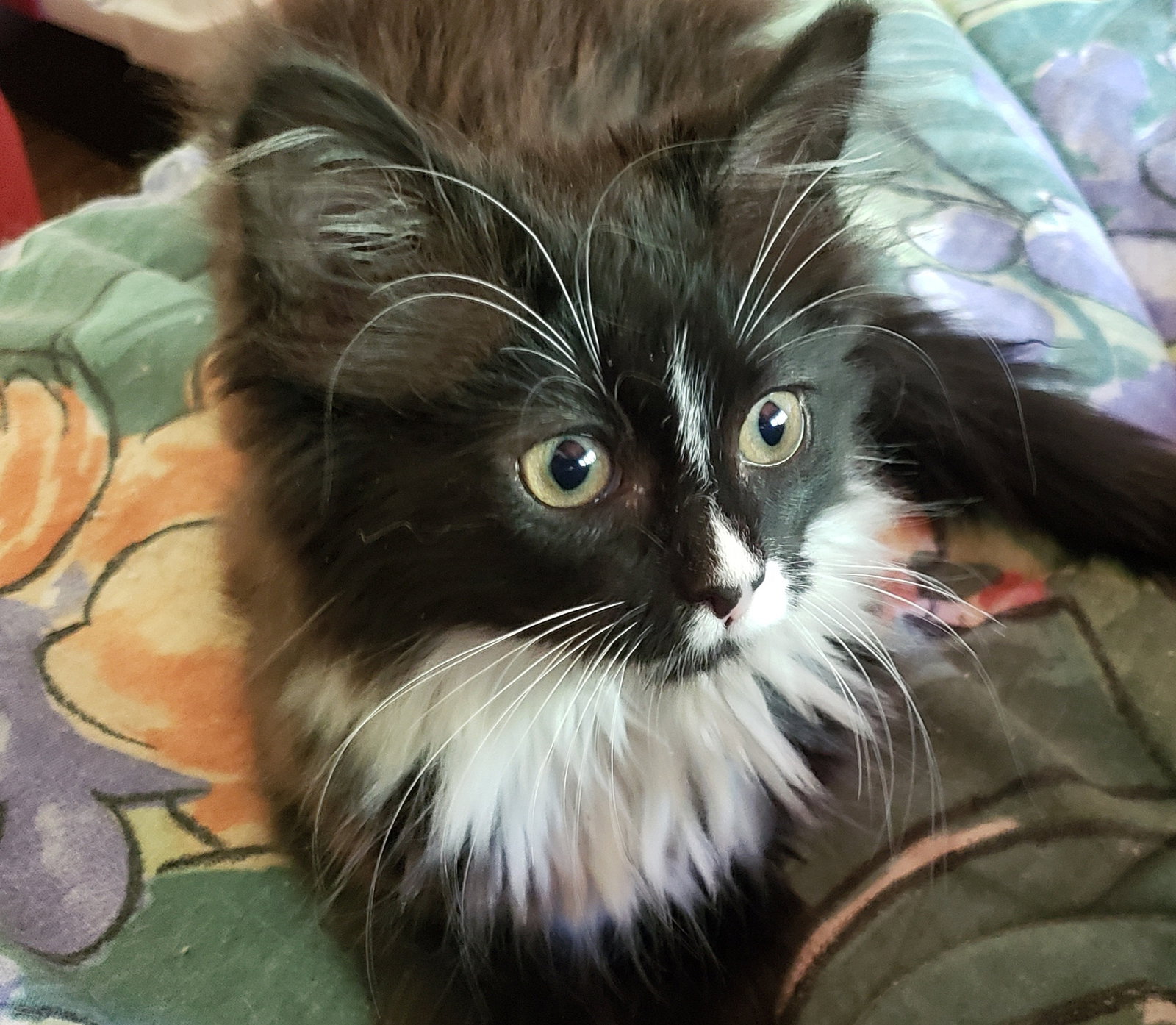
Credit: www.arf-il.org
Preparing Your Home
Preparing your home for a long hair cat adoption creates a smooth transition. Cats need comfort and security in their new space. Proper setup helps reduce stress and builds trust fast.
Safe And Cozy Spaces
Find quiet corners away from loud noises and foot traffic. Use soft blankets or cushions for comfy resting spots. Cats love hiding places like boxes or cat tunnels. These spots help them feel safe and calm.
Essential Supplies
- Brushes designed for long hair to prevent mats and tangles
- Scratching posts to protect furniture and keep claws healthy
- Cat toys to keep your pet active and entertained
- Comfortable bedding for naps and nighttime rest
Having these items ready shows your cat you care.
Setting Up Litter And Feeding Areas
Place the litter box in a quiet, easy-to-access spot. Keep it clean to encourage use. Set feeding bowls away from the litter box. Use shallow dishes for food and water to suit long hair cats. Regularly refresh water to keep it fresh.
Grooming Essentials
Taking care of a long-haired cat means more than just feeding and playtime. Grooming is essential to keep their luxurious coat healthy and comfortable. It also helps you bond deeply with your pet while preventing common issues like tangles and skin irritation.
Brushing Techniques
Use a wide-toothed comb first to gently detangle your cat’s fur. Follow up with a soft bristle brush to smooth the coat and remove loose hair. Brush in the direction of hair growth and be extra gentle around sensitive areas like the belly and behind the ears.
Try to brush your cat daily, even if it’s just for a few minutes. You’ll notice less shedding and fewer hairballs. Plus, your cat may start to look forward to these grooming moments as a form of pampering.
Bathing Tips
Bathing a long-haired cat is not always necessary, but when needed, use a mild cat shampoo that won’t dry out their skin. Warm water is best, and always rinse thoroughly to avoid residue buildup.
Keep your cat calm by speaking softly and using slow, steady movements. Have towels ready to dry them quickly, and consider using a handheld showerhead or a cup to control water flow better.
Preventing Mats And Tangles
Mats can cause discomfort and even skin infections if left untreated. Regular brushing is your first defense against these knots. Pay special attention to areas prone to mats, such as behind the ears, under the legs, and around the collar.
If you find mats, try to loosen them gently with your fingers or a mat splitter. Never pull hard or cut mats out yourself unless you are confident—it’s safer to seek help from a professional groomer. How often do you check your cat’s coat for hidden tangles?
Feeding And Nutrition
Feeding and nutrition play a key role in keeping long hair cats healthy and happy. Their thick fur and active nature demand special care in diet. Proper nutrition supports their skin, coat, and overall energy levels. Choosing the right foods and ensuring enough hydration help prevent common health issues.
Dietary Needs Of Long Hair Cats
Long hair cats need a diet rich in protein for muscle strength and fur health. Omega-3 and omega-6 fatty acids improve skin condition and coat shine. Vitamins A and E support immune health and fur growth. A balanced diet prevents hairballs by promoting digestion.
- High-quality animal protein
- Essential fatty acids (Omega-3, Omega-6)
- Vitamins A, E, and B complex
- Fiber for digestion and hairball control
Choosing The Right Food
Select foods labeled for long hair or indoor cats. These formulas often contain extra nutrients for coat care. Wet food adds moisture and aids digestion. Dry food helps clean teeth but needs plenty of water intake. Avoid fillers like corn and soy that add no real nutrition.
- Look for high protein and low carbs
- Include wet food for moisture
- Check for added fatty acids and vitamins
- Choose reputable brands with clear ingredient lists
Hydration Tips
Long hair cats must stay well hydrated to avoid urinary problems. Fresh water should be available all day. Some cats prefer running water from fountains. Wet food is a good water source. Avoid milk and sugary drinks that upset digestion.
- Provide clean, fresh water daily
- Use water fountains for better appeal
- Include wet food in diet
- Avoid harmful liquids like milk and juice
Health And Wellness
Taking care of a long-haired cat means paying close attention to health and wellness. These cats have unique needs because of their thick fur. Their health depends on good grooming, proper diet, and regular vet visits. Staying active also helps keep them fit and happy.
Common Health Issues
Long-haired cats can face some health challenges. Hairballs are common because they swallow fur while grooming. Skin problems may occur if mats form in their coat. They can also suffer from obesity if they do not move enough. Watching for signs like itching, coughing, or lethargy is important.
Regular Vet Checkups
Routine vet visits help catch health problems early. Vaccinations and parasite control protect your cat from diseases. The vet will check teeth, eyes, and ears for infections. Blood tests can detect hidden issues. Keep a schedule and never skip appointments.
Exercise And Enrichment
Exercise keeps long-haired cats strong and reduces stress. Provide toys, climbing trees, and safe outdoor access if possible. Playtime encourages natural hunting behavior. Mental stimulation improves their mood and prevents boredom. A happy cat is a healthy cat.
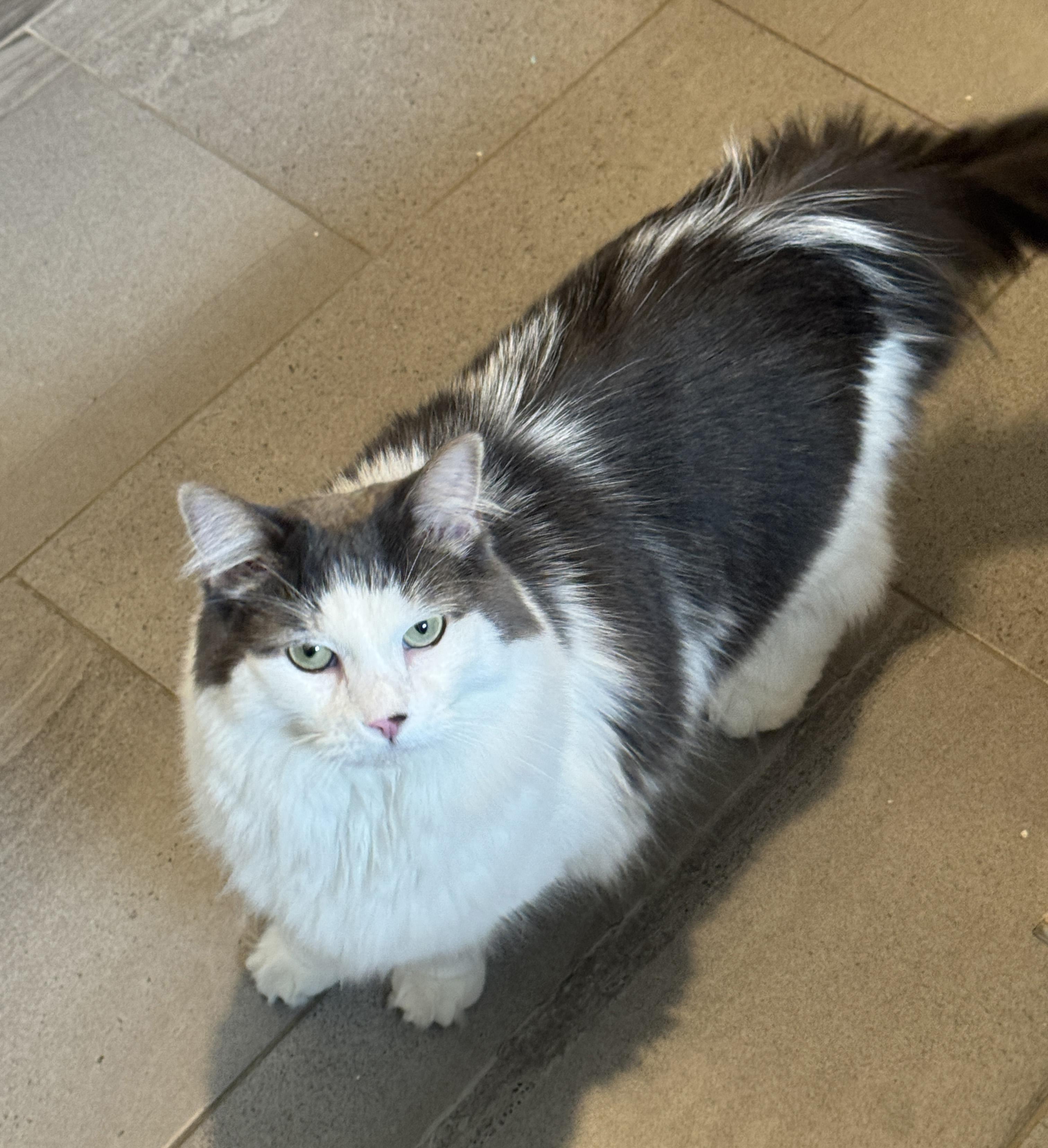
Credit: www.petfinder.com
Bonding With Your Fluffy Companion
Bonding with your long-haired cat is a rewarding journey that deepens your connection and makes daily life more joyful. These fluffy companions thrive on trust and interaction, which means your time and attention matter a lot. Understanding how to engage with them helps you build a strong, loving relationship that lasts.
Building Trust
Trust doesn’t happen overnight. Start by spending quiet moments near your cat without forcing interaction. Let your fluffy friend approach you at their own pace.
Offer treats or gentle strokes when they seem comfortable. Notice how your cat responds—some might prefer a soft chin rub, while others enjoy a slow blink from a distance.
Remember, patience is key. Trust grows when your cat feels safe and respected in your presence.
Playtime Activities
Play is a powerful way to bond and keep your long-haired cat active. Use feather wands, laser pointers, or small balls to spark their hunting instincts.
Keep sessions short but frequent—around 10 to 15 minutes, two or three times daily works well. This prevents overstimulation and keeps your cat eager for the next playtime.
Try different toys to see what excites your cat most. Does your fluffy friend chase moving objects or prefer pouncing on soft toys? Tailor play to their personality to make it more fun for both of you.
Recognizing Cat Behavior
Understanding your cat’s body language helps you respond appropriately and strengthen your bond. Watch for signs like purring, slow blinking, or kneading—these often mean your cat feels relaxed and happy.
On the other hand, flattened ears, tail flicking, or avoidance signal discomfort or stress. Respect these cues and give your cat space when needed.
Have you noticed how your cat signals wanting attention? Learning these subtle behaviors makes your interactions more meaningful and enjoyable.
Adoption Process Tips
Adopting a long hair cat involves careful steps to ensure a smooth experience. Understanding the adoption process helps both you and the cat adjust well.
These tips cover key stages from finding a shelter to making the cat comfortable at home.
Finding Reputable Shelters
Start by researching shelters with good reviews and clear care standards. Trustworthy shelters provide health records and behavioral information. Visit the shelter in person to see the environment and how cats are treated. Ask questions about the cat’s history and grooming needs. Avoid places that seem overcrowded or have unclear policies.
Preparing For The First Meeting
Choose a quiet time for meeting the cat, away from loud noises. Bring a small treat or toy to build trust. Approach slowly, letting the cat come to you first. Watch the cat’s body language to understand comfort levels. Speak softly and avoid sudden movements. This first impression can shape your future bond.
Transitioning To A New Home
Set up a calm, safe space with essentials like food, water, and a litter box. Keep the cat in one room at first to reduce stress. Gradually introduce other areas and family members. Maintain a consistent routine for feeding and playtime. Brush the cat regularly to prevent mats and build trust. Patience is key to help the cat feel secure and happy.
Frequently Asked Questions
What Are The Best Long Hair Cat Breeds For Adoption?
Popular long hair cat breeds include Maine Coon, Persian, and Ragdoll. These breeds are affectionate, friendly, and adapt well to families. Each requires regular grooming to maintain their luxurious coat. Consider your lifestyle before adopting to ensure a good match.
How To Care For A Long Hair Cat’s Coat?
Long hair cats need daily brushing to prevent mats and tangles. Use a wide-tooth comb or slicker brush for best results. Regular grooming reduces shedding and hairballs. Bathing is rarely needed unless the cat gets dirty or oily.
Are Long Hair Cats Suitable For Indoor Living?
Yes, long hair cats adapt well to indoor environments. They are less exposed to dangers and maintain cleaner coats indoors. Provide scratching posts and toys to keep them active. Regular grooming is essential to avoid matting in indoor cats.
What Health Issues Affect Long Hair Cats?
Long hair cats are prone to hairballs and skin problems from matted fur. Some breeds, like Persians, can have respiratory issues due to flat faces. Regular vet check-ups and grooming help prevent health problems. Proper diet supports overall wellbeing.
Conclusion
Adopting a long-haired cat brings joy and warmth to any home. Their soft fur and playful nature make them wonderful companions. Spend time grooming them for a healthy, shiny coat. Be patient and gentle to earn their trust. These charming cats fill your life with love and laughter.
Consider adoption from a local shelter. Many long-haired cats need loving homes. By adopting, you give them a second chance. They will fill your days with purrs and cuddles. A rewarding experience for both you and your feline friend.
