

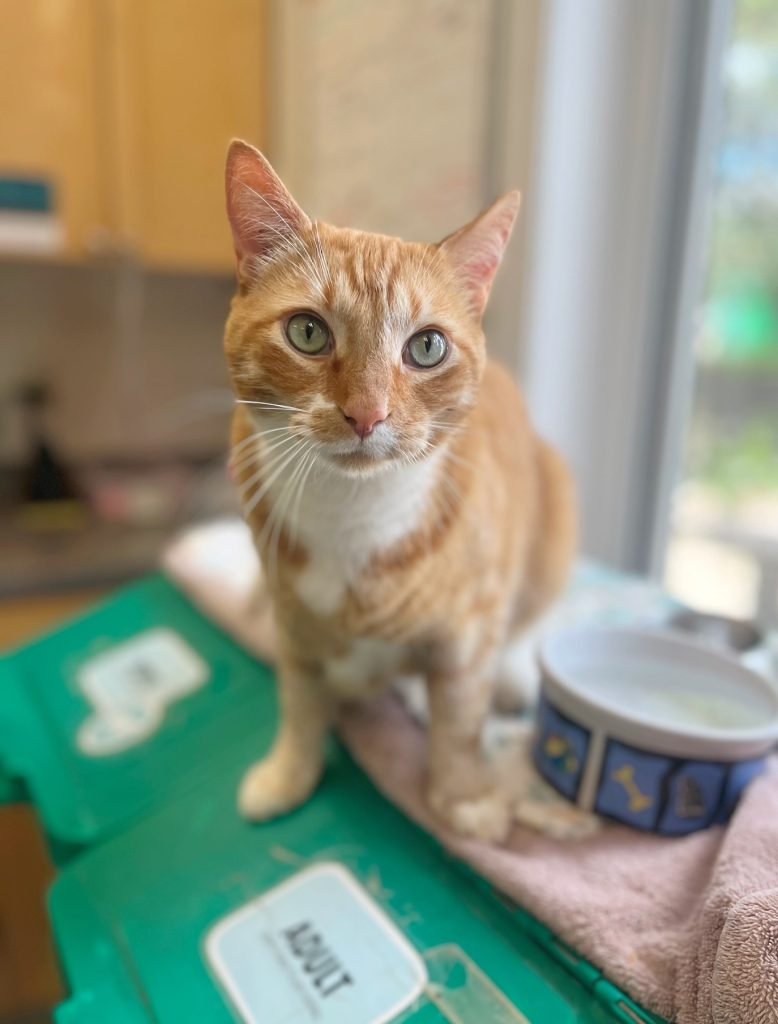
Are you looking for a unique way to bring warmth and purpose to your home or farm? Barn cat adoption might be exactly what you need.
These special cats are natural hunters, ready to help keep your property free of rodents while offering loyal companionship. Imagine having a furry friend who not only loves you but also works hard to protect your space. You’ll discover everything you need to know about adopting a barn cat, from choosing the right one to caring for your new partner.
Keep reading, and you’ll find out how this simple decision can make a big difference in your life and your property.
Why Choose A Barn Cat
Choosing a barn cat is a practical and rewarding decision for anyone looking to manage pests naturally. These cats are not just pets; they are hardworking companions that bring balance to your barn or farm environment. Understanding why barn cats stand out can help you make an informed choice that benefits both you and the cats.
Benefits Of Barn Cats
Barn cats offer more than just companionship. They are excellent natural pest controllers, keeping rodents and insects at bay without harmful chemicals. This reduces damage to your stored crops, feed, and equipment.
Another benefit is their low maintenance. Unlike indoor cats, barn cats adapt well to outdoor living and require less attention. They often form strong bonds with you, showing affection in their own independent way.
Have you noticed how a barn cat’s presence can make the environment feel more alive? Their playful nature and alertness add a unique charm to any farm setting.
Ideal Traits For Barn Life
Not all cats are suited for barn life. Look for cats that are healthy, alert, and have a strong hunting instinct. These traits ensure they can thrive and effectively control pests.
- Adaptability:Barn cats must handle changing weather and outdoor conditions well.
- Self-sufficiency:They should be comfortable finding food and shelter on their own.
- Temperament:Friendly but independent cats usually do best in barn environments.
Consider the cat’s age too. Young adult cats often adjust faster and are more energetic hunters. Have you thought about how your barn’s environment might affect a cat’s wellbeing? Assessing these traits before adoption sets the stage for a successful partnership.

Credit: www.petfinder.com
Where To Find Barn Cats
Finding the right barn cat can be a rewarding experience that helps both you and the feline thrive. Barn cats are natural hunters and companions, making them ideal for controlling pests in rural settings. But where exactly can you find these hardworking cats ready for a new home?
Local Shelters And Rescues
Many shelters and rescue groups have barn cats looking for homes. These cats may be older or shy, often overlooked for typical pet adoption but perfect for barn life. Visiting your local shelter allows you to meet cats in person and discuss their personalities with staff.
Ask shelter workers if they have cats accustomed to outdoor environments or if they can recommend cats that thrive in less traditional homes. You might discover a hidden gem that fits your needs perfectly.
Online Adoption Platforms
Websites like Petfinder, Adopt-a-Pet, and local rescue pages often list barn cats available for adoption. You can filter searches by location, age, and temperament to find cats suited for barn environments.
Using online platforms saves time and expands your reach beyond your immediate area. Make sure to read descriptions carefully and contact the listed rescue to learn more about the cat’s behavior and health.
Community Networks
Neighbors, farmers, and local veterinarians can be excellent resources for finding barn cats. Word of mouth often brings up cats needing new homes that aren’t listed publicly.
Consider posting in community groups on social media or bulletin boards at feed stores and community centers. Have you ever asked around your local community for barn cats? You might be surprised how many stories and opportunities come up.
Preparing For Your Barn Cat
Getting ready for a barn cat means more than just opening a door and expecting them to settle in. Your barn cat will rely on you to create a comfortable and safe environment where they can thrive. Thoughtful preparation sets the stage for a successful adoption and a strong bond between you and your new feline friend.
Safe Shelter Setup
Your barn cat needs a secure, cozy shelter to escape bad weather and predators. A simple insulated box or a small wooden shed with a flap door works well. Make sure the shelter is elevated off the ground and lined with straw for warmth—it’s easy to clean and keeps moisture away.
Consider placing the shelter near where your cat will hunt or rest. This reduces their stress and helps them feel safe. Have you thought about how to protect the shelter from larger animals like raccoons or foxes? Adding a sturdy door or lock can keep your cat safe overnight.
Feeding And Nutrition
Even though barn cats are natural hunters, you need to provide regular food and fresh water. A mix of dry and wet cat food ensures balanced nutrition and keeps them healthy. Place food and water bowls inside or near the shelter to prevent contamination and protect from other wildlife.
Watch your cat’s eating habits. If they seem to ignore food or lose weight, it might signal health problems or an unsuitable diet. Have you noticed your barn cat preferring certain foods? Adjust their meals accordingly to keep them strong and active.
Health And Vaccinations
Vaccinations are critical for preventing common diseases like rabies, feline leukemia, and distemper. Schedule a veterinary visit soon after adoption to get your barn cat checked and vaccinated. Regular health checks help catch parasites or injuries early before they become serious.
Keep a record of vaccinations, treatments, and any health issues. This helps you track your cat’s well-being over time. What signs of illness will you watch for in your barn cat? Early action makes all the difference in keeping them healthy and happy.
Introducing Your Barn Cat
Introducing your barn cat to its new home is an exciting step that sets the tone for a successful partnership. These cats are natural hunters and defenders, but they also need time to adjust to their surroundings and to you. Patience and understanding during this introduction period will help your barn cat settle in comfortably and thrive.
Acclimating To New Environment
Give your barn cat a quiet, safe space to start with. This could be a small barn area or a cozy shelter where it can observe without feeling threatened. Cats need to explore at their own pace—don’t rush the process.
Provide familiar scents by placing bedding or toys from the shelter or previous home. This helps reduce stress and makes the new environment less intimidating. Have fresh water and food nearby to encourage regular visits.
Building Trust
Trust doesn’t happen overnight. Spend time near your barn cat without forcing interaction. Sit quietly, read, or do chores while it watches you from a distance.
Offer food by hand or place treats close to you to show you mean no harm. Over time, your barn cat will associate you with safety and nourishment. How do you think your body language affects a shy cat’s willingness to approach?
Handling Initial Challenges
It’s normal for barn cats to be cautious or even skittish at first. They may hide, hiss, or refuse food initially. Don’t take this personally; it’s their way of coping with change.
Watch for signs of stress like excessive grooming or avoiding the shelter altogether. Make adjustments like adding more hiding spots or reducing loud noises. Consistency in feeding times and gentle interactions help ease anxiety.
Caring For Barn Cats Year-round
Caring for barn cats throughout the year means understanding their unique needs in every season. These cats live outdoors, so their care routine must adapt to changing weather and environmental factors. Paying close attention to their health and behavior ensures they thrive as your dependable rodent control companions.
Seasonal Care Tips
Winter demands extra warmth and shelter for barn cats. Provide insulated bedding inside a dry, draft-free shelter to keep them cozy. Adding straw instead of blankets helps because it resists moisture and retains heat.
During summer, fresh water is crucial. Place multiple water bowls in shaded spots to prevent overheating and dehydration. Also, check for fleas and ticks more often since warmer weather increases parasite activity.
Spring and fall bring unpredictable weather. Keep shelters waterproof and stocked with clean bedding. These transitional seasons also require careful monitoring for any signs of illness as cats adjust to temperature swings.
Preventing Common Health Issues
Regularly vaccinate barn cats to protect against diseases like rabies and feline distemper. Deworming every few months helps control internal parasites that affect their health and hunting ability.
Check your cats’ ears and fur weekly for ticks, fleas, or wounds. Untreated infestations or infections can quickly become serious problems. Feeding a balanced diet with added vitamins supports their immune system, especially during harsh weather.
Have you noticed some barn cats lose weight or appear lethargic? These signs often indicate underlying health issues that need prompt attention. Don’t hesitate to consult a vet familiar with outdoor cats.
Monitoring Behavior Changes
Keeping an eye on how your barn cats behave can reveal much about their well-being. A usually friendly cat that suddenly hides or avoids contact might be stressed or sick.
Changes in eating habits, grooming, or vocalizations are important clues. For example, a cat that stops hunting or becomes unusually aggressive could be facing health or environmental challenges.
Documenting these changes helps you track patterns and respond quickly. How often do you check in on your barn cats’ moods and activities? Regular observation is key to catching problems early.

Credit: windsorhumane.org
Troubleshooting Common Issues
Troubleshooting common issues in barn cat adoption helps you create a safer and more effective environment for your feline helpers. Challenges like predators, rodent control, and behavioral problems can impact the success of your barn cat program. Understanding these issues and addressing them directly will improve your experience and the cats’ well-being.
Dealing With Predators
Predators can threaten your barn cats and reduce their effectiveness. Coyotes, owls, and raccoons are common threats in rural areas. Make sure your barn has secure hiding spots like dense brush or wooden shelters where cats can retreat quickly.
Adding motion-activated lights or noise devices can discourage predators without stressing your cats. Have you checked your barn’s perimeter for easy predator access points? Sealing gaps and reinforcing doors can make a big difference.
Managing Rodent Control Effectively
Barn cats are natural rodent hunters, but relying on them alone might not always keep the rodent population low. A combination of strategies works best. Keep feed in sealed containers and clean up spilled grains promptly to avoid attracting more rodents.
Regularly monitor rodent activity to understand patterns and adjust your approach. Supplement your cats’ hunting by setting traps in areas with heavy infestations. This teamwork between cats and other control methods ensures better results.
Addressing Behavioral Problems
Sometimes barn cats develop behavioral issues like aggression or excessive hiding. These problems often stem from stress or lack of socialization. Spend time interacting with your cats to build trust and observe any changes in their behavior.
Providing toys, scratching posts, and safe spaces reduces boredom and anxiety. If a cat seems overly aggressive, consider whether it’s related to health or territory disputes. Would creating separate zones for different cats ease tensions?
Long-term Commitment And Rewards
Adopting a barn cat is more than just offering a home; it’s a commitment that spans years and brings unique rewards. These cats thrive in a different environment than typical house pets, which means your role in their care is ongoing and special. Understanding what this commitment entails will help you provide the best life for your barn cat while enjoying the benefits they bring.
Lifespan And Care Expectations
Barn cats usually live between 8 to 12 years, although some can reach 15 or more with proper care. Their outdoor lifestyle exposes them to risks like predators and harsh weather, so regular health checks and vaccinations are essential.
You’ll need to provide:
- Safe shelter to protect from extreme weather
- Regular feeding and fresh water
- Routine veterinary visits for vaccinations and parasite control
Can you commit to this consistent care? It’s crucial to keep your barn cat healthy and happy, especially since they spend so much time outdoors.
Joy Of Barn Cat Companionship
Barn cats offer a unique type of companionship. They might not always seek cuddles, but their presence is comforting and their hunting skills beneficial for controlling pests.
Many owners find joy in watching their barn cat’s independence and intelligence. I once adopted a barn cat that took down a persistent mouse problem while still curling up beside me in the evenings. That combination of usefulness and companionship is deeply satisfying.
What kind of relationship do you want with your barn cat? Their loyalty grows over time, often in subtle but meaningful ways.

Credit: www.madisoncatproject.org
Frequently Asked Questions
What Is A Barn Cat And Why Adopt One?
A barn cat is a stray or feral cat kept for rodent control. Adoption helps reduce shelter overpopulation and provides cats with a safe home.
How Do Barn Cats Benefit Farms And Barns?
Barn cats naturally hunt rodents, protecting grain and property. They reduce pest damage and help maintain a healthier environment.
What Should I Consider Before Adopting A Barn Cat?
Consider your barn’s safety, shelter, food, and water. Barn cats need basic care and protection from harsh weather and predators.
Are Barn Cats Suitable For Families With Children?
Barn cats are generally independent and prefer outdoor life. They may not be ideal for close indoor family interaction or young kids.
Conclusion
Adopting a barn cat offers many benefits. They help control pests naturally. Barn cats thrive in outdoor spaces and barns. They require minimal care and adapt well. By adopting, you save a cat and gain a helper. These cats bring joy and companionship to your space.
They’re independent yet grateful for a safe home. Consider giving a barn cat a chance today. They can make a wonderful addition to your life. A small step towards a happier and healthier environment.
