

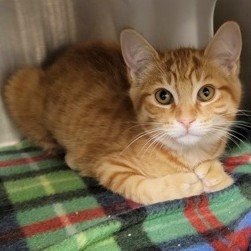
Are you ready to add a burst of sunshine to your home? Orange cats for adoption could be exactly what you need.
These charming felines are known for their warm, friendly nature and striking looks. Imagine coming home to a playful, loving companion who brightens your day just by being there. You’ll discover why orange cats make such wonderful pets and how you can find the perfect one to join your family.
Keep reading to learn how to bring this special kind of joy into your life.
Why Choose Orange Cats
Orange cats stand out with their warm color and friendly nature. They often bring joy and comfort to any home. These cats have special traits that make them a popular choice for many pet lovers. Understanding why orange cats are unique can help you decide if one is right for you.
Unique Personality Traits
Orange cats are known for their playful and affectionate behavior. They tend to be social and enjoy human company. Many owners say these cats are curious and adventurous. They often form strong bonds with their families. Orange cats can be quite vocal, expressing their feelings clearly. Their friendly and lively nature makes them great companions for children and adults alike.
Health And Longevity
Orange cats generally have good health and live long lives. Proper care and nutrition help them stay active and happy. Regular vet visits can prevent common cat illnesses. These cats are often hardy, but they still need love and attention. Keeping them indoors can protect them from dangers outside. Orange cats usually enjoy a healthy life span of 12 to 16 years or more.
Famous Orange Cats
Several orange cats have become famous in stories and media. Garfield, the lazy but lovable cat, is the most well-known. Another popular character is Heathcliff, known for his mischievous adventures. These characters show the charm and spirit of orange cats. Real orange cats have also made headlines for their friendly nature. Their fame helps many people appreciate orange cats even more.
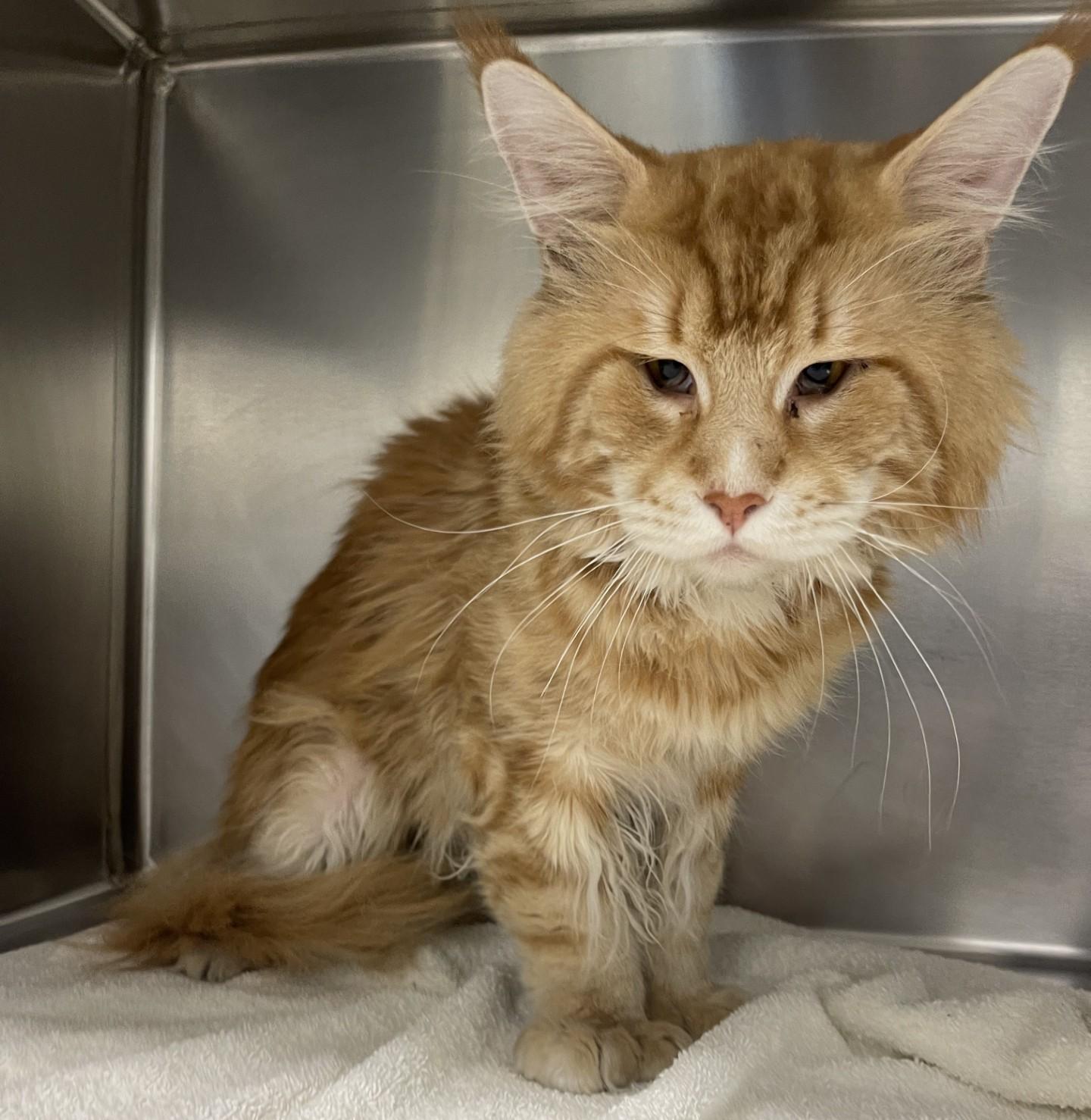
Credit: www.petfinder.com
Where To Find Orange Cats For Adoption
Orange cats have a special charm that many cat lovers adore. Finding one to adopt can be a joyful journey. Several places offer opportunities to welcome these vibrant felines into your home. Each option provides unique benefits and choices, making the search easier and rewarding.
Local Animal Shelters
Local animal shelters often have a variety of cats waiting for homes. Many shelters receive orange cats regularly due to their popularity. Visiting a nearby shelter allows you to see cats in person. Staff members can help match you with a cat that fits your lifestyle. Shelters also provide health checks and vaccinations before adoption.
Rescue Organizations
Rescue groups focus on saving cats from difficult situations. These organizations often specialize in certain breeds or colors, including orange cats. Volunteers care for cats in foster homes, offering a more personal environment. Rescue groups provide detailed information about each cat’s personality. Adopting from a rescue ensures the cat gets a second chance.
Online Adoption Platforms
Online platforms list cats available for adoption across many areas. These websites allow filtering by color, age, and location. Photos and descriptions help you learn about each orange cat. Some platforms partner with shelters and rescues to show real-time availability. Online searches can save time and connect you with more options.
Preparing For Your Orange Cat
Bringing an orange cat into your home is an exciting journey. Preparation helps your new pet feel safe and loved. Setting up the right environment supports a smooth transition. Understanding what your cat needs makes a big difference.
Essential Supplies
- Food and water bowls, sturdy and easy to clean
- High-quality cat food suited to age and health
- Comfortable bed or blanket for resting
- Litter box with clumping litter for easy cleanup
- Scratching post or pad to protect furniture
- Toys for play and mental stimulation
- Grooming tools like a brush and nail clippers
Home Safety Tips
- Remove toxic plants and chemicals from reach
- Secure loose wires and small objects to prevent chewing
- Check windows and balconies to avoid accidents
- Keep doors closed to prevent escape
- Create a quiet space for the cat to retreat
- Store food and trash in sealed containers
Introducing Your New Cat
Start by giving your cat time to explore one room. Let them approach you on their own terms. Speak softly and offer treats to build trust. Watch for signs of stress and adjust the pace. Introduce other pets slowly and under supervision. Maintain a calm and patient attitude throughout the process.
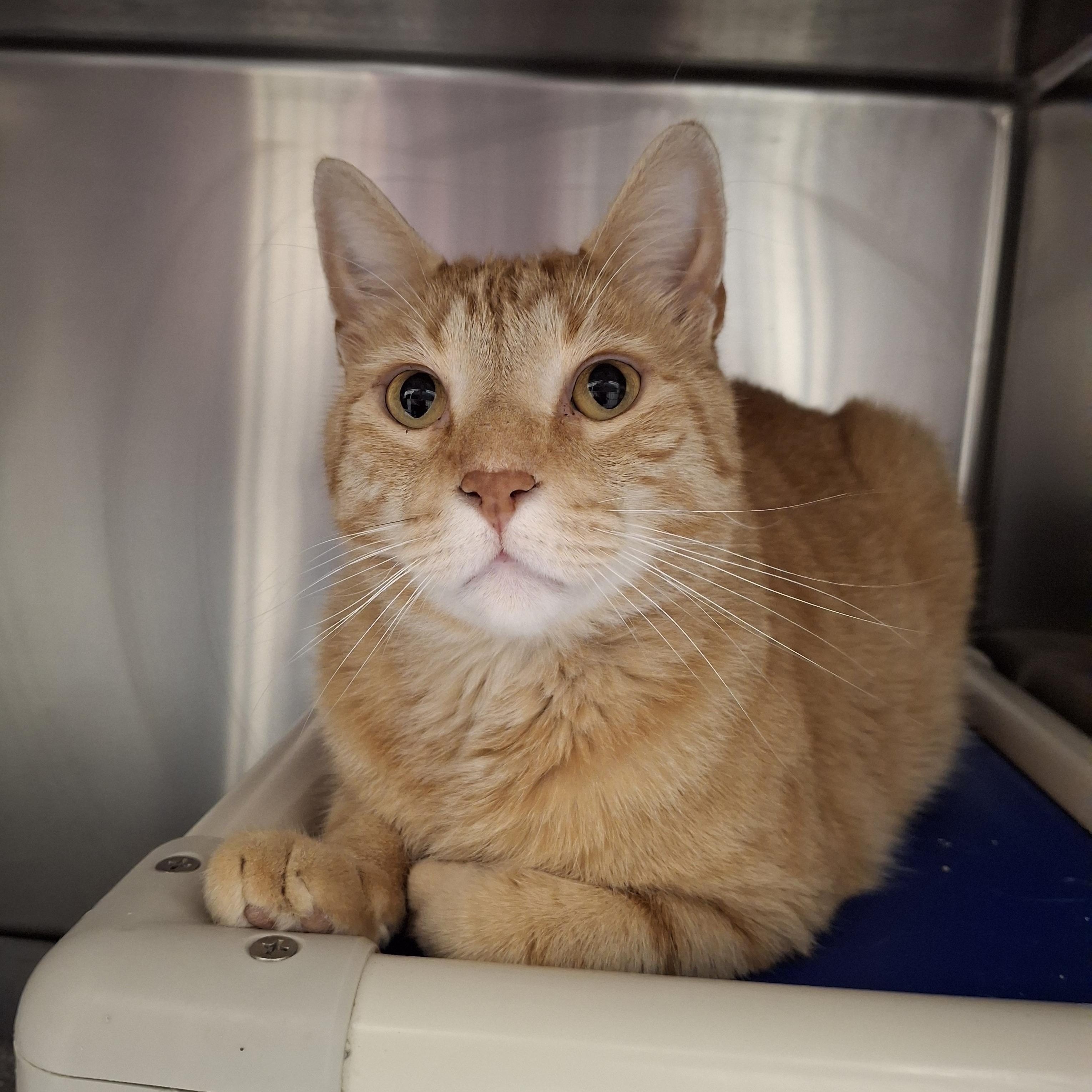
Credit: allistonhumane.com
Caring For Your Orange Cat
Caring for your orange cat is a joyful responsibility. These cats bring warmth and energy to any home. Proper care helps them live a happy, healthy life. Understanding their needs ensures they thrive in your care.
Nutrition And Diet
Feed your orange cat high-quality cat food. Choose food that fits their age, size, and health needs. Fresh water must be available all day. Avoid giving too many treats. Balanced meals support their bright coat and strong body.
Grooming Needs
Orange cats usually have short to medium fur. Brush their coat once or twice a week. This removes loose hair and reduces shedding. Check their ears and eyes regularly. Clean gently with a damp cloth if needed. Trim their nails every few weeks.
Regular Vet Visits
Schedule vet check-ups at least once a year. Vaccines and health screenings prevent serious illness. Watch for changes in behavior or appetite. Early vet visits catch problems before they worsen. Keep your orange cat healthy and active.
Common Health Issues In Orange Cats
Orange cats are beloved for their bright color and friendly nature. Like all cats, they can face certain health challenges. Knowing these issues helps owners give better care. This section explains common health concerns in orange cats.
Genetic Conditions
Orange cats may inherit specific health problems. Some common genetic conditions include:
- Hypertrophic cardiomyopathy (thickening of the heart muscle)
- Polycystic kidney disease (formation of cysts in kidneys)
- Dental issues like gingivitis and tooth decay
- Obesity due to slower metabolism in some orange cats
Early diagnosis helps manage these conditions effectively.
Preventive Care
Regular check-ups with a vet prevent many health problems. Vaccinations protect against common diseases. A balanced diet supports healthy weight and fur. Routine dental cleanings keep teeth strong. Parasite control prevents fleas and worms.
Grooming helps spot skin issues or lumps early. Exercise and play keep orange cats active and fit.
Recognizing Symptoms
Watch for changes in behavior or appearance. Common signs of illness include:
- Loss of appetite or weight
- Excessive scratching or hair loss
- Difficulty breathing or coughing
- Changes in litter box habits
- Unusual tiredness or hiding
Early detection leads to better treatment success.
Building A Strong Bond
Building a strong bond with your orange cat creates trust and happiness. It helps your cat feel safe and loved. Spending time together strengthens your connection and makes daily life better for both of you.
Interactive Play
Playing with your orange cat keeps them active and happy. Use toys like feather wands or small balls. Let your cat chase, pounce, and bat at the toys. Short, fun sessions work best. Playtime helps your cat feel close to you and reduces stress.
Training Tips
Training your cat builds respect and understanding. Use gentle rewards like treats or praise. Teach simple commands like “come” or “sit.” Keep training sessions short and positive. Avoid punishment. Consistent training helps your cat learn quickly and trust you more.
Understanding Cat Behavior
Learn your cat’s body language and sounds. A purring cat is usually happy. Tail flicks might mean irritation. Slow blinking shows trust. Respect your cat’s space and mood. This knowledge helps you respond well and deepen your bond.

Credit: furry-tales.ca
Frequently Asked Questions
What Makes Orange Cats Unique For Adoption?
Orange cats are known for their friendly and affectionate nature. They often display playful and social behavior. Their striking orange fur makes them visually appealing. These cats adapt well to various home environments. Their unique color is linked to specific genetic traits.
How To Find Orange Cats For Adoption Nearby?
Check local animal shelters and rescue groups online. Use adoption websites filtering by color or breed. Visit pet adoption events in your area. Contact rescue organizations specializing in orange or tabby cats. Social media groups often share available orange cats for adoption.
Are Orange Cats Good With Children And Pets?
Yes, most orange cats are friendly and sociable. They typically tolerate children and other pets well. Early socialization enhances their compatibility with family members. However, individual temperament varies, so monitor initial interactions carefully. Proper introductions help ensure a peaceful home environment.
What Health Issues Affect Orange Cats?
Orange cats may have similar health concerns as other cats. Common issues include dental disease, obesity, and flea allergies. Some male orange cats have higher risks of certain genetic conditions. Regular veterinary checkups help detect and prevent health problems early.
Proper diet and care support their well-being.
Conclusion
Orange cats bring joy and warmth to any home. Adopting one means gaining a loving friend. They are playful, affectionate, and unique. Each has its own charming personality. Shelter cats need a loving family. Adoption saves lives and offers endless companionship.
Consider visiting a local shelter today. Find your perfect orange feline friend. Enjoy many happy, purring moments together. A life filled with love awaits. Adopting an orange cat is truly rewarding. Give them a chance. You’ll be glad you did.
