

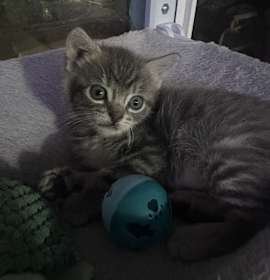
Are you looking to add a unique and loving companion to your home? Cats with dwarfism might be exactly what you need.
These special cats have shorter legs and a charming appearance that makes them stand out from the crowd. But beyond their looks, they have hearts full of love and personalities that will brighten your days. If you want to learn how adopting a cat with dwarfism can bring joy to your life—and how to care for these wonderful pets—keep reading.
Your perfect furry friend could be waiting for you!

Credit: www.reddit.com
What Is Feline Dwarfism
Understanding feline dwarfism is key if you’re considering adopting a cat with this unique condition. It affects a cat’s physical growth and appearance but doesn’t define their personality or the love they can give. Let’s break down what feline dwarfism really means and what you might notice in a cat with this trait.
What Is Feline Dwarfism?
Feline dwarfism is a genetic condition that causes cats to have shorter legs and sometimes a different body shape compared to typical cats. This happens because their bones don’t grow in the usual way, leading to a compact, stocky look. Despite their size, these cats can live healthy, happy lives.
Types Of Dwarfism In Cats
There are different forms of feline dwarfism, but the most common one is called achondroplasia. It mainly affects the growth of long bones, which results in shorter limbs. Some cats might also have spinal or facial differences, but these vary from cat to cat.
Signs To Look For
- Short, thick legs compared to the body size
- Normal-sized head and torso
- Possible curvature in the spine
- Normal activity levels but sometimes limited jumping ability
Have you noticed how some cats with short legs still move with surprising agility? That’s a reminder that dwarfism doesn’t limit their spirit or energy.
How Does It Affect Health?
While dwarfism changes a cat’s appearance, it doesn’t always lead to health problems. However, some cats may experience joint issues or arthritis earlier in life. Regular vet checkups and a comfortable living environment can help keep them happy and healthy.
Why Consider Adopting A Cat With Dwarfism?
Cats with dwarfism often face challenges finding homes due to their unique look. When you open your heart to one, you’re offering a chance to a special cat who might otherwise be overlooked. Their affectionate nature can surprise you and enrich your life.

Credit: purebredkitties.com
Physical Traits Of Dwarf Cats
Dwarf cats have unique physical traits that make them stand out. Their bodies show distinct differences compared to regular cats. These traits are not just cute but also define their special needs and care.
Short Legs And Body Proportions
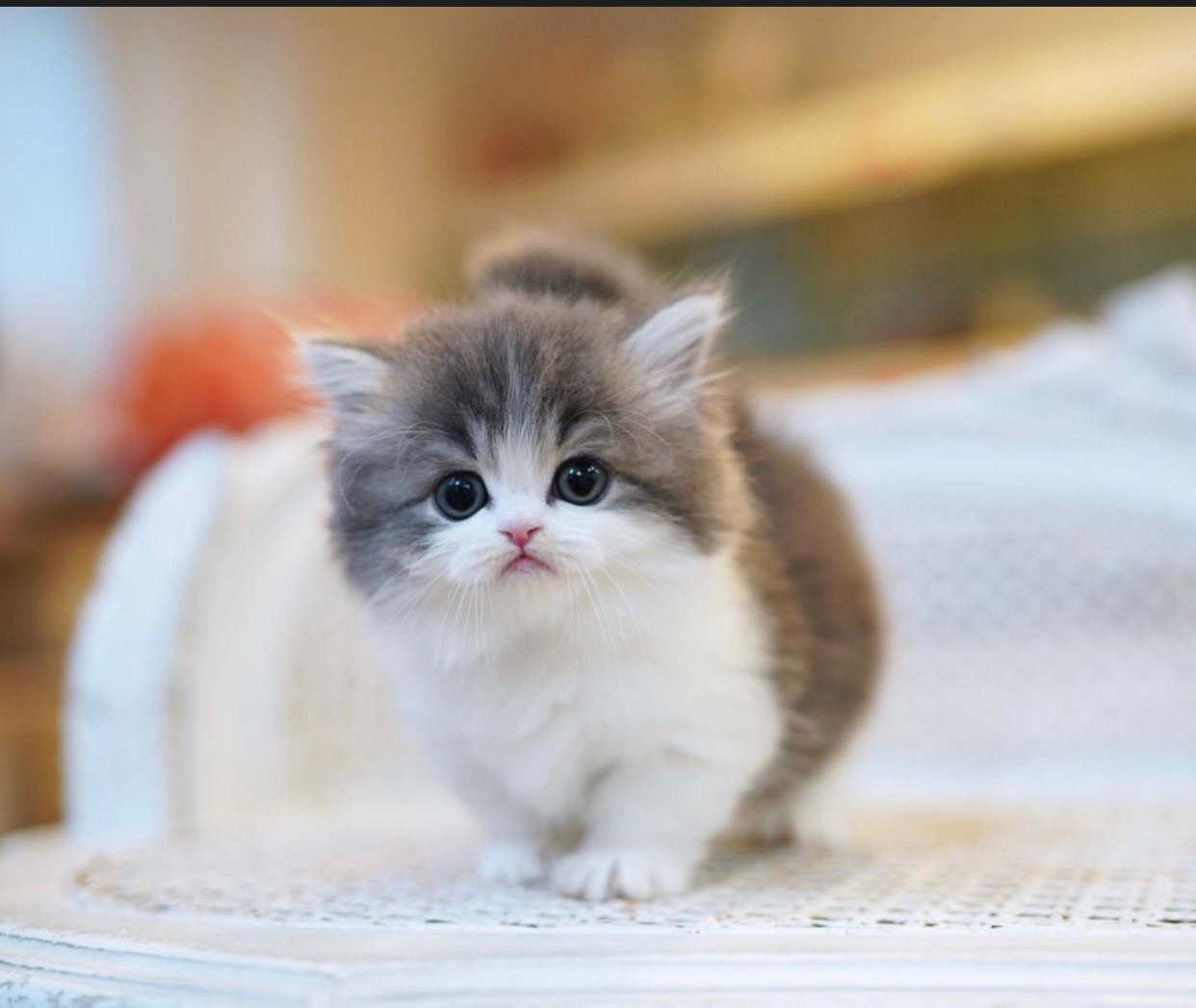
Dwarf cats have noticeably short legs. Their limbs are much shorter than typical cats. This gives them a compact and sturdy look. The body often appears longer or wider in contrast. Their paws may look larger compared to their legs. These features create a charming, unique silhouette.
Common Health Issues
Dwarf cats may face health challenges due to their body shape. Joint problems, such as arthritis, are common. They might have difficulty jumping or climbing. Some can develop spinal issues from their short limbs. Regular vet check-ups help catch problems early. A balanced diet and gentle exercise support their health.
Lifespan Expectations
Dwarf cats generally live as long as regular cats. Their lifespan ranges from 12 to 15 years. Proper care can help them live a full, happy life. Attention to their special health needs is important. Many dwarf cats bring joy to families for many years.
Behavior And Personality
Understanding the behavior and personality of cats with dwarfism helps you create a loving and supportive home. These unique felines often surprise you with their adaptability and charm. Getting to know their traits can make adopting one a truly rewarding experience.
Temperament Differences
Cats with dwarfism generally have a gentle and calm temperament. Their physical differences don’t change their desire for affection and play. You might notice they are more cautious at first, but with patience, they quickly warm up.
Some owners find their dwarf cats to be extra curious and intelligent, often figuring out new toys or puzzles faster than expected. Have you observed a unique behavior in your cat that surprised you? These quirks make their personality stand out.
Activity Levels
While dwarf cats may have shorter legs and different body proportions, many still enjoy playtime and exploration. They might not leap as high or run as fast as other cats, but they find creative ways to stay active.
Providing accessible toys and low climbing spots encourages them to move and exercise safely. How can you adapt your home to suit their activity needs? Simple changes, like ramps or soft mats, can make a big difference.
Social Interaction
Socially, dwarf cats often crave connection just like any other cat. They appreciate gentle handling and tend to bond closely with their human companions. You may find they enjoy sitting on laps or following you around more than you expect.
They can also get along well with other pets if introduced carefully. Watching their social cues helps you understand when they need space or company. What steps will you take to build trust with your dwarf cat?
Care Needs For Dwarf Cats
Caring for cats with dwarfism requires special attention to their unique physical needs. These cats often have shorter limbs and different body proportions, which can affect how they move, eat, and stay healthy. Understanding these specific care needs helps you provide a comfortable and happy life for your dwarf cat.
Diet And Nutrition
Your dwarf cat’s diet should support their unique body structure and metabolism. Because they may have less muscle mass and slower movement, they often need fewer calories to avoid weight gain. Choose high-quality, balanced cat food rich in protein and low in fillers.
Pay attention to portion sizes. Overfeeding can lead to obesity, which puts extra strain on their joints and spine. You might find it helpful to measure meals and avoid free feeding to keep their weight in check.
Exercise And Play
Even with shorter limbs, dwarf cats need regular exercise to maintain muscle tone and joint flexibility. Gentle play sessions with toys that encourage movement, such as feather wands or laser pointers, can keep them active without causing stress.
Observe how your cat moves and adjust activities accordingly. If climbing or jumping is difficult, provide ramps or low platforms so they can explore safely. Encouraging play helps prevent boredom and promotes mental well-being.
Medical Care And Monitoring
Regular veterinary check-ups are crucial for dwarf cats because they may be prone to specific health issues like arthritis or spinal problems. Early detection and treatment can improve their quality of life significantly.
Keep a close eye on their mobility and behavior. If you notice limping, stiffness, or changes in activity levels, consult your vet promptly. Monitoring dental health is also important since their jaw structure can sometimes cause dental issues.
Adoption Considerations
Adopting a cat with dwarfism requires thoughtful consideration beyond the usual pet adoption process. These special cats may have unique health and mobility needs that demand your attention and care. Understanding what to expect will help you provide a loving, supportive home that meets their specific requirements.
Finding Reputable Shelters
Look for shelters or rescue groups that specialize in or have experience with cats with dwarfism. These organizations usually have the knowledge to care for these cats properly and can guide you through the adoption process.
Check reviews, ask for recommendations from local veterinarians, and visit shelters to see how animals are treated. A reputable shelter will be transparent about the cat’s medical history and temperament.
Questions To Ask Before Adopting
Before bringing your new companion home, ask detailed questions about the cat’s health, daily care needs, and behavior. For example, inquire about any mobility challenges or special diets the cat might require.
Find out if the cat has undergone any surgeries or treatments related to dwarfism complications. Also, ask how the cat interacts with other pets and people to ensure a good match with your household.
Preparing Your Home
Adjust your living space to make it safe and comfortable for a cat with dwarfism. Low-entry litter boxes, ramps, or soft bedding can make a big difference in their daily life.
Think about potential obstacles your cat might face, like high furniture or slippery floors, and take steps to minimize risks. Your home should be a place where your cat can move freely and feel secure.
Credit: munchkinkittens.webflow.io
Stories Of Dwarf Cats In Loving Homes
Stories of cats with dwarfism living in loving homes reveal how unique these pets can be. Their special needs often bring out the best in their owners, creating bonds built on patience and care. These tales show that dwarf cats are just as affectionate and playful as any other cat, making them wonderful companions.
How Dwarf Cats Adapt And Thrive
Dwarf cats face challenges like limited mobility and joint issues, but many owners report their pets adapt quickly. One owner shared how their dwarf cat learned to navigate stairs with gentle ramps added at home. This small change improved the cat’s confidence and mobility, proving that thoughtful adjustments can make a big difference.
Unique Personalities Shine Through
You might expect a dwarf cat to be shy or fragile, but many surprise you with bold, playful personalities. A family described their dwarf cat as a “little explorer,” always curious and full of energy despite its short legs. This shows that dwarfism doesn’t limit a cat’s spirit or zest for life.
Care Tips From Experienced Owners
- Regular vet check-ups to monitor bone and joint health
- Providing soft bedding and low-entry litter boxes for comfort
- Encouraging gentle play to keep muscles strong without strain
- Using ramps or steps to help reach favorite spots safely
These practical tips come directly from people who live with dwarf cats daily. Have you thought about how you could make your home more accessible for a cat with special needs?
The Emotional Rewards Of Adopting A Dwarf Cat
Caring for a dwarf cat often deepens the emotional connection between pet and owner. One adopter described the joy of seeing their cat overcome obstacles and thrive despite its condition. This experience teaches patience and empathy, enriching your life in ways you may never expect.
Supporting Dwarf Cat Welfare
Supporting dwarf cat welfare is vital for these unique pets. Their special needs require extra care and attention. Many dwarf cats face health challenges and need loving homes. Helping these cats improves their lives and raises public understanding.
Communities play a big role in supporting dwarf cats. Awareness, donations, and advocacy create better futures. Everyone can help these cats thrive with small efforts.
Raising Awareness
Sharing facts about dwarf cats helps fight myths. Many people do not know dwarf cats exist or need special care. Simple messages on social media or community events make a difference. Schools, vets, and shelters can spread helpful information. Awareness leads to more adoptions and kindness.
Donations And Volunteering
Funds help cover medical care and special supplies for dwarf cats. Donating money or items like food and toys supports shelters. Volunteering time is just as valuable. Volunteers assist with feeding, cleaning, and socializing cats. These efforts improve the cats’ comfort and chances of adoption.
Advocating For Special Needs Pets
Dwarf cats belong to a group of special needs pets. Advocates work to protect their rights and promote their care. They encourage shelters to train staff on dwarf cat health. Advocates also push for laws that improve animal welfare. Standing up for these cats gives them a stronger voice.
Frequently Asked Questions
What Is Dwarfism In Cats?
Dwarfism in cats is a genetic condition causing shorter limbs and a smaller stature. It affects their bone growth but usually doesn’t impact their overall health.
Are Cats With Dwarfism Healthy Pets?
Yes, cats with dwarfism can be healthy pets. They may need special care but often live normal, happy lives with proper veterinary support.
Where Can I Adopt Cats With Dwarfism?
You can adopt cats with dwarfism from specialized animal shelters, rescue groups, or breeders who focus on this unique breed. Always choose reputable sources.
Do Cats With Dwarfism Require Special Care?
Cats with dwarfism might need extra care for mobility and joint health. Regular vet check-ups are essential to monitor any potential health issues.
Conclusion
Adopting a cat with dwarfism brings unique joy and responsibility. These special cats need love and care, just like any other pet. Their small size makes them adorable companions. Always consult with a vet for proper guidance. Adoption changes their life and yours.
Consider adopting today. Give them a loving home. Your kindness can make a big difference. Embrace the opportunity to welcome a dwarf cat into your family. They offer endless love and companionship. A bond like no other awaits you. Open your heart and home.
Discover the joy they bring.
