


Have you ever noticed your cat drooling and wondered, “Why do cats drool?” It can be surprising or even a little worrying when your furry friend starts to slobber unexpectedly.
Understanding why your cat drools is important because it can tell you a lot about their health and happiness. You’ll discover the common reasons behind cat drooling, when it’s normal, and when it might be a sign that your pet needs help.
Keep reading to unlock the secrets behind this curious behavior and learn how to keep your cat comfortable and safe.
Common Causes Of Cat Drooling
Cats may drool due to stress, dental problems, or nausea. Some cats drool when they feel very relaxed or happy. Drooling can also signal illness or mouth discomfort.
Cats drool for various reasons, and understanding these can help pet owners. Drooling might seem unusual, but it often has logical explanations. Here, we explore some common causes of cat drooling.Dental Issues
Dental problems often lead to drooling in cats. Gum disease or tooth decay can cause discomfort. Cats might drool to ease the pain in their mouth. Regular dental check-ups are crucial for maintaining oral health. Keep an eye out for bad breath or pawing at the mouth.Nausea And Motion Sickness
Cats can experience nausea, leading to drooling. This might occur during car rides or after eating something disagreeable. Motion sickness is another reason cats drool. If your cat drools in the car, consider shorter trips. Gradually increase travel time to help them adjust.Stress And Anxiety
Stress can trigger drooling in cats. Changes in the environment or routine can cause anxiety. New pets or loud noises might stress your feline friend. Providing a calm space can help reduce stress-related drooling. Familiar scents and routines often ease their anxiety. Understanding these causes can help you address your cat’s drooling effectively. Regular vet visits ensure any underlying issues are caught early.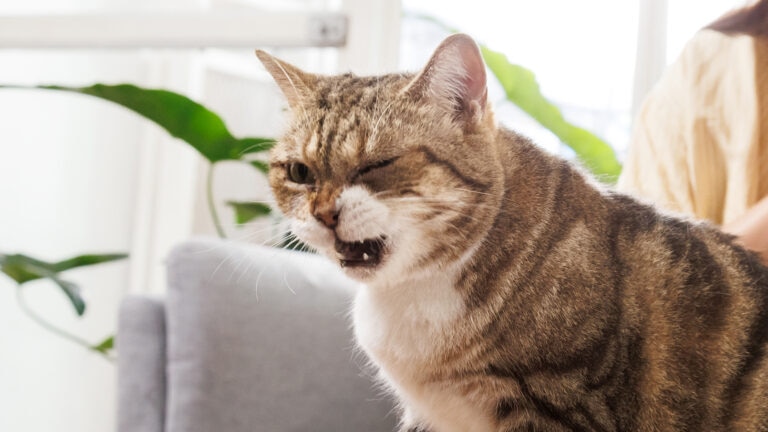
Credit: www.chewy.com
Health Conditions Linked To Drooling
Drooling in cats can sometimes be more than just a harmless quirk. It might signal an underlying health issue that needs your attention. Understanding the health conditions linked to drooling helps you act promptly and keep your feline friend comfortable and safe.
Oral Infections And Ulcers
Oral infections and ulcers are common reasons why your cat might drool excessively. Pain or discomfort in the mouth can trigger saliva production as a natural response.
If your cat has bad breath, swollen gums, or difficulty eating, these are signs to watch for. You might notice them pawing at their mouth or refusing their favorite treats. A quick visit to the vet can diagnose and treat these problems before they worsen.
Kidney Disease
Kidney disease often causes nausea, which can lead to drooling. Cats with kidney issues may also show symptoms like increased thirst, weight loss, or lethargy.
Have you noticed your cat drooling while seeming unusually tired or drinking more water than usual? Kidney problems can develop slowly, so catching these signs early can make a big difference in their quality of life.
Toxins And Poisoning
Exposure to toxins or poisons can cause sudden drooling in cats. Plants, chemicals, or even certain foods can be harmful to your pet.
If your cat starts drooling suddenly, especially with other signs like vomiting, weakness, or tremors, seek emergency veterinary care immediately. Keeping potentially toxic substances out of reach is crucial to prevent such dangerous situations.
Behavioral And Environmental Factors
Cats drool for several reasons linked to their behavior and environment. Understanding these factors helps pet owners recognize normal drooling versus signs of trouble. Sometimes drooling shows how a cat feels or reacts to its surroundings.
Contentment And Purring
Many cats drool when they feel happy and relaxed. This often happens during purring, a sound cats make when comfortable. Drooling here is similar to when humans smile or laugh. It shows trust and calmness.
Some cats drool more if they are being petted or cuddled. This reaction comes from deep relaxation and pleasure. It means your cat feels safe and loved around you.
Heatstroke And Overheating
Drooling can also signal overheating or heatstroke. Cats struggle to cool down in very hot environments. Excess drooling helps them release extra heat.
Other signs of overheating include heavy panting, weakness, and red gums. Immediate cooling and water are vital to prevent serious health issues.
Reaction To Medication
Certain medicines cause drooling as a side effect. Cats may drool if they dislike the taste or feel nauseous. Some drugs irritate the mouth or throat, leading to extra saliva.
Watch for drooling after giving new medicine. Contact your vet if drooling lasts or your cat shows other symptoms.
When To Seek Veterinary Help
Knowing when to seek veterinary help for your cat’s drooling can make a big difference in their health. Drooling isn’t always a sign of something serious, but it can sometimes point to urgent issues that need immediate attention. Understanding the warning signs and how to act quickly can protect your feline friend from unnecessary pain and complications.
Identifying Dangerous Symptoms
Not all drooling is harmless. You should watch closely if your cat’s drooling comes with other symptoms like:
- Difficulty breathing or coughing
- Excessive pawing at the mouth or face
- Bleeding from the mouth or gums
- Sudden loss of appetite or refusal to drink water
- Unusual lethargy or weakness
- Swelling around the mouth or face
These signs could indicate serious problems such as poisoning, dental disease, or infections. If you notice any of these, don’t wait to get professional help.
Emergency Care Tips
When your cat shows dangerous symptoms, keep calm and act quickly. Here’s what you can do before reaching the vet:
- Keep your cat in a quiet, comfortable spot to reduce stress.
- Check for any visible obstructions or injuries in the mouth, but avoid poking around too much.
- Try to gently wipe away excess drool to prevent skin irritation.
- Have your veterinarian’s contact number and the nearest emergency clinic ready.
- If poisoning is suspected, bring the packaging or substance involved to the vet.
Remember, quick action can save your cat’s life. Have you ever faced a sudden pet emergency? How did you handle it? Sharing your experience might help others prepare better.
Preventing Excessive Drooling
Excessive drooling in cats can be more than just a messy inconvenience; it often signals discomfort or health issues. Preventing this requires a hands-on approach that focuses on your cat’s daily care and environment. By paying attention to key areas, you can keep your feline friend comfortable and reduce unnecessary drooling.
Regular Dental Care
Dental problems are a common cause of drooling in cats. You should check your cat’s teeth and gums regularly for signs of redness, swelling, or bad breath. Brushing your cat’s teeth with pet-safe toothpaste can prevent plaque buildup and infections that trigger drooling.
Scheduling professional dental cleanings with your vet is equally important. If you notice your cat pawing at its mouth or eating less, it might need dental treatment. How often do you think about your cat’s dental health beyond just feeding time?
Safe Environment Practices
Creating a safe space for your cat means removing anything that could cause irritation or injury. Sharp objects, toxic plants, or chemicals can lead to mouth sores or poisoning, which increase drooling. Keep your home free of these hazards to protect your cat’s health.
Also, watch out for small objects that your cat might chew on, like strings or rubber bands, which can get stuck or cause damage. Have you checked the places where your cat spends most of its time for potential dangers lately?
Stress Reduction Techniques
Stress can make cats drool more than usual, especially during changes in their routine or environment. Providing a calm, predictable setting helps your cat feel secure and lowers stress-related drooling. Simple things like a cozy hiding spot or familiar toys can make a big difference.
Try gentle play sessions and consistent feeding times to build a routine your cat can rely on. Do you notice how your cat reacts when visitors come or when there’s loud noise? Paying attention to these triggers helps you act before drooling starts.

Credit: www.reddit.com
Credit: pethelpful.com
Frequently Asked Questions
Why Do Cats Drool When Petted?
Cats often drool when petted due to relaxation and happiness. This behavior shows contentment and trust in their owner. Drooling can also result from stimulation of salivary glands during gentle petting, which is a positive sign of bonding.
Is Cat Drooling A Sign Of Illness?
Excessive cat drooling can indicate health issues like dental problems, nausea, or infections. If drooling is frequent or accompanied by other symptoms, consult a veterinarian promptly. Early diagnosis helps treat underlying conditions effectively.
Can Stress Cause Cats To Drool?
Yes, stress or anxiety can cause cats to drool. Changes in environment or routine may trigger this response. Monitoring your cat’s behavior and providing comfort can help reduce stress-related drooling.
What Foods Make Cats Drool Excessively?
Certain foods, especially those with strong smells or spices, can cause cats to drool excessively. Wet foods or treats may also stimulate saliva production. Always offer cat-safe, mild-flavored food to avoid discomfort.
Conclusion
Cats drool for many reasons, both normal and health-related. Sometimes, drooling shows contentment, like during petting or relaxation. Other times, it signals dental problems or illness. Watching your cat closely helps you know when to act. If drooling seems unusual or lasts long, visit a vet.
Understanding why cats drool keeps them happy and healthy. Simple care and attention make a big difference. Keep your cat safe by knowing these signs well. Drooling is just one way cats communicate with us.
