

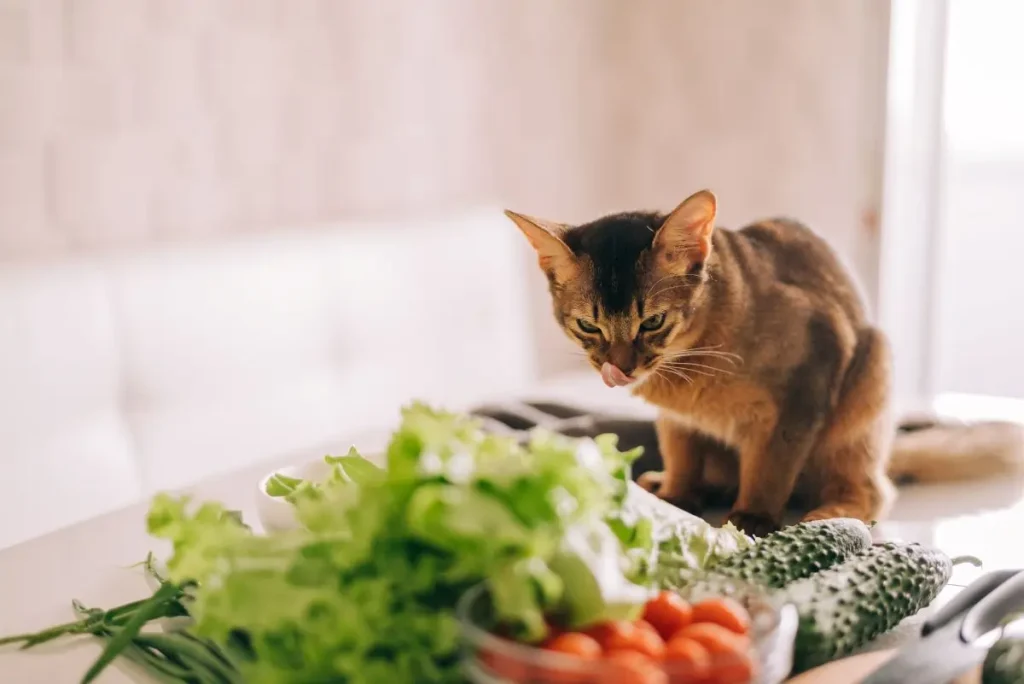
Are you curious about what cats eat when it comes to vegetables? You might wonder if your furry friend can enjoy some greens or if veggies are off-limits.
Understanding what cats eat, especially when it comes to plant-based foods, can help you keep your pet healthy and happy. Keep reading to discover the truth about cats and veggies, and learn how to make the best food choices for your feline companion.
Cats And Vegetables
Cats are known for their carnivorous nature. Their diet primarily includes meat. But can cats eat vegetables too? Some vegetables can be a part of their diet. These provide nutrients not found in meat.
Natural Diet Of Cats
Cats in the wild hunt small animals. Their diet includes rodents, birds, and insects. This provides essential proteins and fats. Cats are obligate carnivores. They depend on meat for survival.
Are Cats Vegetarians?
Cats cannot thrive on a vegetarian diet. They need specific nutrients from meat. Taurine is one such nutrient. It is vital for their heart and eyes. Vegetarian diets lack this nutrient. Cats cannot produce it naturally.
Common Vegetables Cats Like
Cats can enjoy some vegetables in small amounts. These include:
- Carrots: Rich in beta-carotene, good for eyes.
- Peas: Provide protein and fiber.
- Spinach: Contains vitamins A, C, and K.
Always cook vegetables before offering them. This makes them easier to digest. Always introduce new foods slowly.
Nutritional Needs Of Cats
Cats have unique nutritional needs that differ greatly from many other pets. Unlike dogs or humans, cats are obligate carnivores, meaning they require nutrients found primarily in animal tissues. Understanding these needs helps you decide whether vegetables can play any role in your cat’s diet without harming their health.
Essential Nutrients For Cats
Cats need several key nutrients to stay healthy, including:
- Protein:High-quality animal protein is crucial for muscle maintenance and overall energy.
- Taurine:An amino acid found in meat that supports heart health and vision.
- Arachidonic Acid:A fatty acid cats cannot make on their own, sourced from animal fats.
- Vitamin A:Cats can’t convert beta-carotene from plants into vitamin A; they need it directly from meat.
Ignoring these essentials can lead to serious health problems. Have you ever wondered if your cat’s current diet truly meets these needs?
Role Of Vegetables In Cat Nutrition
Vegetables can offer some benefits but only in small amounts. They provide fiber, which may help with digestion, and some vitamins and antioxidants.
However, cats don’t require vegetables to thrive. A tiny bit of pureed pumpkin or cooked carrots can be a healthy treat, especially if your cat has constipation issues.
Still, your cat won’t get enough calories or key nutrients from plants alone. Would you risk replacing part of your cat’s meat with veggies and compromise their nutrition?
Risks Of A Vegetable-heavy Diet
Feeding your cat too many vegetables can cause nutrient deficiencies. Cats can’t process plant proteins well, and excess fiber might upset their digestion or reduce nutrient absorption.
Some vegetables like onions, garlic, and leeks are toxic to cats. Even safe veggies must be given carefully, avoiding raw forms that might be hard to digest.
Have you noticed your cat’s energy drop after eating more plant-based foods? It’s often a sign their diet needs adjustment to meet their natural needs.
Safe Vegetables For Cats
Cats are obligate carnivores, but some vegetables can be safe and healthy snacks. Knowing which vegetables are safe helps keep your cat happy and healthy. Vegetables can add fiber, vitamins, and moisture to their diet. Offering the right veggies in small amounts supports their digestion without harm.
Vegetables That Are Safe To Feed
- Carrots – Cooked and soft, easy to digest
- Green beans – Steamed or boiled, low in calories
- Peas – Fresh or frozen, a good source of fiber
- Spinach – In small amounts, rich in vitamins
- Pumpkin – Plain cooked pumpkin helps with digestion
- Cucumber – Raw and peeled, refreshing and hydrating
Portion Sizes And Preparation Tips
Serve vegetables in small pieces to avoid choking. Cook hard veggies like carrots and green beans until soft. Avoid seasoning or adding salt, garlic, or onion. Start with a teaspoon or less to see how your cat reacts. Fresh or frozen vegetables are best; avoid canned with added salt. Always wash vegetables thoroughly before feeding.
Foods To Avoid
- Onions and garlic – Toxic to cats, can cause anemia
- Leeks and chives – Harmful and should never be given
- Raw potatoes – Contain toxic compounds for cats
- Rhubarb – Contains harmful acids
- Tomato leaves and stems – Toxic parts of the plant
- Avocado – Contains persin, which can be dangerous
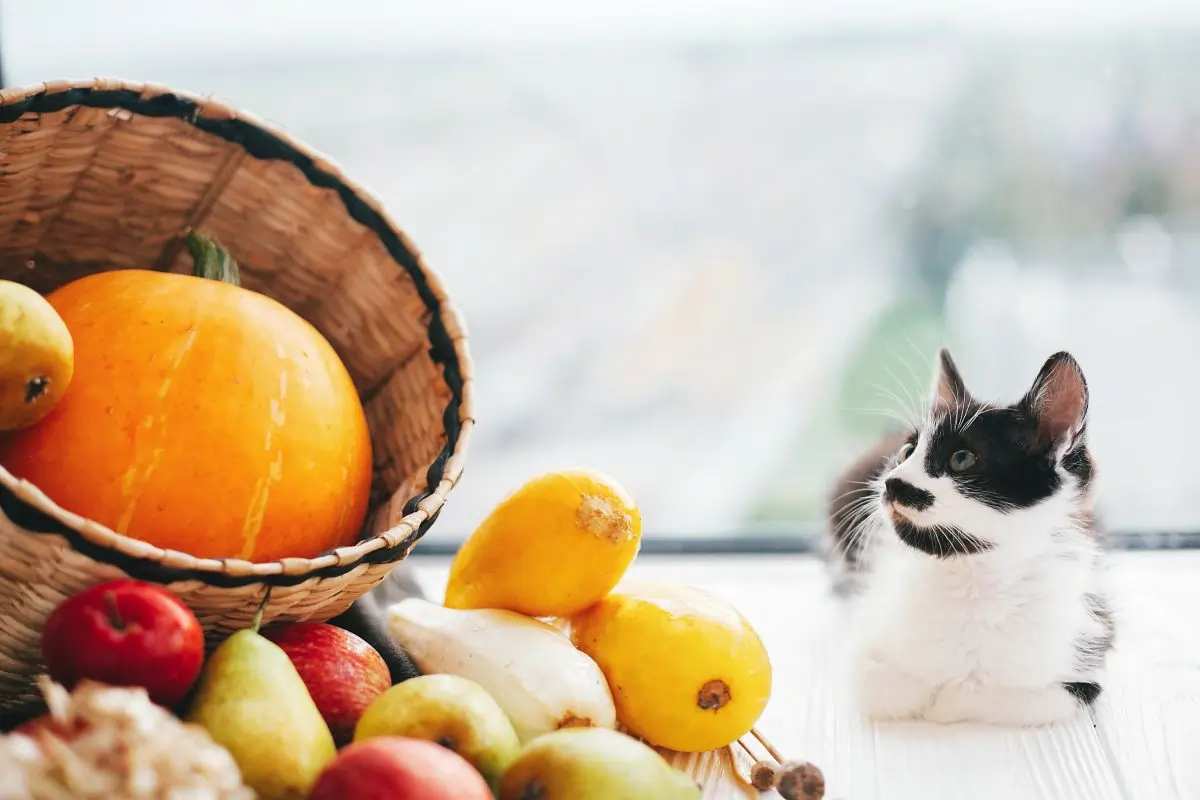
Credit: www.bellaandduke.com
Benefits Of Adding Veggies
Adding vegetables to your cat’s diet can bring several benefits that might surprise you. While cats are primarily carnivores, a small amount of veggies can support their health in unique ways. Paying attention to what veggies you choose and how you serve them can make a noticeable difference in your cat’s wellbeing.
Improved Digestion
Vegetables contain natural fibers that help regulate your cat’s digestive system. These fibers can ease constipation and promote regular bowel movements. Have you noticed your cat struggling with digestion? Adding a bit of pumpkin or steamed carrots might help soothe their tummy.
Weight Management
Veggies are low in calories but high in volume, which can help your cat feel fuller without overeating. This is especially useful if your cat tends to gain weight easily. You can try mixing small amounts of green beans or zucchini with their food to keep portions satisfying yet healthy.
Additional Vitamins And Fiber
Vegetables provide vitamins and antioxidants that meat alone may not fully supply. For example, sweet potatoes offer vitamin A, while spinach has iron and folate. Including a variety of veggies can boost your cat’s immune system and overall vitality.
Feeding Tips For Cat Owners
Feeding your cat vegetables requires careful attention to ensure their health and happiness. Not all cats take to veggies easily, and some might have sensitivities that you need to watch for. Knowing how to introduce vegetables, spot any food issues, and balance their diet with meat can make a big difference.
How To Introduce Vegetables
Start by offering small amounts of cooked or steamed vegetables, like carrots or peas, mixed into their regular food. Cats are creatures of habit, so patience is key—offer the veggies consistently but in tiny portions.
If your cat ignores the veggies at first, try mashing them or blending into a puree to mix more seamlessly with their meat. Have you noticed your cat’s reaction when you change their food texture? Sometimes, it’s the texture, not the taste, that matters most to them.
Signs Of Food Sensitivities
Watch for symptoms like vomiting, diarrhea, excessive itching, or changes in litter box habits after introducing new veggies. These signs can indicate that your cat is not tolerating a certain vegetable well.
Keep a food diary to track what your cat eats and any reactions. This simple habit can help you pinpoint problem foods quickly and adjust their diet accordingly.
Balancing Meat And Veggies
Cats are obligate carnivores, so meat should remain the main part of their diet. Vegetables can add fiber and nutrients but only in small amounts.
A good rule of thumb is to keep veggies below 10% of your cat’s daily intake. For example:
| Food Type | Percentage of Diet |
|---|---|
| Meat (chicken, fish, beef) | 90-95% |
| Vegetables (carrots, peas, pumpkin) | 5-10% |
Have you ever thought about how balancing these components can affect your cat’s energy and digestion? Experiment carefully and observe your cat’s behavior for the best results.

Credit: www.petscare.com
Myths About Cats Eating Vegetables
There are many myths about cats eating vegetables that can confuse pet owners. Some believe vegetables can replace meat in a cat’s diet, while others think any plant matter is harmful. Sorting fact from fiction helps you make better food choices for your feline friend.
Cats Can Thrive On Veg Diet Alone
Some claim cats can live healthily on a vegetarian or vegan diet. However, cats are obligate carnivores, meaning they need specific nutrients found only in animal products.
For example, taurine is essential for cats and is naturally found in meat. Without it, cats can develop serious health issues like heart problems and vision loss.
Have you ever tried feeding only vegetables to a cat? Most cats will refuse or show signs of illness, proving this myth wrong.
Vegetables Are Harmful To Cats
Not all vegetables are bad for cats. While some plants like onions and garlic are toxic, others can be safe in small amounts.
Carrots, peas, and pumpkin can provide fiber and vitamins. These can support digestion and help with hairball control.
Do you think your cat’s occasional nibble on greens is dangerous? It might actually be a healthy habit if you choose the right veggies.
Cats Don’t Need Any Plant Matter
It’s true that cats don’t require vegetables to survive, but small amounts can be beneficial. Plant matter can add fiber, which aids digestion and keeps your cat’s gut healthy.
Some cats enjoy chewing on grass or cat-safe plants, which might help them clear their stomachs. This behavior is natural and usually harmless.
Could adding a bit of pumpkin or steamed carrots to your cat’s diet improve their health? It’s worth considering, especially if your cat has digestive issues.

Credit: felinefancy.co.uk
Frequently Asked Questions
Can Cats Eat Vegetables Safely?
Yes, cats can eat some vegetables safely. Small amounts of cooked carrots, peas, or pumpkin are good. Avoid onions, garlic, and raw potatoes as they are toxic to cats.
Do Cats Need Vegetables In Their Diet?
Cats are obligate carnivores and do not require vegetables. However, vegetables can provide fiber and vitamins as supplements. Always feed veggies in moderation and consult a vet for diet advice.
Which Vegetables Are Best For Cats?
Best vegetables for cats include cooked carrots, peas, pumpkin, and zucchini. These provide fiber and nutrients without harming your cat. Introduce new veggies slowly to monitor any reactions.
How To Feed Vegetables To Cats Properly?
Feed vegetables cooked and plain to cats. Avoid seasoning, salt, or spices. Chop veggies into small pieces to prevent choking. Start with small amounts to check tolerance.
Conclusion
Cats are mainly meat eaters, but some vegetables can help. Small amounts of cooked veggies like carrots or peas are safe. Avoid giving onions, garlic, or raw vegetables that may harm them. Always watch your cat for any reaction after feeding new foods.
A balanced diet keeps cats healthy and happy. Consult your vet before adding veggies to your cat’s meals. Healthy choices make a big difference in your cat’s life. Simple care leads to a strong and lively pet.
