

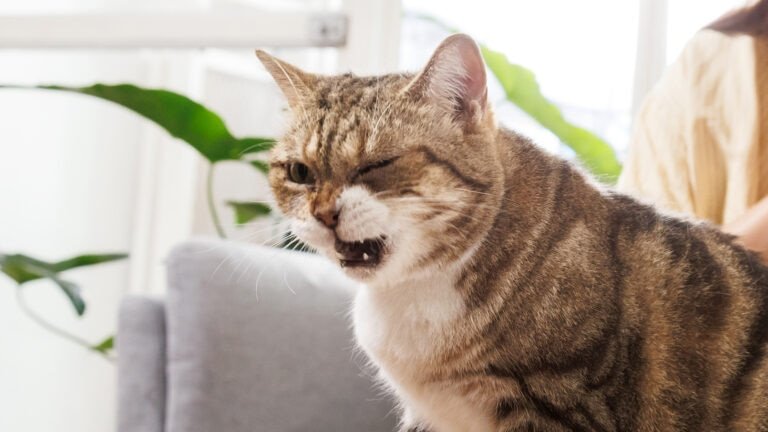
Have you ever heard a cat crying loudly during mating and wondered why this happens? It’s a strange sound that can catch you off guard, especially if you’re a cat owner.
Understanding why cats cry while mating can help you better care for your furry friend and ease any worries you might have. You’ll discover the surprising reasons behind this behavior and what it means for your cat’s health and happiness.
Keep reading to uncover the truth that every cat lover should know.
Cats’ Mating Behavior
Cats cry during mating because the male’s barbed penis causes discomfort to the female. This vocalization signals pain or stress. It’s a natural part of their reproductive behavior.
Cats’ mating behavior can be both fascinating and perplexing. If you’ve ever wondered why cats make such a racket during mating, you’re not alone. Understanding their behavior can offer insights into their unique world, bringing you closer to your feline friends.Typical Mating Process
The mating process in cats is brief but intense. Female cats, known as queens, typically call out to attract males, known as toms. This initial phase is filled with playful yet assertive gestures, which may include batting and chasing. Once a male approaches, the female assumes a receptive posture, known as lordosis. The male then mounts, and the actual copulation is quick, often lasting only a few seconds. Despite the brevity, this interaction is vital for successful reproduction.Vocalizations During Mating
The vocalizations during mating can be surprising. Have you ever heard a cat yowl and wondered if they’re in pain? It’s not uncommon for cats to emit loud cries during mating, a behavior that serves multiple purposes. These cries can trigger a response from the male, aiding in the release of hormones necessary for fertilization. Additionally, they may communicate to other males that the female is currently occupied, reducing competition. Understanding this can alter how you perceive your cat’s behavior. Next time you hear such vocalizations, you might view them not as distress signals but as a natural and essential part of their reproduction process. Why do you think nature designed it this way? Perhaps it’s a reminder of the complex, instinctual world our pets navigate daily.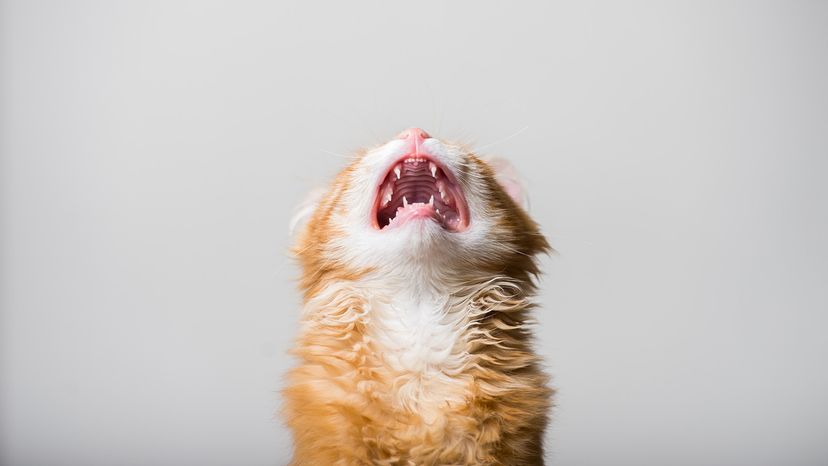
Credit: animals.howstuffworks.com
Reasons Behind Crying
Cats crying during mating can seem strange or alarming. This behavior has clear reasons rooted in their biology and instincts. Understanding these reasons helps us see why cats vocalize at these moments. The crying is not just noise; it has important functions.
Physical Sensations
Female cats often experience pain during mating. The male cat’s barbed penis causes discomfort when withdrawn. This pain triggers vocal cries as a natural response. The physical sensation is intense but brief. It signals the female’s body reacting to mating.
Hormonal Influences
Hormones play a big role in cat behavior. During mating, hormone levels change quickly. These shifts affect how cats feel and act. Hormones can heighten sensitivity and stress, causing vocalization. Crying is part of this hormonal response.
Communication Signals
Cats use cries to communicate with each other. The female’s vocalizations tell the male she is ready or reacting. Crying also warns other cats nearby about mating activity. This communication helps manage social interactions. It keeps other cats away or alerts mates to continue.
Female Cat’s Role
The female cat plays a crucial role during mating, and her behavior often explains why you might hear crying sounds. Understanding her part helps you see beyond just the noise—it’s about biology and communication. Her reactions are natural responses tied to her reproductive cycle and physical sensations.
Estrus Cycle Effects
Female cats, or queens, go through an estrus cycle, commonly known as heat. During this time, they become receptive to males and display behaviors like vocalizing loudly. This crying isn’t just random noise—it signals readiness to mate and attracts potential partners.
These vocalizations can be intense and persistent. Have you noticed how your cat’s meows change when she’s in heat? That’s her way of saying she’s ready, and the sounds help males find her quickly.
Pain Or Discomfort Factors
The female’s cry during mating can also indicate pain or discomfort. Male cats have barbed penises that can cause momentary pain when withdrawing, triggering a vocal response. This might sound alarming, but it’s a natural part of feline reproduction.
If you hear crying, it doesn’t always mean something is wrong. However, if the vocalizations continue long after mating or seem unusually distressed, it could be a sign of injury or infection. Always watch for other signs like limping or changes in appetite to know when to consult your vet.
Credit: partnersvetwl.com
Male Cat’s Role
The male cat plays a key role during mating. His behavior and anatomy cause unique reactions in the female. Understanding his role helps explain why cats cry during mating. The male’s actions trigger responses that seem intense and noisy. His body structure also affects the female’s experience. Both parts work together in this natural process.
Behavioral Triggers
Male cats often bite the female’s neck to hold her. This grip is firm but not meant to harm. It helps keep the female in place during mating. The suddenness of this action can startle the female. It causes her to cry out loudly. The male’s movements are quick and forceful. These behaviors are natural and part of cat mating rituals.
The male may also vocalize during mating. This noise adds to the female’s reactions. His behavior signals dominance and readiness to mate. The female’s cries show her response to these signals. Together, these sounds and actions form a communication pattern.
Impact Of Male Anatomy
The male cat’s anatomy plays a big role in female cries. His penis has small, backward-facing barbs. These barbs stimulate ovulation in the female. They also cause discomfort, leading to vocal protests. The barbs scrape the female’s reproductive tract. This scraping triggers the female’s crying and sudden jumping away.
The anatomy ensures successful reproduction but is painful. The female’s loud cries signal distress from this sensation. This pain is brief but intense. It is a natural part of the mating process in cats. The unique shape of the male’s anatomy makes this mating behavior distinct.
Emotional Aspects
Cats crying during mating isn’t just a random noise—it often reflects deep emotional responses. Understanding these feelings can help you better interpret your cat’s behavior and provide a supportive environment. Emotional aspects like stress, anxiety, and territorial instincts play a big role in why these vocalizations happen.
Stress And Anxiety
Stress is a major factor behind the crying sounds cats make while mating. The entire process can be uncomfortable or even painful for the female, which naturally causes distress.
Male cats may also feel anxious, especially if they sense competition or fear rejection. This tension often manifests as loud meowing or yowling.
Have you noticed your cat pacing or acting restless before these sounds? That’s a sign of built-up anxiety. Offering a calm space can sometimes reduce this vocal stress.
Territorial Responses
Cats are fiercely territorial, and mating time can trigger intense territorial behavior. The cries can serve as warnings to other cats to stay away.
Both males and females may vocalize loudly to establish dominance and protect their mating rights. This is not just noise; it’s a strategic communication tool.
Think about your neighborhood cats—do you hear similar sounds when they encounter rivals? These territorial cries during mating are an extension of that same instinct.
Credit: www.petscare.com
Common Myths And Facts
Cats making crying sounds during mating often confuse many pet owners. People hear these noises and think the cat is in pain or distress. This section clears up common myths and shares real facts. Understanding these will help you know your pet better.
Misconceptions About Crying
- Many believe cats cry because they are hurt. This is not always true.
- Some think the sounds mean the cat is sad or scared. Actually, the sounds are normal during mating.
- Others assume crying means the cat is rejecting the partner. The noises usually show excitement or communication.
Scientific Insights
Crying during mating comes from a cat’s unique reproductive process. Female cats have a barbed penis from males. This causes brief discomfort, leading to vocal sounds.
The crying helps signal readiness and triggers hormonal changes needed for pregnancy. It is a natural part of their behavior, not a sign of injury.
Scientists explain this as a communication method between cats. The sounds help coordinate mating and encourage successful reproduction.
When To Worry
Hearing your cat cry while mating can be unsettling. It’s natural to wonder if those sounds signal pain or something more serious. Knowing when to worry helps you decide if your cat needs a vet’s attention or if it’s just part of their mating behavior.
Signs Of Injury
Cats may cry due to discomfort, but persistent or intense crying could indicate an injury. Look for limping, swelling, or visible wounds around the genital area.
Watch your cat’s behavior closely. If they suddenly avoid movement, seem lethargic, or excessively lick one spot, these could be signs of pain or injury.
Have you noticed your cat hiding more than usual or reacting aggressively when touched? These behaviors often accompany injuries and shouldn’t be ignored.
Health Concerns
Crying during mating might also point to underlying health problems. Urinary tract infections or inflammation can cause discomfort during intercourse.
Female cats, in particular, can experience reproductive issues that cause pain and vocalization. If your cat’s cries continue beyond mating or are paired with other symptoms like vomiting or loss of appetite, it’s time to consult your vet.
Remember, early detection can prevent complications. Are you keeping an eye on your cat’s overall health to catch these warning signs early?
Care Tips For Breeding Cats
Breeding cats requires special care and attention to keep them safe and healthy. Proper care helps reduce stress and supports successful mating. Understanding how to care for breeding cats ensures their well-being during this sensitive time.
Ensuring Comfort
Create a quiet, warm space for the cats to mate. Soft bedding helps them relax. Keep the area clean and free from loud noises. Avoid sudden movements around the cats. Provide fresh water and food nearby. Watch their behavior to spot signs of stress early.
Veterinary Support
Schedule a health check for both cats before breeding. Vaccinations and parasite control keep them safe. Consult a vet about the mating process. A vet can offer advice on nutrition and care. Regular check-ups during pregnancy are important. Seek immediate help if any health issues arise.
Frequently Asked Questions
Why Do Cats Make Noise When Mating?
Cats make loud cries during mating due to intense pain caused by the male’s barbed penis. This stimulates ovulation but causes discomfort for the female, resulting in vocalizations.
Is Crying Normal For Female Cats During Mating?
Yes, female cats often cry during mating because the male’s barbed penis causes temporary pain. This is a natural behavior linked to their reproductive process.
How Long Do Cats Cry While Mating?
Cats usually cry loudly but briefly during mating, often lasting only a few seconds. The vocalization coincides with the male’s withdrawal after ejaculation.
Can A Cat’s Crying During Mating Indicate Distress?
Crying during mating is normal and not usually a sign of distress. However, excessive vocalization or injury should be checked by a vet.
Conclusion
Cats cry during mating because it is part of their natural behavior. The sounds help communicate feelings and reactions between cats. This vocalization may also signal discomfort or excitement. Understanding why cats cry can help owners care for their pets better.
It shows how complex and unique cat behavior is. Paying attention to these sounds keeps cats healthy and happy. Observing your cat closely can reveal more about their needs. Cat cries during mating are normal but important to notice.
