

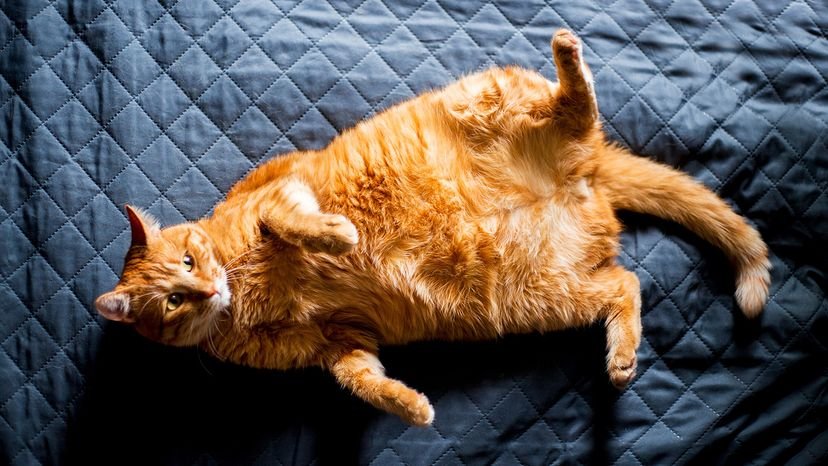
Have you ever noticed your house cat making unusual noises while napping? That gentle rumble might surprise you—could your furry friend actually be snoring?
If you’ve ever wondered why your cat sometimes sounds like a tiny, purring engine, you’re not alone. Understanding why cats snore can reveal a lot about their health and comfort. Keep reading to discover the surprising reasons behind your cat’s nighttime sounds and what you should watch out for to keep your pet happy and healthy.

Credit: tryfurgo.com
Why Cats Snore
Cats snore for several reasons, much like humans. Understanding why your feline friend snores can help you know more about their health and habits. Snoring happens when air moves through a partially blocked airway during sleep. This creates vibrations that produce the familiar sound.
Common Causes
Many factors can cause cats to snore. Some common causes include:
- Obesity, which adds extra tissue around the throat
- Allergies that cause nasal congestion
- Respiratory infections leading to swollen airways
- Dental problems affecting the mouth and throat
- Genetic traits, especially in flat-faced breeds like Persians
Breathing Patterns
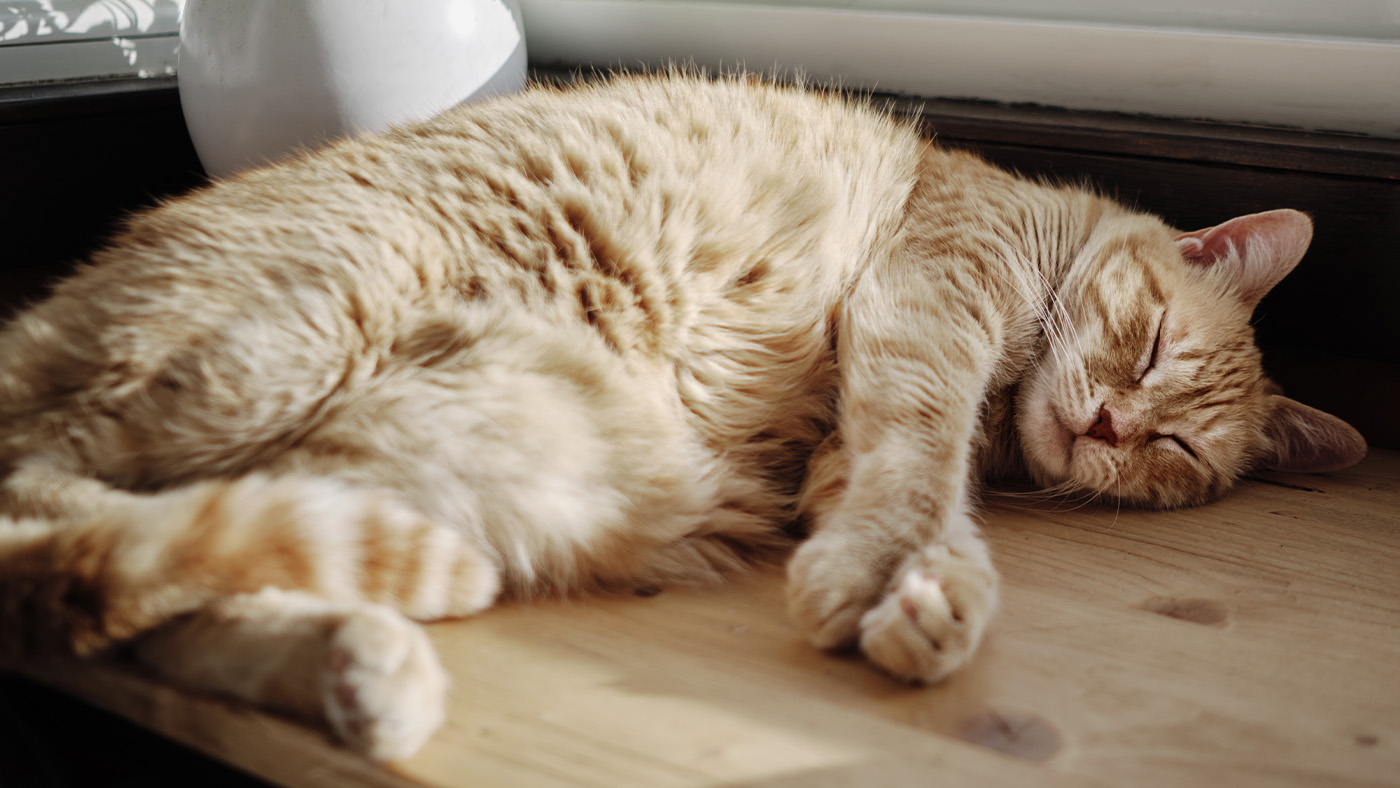
Cats have different breathing patterns during sleep. When they sleep deeply, their breathing slows down. This slower airflow can cause soft snoring sounds. Sometimes, nasal passages narrow a bit, leading to louder snoring. Cats with narrow noses or small airways may snore more often.
Sleeping Positions
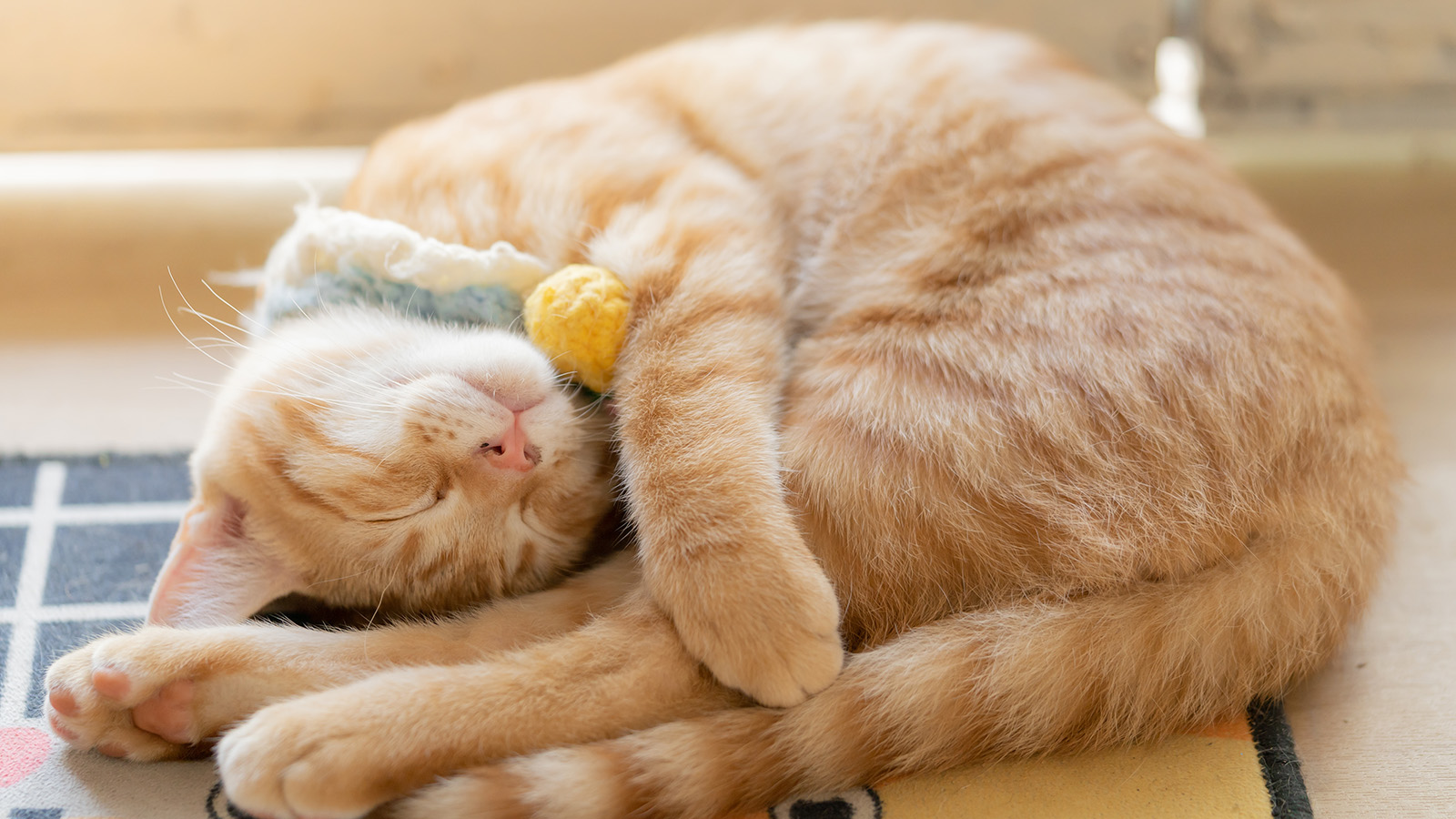
The way a cat sleeps can affect snoring. Lying on their back may let their tongue fall back, blocking air passage. Curling up tightly can also restrict airflow. Cats that sleep stretched out usually snore less. Watching your cat’s favorite sleeping position can explain their snoring habits.
When Snoring Is Normal
Cats, like humans, can snore during their sleep. This gentle noise is often normal. Snoring in cats may not always indicate a health issue. It’s essential to know when snoring is typical and when it might need attention.
Age And Snoring
Older cats tend to snore more than younger ones. As cats age, their muscles relax, including those in the throat. This relaxation can lead to snoring during sleep. Kittens might snore too, but it’s less common.
Breed Tendencies
Certain cat breeds are more prone to snoring. Flat-faced breeds like Persians and Himalayans often snore. Their unique facial structure can cause airway constriction. This physical trait makes snoring more common in these breeds.
Environmental Factors
Environment plays a role in a cat’s snoring habits. Dusty or smoky surroundings can irritate a cat’s airways. This irritation might lead to snoring. Ensure your cat’s sleeping area is clean and free from irritants. A comfortable environment reduces the likelihood of snoring.
Health Issues Linked To Snoring
Snoring in house cats is more than just a quirky noise—it can signal underlying health issues. Paying attention to your cat’s snoring might help you catch problems early. Understanding these health concerns can improve your cat’s quality of life and prevent serious complications.
Respiratory Problems
Respiratory issues are a common cause of snoring in cats. Conditions like asthma or chronic bronchitis can narrow airways, making breathing noisy during sleep. If your cat’s snoring is loud or accompanied by coughing or wheezing, it’s time to consult your vet.
Have you noticed your cat struggling to breathe or showing less energy? These signs often come with respiratory problems and shouldn’t be ignored.
Obesity And Snoring
Excess weight can contribute significantly to snoring in cats. Fat deposits around the neck and throat may block airways, causing noisy breathing. If your cat is overweight, managing their diet and encouraging activity can reduce snoring and improve overall health.
Think about your cat’s daily routine—are they getting enough exercise? Small changes can make a big difference in reducing snoring linked to obesity.
Allergies And Infections
Allergies and infections often cause inflammation in your cat’s nasal passages and throat. This swelling can lead to snoring by obstructing airflow. Pay attention if your cat has sneezing fits, watery eyes, or nasal discharge along with snoring.
Can you identify any allergens in your home, like dust or pollen, that might be affecting your cat? Removing these triggers and seeking veterinary care for infections can clear up the snoring problem.
Credit: www.petsradar.com
How To Help Your Snoring Cat
Helping your snoring cat can improve not only their sleep quality but also your peace of mind. Understanding simple changes you can make at home often reduces snoring and keeps your feline friend comfortable. Let’s look at some practical ways to make a difference.
Adjusting Sleeping Areas
Where your cat sleeps plays a big role in snoring. Soft, supportive beds can help keep their airways open. Try placing your cat’s bed in a quiet, dust-free spot with good airflow.
Elevating the bed slightly may also reduce snoring by helping your cat breathe easier. Have you noticed your cat snoring less when they sleep on the couch or your lap? These cozy spots often provide better positioning.
Diet And Exercise Tips
Extra weight can worsen snoring in cats, just like in people. Watch your cat’s diet carefully to avoid overfeeding and choose high-quality, balanced food. Regular play sessions help maintain a healthy weight and keep their airways clear.
Try interactive toys or short bursts of activity throughout the day to keep your cat active. Have you seen how your cat’s breathing improves after a good run around the house? Keeping your cat fit can reduce breathing issues significantly.
When To Visit The Vet
If your cat’s snoring suddenly gets louder or is accompanied by coughing, sneezing, or breathing difficulties, it’s time to consult a vet. These signs may point to infections, allergies, or other health problems that need treatment.
Persistent snoring could also indicate anatomical issues like nasal blockages. Your vet can perform a thorough checkup and suggest treatments or lifestyle changes tailored to your cat’s needs.
Myths About Cat Snoring
Many cat owners wonder if their furry friends snore. Myths about cat snoring can confuse pet lovers. Some believe cats never snore. Others think snoring always signals health problems. These ideas are not always true. Understanding facts helps care for cats better.
Cats Don’t Snore At All
Some people say cats never snore. This is false. Cats can snore just like humans. Snoring happens when airflow is blocked during sleep. Cats with short noses or allergies snore more. Quiet snoring is normal for many cats.
Snoring Means Serious Illness
Snoring does not always mean illness. Many cats snore with no health issues. Occasional snoring can be normal. Watch for other signs like coughing or breathing trouble. These signs may need a vet check. Do not panic if your cat snores softly.
Loud Snoring Is Always Dangerous
Loud snoring can worry owners. But it is not always dangerous. Some cats snore loudly due to sleeping position. Overweight cats snore more often too. Loud snoring with gasping or choking needs vet care. Otherwise, loud snoring alone is not always bad.
Credit: animals.howstuffworks.com
Frequently Asked Questions
Do House Cats Commonly Snore During Sleep?
Yes, many house cats snore occasionally. Snoring happens when their airway partially blocks during deep sleep. It’s usually harmless but can be cute or funny to hear.
What Causes Snoring In Domestic Cats?
Snoring in cats occurs due to relaxed throat muscles or nasal congestion. Obesity, allergies, or respiratory issues can also cause snoring in cats.
Is Cat Snoring A Sign Of Health Problems?
Occasional snoring is normal, but loud or frequent snoring might indicate health issues. Consult a vet if your cat shows breathing difficulties or changes in behavior.
Can Certain Cat Breeds Snore More Often?
Yes, flat-faced breeds like Persians and Himalayans snore more due to their short nasal passages. Their facial structure makes airway obstruction during sleep common.
Conclusion
Cats can snore just like people do. It happens when their airways get a little blocked. Usually, it is normal and not a problem. But loud or constant snoring might need a vet check. Knowing why cats snore helps you care for them better.
Enjoy those quiet and funny moments with your cat. Their little snores can be a sign of comfort and peace. Keep watching their health and behavior for a happy pet.
