


Have you ever found your cat peeing on your favorite couch or a random spot in your home and wondered, “Why does my cat do this?” It can be frustrating and confusing, especially when you don’t understand the reasons behind this behavior.
But don’t worry—you’re not alone, and there are clear answers that can help you fix this problem. Understanding why your cat pees on things is the first step to stopping it and keeping your home clean and stress-free. Keep reading, because what you learn here could change how you care for your cat forever.
Common Causes Of Cat Peeing
Cats often pee outside the litter box due to stress, illness, or marking territory. Changes in their environment or dirty litter can also cause this behavior. Understanding these reasons helps address the issue effectively.
Cats peeing outside the litter box can perplex many owners. Understanding the reasons behind this behavior is crucial. By pinpointing the cause, you can help your cat feel better and protect your home.Medical Issues
Cats may pee in inappropriate places due to health problems. Urinary tract infections are common in felines. They cause pain and frequent urination. Bladder stones can also lead to accidents. Diabetes and kidney disease affect a cat’s urinary habits too. Always consult a vet if you suspect a medical issue.Territorial Marking
Cats are territorial by nature. They often mark their space with urine. This behavior is more common in unneutered males. Female cats may also mark territory. The presence of new pets can trigger this behavior. Even changes in the environment can cause it.Stress And Anxiety
Stress impacts cats just like it does humans. Moving to a new home can unsettle them. Loud noises or new family members add to their anxiety. Cats express their stress through peeing. Understanding their triggers can help reduce this behavior.Litter Box Problems
Cats are particular about their litter boxes. A dirty box can deter them from using it. They prefer a clean and odor-free space. The location of the box matters too. It should be in a quiet and accessible spot. Some cats dislike certain types of litter. Experiment with different kinds to find the right fit.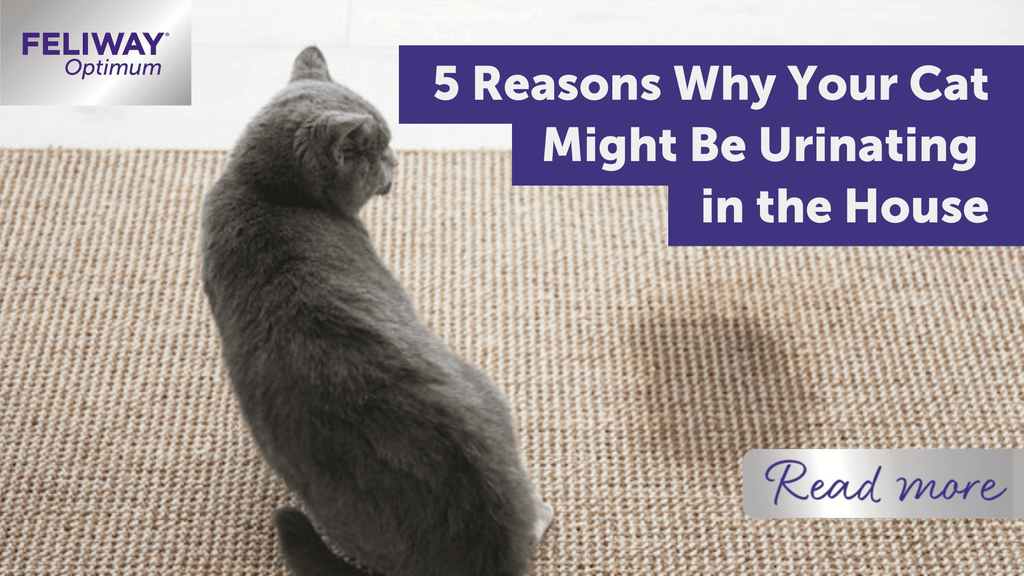
Credit: www.feliway.co.uk
Signs Your Cat Is Peeing Outside The Box
Noticing your cat peeing outside the litter box can be frustrating. It often signals that something is wrong. Recognizing signs early helps address the issue quickly. Watch for changes in your cat’s usual behavior and environment.
Changes In Behavior
Your cat may act restless or hide more than usual. They might meow loudly or seem stressed. A sudden dislike for the litter box can also appear. These shifts often point to discomfort or anxiety.
Smell And Stains
Unusual odors in certain spots indicate your cat has urinated there. You might find damp patches on carpets or furniture. These stains often have a strong, distinct smell. Cleaning thoroughly helps prevent repeat accidents.
Frequent Spotting
Finding multiple pee spots around your home is a clear warning. These spots can appear on walls, corners, or under furniture. Frequent accidents suggest a deeper problem needing attention. Tracking these spots helps identify patterns.
Quick Fixes To Stop Peeing
Dealing with a cat that pees outside the litter box can be frustrating and confusing. However, quick fixes can help you manage this behavior effectively. Addressing the issue early with practical steps can save your home from unwanted odors and stains while keeping your cat happy and healthy.
Cleaning Techniques
Cleaning accidents thoroughly is crucial because cats often return to spots that smell like urine. Use enzymatic cleaners designed specifically to break down urine molecules. Avoid ammonia-based cleaners, as they can attract your cat back to the same spot.
Try soaking the area with the cleaner and letting it sit for at least 10 minutes. Then blot the surface instead of rubbing to prevent spreading the stain. Have you noticed how some cleaners don’t seem to fully remove the smell? That’s why enzymatic cleaners make such a big difference.
Litter Box Maintenance
Keeping the litter box clean is one of the simplest ways to prevent your cat from peeing elsewhere. Scoop the litter daily and change it completely at least once a week. Cats are very particular about cleanliness; a dirty box can push them to find alternative spots.
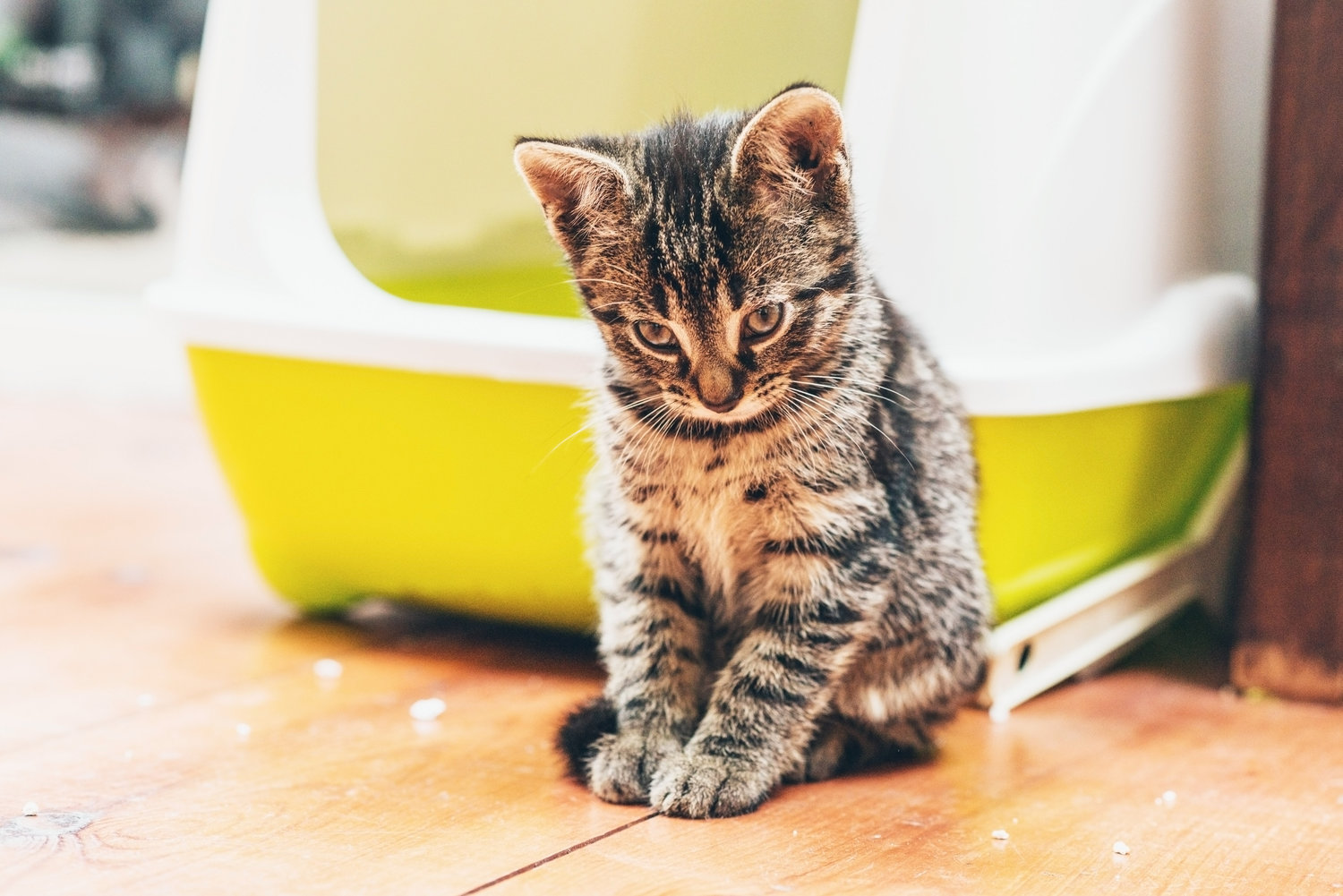
Also, consider the number of litter boxes you have. The rule of thumb is one box per cat plus one extra. If your home has multiple floors, place boxes on each level to make it easier for your cat. How many litter boxes does your cat currently have?
Using Deterrents
Deterrents can help stop your cat from returning to problem areas. You can use safe sprays with scents cats dislike, such as citrus or lavender. Placing aluminum foil or double-sided tape on surfaces can also discourage your cat from peeing there again.
Another trick is to block access to favorite spots temporarily. This helps break the habit while you work on training your cat to use the litter box. Have you tried any deterrents that worked or failed? Sometimes, small changes make a huge impact.
Credit: www.bonvoyagepetsitting.com
Long-term Solutions For Peeing Issues
Dealing with a cat that pees outside the litter box can be frustrating. Long-term solutions require patience and a clear plan. Understanding what drives this behavior helps you tackle the root cause effectively.
Veterinary Care
Health issues often cause inappropriate peeing. Urinary tract infections, kidney problems, or diabetes can make it painful or urgent for your cat to pee. Taking your cat to the vet is the first step to rule out these medical conditions.
Don’t ignore sudden changes in your cat’s bathroom habits. Early diagnosis can prevent serious complications and stop the behavior quickly. Have your vet perform a thorough exam and necessary tests.
Behavioral Training
Cats sometimes pee on things due to stress or confusion. You can train your cat by rewarding good litter box use with treats or affection. Consistency is key—make sure the litter box is always clean and placed in a quiet, accessible spot.
If your cat marks territory, spraying a synthetic feline pheromone can calm them. Avoid punishment; it only increases anxiety and makes the problem worse. Instead, try redirecting your cat gently back to the litter box.
Environmental Enrichment
Boredom or lack of stimulation can lead to unwanted peeing. Add scratching posts, interactive toys, or climbing shelves to keep your cat mentally and physically active. A happy cat is less likely to act out.
Consider adding another litter box if you have multiple cats. Cats prefer personal space for bathroom needs. Do you provide enough variety and stimulation for your feline friend’s comfort?
Preventing Future Accidents
Preventing your cat from peeing outside their litter box can save you from frustration and keep your home fresh. Understanding the causes is just the start. Taking practical steps can help you avoid future accidents and strengthen the bond with your feline friend.
Regular Vet Checkups
Health issues like urinary tract infections or kidney problems often cause cats to urinate in unusual places. Regular vet visits catch these problems early before they turn into persistent habits.
Have you noticed sudden changes in your cat’s bathroom behavior? A quick vet check can reveal hidden issues and give you peace of mind.
Stress Reduction Tips
Cats react strongly to stress, which can trigger inappropriate urination. Changes like moving furniture, new pets, or loud noises might unsettle them.
Try creating calm spaces with cozy beds and familiar toys. Using pheromone diffusers or playing soft music can also soothe your cat.
What small changes in your home might reduce your cat’s anxiety? Observing their behavior closely helps you spot stress triggers.
Proper Litter Box Setup
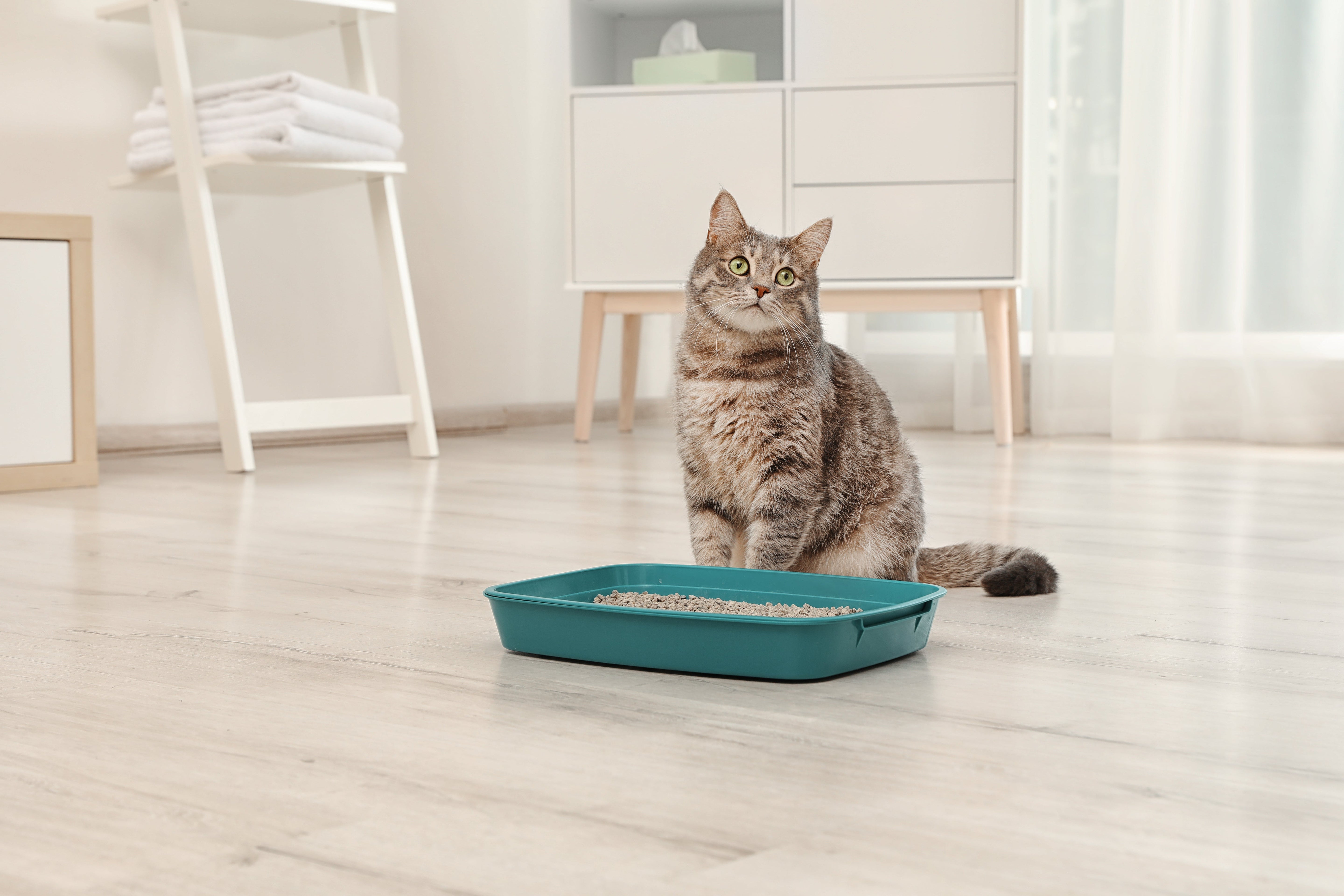
The right litter box setup makes a big difference. Your cat needs a clean, quiet spot with easy access to the box.
Keep these tips in mind:
- Use unscented, clumping litter that your cat prefers.
- Place multiple boxes around your home if you have more than one cat.
- Clean the box daily to prevent odors that drive your cat away.
Have you checked if your cat dislikes the location or type of litter? Small adjustments here can stop accidents before they start.
Credit: animoetc.com
Frequently Asked Questions
Why Do Cats Pee Outside The Litter Box?
Cats may pee outside the litter box due to stress, illness, or a dirty box. Behavioral issues or territorial marking can also cause this problem. Identifying the cause helps in managing and correcting the behavior effectively.
Can Medical Issues Cause Cats To Pee On Things?
Yes, urinary tract infections, bladder stones, or kidney problems can cause inappropriate urination. If your cat suddenly pees outside the box, consult a vet promptly to rule out medical causes.
How Does Stress Affect Cat Urination Habits?
Stress triggers anxiety in cats, leading them to pee on objects to mark territory or feel secure. Changes in environment, new pets, or loud noises can increase stress and urination problems.
What Role Does Territorial Marking Play In Cat Peeing?
Cats use urine to mark territory and communicate with other cats. Unneutered males especially mark frequently. Neutering and reducing stress can help minimize marking behaviors.
Conclusion
Cats pee on things for many reasons. It might be stress, illness, or marking territory. Understanding these causes helps you find the right solution. Keep your cat healthy and happy by watching their behavior closely. Clean spots well to stop repeats.
Talk to a vet if problems continue. Patience and care make a big difference. Your cat will feel safer and more relaxed. This helps stop unwanted peeing and keeps your home fresh. Simple steps lead to better cat behavior.
