

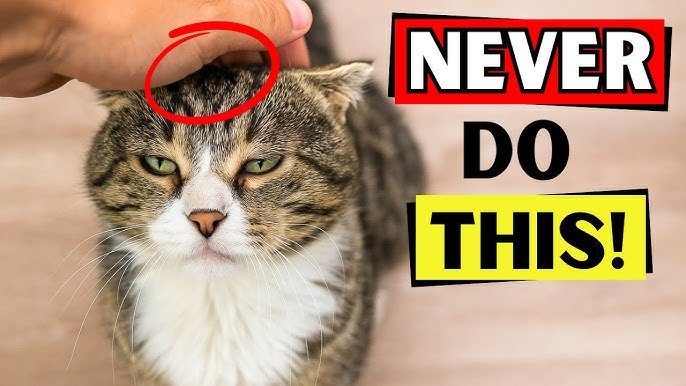
Have you ever noticed your cat acting differently when you give attention to someone else? Maybe they suddenly become clingy, pushy, or even a bit grumpy.
It makes you wonder: do cats get jealous? Understanding your furry friend’s emotions can help you build a stronger bond and avoid unnecessary tension at home. Keep reading to discover surprising signs of jealousy in cats and learn how to handle these feelings the right way.
Your cat’s happiness might depend on it!
Jealousy In Cats Explained
Cats can show signs of jealousy when attention is given to others. They may act clingy, pushy, or even sulky to get noticed. Understanding these behaviors helps improve your bond with your feline friend.
Jealousy in Cats Explained Cats are often seen as aloof, independent creatures, but they have complex emotions just like us. It’s easy to dismiss their behaviors as mere quirks, yet many cat owners swear they’ve seen their feline friends displaying signs of jealousy. Could it be that your cat is green-eyed when you spend time with a new pet or partner? Let’s explore this intriguing aspect of feline behavior.Emotional Capacity Of Cats
Cats have a remarkable range of emotions. Scientific studies suggest that cats experience feelings similar to those of a two to three-year-old child. This means they can feel happiness, anger, and yes, even jealousy. If your cat suddenly becomes clingy when you’re holding a new kitten, it’s not just seeking attention. It might feel its territory or bond with you is threatened. Have you noticed your cat becoming vocal or agitated when you’re engrossed in a conversation with someone? That could be their way of saying, “Hey, remember me?”Common Triggers
Understanding what triggers jealousy in cats can help you manage their behavior better. A new pet in the house is a common trigger. Cats are territorial animals, and a new furry addition can make them feel insecure. Changes in your routine, like spending more time with a new partner or staying away longer, can also trigger jealousy. Did you know some cats might even show signs of jealousy when you use your phone or laptop? They may see these devices as rivals for your attention. Noticing these triggers can help you provide reassurance to your feline friend. A little extra attention or a dedicated playtime can go a long way in easing their insecurities. Have you ever thought about how your actions might be affecting your cat’s emotions?
Credit: www.newsbreak.com
Signs Your Cat Feels Jealous
Cats can feel jealous just like humans. They show it through their actions and mood. Knowing these signs helps you understand your cat better. It also helps keep your pet happy and calm.
Behavioral Changes
A jealous cat may act different from usual. They might stop using their favorite spots. Sometimes, they avoid playing or eating. Changes in sleep patterns can also appear. These shifts show your cat feels uneasy or left out.
Attention-seeking Actions
Jealous cats want your focus. They may nudge you more often. Some follow you from room to room. Loud meowing or pawing at you are common signs. These actions mean they want your love and care.
Aggression And Withdrawal
Jealousy can make cats act tough or shy. They might hiss or swat at others. Some hide under furniture or stay away. Both aggression and hiding show stress. Your cat needs patience and gentle care then.
Comparing Cat Jealousy To Human Jealousy
Jealousy is a complex feeling found in many animals, including humans and cats. Both species can feel possessive or threatened when attention shifts to someone or something else. Comparing how cats and humans show jealousy helps us understand these feelings better. It also reveals how emotions shape behavior across species.
Similarities In Emotions
Both cats and humans feel upset when they lose attention or affection. This feeling is a form of jealousy. It comes from a need for security and love. Cats may act clingy or try to block others from getting close. Humans often feel sad or angry and may express these feelings openly.
In both, jealousy shows a desire to protect important relationships. This emotional response helps keep bonds strong. It also signals discomfort when those bonds feel threatened. Jealousy is a natural way to cope with changes in social dynamics.
Differences In Expression
Cats express jealousy mostly through body language and actions. They may hiss, swat, or push away the rival. Some cats become quiet or withdraw instead. Humans use words and more complex behaviors to show jealousy. They might argue, sulk, or seek reassurance from others.
While humans can explain their feelings, cats rely on instinct. Their jealousy often looks like sudden changes in behavior. Humans can control or hide jealousy more easily than cats. This difference shows how language shapes emotional expression.
Handling Cat Jealousy Effectively
Handling cat jealousy effectively helps keep your home peaceful. Cats feel upset when they lose attention or see new pets. Managing these feelings needs patience and care. Use gentle ways to help your cat adjust and feel safe.
Increasing Quality Time
Spend more quiet moments with your cat every day. Play with toys that your cat loves. Pet your cat gently and talk softly. This builds trust and reduces jealousy. Your cat feels special and secure. Set a routine for play and cuddles to keep your cat happy.
Introducing New Pets Gradually
Bring new pets into the home slowly. Let your cat see and smell the new animal from a distance first. Use a separate room for the new pet at first. Watch your cat’s reaction closely. Gradual introductions help avoid stress and jealousy. Give your cat space to adjust at their own pace.
Using Positive Reinforcement
Reward your cat with treats and praise for calm behavior. This teaches your cat to feel good around new pets. Avoid punishing jealous behavior. Focus on encouraging peaceful actions. Use treats, soft words, and petting to reward your cat. Positive reinforcement builds confidence and reduces tension.
Preventing Jealousy In Multi-cat Households
Living with multiple cats can be joyful but also challenging. Cats may show jealousy if they feel ignored or crowded. Preventing jealousy helps keep peace and happiness in your home. Simple steps create a calm, loving environment for all your cats.
Separate Resources
Each cat needs its own food and water bowls. Place them in different spots around the house. Use separate litter boxes—one per cat plus one extra. This reduces competition and stress. Separate toys and scratching posts also help avoid fights.
Creating Personal Spaces
Give each cat a quiet, safe place to rest. Use cat beds, shelves, or boxes in different rooms. Personal spaces help cats feel secure and less likely to compete. Let cats explore these areas without interruption. This supports their need for privacy.
Monitoring Interactions
Watch how your cats behave around each other. Notice signs of tension like hissing or swatting. Step in early to calm things down. Praise calm, friendly behavior. Gradually increase their time together to build trust.

Credit: www.youtube.com
When To Seek Professional Help
Knowing when to seek professional help for your cat’s behavior is crucial, especially if jealousy turns into something more serious. Sometimes, what seems like jealousy can actually be a sign of deeper issues that need expert care. Acting early can prevent stress and keep your feline friend happy and healthy.
Persistent Aggression
If your cat shows ongoing aggression toward family members, other pets, or even strangers, it’s a clear sign to get help. Aggression that lasts more than a few days or gets worse can harm your cat and those around them. Have you noticed your cat hissing, swatting, or biting without clear reason?
Persistent aggression might mean your cat is struggling with emotions they can’t handle alone. A veterinarian or animal behaviorist can assess the situation and suggest training or medication to calm your cat. Don’t wait until someone gets hurt—early intervention makes a difference.
Stress-related Health Issues
Jealousy and stress can cause real health problems in cats, like loss of appetite, vomiting, or over-grooming. If your cat suddenly starts losing weight or developing bald patches, it may be more than just a mood issue. Have you seen your cat hide more or avoid interaction?
Stress affects a cat’s immune system, making them vulnerable to illnesses. Professionals can help identify stress triggers and offer strategies to reduce anxiety. Sometimes, simple changes at home combined with medical advice can bring your cat back to their playful self.

Credit: www.youtube.com
Frequently Asked Questions
Do Cats Show Signs Of Jealousy?
Yes, cats can show jealousy through behaviors like increased attention-seeking, aggression, or sulking when their owner focuses on others. These signs indicate they feel threatened or neglected and want to regain attention.
What Triggers Jealousy In Cats?
Cats often feel jealous when their owner gives attention to another pet, a new baby, or even another person. Changes in routine or environment can also trigger jealousy and stress in cats.
How Can I Prevent Jealousy In My Cat?
To prevent jealousy, give equal attention to all pets and maintain a consistent routine. Provide personal space and use positive reinforcement to reassure your cat and reduce stress.
Can Jealousy Cause Behavioral Problems In Cats?
Yes, jealousy can lead to behavioral issues like scratching, excessive meowing, or inappropriate urination. Addressing jealousy early helps maintain harmony and avoids long-term problems.
Conclusion
Cats show signs of jealousy, but it varies by personality. They seek attention and may act differently around new pets or people. Understanding their feelings helps build a stronger bond. Watch for changes in behavior and respond with care. Every cat is unique, so patience matters most.
Caring owners create happy and balanced homes for their cats. Jealousy is just one way cats express their emotions.
