

Have you ever wondered if your cat can sense something you can’t? What if your furry friend could detect cancer just by smelling it?
It sounds unbelievable, but many pet owners have noticed their cats acting strangely around someone who is ill. Your cat’s sharp nose might be picking up on subtle signs that you miss. You’ll discover what cats do when they smell cancer and why their behavior could be a powerful clue for early detection.
Keep reading—you might be surprised by what your cat is trying to tell you.

Credit: yumove.co.uk
Cats’ Sensory Abilities
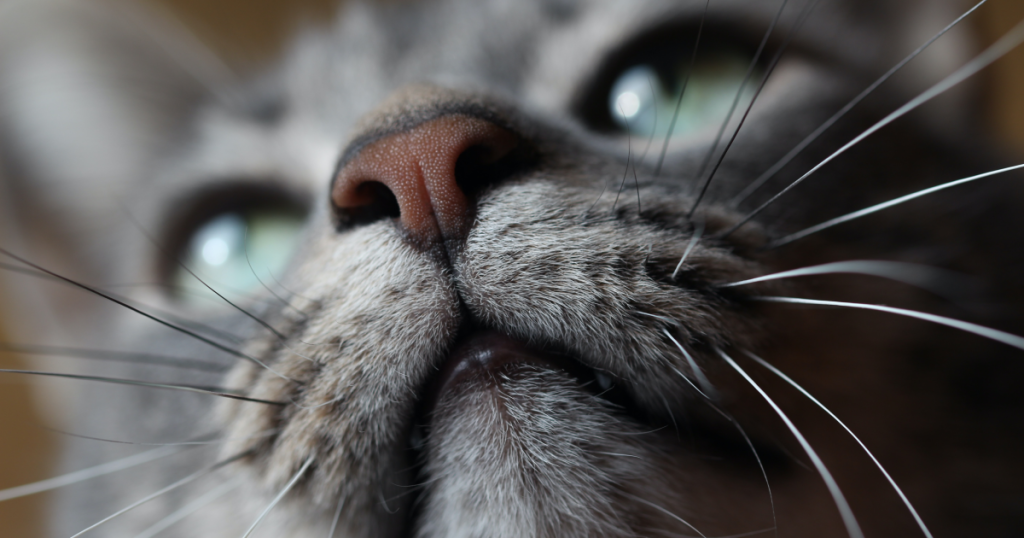
Cats have an amazing sense of smell that helps them detect unusual scents. They can sense changes in a person’s body, sometimes even cancer. This ability makes them alert and curious around affected individuals.
Cats possess remarkable sensory abilities. Their keen senses allow them to perceive the world differently. Among these senses, their sense of smell stands out. This unique capability enables them to detect subtle changes in their surroundings.Enhanced Olfactory System
Cats have an extraordinary olfactory system. Their noses contain up to 200 million odor sensors. In comparison, humans have only about 5 million. This vast difference highlights their superior smelling ability. Cats can detect even the faintest scents. This skill helps them navigate their environment effectively.Detecting Chemical Changes
Cats can sense chemical changes in the body. Diseases like cancer can alter a person’s body odor. These changes occur due to the production of certain chemicals. Cats can pick up on these chemical shifts. Their acute sense of smell makes this possible. This ability is still under research. Scientists are exploring how cats can aid in early cancer detection.Behavioral Responses To Cancer Smells
Cats have an extraordinary sense of smell, allowing them to detect subtle changes in their environment. When it comes to cancer, their behavioral responses to the distinct odors cancer emits can be quite telling. Observing these behaviors closely can give you insights into how cats perceive these unusual scents and possibly alert you to health concerns.
Increased Attention And Curiosity
You might notice your cat suddenly becoming more interested in a specific area of your body or an object like clothing. They may sniff repeatedly, paw gently, or even nudge you persistently. This heightened curiosity is their way of investigating something new and unusual in their environment.
Some cats will follow you around more than usual, staying close as if trying to understand what’s different. Have you ever felt your cat’s gaze fixed intently on a spot without any obvious reason? This focused attention might be their response to the unique scent associated with cancer cells.
Avoidance Or Protective Actions
On the other hand, some cats may respond by stepping back or showing signs of discomfort around certain smells. They might avoid areas on your body or objects that carry the scent, as if sensing something is wrong. This behavior can seem like a protective instinct, distancing themselves from what they perceive as harmful.
Occasionally, cats may become more clingy or protective, sticking close and showing affection more than usual. This shift can indicate their sensitivity to changes in your health and their desire to offer comfort. Have you ever wondered if your cat’s sudden change in behavior could be a silent warning?
Scientific Studies On Cats And Cancer Detection
Scientific studies investigating cats’ ability to detect cancer offer fascinating insights into the unique ways animals perceive diseases. Researchers have begun to explore how cats might use their keen sense of smell to identify cancerous cells or tumors. Understanding these studies can help you see how cats might play a surprising role in early cancer detection.
Research Methodologies
Scientists have conducted experiments where cats are exposed to samples from cancer patients, such as breath, urine, or tissue. These studies often use controlled environments to observe whether cats show distinct behavioral changes—like sniffing longer or pawing—when near cancer-related scents.
Some researchers have trained cats to respond to cancer scents, while others simply observe natural reactions. These methods aim to measure accuracy, sensitivity, and the consistency of cats’ responses. Have you ever noticed your cat focusing intensely on certain smells around you?
Key Findings And Results
Results from these studies indicate that cats can distinguish cancerous samples from healthy ones with notable accuracy. Many cats displayed increased sniffing and investigative behaviors when near cancer-related odors.
One study showed cats correctly identified lung cancer in breath samples over 70% of the time. Another found cats reacting strongly to bladder cancer urine samples. These findings suggest cats’ noses might detect chemical changes caused by cancer, even before symptoms appear.
Could your cat’s sudden interest in a particular scent be more than curiosity? Paying attention to these subtle signs might one day help with earlier cancer detection, benefiting both you and your feline friend.
Credit: www.rd.com
Comparing Cats With Other Animals
Animals have long shown surprising abilities to detect illnesses in humans, and cancer detection is one area where this talent shines. Comparing cats with other animals reveals differences and similarities in how they sense and respond to cancer. Understanding these contrasts can help you appreciate what makes cats unique and how they might assist in early cancer detection.
Dogs Vs. Cats In Cancer Detection
Dogs are often hailed as the top animals for detecting cancer due to their incredible sense of smell and trainability. They can be trained to identify specific cancer markers in breath, urine, and even sweat. However, cats have a different approach; they may not be as easily trained, but their natural reactions to changes in human scent or behavior can be just as telling.
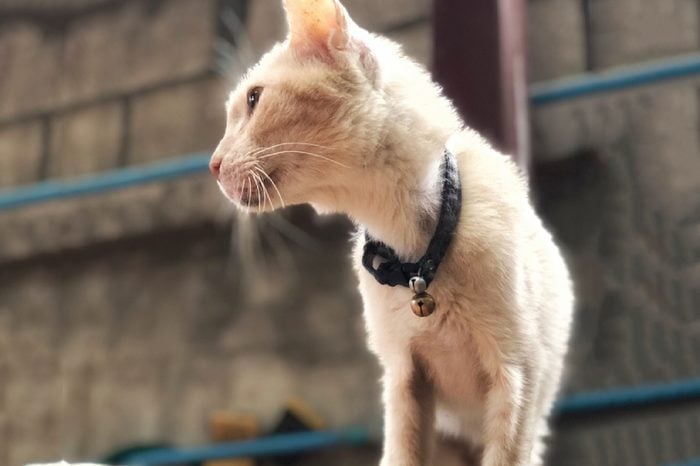
While dogs actively seek out and alert their owners, cats might show subtle signs, such as increased attention to a particular area or unusual behavior around a person. Have you noticed your cat sniffing or pawing at a spot on your body more than usual? That could be their way of sensing something is off.
Unique Traits Of Felines
Cats rely on their highly sensitive noses and acute instincts to detect changes in their environment, including human health. Their ability to pick up on faint chemical changes linked to cancer is less studied but just as fascinating. Unlike dogs, cats often use their behavior rather than trained commands to communicate their concerns.
One unique trait is their tendency to become clingier or more protective when they sense something unusual. This subtle shift can be a crucial early warning signal. If your cat suddenly insists on staying close or seems fixated on a certain part of your body, it might be worth paying attention.
Have you ever experienced this with your cat? These small clues highlight how feline intuition can complement medical detection, offering another layer of awareness for your health.
Real-life Stories And Anecdotes
Cats have surprised many with their unique ability to sense health changes. Real stories show how cats behave differently around their owners. These changes often lead to important health discoveries. People share how their cats acted strangely before a cancer diagnosis. These anecdotes provide hope and new insights into early detection methods.
Cases Of Cats Alerting Owners
Many cats show unusual behaviors near cancer patients. They may sniff, paw, or stay close to a certain area. Some cats refuse to leave their owner’s side. Others persistently nudge or paw at a lump on the skin. These actions have helped owners notice symptoms sooner. In one case, a cat kept scratching a spot on its owner’s chest. This led to a doctor’s visit and early cancer detection. Another cat repeatedly pawed at its owner’s arm. Tests found a tumor before it grew large. These stories highlight cats’ keen senses and loyalty.
Impact On Early Diagnosis
Early diagnosis greatly improves cancer treatment success. Cats’ behavior can act as an early warning system. Owners often seek medical advice after their cat’s unusual actions. This can lead to quicker scans and tests. Doctors sometimes find cancer at an early, treatable stage. Early discovery means less invasive treatment and better outcomes. Cats help bridge the gap between symptoms and diagnosis. Their instincts offer a valuable tool in health monitoring.
Implications For Medical Research
Cats’ ability to detect cancer through smell opens new paths in medical research. Their sensitive noses pick up chemicals that humans cannot sense. Studying this skill could help create better detection tools.
Scientists explore how cats identify cancer markers in the body. Understanding this process might lead to non-invasive methods for early diagnosis. This research could improve patient outcomes and save lives.
Potential For Non-invasive Screening
Using cats’ scent detection can inspire new screening techniques. Non-invasive tests are painless and easier for patients. They reduce the need for biopsies or blood draws.
Researchers work on devices mimicking cats’ olfactory abilities. Such tools could detect cancer from breath, urine, or skin samples. Early detection increases treatment success and lowers healthcare costs.
Future Directions In Animal-assisted Detection
Training cats to assist in medical detection is a growing field. Their natural talents might complement existing diagnostic methods. Combining animal skills with technology can enhance accuracy.
Further studies focus on improving training methods and understanding scent patterns. Collaboration between veterinarians and medical experts is vital. Animal-assisted detection may become part of routine health checks.
Credit: cats.fandom.com
Frequently Asked Questions
Can Cats Detect Cancer Through Smell?
Yes, cats have a strong sense of smell. They can detect certain cancer-related chemical changes in a person’s body odor. Research shows cats may sense volatile organic compounds linked to cancer, alerting them to illness early on.
Why Do Cats React Differently To Cancer Patients?
Cats may show curiosity, affection, or caution near cancer patients. Their reactions depend on the individual’s unique scent changes caused by cancer. These scent cues can alter how cats respond, sometimes leading to protective or investigative behavior.
How Accurate Are Cats In Sensing Cancer?
Cats can be surprisingly accurate in detecting cancer odors. However, their detection is not a medical diagnosis. They complement medical tests by alerting owners to unusual changes, but professional medical evaluation remains essential.
Can Cats Help In Early Cancer Detection?
Cats might aid early cancer detection by noticing scent changes. Their sensitivity can prompt owners to seek medical advice sooner. While promising, this should not replace regular cancer screenings and medical check-ups.
Conclusion
Cats have a strong sense of smell. They can detect changes in the body’s scent. This ability helps them notice signs of cancer. Cats may act differently when they sense illness. They might stay close or be more alert. Scientists study this behavior to learn more.
Understanding how cats detect cancer could aid early diagnosis. Pets often provide comfort and support too. Paying attention to your cat’s behavior can be important. Their unique senses might help save lives.
