

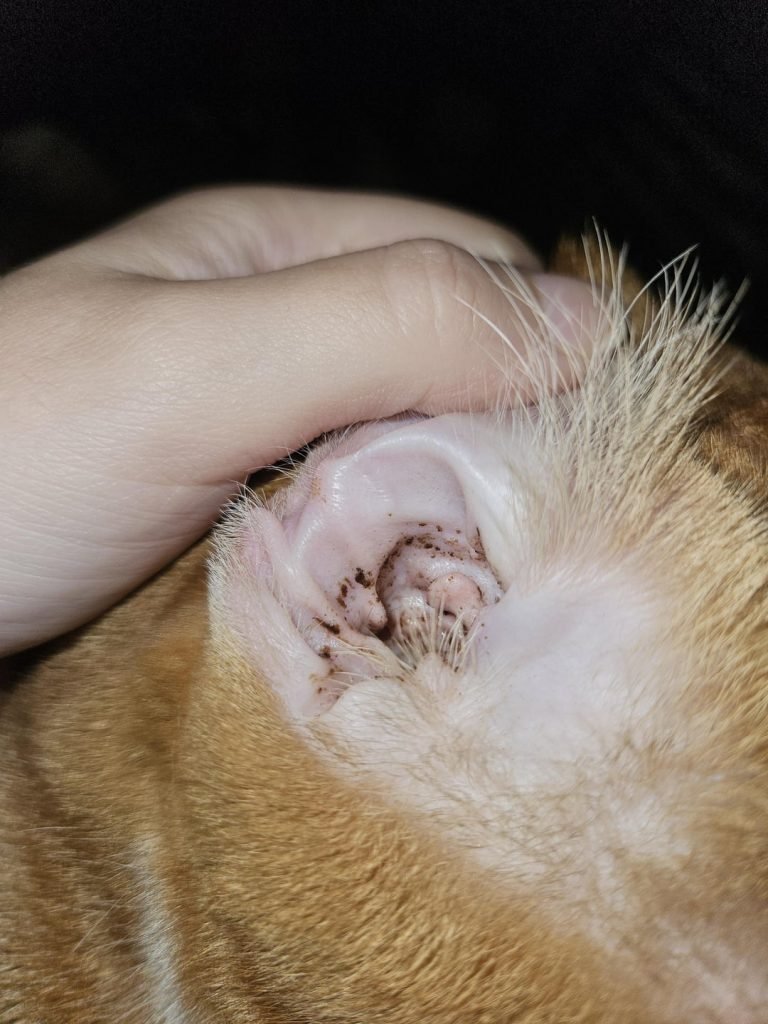
Have you noticed your cat scratching their ears more than usual? Or maybe you’ve spotted some dark debris inside their ear canal and wondered what it could be.
If so, you might be dealing with ear mites—tiny pests that can cause big discomfort for your furry friend. But what do ear mites actually look like in cats? Understanding their appearance is the first step to spotting them early and helping your cat feel better fast.
Keep reading, and you’ll learn how to identify these pesky invaders before they take over your cat’s ears.

Credit: www.happypet.care
Ear Mite Appearance
Ear mites are tiny parasites that can cause discomfort for cats. Recognizing them is crucial for treatment. Learn about their appearance to identify them quickly.
Size And Shape
Ear mites are extremely small, around 0.5 millimeters long. They have an oval shape, making them hard to spot without a microscope. Their small size allows them to hide deep in the cat’s ear canal.
Color And Texture
These mites are usually white or off-white in color. Their translucent bodies make them blend with ear wax. The texture is smooth, making them tricky to feel.
Movement Patterns
Ear mites move rapidly within the ear. Their quick movements can be seen with a magnifying glass. They often cause the cat to scratch due to their constant motion.

Credit: www.reddit.com
Common Signs In Cats
Identifying ear mites in your cat early can save both of you a lot of discomfort. These tiny parasites cause noticeable changes in your cat’s behavior and ear condition. Paying attention to the common signs can help you spot the problem before it worsens.
Ear Scratching And Shaking
If you notice your cat scratching its ears frequently or shaking its head a lot, it’s a strong hint that something is irritating them. Ear mites cause intense itching, making your cat restless and uncomfortable. Have you seen your cat pawing at its ears more than usual?
Dark Ear Discharge
Check your cat’s ears for a dark, crumbly discharge that looks like coffee grounds. This is a typical sign of ear mites and indicates a buildup of debris and wax caused by the infestation. Noticing this can alert you to the presence of mites even if your cat isn’t scratching constantly.
Inflammation And Redness
Look inside your cat’s ears for redness and swelling. The skin may appear inflamed and sensitive to touch due to the mites’ irritation. If your cat lets you examine its ears without fuss, it’s a perfect chance to spot these signs early.
How To Spot Ear Mites At Home
Spotting ear mites at home helps catch the problem early. These tiny parasites cause itching and discomfort in cats. Knowing how to check your cat’s ears carefully can save a trip to the vet. Watch for signs and use simple tools to inspect the ears safely.
Using A Flashlight
Grab a small flashlight to see inside your cat’s ears clearly. Shine the light gently into the ear opening. Look for tiny moving dots or dark debris. Ear mites often leave black or brown crumb-like dirt. Bright light helps reveal these signs easily.
Inspecting The Ear Canal
Gently pull back your cat’s ear flap to check the ear canal. Use a soft cloth or cotton ball to wipe the outer ear. Avoid pushing anything deep inside. The ear canal may show redness or inflammation. Dark wax or discharge is a common clue of mites.
When To Consult A Vet
Visit a vet if your cat scratches ears often or shakes its head. Persistent redness, swelling, or bad smell needs professional care. A vet can confirm ear mites with a microscope exam. Early treatment prevents infection and eases your cat’s pain.
Differences Between Ear Mites And Other Ear Issues
Identifying what’s troubling your cat’s ears can be tricky. Ear mites share symptoms with other common ear problems, but the treatments differ greatly. Knowing the differences helps you act fast and avoid unnecessary discomfort for your furry friend.
Ear Mites Vs Ear Infection
Both ear mites and ear infections cause itching and redness, but the signs you see inside your cat’s ears differ.
- Ear Mites:Look for dark, crumbly debris resembling coffee grounds. This is mite waste, not typical discharge.
- Ear Infection:Usually produces yellow, green, or bloody discharge with a foul odor.
Have you noticed your cat shaking its head more than usual? That can point to either issue, but persistent odor is a stronger sign of infection.
Ear Mites Vs Allergies
Allergies often cause ear problems, but the symptoms go beyond just the ears.
- Ear Mites:Intense scratching focused mainly on the ears and visible debris.
- Allergies:May cause redness and swelling in the ears, plus itching on the skin, paws, or face.
If your cat’s ears are the only itchy spots, mites are more likely. But if you see widespread irritation, allergies might be at play.
Ear Mites Vs Wax Buildup
Wax buildup is common, especially in breeds with folded ears, but it looks quite different from mite infestation.
- Ear Mites:Produce dark, dry debris that flakes off easily.
- Wax Buildup:Usually appears as smooth, yellowish wax without the flaky texture.
Does the ear debris crumble like dirt, or is it sticky and smooth? This simple observation can help you tell if your cat needs a cleaning or treatment for mites.
Preventing Ear Mite Infestations
Preventing ear mite infestations in your cat is crucial to keeping them comfortable and healthy. These tiny parasites thrive in warm, moist environments like your cat’s ears and can cause significant irritation if left unchecked. Taking proactive steps can save your feline friend from unnecessary discomfort and costly treatments.
Regular Ear Cleaning
Cleaning your cat’s ears regularly helps remove debris and wax where ear mites love to hide. Use a gentle ear cleaner designed for cats and a soft cotton ball or cloth—avoid using cotton swabs deep inside the ear canal. How often should you clean? Once a week is usually enough, but if your cat is prone to infections, you might need to do it more frequently.
When I started cleaning my cat’s ears weekly, I noticed less scratching and fewer odors. That small habit made a big difference in preventing mites before they became a problem. Have you checked your cat’s ears lately? It’s easy to miss early signs if you don’t take a close look.
Keeping Cats Indoors
Allowing your cat to stay mostly indoors reduces the risk of catching ear mites from other animals. Outdoor cats have more contact with stray cats and wildlife, which often carry these parasites. Limiting outdoor time helps you control their environment and lowers exposure to mites.
Indoor cats aren’t completely safe, but the risk drops significantly. Consider creating stimulating indoor activities to keep your cat happy and less curious about venturing outside. Could your cat’s outdoor adventures be putting them at risk without you realizing it?
Routine Vet Checkups
Regular vet visits are essential for early detection and prevention of ear mite infestations. Vets can spot mites during routine ear examinations before symptoms become severe. Even if your cat seems fine, a quick ear check can prevent future trouble.
During one checkup, my vet found ear mites before my cat showed any signs of discomfort. Catching it early meant a simple treatment and no suffering for my pet. When was your cat’s last ear health check? Scheduling regular appointments might be the easiest way to avoid ear mite problems altogether.

Credit: www.reddit.com
Frequently Asked Questions
What Do Ear Mites Look Like In Cats?
Ear mites in cats appear as tiny white or brown specks. They resemble small grains of coffee grounds inside the ear canal. These parasites are microscopic, so you might only see debris or dark wax instead of the mites themselves.
How Can I Tell If My Cat Has Ear Mites?
Look for symptoms like intense ear scratching, head shaking, and black or brown ear discharge. Your cat’s ears may smell foul, and the skin inside might be red or inflamed. These signs often indicate an ear mite infestation.
Are Ear Mites Contagious Between Cats?
Yes, ear mites spread easily through direct contact with infected cats. They can also transmit via shared bedding or grooming. It’s important to treat all cats in a household to prevent reinfestation and control the spread.
Can Ear Mites Cause Hearing Loss In Cats?
Ear mites themselves rarely cause permanent hearing loss. However, severe infestations can lead to infections and damage inside the ear. Prompt treatment helps prevent complications like hearing impairment or chronic ear problems.
Conclusion
Ear mites in cats appear as tiny, moving specks inside the ear. They cause itching, redness, and dark debris buildup. Detecting them early helps prevent discomfort and ear infections. Regular ear checks keep your cat healthy and happy. Consult a vet if you notice unusual signs.
Treating ear mites promptly ensures your cat feels better fast. Stay attentive to your pet’s ear health every day. Small actions make a big difference in your cat’s comfort.
