

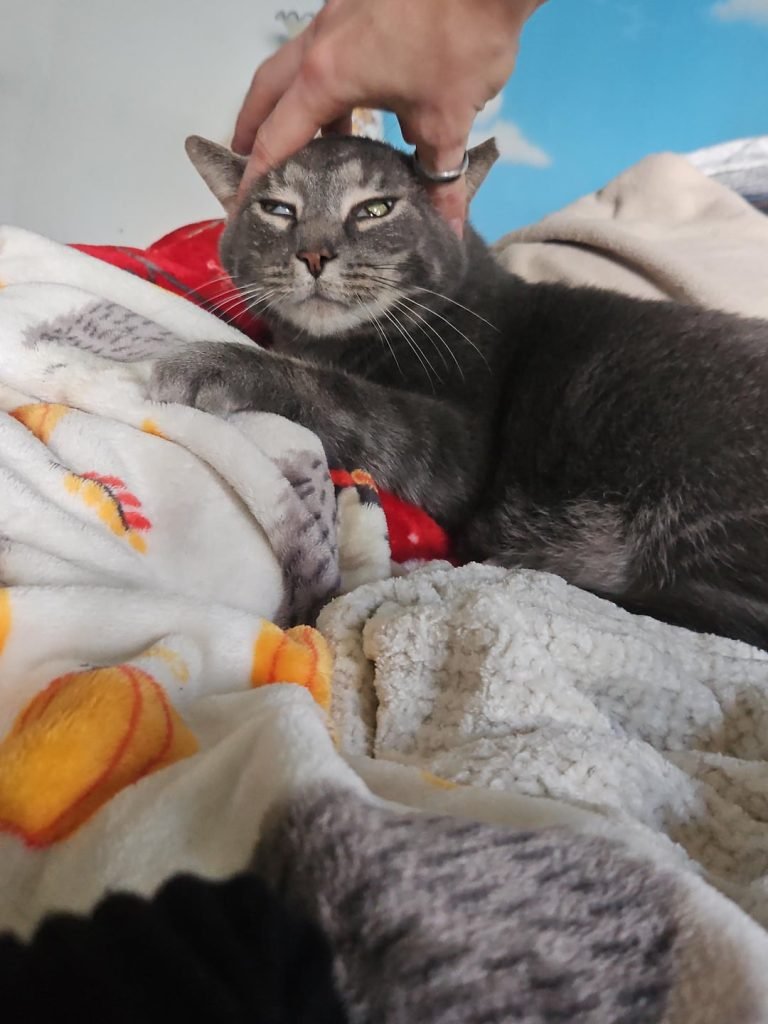
Have you ever noticed your cat biting its nails and wondered why? It’s a curious behavior that can leave you puzzled.
Understanding why your cat does this can help you keep them healthy and happy. You’ll discover the surprising reasons behind nail biting in cats, what it means for their well-being, and simple steps you can take to help. Keep reading—you might just uncover something that changes how you care for your furry friend.
Cat Nail Biting Behavior
Have you ever noticed your cat seemingly lost in thought, nibbling away at their nails? This behavior might seem peculiar, but it’s a common part of a cat’s grooming routine. Understanding the reasons behind this can help you ensure your feline friend is healthy and content.
Common Nail Biting Patterns
Cats often bite their nails as part of their regular grooming habits. Similar to how they groom their fur, nail biting helps remove loose or dead outer layers of the nail. This behavior is typically seen when a cat is relaxed, such as after a meal or during a quiet afternoon.
Some cats may bite their nails more frequently if they are anxious or stressed. Pay attention if your cat suddenly starts doing this more often, as it could indicate an underlying issue. Regular observation can help you discern whether it’s just grooming or something more.
How Cats Use Their Nails
Your cat’s nails are more than just tools for scratching furniture. They are essential for climbing, hunting, and self-defense. Cats use their nails to grip surfaces, balance, and even communicate with other animals.
Healthy nails are crucial for these activities, which is why cats instinctively take care of them. By biting their nails, cats maintain their sharpness and health, ensuring they are ready for any adventure or playful moment.
Next time you see your cat biting their nails, consider whether it’s a sign of contentment or a cue to check their environment for stressors. How do you ensure your cat’s nails stay in tip-top shape?

Credit: www.youtube.com
Health-related Causes
Cats biting their nails can sometimes be a sign of underlying health issues. These behaviors often point to discomfort or irritation that your cat is trying to relieve. Understanding these health-related causes can help you spot problems early and ensure your feline friend stays comfortable and healthy.
Nail Infections And Irritations
Infections can make your cat’s nails painful or itchy. Bacterial or fungal infections often cause swelling, redness, and discomfort around the nails.
If you notice your cat frequently biting or licking its nails, check for any visible signs of infection. Early treatment can prevent complications and reduce your cat’s discomfort.
Allergies Affecting Paws
Just like people, cats can suffer from allergies that affect their paws. Environmental allergens like pollen, dust, or certain cleaning chemicals can trigger itching and irritation.
When your cat bites its nails, it might be trying to soothe allergic reactions. Monitoring your cat’s environment and discussing allergy testing with your vet can help identify and manage these triggers.
Injury Or Pain In Nails
A broken nail or a small injury can cause significant pain, leading your cat to bite at the affected area. Even minor trauma can make your cat uncomfortable enough to obsessively groom or bite its nails.
Pay close attention if your cat suddenly changes its nail-biting behavior after a rough play session or a fall. Prompt veterinary care can address injuries before they worsen.
Stress And Anxiety Triggers
Cats often bite their nails as a reaction to stress and anxiety. These behaviors can signal that your cat feels uneasy or overwhelmed. Understanding the triggers helps you provide better care and comfort for your pet.
Environmental Stress Factors
Changes in the home can make cats anxious. Loud noises, new people, or unfamiliar animals cause stress. Even rearranging furniture may upset your cat’s routine. These factors lead to nail biting as a way to cope.
Separation Anxiety
Cats can feel lonely or scared when left alone. This fear often triggers nervous behaviors like nail biting. The absence of their owner creates tension and discomfort. It is a sign they need more comfort or company.
Boredom And Lack Of Stimulation
Cats need mental and physical activity to stay happy. Without enough playtime, they get bored and restless. Nail biting can start as a result of this boredom. Providing toys and interaction reduces this anxious habit.
Grooming And Hygiene Reasons
Cats bite their nails as part of their grooming and hygiene habits. This behavior helps keep their paws clean and healthy. It is a natural and important routine for every cat.
Natural Grooming Instincts
Cats have strong grooming instincts. They use their teeth to clean their paws and nails. This helps them stay neat and tidy. Grooming also reduces stress and keeps their fur smooth.
Removing Dirt And Debris
Cats often get dirt or small debris stuck under their nails. Biting their nails helps remove these particles. It prevents infections and discomfort. Clean nails allow cats to move freely without pain.
Shedding Old Nail Layers
Cat nails grow in layers. Sometimes, the outer layer becomes old and dull. Cats bite their nails to shed this layer. This reveals a sharp, fresh nail underneath. It keeps their claws in good shape for climbing and hunting.
Behavioral And Habitual Causes
Cats often bite their nails for reasons beyond grooming. These actions can stem from their behavior and habits. Understanding these causes helps in managing their nail-biting better.
Learned Behaviors
Cats learn behaviors by watching their environment. Nail biting can become a habit if they see other cats do it. Sometimes, young cats mimic older cats’ actions. This copying helps them learn but can lead to unwanted habits.
Attention-seeking Actions
Some cats bite their nails to get attention. They notice that biting causes humans to react. This reaction can be a form of play or concern from owners. Cats repeat this behavior to stay noticed.
Compulsive Nail Biting
Compulsive nail biting can develop from stress or boredom. Cats may bite nails more during changes in their routine. This habit helps them feel calm but can become harmful. Watch for frequent biting and try to reduce stress.

Credit: www.catschool.co
Preventing And Managing Nail Biting
Nail biting in cats can be more than just a quirky habit; it might signal discomfort or stress. Managing this behavior requires consistent care and attention to your cat’s needs. The right approach not only keeps their nails healthy but also improves their overall well-being.
Regular Nail Trimming
Keeping your cat’s nails trimmed reduces the urge to bite them. Sharp or overgrown nails can cause irritation, prompting your cat to nibble at them. Try trimming their nails every two to three weeks to maintain a comfortable length.
If your cat resists, use treats and gentle handling to ease the process. You can also ask your vet or groomer to show you the safest way to trim their nails. Have you noticed if your cat bites more when their nails feel uncomfortable?
Providing Mental Stimulation
Boredom often leads to nail biting as a way for cats to occupy themselves. Offering toys, puzzle feeders, and interactive play can redirect this behavior. Try setting aside short, focused play sessions daily to keep your cat engaged.
Switch up toys regularly to spark their interest. Mental stimulation isn’t just fun; it helps reduce stress and anxiety, which can trigger nail biting. What new games or toys could you introduce to keep your cat’s mind busy?
Consulting A Veterinarian
If nail biting persists despite your efforts, it’s time to consult a vet. Sometimes underlying health issues like allergies, infections, or anxiety cause this behavior. A vet can perform a thorough checkup and recommend treatments or therapies.
Don’t ignore signs like redness, swelling, or hair loss around the nails. Early professional advice can prevent more serious problems and help you create a tailored care plan for your cat. When was the last time you had your cat’s paws examined by a professional?

Credit: www.reddit.com
Frequently Asked Questions
Why Do Cats Bite Their Nails Frequently?
Cats bite their nails to clean and sharpen them. This behavior helps remove old nail sheaths and keeps claws healthy. It also prevents nails from becoming too long or sharp, which can cause discomfort or injury.
Can Nail Biting Indicate Stress In Cats?
Yes, nail biting can be a sign of stress or anxiety. Cats may bite their nails when feeling nervous or bored. Observing other stress behaviors can help identify if nail biting is due to emotional issues.
How Can I Stop My Cat From Biting Nails?
Provide regular nail trimming and scratching posts to reduce nail biting. Engage your cat with toys and playtime to relieve boredom. If nail biting persists, consult a vet to rule out health problems.
Is Nail Biting Harmful To Cats?
Occasional nail biting is normal and not harmful. Excessive biting can lead to infections or damaged skin. Monitoring your cat’s behavior ensures nail biting remains healthy and doesn’t cause issues.
Conclusion
Cats bite their nails for many reasons. It can be due to stress, boredom, or grooming habits. Sometimes, it shows they feel anxious or uncomfortable. Watching your cat closely helps you understand their behavior better. Providing toys and attention can reduce nail biting.
Keeping their nails trimmed also helps. Remember, a happy cat is a healthy cat. Paying attention to their habits keeps them safe and calm. Small changes make a big difference in their well-being. Caring for your cat means noticing even little signs.
