

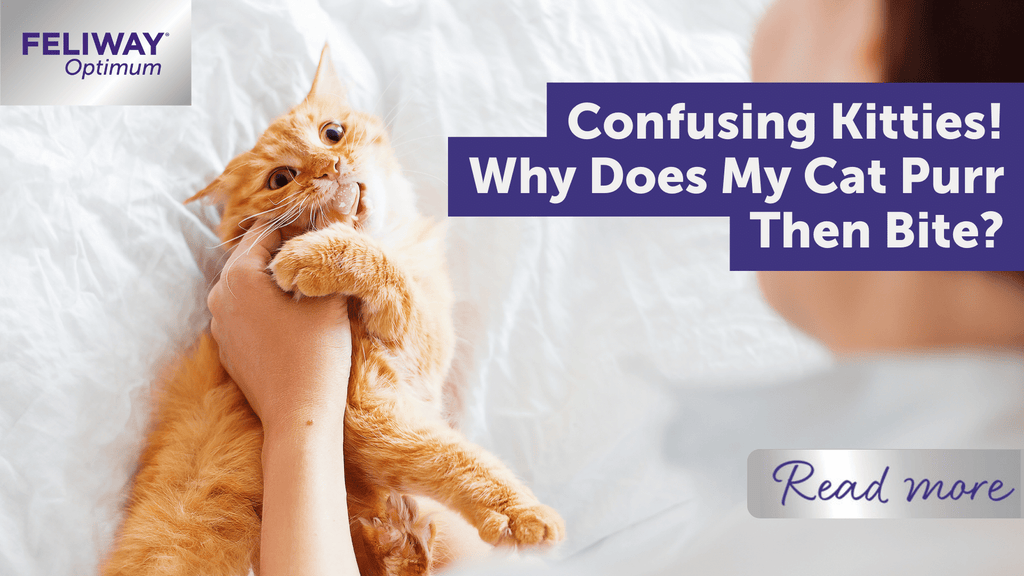
Have you ever wondered why your cat starts to purr the moment you stroke its fur? That soft, soothing sound can make you feel calm and connected, but there’s more to it than just happiness.
Understanding why cats purr when you touch them can deepen your bond and help you care for your furry friend even better. Keep reading, and you’ll discover surprising reasons behind this charming behavior that will change how you see your cat forever.

Credit: www.uk.sheba.com
Cat Purring Basics
Understanding why cats purr when stroked can deepen our bond with them. Purring is a fascinating behavior, often signaling contentment. But there’s more to it. Let’s explore the basics of cat purring.
How Cats Produce Purring Sounds
Cats produce purring sounds through a unique mechanism. It involves the laryngeal muscles in their throat. These muscles twitch at a rapid rate. This rapid twitching creates vibrations. The diaphragm aids in amplifying these sounds. The result is the soothing purr we love.
Common Situations When Cats Purr
Cats purr in various situations. Most people notice purring during petting. This usually indicates happiness or comfort. Cats also purr when feeling anxious or scared. It can be a self-soothing behavior. Some cats purr to communicate with their kittens. Newborn kittens can’t see or hear. So, they rely on purring for guidance.

Credit: www.lordsandlabradors.co.uk
Purring And Contentment
Cats often purr when you stroke them. This sound shows their feelings and mood. Purring is more than just a noise. It tells a story about comfort and happiness. Understanding why cats purr helps us connect better with them.
Purring As A Sign Of Happiness
Purring usually means a cat feels safe and happy. The gentle vibration comes from their voice box. Cats purr when relaxed, like during petting or resting. It signals that they enjoy the moment. This sound is their way to express joy quietly.
Bonding Through Purring
Purring strengthens the bond between cats and humans. It creates a calm and loving atmosphere. When a cat purrs, it invites closeness and trust. This sound helps cats feel connected to their owners. Stroking your cat and hearing purrs builds a special relationship.
Purring For Healing
Cats often purr during gentle strokes. This sound is not just a sign of happiness. It also helps cats heal and feel better. Scientists believe purring has healing powers that benefit cats deeply.
Purring can calm cats in stressful or painful moments. It acts as a natural medicine by easing pain and stress. The healing power of purring supports their body and mind.
Self-soothing And Pain Relief
Cats use purring to comfort themselves when hurt or scared. The gentle vibration helps reduce pain and anxiety. It is like a built-in soothing tool they activate naturally.
When you stroke a cat, purring may increase. This shows the cat feels safe and relaxed. The sound helps slow down their breathing and heart rate.
Physical Benefits Of Purring Frequencies
The frequency of a cat’s purr ranges between 25 and 150 Hertz. These frequencies promote healing in bones and tissues. They also reduce inflammation and swelling.
- Speeds up bone repair
- Reduces muscle pain
- Improves breathing
- Boosts joint mobility
These benefits help cats recover faster from injuries. Purring acts like a natural therapy that supports their health.
Purring As Communication
Purring is more than just a sign of contentment. Cats use purring as a way to communicate with both humans and other cats. This soft sound carries many messages. Understanding these signals can improve the bond between you and your pet.
Signals To Humans And Other Cats
Cats purr to show they feel safe and happy. The sound tells others they mean no harm. When you stroke a cat and it purrs, it signals trust and comfort.
Other cats also listen to purring. It can calm and reassure them. Kittens purr to connect with their mother. Adult cats use purring to keep peace in groups.
Requests And Attention-seeking
Purring can ask for something too. Cats may purr to get food or petting. This sound grabs your attention gently.
Some cats combine purring with meows. This mix makes their request clear. They want you to notice and respond quickly.
Understanding these purring signals helps you meet your cat’s needs. It strengthens your relationship and keeps your cat happy.
Why Stroking Triggers Purring
Stroking a cat often triggers purring, a soothing sound that shows contentment. This reaction happens due to a mix of physical and emotional factors. Cats have sensitive nerves that react to touch. Their brain also links stroking to comfort and safety.
Physical Touch And Sensory Response
When you stroke a cat, tiny nerve endings in their skin send signals to the brain. These signals create a feeling of pleasure and relaxation. This sensory response helps calm the cat’s body and mind. It also activates the muscles around the voice box. These muscles vibrate, producing the purring sound.
The softness and rhythm of your touch influence this reaction. Gentle strokes often lead to steady, gentle purring. Cats enjoy this physical connection because it feels good and reduces stress.
Emotional Connection And Trust
Stroking builds trust between you and your cat. Purring often shows the cat feels safe and loved. This emotional bond strengthens as you pet your cat regularly. The cat’s brain releases happy chemicals during these moments. These chemicals encourage more purring and closeness.
A cat purrs to show comfort and to communicate with you. The act of stroking tells the cat you care. This trust deepens their feelings of security and happiness.
When Purring Means More
Purring is often seen as a sign that your cat is happy and content. But did you know that sometimes purring means much more than simple pleasure? Understanding the different reasons behind your cat’s purr can help you respond better to their needs and emotions.
Purring In Stress Or Anxiety
You might notice your cat purring when they seem nervous or scared. Purring isn’t always a sign of calm—it can also be a self-soothing behavior during stressful moments. For example, cats often purr at the vet or during a thunderstorm to comfort themselves.
Have you seen your cat purr during a stressful event? This shows that purring can be their way to cope with anxiety, much like how humans might hum or take deep breaths.
Purring During Illness Or Discomfort
Sometimes cats purr when they are feeling unwell or in pain. This might seem strange, but purring can actually help cats heal by releasing calming vibrations. These vibrations may reduce pain and promote tissue regeneration.
If your cat is purring but also hiding or eating less, it’s a sign to check their health. Listening carefully to when and why your cat purrs can give you clues about their well-being that you might otherwise miss.

Credit: www.behance.net
Frequently Asked Questions
Why Do Cats Purr When Stroked?
Cats purr when stroked because it signals comfort and trust. The gentle petting stimulates their vocal cords, causing a soothing vibration. Purring helps cats relax and strengthens their bond with you, making it a natural response to affection and care.
Can Purring Mean Cats Are In Pain?
Yes, purring can sometimes indicate pain or distress. Cats may purr to self-soothe or heal. However, context matters; if your cat shows other pain signs, consult a vet. Purring is not always a sign of happiness.
How Does Stroking Trigger A Cat’s Purr?
Stroking activates sensory nerves in a cat’s skin. This stimulation sends signals to the brain, which triggers purring. It’s a way cats express pleasure and relaxation. Soft petting mimics grooming, encouraging their calming purr response.
Is Purring Only A Sign Of Happiness?
No, purring can indicate happiness, stress, or healing. Cats use purring for various reasons, including pain relief and communication. Observing their body language helps understand the true cause of purring in different situations.
Conclusion
Cats purr for many reasons. Stroking them often makes them happy and calm. Purring shows trust and comfort. It can also help cats heal and reduce stress. When you pet a cat, you share a special bond. This sound means they feel safe with you.
Understanding purring helps you care for your cat better. Enjoy these quiet moments together—they mean a lot to your furry friend.
