

Are you a cat owner wondering what shots your furry friend needs to stay healthy? Vaccinations are one of the most important steps you can take to protect your cat from serious diseases.
But with so many options out there, it’s easy to feel confused or overwhelmed. This guide will clear things up for you. By the end, you’ll know exactly which shots your cat needs and why they matter. Keep reading to make sure your cat gets the best care possible.
Core Vaccines For Cats
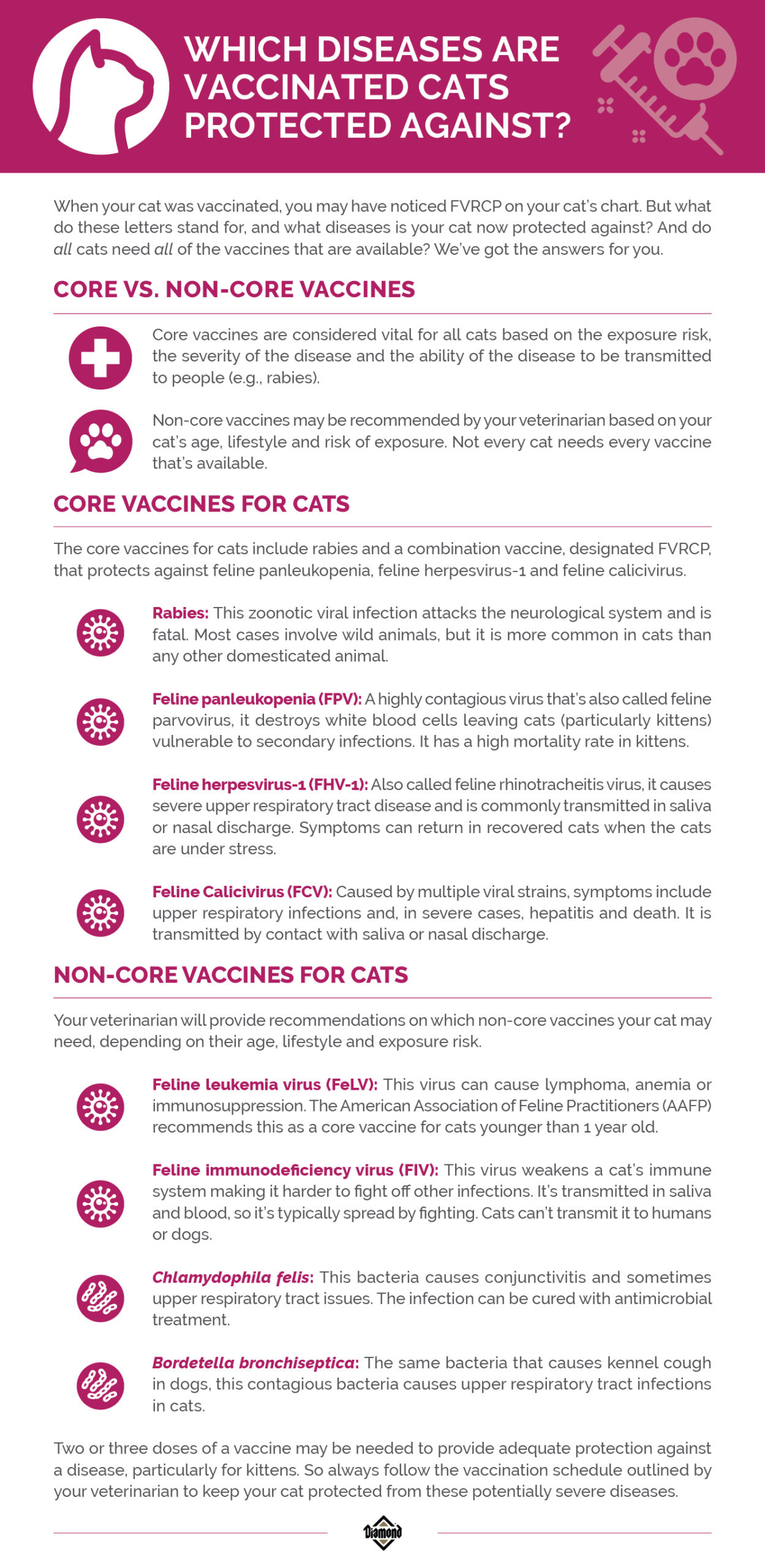
Cats need core vaccines to protect against serious diseases like rabies, distemper, and feline leukemia. These shots keep cats healthy and prevent the spread of infections. Regular vaccinations are essential for every cat’s well-being.
Core vaccines are essential to keeping your feline friend healthy and safe from potentially life-threatening diseases. These vaccines are recommended for all cats, regardless of their lifestyle or environment. They help build your cat’s immunity and protect against common yet serious illnesses. By ensuring your cat receives these core vaccines, you are not just following a routine; you are taking a proactive step in safeguarding their well-being.Rabies Vaccine
The rabies vaccine is crucial because rabies is a deadly virus that can spread from animals to humans. Cats, being curious creatures, may encounter wildlife that could carry the virus. Even indoor cats are at risk if a rabid animal enters the home. Vaccinating your cat against rabies is often mandated by law, and it’s a small step with significant benefits.Feline Herpesvirus And Calicivirus
These viruses are leading causes of respiratory infections in cats. Symptoms can range from sneezing and nasal discharge to more severe complications like pneumonia. A vaccinated cat may still get infected but will typically experience milder symptoms. This vaccine is particularly important if your cat is exposed to other cats frequently, such as in shelters or multi-cat households.Feline Panleukopenia
Also known as feline distemper, this disease can be devastating. It attacks the cat’s white blood cells, leaving them vulnerable to other infections. Kittens are especially susceptible, and the disease can spread rapidly among unvaccinated cats. Ensuring your cat receives the panleukopenia vaccine can mean the difference between life and death, particularly for young cats. Have you checked your cat’s vaccination schedule lately? It might be time for a booster. Taking this simple step can provide peace of mind and keep your furry friend safe.
Credit: millsanimalhospital.com
Non-core Vaccines
Non-core vaccines are not given to every cat but are important for those with specific lifestyles or risks. These vaccines protect against diseases that might not be common in all areas or for all cats but can be serious if contracted. Understanding which non-core vaccines your cat might need helps you make informed decisions about their health.
Feline Leukemia Virus
Feline Leukemia Virus (FeLV) is a serious disease that weakens your cat’s immune system. If your cat goes outside or interacts with other cats, this vaccine is crucial. Many pet owners don’t realize how easily FeLV spreads through close contact, like grooming or fighting.
Vaccinating your cat against FeLV can prevent a lifetime of health issues. You might ask, is your cat at risk from neighborhood cats or outdoor adventures? If yes, talk to your vet about this vaccine.
Bordetella
Bordetella is a respiratory infection that spreads quickly among cats in close quarters. It’s especially common in shelters, boarding facilities, or multi-cat homes. I once saw a boarding facility shut down temporarily because of a Bordetella outbreak—something easily prevented with vaccination.
If your cat spends time around other cats in such environments, this vaccine can protect them from coughing, sneezing, and more severe respiratory problems. Could your cat’s social lifestyle expose them to this disease?
Chlamydia Felis
Chlamydia Felis causes eye infections and respiratory issues in cats. It’s not widespread, but outbreaks can occur in crowded places like shelters or catteries. Vaccination reduces the risk and helps keep your cat’s eyes healthy and clear.
Do you notice your cat rubbing their eyes or sneezing after visits to the vet or boarding? This vaccine might be worth considering to avoid discomfort and complications.
Vaccination Schedule
Keeping cats healthy starts with a clear vaccination schedule. Vaccines protect cats from many serious diseases. Following a proper timeline ensures their immune system builds strong defenses.
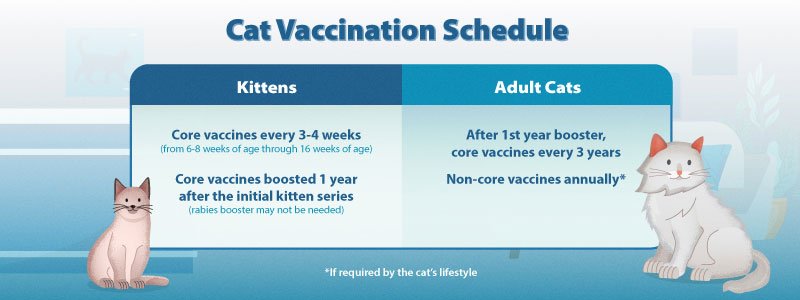
Vaccination schedules differ for kittens and adult cats. Kittens need a series of shots to develop immunity. Adult cats require booster shots to maintain protection over time.
Kitten Vaccination Timeline
Kittens start vaccines at about six to eight weeks old. They get a series of shots every three to four weeks until sixteen weeks old. This schedule helps build their immunity step by step.
| Age | Vaccines |
|---|---|
| 6-8 weeks | FVRCP (Feline Viral Rhinotracheitis, Calicivirus, Panleukopenia) |
| 10-12 weeks | FVRCP booster, FeLV (Feline Leukemia Virus) if at risk |
| 14-16 weeks | Final FVRCP booster, Rabies vaccine |
Rabies vaccine timing may vary by region and law. Your vet will recommend the right vaccines for your kitten’s lifestyle.
Adult Cat Booster Shots
Adult cats need regular boosters to keep immunity strong. Most vaccines require a booster one year after the kitten series. Then, booster shots happen every one to three years.
- FVRCP booster every 1 to 3 years
- Rabies booster as required by law, usually yearly or every 3 years
- FeLV boosters if the cat is at risk or outdoors
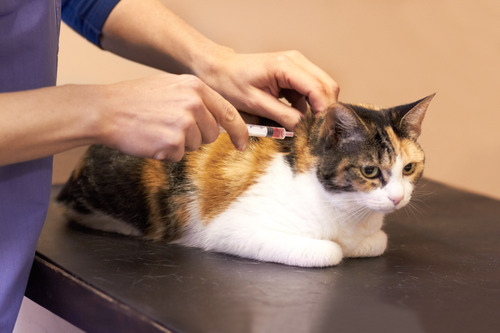
Discuss your cat’s lifestyle and health with your vet. This helps tailor the booster schedule to your cat’s needs.
Credit: triangleanimalclinic.com
Factors Affecting Vaccine Needs
Vaccines protect cats from many serious diseases. But not all cats need the same shots. Several factors affect which vaccines your cat requires. These depend on their environment, health, and lifestyle. Understanding these factors helps keep your cat safe and healthy.
Indoor Vs. Outdoor Cats
Indoor cats face fewer risks from diseases. They rarely meet other animals or wildlife. This lowers the need for some vaccines. Outdoor cats roam and meet many animals. They risk catching infections from other cats or wild animals. Outdoor cats need more comprehensive vaccine protection.
Age And Health Status
Kittens need vaccines to build immunity early. Older cats may need booster shots to maintain protection. Cats with weak immune systems need special care. Ill or elderly cats might require fewer or different vaccines. A vet can decide the best vaccine plan based on health.
Lifestyle And Exposure Risks
Cats that travel or stay in boarding facilities face higher risks. Cats in multi-cat homes also have increased exposure. Cats hunting or roaming free encounter more disease threats. Vaccines should match the cat’s daily activities and risks. Tailoring vaccines keeps cats protected without unnecessary shots.
Potential Side Effects
Understanding the potential side effects of cat vaccinations helps you stay prepared and calm during your pet’s healthcare visits. While vaccines are crucial for protecting your cat from serious diseases, they can sometimes cause mild reactions. Knowing what to expect can make the experience less stressful for both you and your furry friend.
Common Reactions
Most cats handle vaccines well, but some show minor side effects that usually disappear within a day or two. You might notice:
- Lethargy:Your cat may seem tired or less playful than usual.
- Mild Fever:A slight increase in body temperature is common.
- Swelling or Soreness:The injection site might be a little red or tender.
- Loss of Appetite:Some cats eat less after vaccination but generally return to normal quickly.
These reactions show your cat’s immune system is responding to the vaccine. However, they should not last more than 48 hours.
When To Contact A Vet
Sometimes, side effects can be more serious. Watch for symptoms like:
- Severe swelling, especially around the face or neck.
- Difficulty breathing or coughing.
- Continuous vomiting or diarrhea.
- Sudden collapse or extreme weakness.
- High fever lasting more than two days.
If your cat shows any of these signs, contact your vet immediately. Quick action can prevent complications and ensure your cat stays safe.
Importance Of Regular Vet Visits
Regular visits to the vet are essential for your cat’s well-being. These check-ups do more than just keep vaccinations up to date—they help catch health problems early and keep your cat feeling their best. How often do you think about your cat’s health beyond their shots?
Health Monitoring
During each visit, your vet will carefully check your cat’s overall health. This includes examining their weight, teeth, eyes, and coat condition. Small changes, like a slight limp or dull fur, can signal bigger health issues that you might miss at home.
By tracking these signs over time, vets can spot illnesses before they become serious. Regular visits give you peace of mind, knowing your cat is under expert care. Have you noticed subtle changes in your cat’s behavior or appearance that concerned you?
Updating Vaccinations
Vaccines protect your cat from dangerous diseases that can be costly or even fatal. But immunity doesn’t last forever. Your vet will help you keep track of which shots your cat needs and when to get them.
This schedule varies based on your cat’s age, lifestyle, and health status. For example, indoor cats might need fewer vaccines than outdoor cats exposed to other animals. Skipping or delaying vaccines can leave your cat vulnerable—are you confident your cat’s shots are current?
Credit: www.diamondpet.com
Frequently Asked Questions
What Core Vaccines Do Cats Need?
Cats need core vaccines for rabies, feline distemper (panleukopenia), calicivirus, and herpesvirus. These protect against serious, common diseases.
When Should Kittens Get Their First Shots?
Kittens usually get their first vaccines at 6 to 8 weeks old. Boosters follow every 3-4 weeks until 16 weeks.
Are Non-core Vaccines Necessary For Cats?
Non-core vaccines depend on lifestyle and risk. Your vet may recommend vaccines for feline leukemia or Bordetella if exposure risk exists.
How Often Should Adult Cats Receive Vaccines?
Adult cats typically get booster vaccines every 1 to 3 years. Your vet will advise based on health and local regulations.
Conclusion
Keeping your cat healthy means giving the right shots at the right time. Vaccines protect cats from many serious diseases. Talk to your vet about a vaccination plan. Shots help your cat live a longer, happier life. Protecting your pet is a simple step every owner can take.
Stay informed and act to keep your cat safe and strong.
