

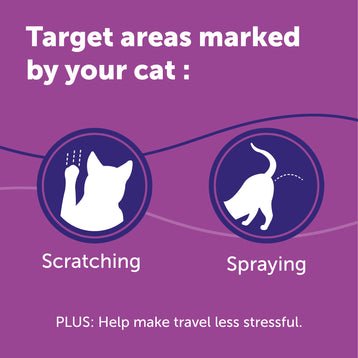
Are you worried about your cat spraying even after being fixed? You’re not alone.
Many cat owners wonder if neutering or spaying really stops this behavior. Understanding why cats spray and what changes after being fixed can help you find the right solution. Keep reading to discover the truth about cat spraying and how you can keep your home fresh and your furry friend happy.

Credit: www.catsmanitoba.com
Cat Spraying Behavior
Cats are mysterious creatures with unique behaviors. One such behavior is spraying. This is different from regular urination. Spraying is a way for cats to mark their territory. Both male and female cats can spray. Even fixed cats might spray for various reasons. Understanding why cats spray helps in managing this behavior.
Why Cats Spray
Cats spray to communicate. They may want to mark their territory. Spraying also helps them feel secure. In some cases, it can signal stress or anxiety. Fixed cats spray less, but it can still occur. This might be due to habits formed before they were fixed.
Common Triggers
Many factors can trigger spraying. Changes in the home environment can be a major reason. New pets or people can stress cats, leading to spraying. Conflicts with other animals can also cause this behavior. Cats may spray when they feel threatened. It’s their way to assert dominance.
Understanding these triggers helps in reducing spraying. Provide a calm and consistent environment. Ensure your cat feels safe and secure. Regular vet check-ups can also help rule out medical causes.
Impact Of Neutering On Spraying
Neutering plays a significant role in reducing or stopping spraying in cats. Spraying is often linked to hormones that influence territorial and mating behaviors. By neutering, these hormone levels drop, which can lead to a decrease in the urge to spray. This change affects both male and female cats, though it is more common in males. Understanding how neutering impacts spraying helps cat owners manage this behavior effectively.
How Fixing Changes Behavior
Neutering lowers the production of testosterone in male cats. This hormone drives many behaviors, including marking territory with urine. Without high testosterone, cats feel less need to spray. The act of spraying becomes less frequent or may stop entirely. Neutered cats also tend to be calmer and less aggressive. This behavior change makes the home environment more peaceful.
Timeframe For Behavior Changes
Behavior changes after neutering do not happen immediately. It can take several weeks for hormone levels to drop fully. Most cats show reduced spraying within one to three months. Some cats may take longer, up to six months, to stop spraying. Consistency and patience are important during this time. If spraying continues, consult a veterinarian for advice.
Reasons Fixed Cats Might Still Spray
Spaying or neutering usually reduces spraying in cats. Yet, some fixed cats continue to spray. Understanding the reasons helps manage this behavior. Spraying is often a sign of communication or stress. Fixed cats may spray due to factors beyond hormones. These causes include emotional and health-related issues. Recognizing these can guide proper care and treatment.
Stress And Anxiety
Stress triggers spraying in many fixed cats. Changes in the home environment cause anxiety. New pets, visitors, or loud noises upset cats. They spray to mark safety zones and feel secure. Lack of attention or playtime can increase stress. Regular interaction and calm surroundings help reduce anxiety.
Territorial Issues
Territory remains important even for fixed cats. Other cats nearby can cause territorial disputes. Spraying marks boundaries to warn intruders. Outdoor cats or neighborhood cats trigger this behavior. Indoor cats may spray to claim their space. Providing hiding spots and vertical areas helps cats feel safe.
Medical Causes
Health problems sometimes cause spraying in fixed cats. Urinary tract infections make urination painful and frequent. Kidney or bladder issues increase the need to urinate. Cats may spray due to discomfort or confusion. A vet checkup is essential to rule out medical causes. Treating illness often stops unwanted spraying.
Preventing And Managing Spraying
Preventing and managing spraying helps keep your home clean and your cat happy. Spraying can happen even after cats are fixed. Understanding how to reduce this behavior is key for pet owners.
Environmental Adjustments
Create a calm space with fewer stress triggers. Cats spray to mark their territory, often due to stress or new changes. Keep litter boxes clean and in quiet spots. Provide cozy hiding places and vertical spaces like shelves or cat trees. Remove strong smells from previous sprays using enzyme cleaners. Limit access to outside cats or animals that might cause anxiety.
Behavioral Training
Reward good behavior with treats and praise. Use gentle redirection if your cat starts to spray. Play regularly to reduce stress and boredom. Avoid punishment, as it may increase anxiety. Use pheromone diffusers to create a relaxed environment. Keep a consistent routine to help your cat feel secure.
Consulting A Veterinarian
Visit a vet to rule out medical issues. Urinary tract infections or other illnesses can cause spraying. A vet can suggest behavior specialists if needed. They may recommend safe medications to reduce anxiety. Professional advice helps tailor solutions for your cat’s needs.
When To Seek Professional Help
Knowing when to seek professional help is important if your cat sprays after being fixed. Spraying can signal health problems or deeper behavioral issues. Acting early helps protect your cat’s health and keeps your home fresh.
Signs Spraying Is A Health Issue
Look for changes in your cat’s normal habits. These signs might mean a health problem:
- Frequent urination or accidents outside the litter box
- Straining or crying while urinating
- Blood in the urine or strong odor
- Excessive licking of the genital area
- Sudden changes in appetite or energy
These symptoms require a vet check immediately. Untreated infections or bladder issues make spraying worse.
Choosing A Behavior Specialist
If health issues are ruled out, a behavior specialist can help. They study animal behavior and provide advice.
Look for a certified expert with experience in cat problems. They will:
- Observe your cat’s habits and environment
- Identify triggers causing spraying
- Suggest changes to reduce stress
- Guide you on training and routines
Working with a specialist improves your cat’s comfort and stops spraying habits.
Credit: pethelpful.com

Credit: www.petscare.com
Frequently Asked Questions
Do Cats Stop Spraying After Being Fixed?
Most cats reduce or stop spraying after being neutered or spayed. Fixing lowers hormone levels that trigger spraying behaviors. However, some cats may continue due to stress or habit. Early fixing generally improves the chances of stopping spraying completely.
Why Do Fixed Cats Still Spray Indoors?
Fixed cats may spray indoors due to stress, anxiety, or territorial disputes. Medical issues or changes in the environment can also cause spraying. Behavioral training and consulting a vet can help address persistent spraying in fixed cats.
How Soon After Fixing Does Spraying Stop?
Spraying usually decreases within a few weeks after fixing. Hormonal changes take time to affect behavior. Most cats show improvement in 2 to 4 weeks, but some may take longer depending on individual factors.
Can Female Cats Spray After Being Spayed?
Yes, female cats can spray even after spaying, but it’s less common. Spraying in females often relates to stress or environmental triggers. Spaying reduces hormones but does not eliminate all causes of spraying.
Conclusion
Cats often stop spraying after they are fixed. Neutering or spaying lowers the chance of marking. But some cats may still spray due to stress or health problems. Watch your cat’s behavior closely. Keep their environment calm and clean. Consult a vet if spraying continues.
Fixing helps most cats live happier, cleaner lives. It also prevents unwanted litters. Remember, patience and care make a big difference. Your cat can feel more comfortable and relaxed. Spraying is less common after surgery, but not always gone. Stay observant and supportive for your furry friend.
