

Have you ever noticed your cat scratching more than usual and wondered if mosquitoes could be the cause? You might be surprised to learn how mosquitoes interact with your furry friend.
Understanding whether mosquitoes bite cats is crucial for protecting your pet’s health and comfort. You’ll discover the facts about mosquito bites on cats, what signs to watch for, and how to keep your beloved companion safe from these tiny pests.
Keep reading to find out what every cat owner needs to know!
Mosquito Behavior And Feeding Habits
Understanding mosquito behavior and feeding habits can shed light on whether these pesky insects target our feline friends. Mosquitoes are drawn to warm-blooded animals and rely on their senses to locate a suitable host. Their feeding habits are not just random; they have specific preferences and triggers that guide them.
What Attracts Mosquitoes To Animals
Mosquitoes are primarily attracted by carbon dioxide, body heat, and certain body odors. Animals, including cats, emit carbon dioxide and body heat, making them potential targets. However, certain chemicals in sweat or skin secretions can also attract mosquitoes, meaning some animals might be more appealing than others.
Mosquito Preference Between Humans And Pets
While mosquitoes are not particularly picky, they do exhibit preferences. Research indicates that mosquitoes are more likely to bite humans due to our larger size and higher production of carbon dioxide. Yet, pets like cats can still fall victim to mosquito bites, especially in environments where human hosts are less accessible.
Have you noticed your cat scratching or showing signs of irritation after being outside? This might be a sign of mosquito bites. Ensuring your pet’s well-being involves understanding these behaviors and taking preventive measures.
- Keep your cats indoors during peak mosquito hours, typically dusk and dawn.
- Use pet-safe mosquito repellents as recommended by a vet.
- Consider installing screens or using mosquito nets to protect your home.
By recognizing the factors that attract mosquitoes and understanding their preferences, you can better protect your pets from these annoying pests. What steps will you take to ensure your cat stays bite-free?
Mosquito Bites On Cats
Mosquito bites can affect cats just like humans and other animals. These tiny insects feed on blood, and cats are no exception. Although cats have fur, mosquitoes can still find exposed skin to bite. These bites can cause itching, redness, and discomfort for your feline friend. In some cases, mosquito bites might lead to infections or allergic reactions. Understanding how often mosquitoes bite cats and where they usually bite helps in protecting your pet effectively.
How Often Do Mosquitoes Bite Cats
Mosquitoes bite cats mainly during warm months. They are more active at dawn and dusk. Outdoor cats have a higher chance of getting bitten. Indoor cats can get bitten if mosquitoes enter the house. The frequency depends on the mosquito population nearby. Some cats attract mosquitoes more than others. Factors like body temperature and carbon dioxide play a role. Regular exposure to mosquitoes increases bite chances.
Common Bite Areas On Cats
Mosquitoes prefer areas with thin or no fur. These spots are easier to pierce and suck blood. Common bite areas include:
- Inside the ears
- Around the eyes
- Under the chin
- On the belly
- Between the toes
These spots may show redness or small bumps. Cats might scratch or lick these areas more. Watch for signs of irritation or swelling. Early detection helps prevent further problems.
Risks Of Mosquito Bites For Cats
Mosquito bites pose real dangers to cats. These tiny insects do more than cause itching. They can bring serious health problems. Mosquitoes can transmit diseases that affect a cat’s well-being. Understanding the risks helps protect your furry friend.
Health Issues Linked To Mosquito Bites
Mosquito bites can cause allergic reactions in cats. Some cats develop redness, swelling, or itching. Scratching can lead to skin infections. Mosquito saliva may irritate sensitive skin. In rare cases, bites might cause severe allergic reactions. Watch for unusual behavior or skin changes after a bite.
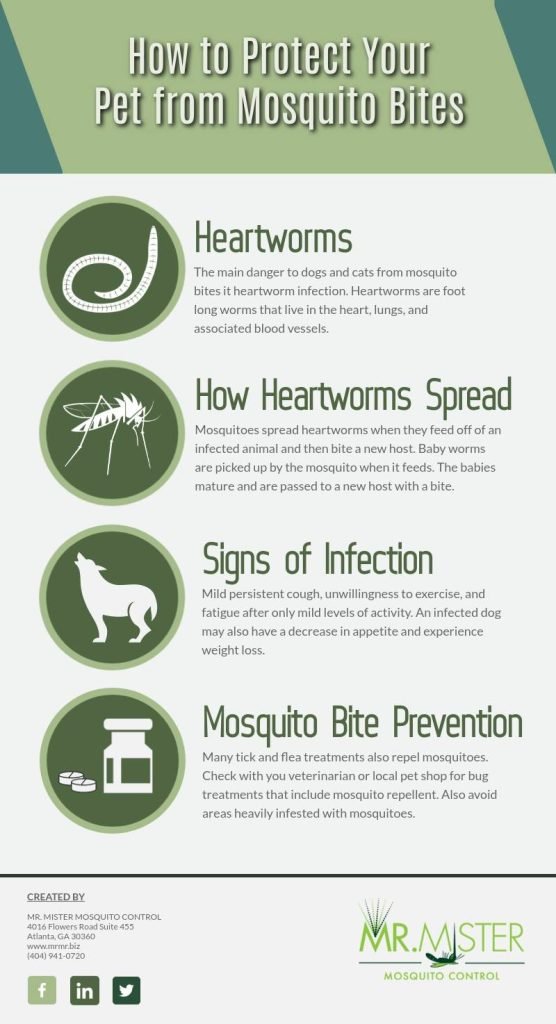
Heartworm Disease And Cats
Heartworm disease is a major threat from mosquito bites. Mosquitoes carry heartworm larvae from infected animals. When a cat is bitten, larvae enter the bloodstream. These larvae grow into adult worms in the heart and lungs. Heartworm disease in cats can cause coughing and breathing problems. It may lead to sudden death in severe cases. Cats need prevention because treatment options are limited and risky.

Credit: justcatsclinic.com
Protecting Cats From Mosquito Bites
Protecting cats from mosquito bites is crucial for their health. Mosquito bites can cause irritation and spread dangerous diseases. Taking steps to reduce mosquito contact keeps cats safe and comfortable. Simple actions make a big difference in preventing bites.
Safe Repellents And Treatments
Use only pet-safe mosquito repellents made for cats. Avoid products designed for humans or dogs, as they can harm cats. Natural options like citronella or eucalyptus are gentler but check with a vet first.
- Apply repellents carefully to avoid eyes and mouth.
- Use collars treated with safe insect repellents.
- Consult a vet before giving any medication for mosquitoes.
Environmental Controls To Reduce Mosquitoes
Control the environment to lower mosquito numbers around your home. Remove standing water where mosquitoes breed. Clean birdbaths, plant saucers, and pet water bowls regularly.
- Keep grass and bushes trimmed to reduce hiding spots.
- Use screens on windows and doors to keep mosquitoes out.
- Consider mosquito traps or natural predators like dragonflies.
Signs Of Mosquito Bites And When To Seek Help
Noticing mosquito bites on your cat can be tricky since cats can’t tell you when they’re itchy or uncomfortable. Recognizing the signs early helps you protect your furry friend from irritation and potential infections. Knowing when to get professional help can prevent small bites from becoming serious health issues.
Identifying Bite Reactions
Watch for small red bumps or swelling on your cat’s skin, especially around the ears, nose, and paws—areas mosquitoes prefer. Your cat might scratch or lick these spots more than usual, showing signs of discomfort.
Sometimes, you may see scabs or hair loss if your cat has been scratching a lot. If the swelling grows or your cat develops hives, it could indicate an allergic reaction. Do you notice your cat acting restless or hiding more often? These behaviors might signal irritation from bites.
Veterinary Care Recommendations
If your cat shows intense itching, swelling, or develops sores, it’s time to consult your vet. They might recommend topical treatments or antihistamines to ease the itch and reduce inflammation. In rare cases, mosquitoes can transmit diseases like heartworm, so your vet may suggest preventive medication.
Keep an eye on your cat’s behavior after a bite. Persistent lethargy or loss of appetite are warning signs that require immediate veterinary attention. Have you ever noticed your cat’s bite reaction worsening despite home care? That’s a clear sign to seek professional advice.

Credit: www.reddit.com
Myths About Mosquitoes And Cats
Mosquitoes and cats often come up in conversations about pet safety, but many ideas floating around aren’t quite accurate. It’s easy to get confused by what’s true and what’s just a rumor. Let’s clear up some common myths and look at what research actually says about mosquitoes biting cats.
Common Misconceptions
One popular myth is that mosquitoes don’t bite cats at all. Some people believe cats are naturally immune or unattractive to mosquitoes. But if you’ve ever noticed your cat scratching or twitching, it might be because a mosquito found them quite appealing.
Another misconception is that only dogs get heartworm from mosquitoes. This leads many to underestimate the risk for cats. Mosquitoes can transmit diseases to cats too, even if the signs are less obvious.
- Cats have thick fur, so mosquitoes avoid them – not always true; mosquitoes can bite exposed areas like ears and nose.
- Indoor cats don’t need protection from mosquitoes – but mosquitoes can get indoors through open windows or doors.
- Flea and tick preventatives protect against mosquitoes – most do not, so additional measures may be needed.
Facts Backed By Research
Studies confirm that mosquitoes do bite cats, especially on less furry parts. These bites can cause irritation and sometimes allergic reactions. More importantly, mosquitoes can transmit heartworm larvae to cats, posing serious health risks.
Research shows that while heartworm infection is less common in cats than dogs, it can still be life-threatening. Unlike dogs, cats often don’t show clear symptoms, which makes prevention even more critical. So, asking yourself if your cat needs mosquito protection is a smart move.
In my experience with pets, I noticed my indoor cat scratching her ears more during summer. I assumed it was fleas, but a vet explained mosquito bites were the culprit. After using a vet-approved mosquito repellent, the scratching stopped, proving that mosquitoes can indeed target cats.
Credit: justcatsclinic.com
Frequently Asked Questions
Do Mosquitoes Bite Cats Often?
Yes, mosquitoes can bite cats, especially in warm, humid environments. Bites may cause itching or allergic reactions in some cats.
Are Mosquito Bites Dangerous For Cats?
Mosquito bites can transmit heartworm disease to cats, which is serious and sometimes fatal. Prevention is crucial.
How Can I Protect My Cat From Mosquitoes?
Use vet-recommended mosquito repellents and keep your cat indoors during peak mosquito hours. Remove standing water near your home.
What Are Signs Of Mosquito Bites On Cats?
Look for redness, swelling, itching, or small bumps on your cat’s skin. Watch for unusual scratching or discomfort.
Conclusion
Mosquitoes can bite cats, causing itching and discomfort. These bites may lead to allergic reactions or infections. Protect your cat by keeping them indoors during mosquito peak times. Use pet-safe repellents to reduce the risk of bites. Regular vet visits help catch any mosquito-related issues early.
Stay aware and keep your cat safe from mosquitoes. It’s simple but important for your pet’s health.
